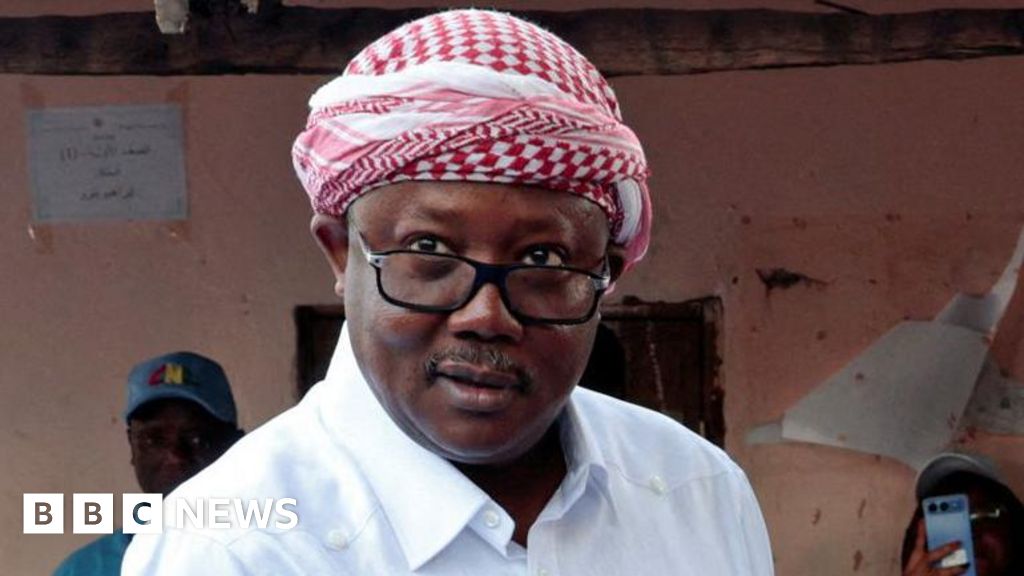

The recent turmoil in Guinea-Bissau underscores the fragility of democratic institutions in West Africa, a region increasingly influenced by military interventions and external pressures. This week, the nation witnessed yet another military coup, a recurring theme in its post-independence history, which has seen at least nine coups or attempted upheavals over the last fifty years. The abrupt removal of President Umaro Sissoco Embaló and the installation of an interim military leader exemplifies the deep-rooted challenges facing the country’s political landscape. As regional powers and international organizations express concern, the question of whether Guinea-Bissau’s political instability will spiral into a broader crisis remains.
- The military detained Embaló and other key political figures, suspending the electoral process just before official results could be announced.
- The coup was justified by the military as a move to thwart a purported plot involving unnamed politicians and a “well-known drug baron”—highlighting Guinea-Bissau’s longstanding role as a major hub in international drug trafficking.
- Regional Ecowas swift response saw the organization suspend Guinea-Bissau from decision-making bodies, demanding the military return to the barracks, condemning their actions as a “grave violation of constitutional order”.
Internationally, the situation has elicited sharp condemnation from the African Union and the United Nations. UN Secretary-General Antonio Guterres expressed “deep concern” and called for an “immediate and unconditional restoration of constitutional order,” emphasizing the importance of stabilizing the nation before further deterioration. These reactions reflect the wider recognition that Guinea-Bissau’s instability does not exist in isolation but feeds into the broader geopolitics of the region. For decades, Western powers and neighboring states have watched carefully, wary of the country’s vulnerability to drug trafficking, military meddling, and political backslide.
Moreover, the crisis in Guinea-Bissau exemplifies how internal political machinations—ranging from allegations of rigged elections to claims of self-staged “simulated coups”—are often entwined with geopolitical interests and local power dynamics. Analysts like Beverly Ochieng from Control Risks suggest that embattled President Embaló’s recent actions, including dissolving parliament after a coup attempt, might have inadvertently created space for military intervention, possibly orchestrated or at least exploited by factions seeking stability through strength. How the military’s assertion of control will reshape Guinea-Bissau’s future remains uncertain, but regional leaders, notably Sierra Leone’s President Julius Maada Bio, have taken steps to secure Embaló’s safety, illustrating how geopolitical concerns extend beyond national borders.
As history looms heavily over Guinea-Bissau’s current predicament, the nation’s struggles become a stark reminder to the world: weak institutions, unresolved political conflicts, and external criminal influences can turn fragile democracies into battlegrounds of chaos and control. The decisions made now—whether to impose sanctions, support diplomatic resolutions, or leave military factions unchecked—will leave an indelible mark on the country’s trajectory. The wheels of history are turning, and in a region where the stakes include not only national sovereignty but international safety, Guinea-Bissau’s story is far from over. As the international community watches in measured silence, the ongoing battle for stability, sovereignty, and soul of Guinea-Bissau begins a new chapter—one that will define the future of this troubled yet strategically vital country, a tiny nation sitting precariously on the edge of chaos and renewal.