Matox News

Truth Over Trends, always!

Tulip Siddiq MP handed jail sentence in Bangladesh amid unresolved legal issues

International Impact of Bangladesh’s Political Crackdown: A Warning to Global Power Dynamics

Recent developments in Bangladesh’s political climate have sent shockwaves through the international community, highlighting a rising trend of judicial activism intertwined with political persecution. Sedition, corruption, and influence-peddling allegations have led to the sentencing of prominent opposition figures and politicians, including Labour MP Tulip Siddiq, whose case underscores the complexity of justice and governance in a nation where the rule of law is increasingly under threat. Siddiq’s conviction—two years in prison and a fine—follows a highly politicized trial in Dhaka, where scrutiny from international legal experts and former officials has raised questions over the fairness and transparency of the proceedings.

This case is emblematic of a broader pattern in South Asia, where authorities have launched sweeping legal actions against former leaders, their families, and political opponents, often in the wake of regime changes. The former Prime Minister Sheikh Hasina now faces a death sentence for her alleged role in a brutal crackdown, with her conviction occurring in absentia—a move that, critics say, further consolidates the government’s power while undermining international standards of justice. According to numerous analysts, including members of the United Nations and prominent legal voices in the UK, such proceedings often lack due process, serving as tools to marginalize opposition rather than seek truth. The ramifications extend beyond Bangladesh, threatening regional stability and raising alarms over similar tactics potentially spilling over into other fragile democracies.

Historically, India, Myanmar, and other neighboring nations have demonstrated how judicially driven political purges can destabilize societies and diminish citizens’ trust in institutions. The recent crackdown on Hasina’s regime has unleashed a wave of concern regarding the erosion of democratic principles. The international community, including India and Western democracies, remains divided over how best to respond, balancing calls for justice with warnings about instrumentalization of legal systems for political ends. Analysts warn that if this pattern persists, it could further weaken Bangladesh’s nascent democratic institutions and entrench authoritarian tendencies under the guise of combating corruption. The case notably questions the integrity of the judicial process and reflects a broader geopolitical struggle—where regional influence is contested by global powers eager to shape Bangladesh’s future.

Implications for Global Diplomacy and Future Stability

The diplomatic fallout from Bangladesh’s judicial actions has potential reverberations across the international stage. The UK and European Union have expressed concern over the fairness of Siddiq’s trial, prompting debates over international standards of justice and the limits of national sovereignty. Interestingly, while Siddiq’s case highlights the challenges faced by foreign nationals entangled in foreign legal systems, it also underscores the fragile nature of international alliances based on shared democratic values. The fact that the UK does not have an extradition treaty with Bangladesh complicates efforts for legal accountability but does not diminish the importance of global scrutiny in protecting political dissidents from potential abuses.

Some international legal experts argue that the unfolding developments serve as a stark warning—how alliances are tested when national interests clash with human rights considerations. The ongoing political turbulence acts as a catalyst for further geopolitical contests in the region; nations keen on expanding influence may utilize or oppose such legal proceedings as leverage to sway regional balances. How the international community responds—either by backing democratic norms or turning a blind eye—could define the future of political stability in South Asia and influence global perceptions of justice and sovereignty. As Bangladesh navigates this turbulent period, the world watches with anticipation, bearing witness to a chapter that could either cement its democratic resilience or serve as a cautionary tale of power abuse under the veneer of legal reform.

In the shadow of these upheavals, the weight of history remains heavy: the unfolding saga in Bangladesh is a stark reminder that the pages of our shared story are being written not only through elections and treaties but through the silent, often unseen, battle for the soul of justice itself. As international observers debate the legitimacy of these trials, the true question persists—how long can a society sustain its legitimacy when justice is weaponized for political gain? This is a question whose answer could shape the course of democracy, stability, and human rights for decades to come.
Nigerian Separatist Leader Gets Life Sentence in Terrorism Case

Nigeria’s Judicial Crackdown on Separatism: A Landmark Verdict and Its Geopolitical Reverberations

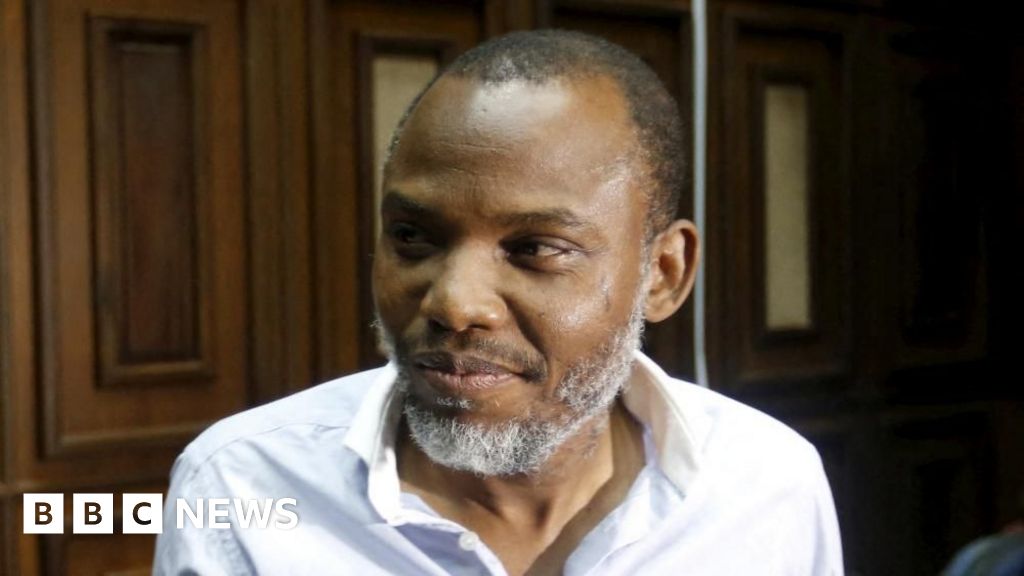
In a decisive move that highlights the enduring tensions within Nigeria, a court in Abuja has found separatist leader Nnamdi Kanu guilty of terrorism, treason, and conspiracy, sentencing him to four concurrent life sentences. This landmark ruling, delivered by Judge James Omotosho, signals a definitive stance by the Nigerian government against secessionist movements, particularly the Indigenous People of Biafra (Ipob). While the prosecution pushed for the death penalty—a reflection of the severity with which authorities are tackling threats to national sovereignty—the judge emphasized evolving perspectives on capital punishment, stating that executions are now “frowned upon.” This decision marks a potential turning point in Nigeria’s domestic policy on militancy and separatism, with wider implications for regional stability across West Africa.

The trial and conviction of Kanu also underscore the complex web of geopolitical and societal factors that underpin Nigeria’s ongoing struggle with internal divisions. Kanu, a British-Nigerian citizen who came to prominence through a London-based radio station calling for a separate Biafra state, has long been a symbol of Igbo aspirations for independence. His movement, once banned as a terrorist organization and connected to violent outbreaks, embodies deep-seated grievances rooted in historical marginalization. Analysts from the International Crisis Group and renowned historians contend that Nigeria’s government seeks to suppress non-state actors that threaten its territorial integrity, but critics argue this approach risks inflaming regional tensions further and undermining democratic dialogue. As Kanu’s supporters threaten protests, security around the court was heightened, reflecting the intelligence community’s fears of unrest, yet the muted response in southeastern Nigeria raises questions about the movement’s genuine popular support.

A Historical Shadow: The Legacy of Biafra and Africa’s Fragile Peace

  • In 1967, Igbo leaders declared the secession of Biafra, igniting a brutal civil war that resulted in the deaths of one million people. The defeat of the Biafran uprising left emotional scars and a legacy of marginalization that still influences regional politics today.
  • Since then, the drive for independence has persisted symbolically, but the Nigerian state has maintained a firm stance against secessionist groups, viewing them as threats to national unity and stability.
  • In 2022, Nigeria’s judiciary appeared divided over Kanu’s case, with an appeal court ordering that charges against him be dropped due to illegal detention abroad—an order that was subsequently overturned by the Supreme Court.

This saga exemplifies the intense struggle facing Nigeria—and the broader West African region—where calls for independence are intertwined with complex issues of ethnicity, history, and sovereignty. The verdict against Kanu not only serves as a warning to other separatist factions but also fuels the debate on how states must balance security with respecting cultural identities. International organizations and regional powers observe with caution, as Nigeria’s internal stability has repercussions for regional security, migrant flows, and economic partnerships across Africa and beyond.

As the weight of history presses heavily on the present, the case of Nnamdi Kanu stands as a stark reminder of the fragile path toward national cohesion. The echoes of the Biafran war still resonate, and the decisions made today could shape the narrative of Nigeria’s future for decades to come. The world watches as a nation at the crossroads grapples with its history—faced with the dilemma of how to forge unity from fragmentation before the tides of division are irreversible. In this unfolding drama, the true cost of unresolved grievances and the price of sovereignty remain painfully clear—history’s pen is never silent, and its questions are as urgent as ever.

Bangladesh's Sheikh Hasina Faces Death Sentence Over Human Rights Violations
Bangladesh’s Sheikh Hasina Faces Death Sentence Over Human Rights Violations

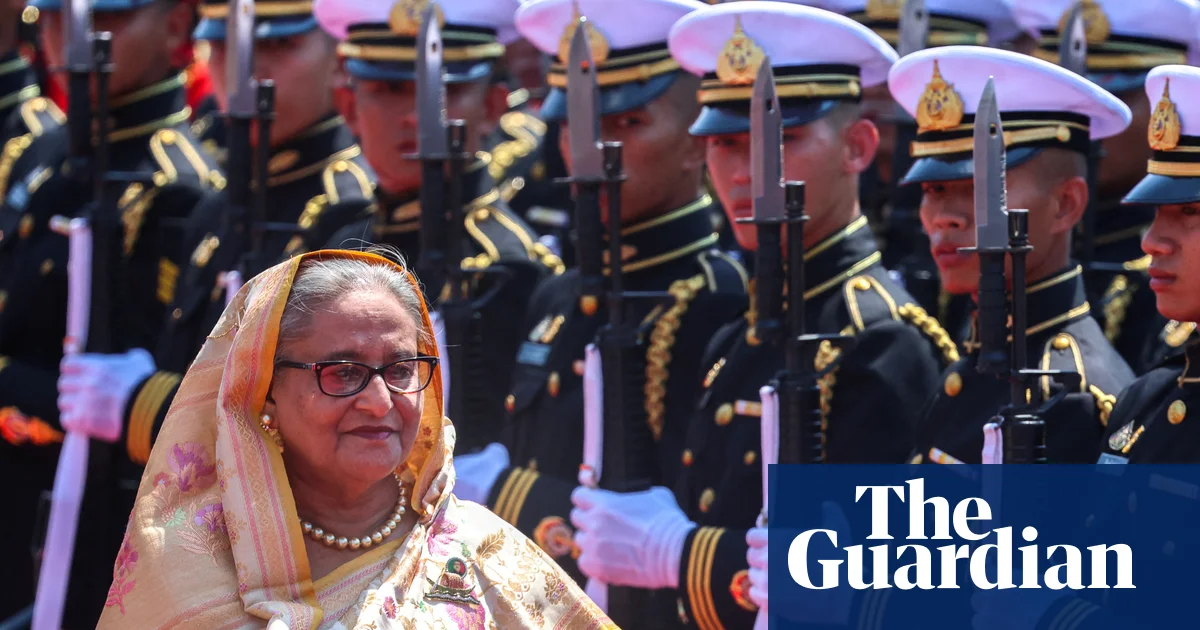
The recent sentencing of Bangladesh’s former prime minister Sheikh Hasina to death in absentia has sent shockwaves across the global geopolitical landscape. Convicted by a Dhaka tribunal for crimes against humanity related to a brutal crackdown on student-led protests, this verdict underscores a turbulent chapter in the nation’s ongoing struggle with authoritarianism and political instability. As international institutions and human rights organizations weigh in, the case exemplifies a broader shift in how emerging democracies are navigating the preservation of justice amid internal conflicts and external pressures.

  • The tribunal accused Hasina of incitement, ordering executions, and negligence—charges rooted in her alleged direct involvement in a deadly crackdown that left up to 1,400 dead during a year-long uprising.
  • Despite her vehement denial, claiming the proceedings as a “politically motivated charade,” the verdict has ignited fierce reactions, including nationwide protests and heightened security alerts in Dhaka.
  • Her exile in India and the refusal of extradition by New Delhi reflect the complex, multi-layered geopolitics at play, where regional alliances influence justice and accountability.

From the perspective of global analysts, this case reveals a pattern of rising authoritarian tendencies cloaked under the guise of judicial reform. Historians warn that such politically charged trials risk destabilizing fragile democracies, especially when the judicial process is perceived as a tool for political retribution. The United Nations has expressed concern over the death penalty, emphasizing that international standards demand fair trials and judicial transparency. Yet, the tribunal’s transparency—broadcast live and scrutinized by observers—has not assuaged critics who see the proceedings as a spectacle designed to eliminate political rivals rather than deliver justice.

In the wider geopolitical context, India’s role remains ambiguous. While claiming neutrality, New Delhi’s refusal to extradite Hasina underscores its strategic calculus—balancing regional stability against Islamabad’s interest in destabilizing Bangladesh through influence over opposition factions. Consequently, neighboring countries are closely watching the unfolding political storm, with many fearing that escalation could destabilize the region further. With China and the United States weighing competing interests, Bangladesh finds itself caught in a geopolitical tug-of-war that could have ripple effects across South Asia and beyond.

The verdict also reaches into the societal realm, stirring deep wounds among families of the slain protesters. For many, including Golam Rahman, whose son Nafis was shot during the crackdown, justice is a long-awaited step towards catharsis. Yet, the pensive shadows of repression remain, with critics warning that a harsh, punitive crackdown might suppress dissent temporarily but exacerbate long-term instability. The upcoming election, now stripped of most opposition parties, will be a litmus test of Bangladesh’s political future—whether it will drift further into authoritarianism or attempt genuine reform amidst swirling chaos.

As Hasina’s supporters and critics ultimately face at the crossroads of history, the global community remains vigilant. The unfolding story of Bangladesh is emblematic of a world where rising nationalism, regional rivalries, and internal strife threaten to rewrite the narrative of democracy and justice. In this moment of palpable tension, it is clear that the repercussions of this verdict—whether a step towards justice or a catalyst for further turmoil—will resonate far beyond the boundaries of Dhaka, shaping the course of history in South Asia and challenging the foundations of international law itself. Only time will reveal whether Bangladesh’s future will be molded by the rule of law or the relentless tides of political upheaval, as a nation stands on the precipice of its own destiny, teetering between the shadows of oppression and the hope for lasting change.

Bella Culley's Georgia Drug Smuggling Sentence Cut to 2 Years
Bella Culley’s Georgia Drug Smuggling Sentence Cut to 2 Years

In a case that captures the attention of the international community, the trial of Bella Culley, a 19-year-old British national, underscores the complex and often controversial legal and geopolitical realities facing nations like Georgia. The recent plea bargain—where Culley’s family transferred a monumental £137,000 to reduce her potential sentence—spotlights not only the individual tragedy but also how deeply international relationships are intertwined with the country’s harsh stance on drugs. As Georgia enforces some of the world’s toughest drug laws—resolving over 90% of such crimes through plea bargaining—the case raises critical questions about sovereignty, justice, and the influence of foreign powers.

This incident is more than a simple criminal case; it embodies how nations assert sovereignty through strict law enforcement. Georgia, transitioning from a Soviet republic to an independent nation, has made a deliberate choice to adopt uncompromising drug policies. Experts like international legal analysts claim that such rigidity is rooted in both societal values and the geopolitical need to project strength in the region. The fact that Culley’s family opted to pay a sizeable sum to shorten her sentence underlines the power struggle between legal sovereignty and foreign influence. Historically, Western critics have condemned Georgia’s drug laws, yet they often overlook the government’s intent to establish a zero-tolerance stance as part of its broader strategy to affirm independence and resist external pressures.

The geopolitical impact of such cases extends beyond individual outcomes. As <Georgia’s government emphasizes strict law enforcement, it simultaneously sends a message to Russia, China, and even Western powers: that it remains committed to establishing a sovereign legal order, unbowed by external influences. Some analysts warn that this approach could intensify regional tensions, especially amid ongoing conflicts and the shifting alliances of the Black Sea and Caucasus regions. International organizations like the United Nations and European Union have offered varied responses—some advocating for diplomatic negotiations, others warning of potential human rights abuses. The case also raises questions about the societal impacts within Georgia—not least whether the country’s aggressive stance on drugs fosters an environment of fear rather than reform.

As history continues to unfold in these shadowy legal corridors, the case of Bella Culley becomes a symbol of the broader geopolitical chess game. With her pregnant condition adding a layer of humanitarian concern, her fate is intertwined with how Georgia balances justice, sovereignty, and international diplomacy. The story warns us that each decision made within these courts contributes to a larger narrative—where the struggle for national independence often manifests in the severity of law, and where the weight of history is poised to tip the scales of justice in ways that will resonate across borders for generations to come.

Teacher who fatally stabbed student gets life sentence, justice served

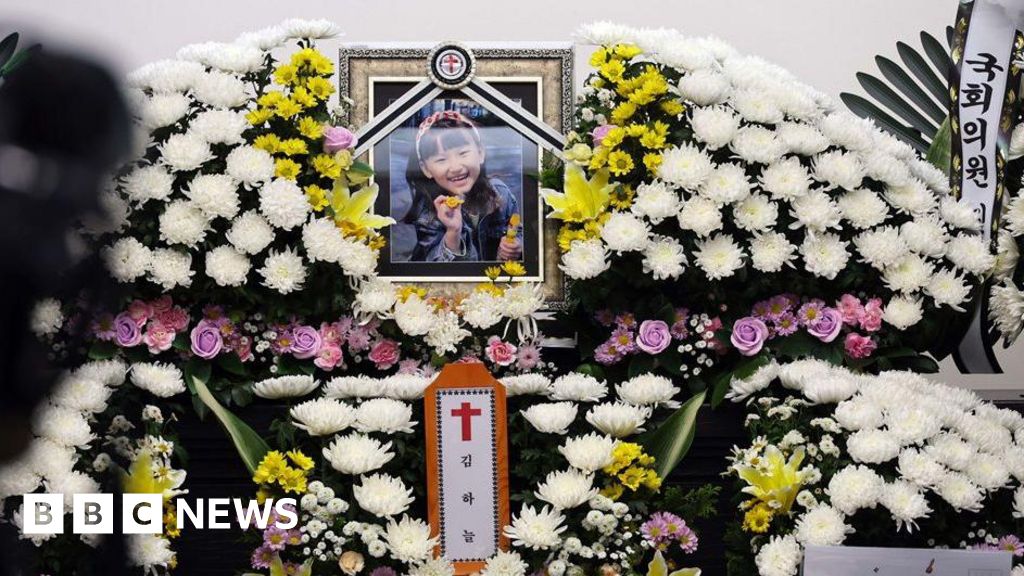
The recent tragic case in South Korea involving a teacher fatally stabbing an eight-year-old girl has sent shockwaves through the nation and reverberates across the international community. Myeong Jae-wan, a 48-year-old educator in the city of Daejeon, was sentenced to life imprisonment after a brutal attack that exposed vulnerabilities in the country’s educational and mental health systems. Such a disturbing incident underscores ongoing concerns about how institutions are failing to safeguard the most vulnerable—children—from internal threats and unaddressed mental health issues.

This case has sharply distinguished itself, not only because of the heinous act but also because of the broader geopolitical impact it carries. Analysts note that South Korea’s leadership faces mounting pressure to implement more rigorous safeguards within schools nationwide, emphasizing the necessity for improved mental health resources and security protocols. These measures are seen as vital in preventing similar tragedies and restoring public trust in education systems that are often heralded as models of discipline and societal progress. International organizations, including the United Nations, have long called for comprehensive child protection policies, but incidents like this illuminate the ongoing gaps even in developed nations.

The case also highlights how decisions made at the institutional and legislative levels directly shape societal safety and public perception. The court’s decision to sentence Myeong to life, rather than pursuing the death penalty, points to South Korea’s evolving judicial stance on sentences for offenders with related mental health conditions—a subject debated fiercely among legal scholars and human rights advocates. Meanwhile, Myeong’s own acknowledgment of her mental health struggles, coupled with her return to work shortly after a leave of absence, raises critical questions about the adequacy of mental health assessments and intervention strategies being in place within the educational sector. The case’s detailed conduct, including violent prior behavior and her plan to kill herself, reveals an urgent need for early detection and intervention strategies in high-stress environments like schools.

In response, South Korean authorities have called for stronger safety measures, including the mandatory wear of electronic monitoring devices for violent offenders, extending up to 30 years. The aftermath of the tragedy has also prompted renewed debates about the role of mental health support systems and school safety protocols—a clear reminder that the stability of a nation’s institutions intimately connects to the well-being of its citizens. Historians and analysts warn that the lessons learned from this incident could define the country’s future policies, serving as a stark milestone in the ongoing struggle against internal threats to societal safety. As the nation mourns yet strives to learn, the weight of history reminds us that security is never static—only as strong as the preparations and precautions we put in place.

Ultimately, the case leaves a haunting question lingering in the air: What are the true costs of neglecting mental health and institutional security? As South Korea struggles to rebuild trust and implement meaningful reform, the world watches closely. In the shadow of this tragedy, one thing remains painfully clear—the fight to protect lives is ongoing, and in the unfolding pages of history, the next chapter is yet to be written by those brave enough to face its consequences.

Trump Reveals Commutation of George Santos’s Federal Fraud Sentence

The recent decision by Donald Trump to commute the sentence of George Santos, the disgraced former New York representative, marks a significant moment in American political theatre with far-reaching geopolitical implications. Santos, once considered an up-and-coming star within the Republican Party, was sentenced to over seven years in prison following charges of wire fraud and identity theft—crimes that not only tarnished his personal reputation but also cast a shadow over the integrity of American governance. Trump’s intervention, announced via social media, underscores a long-standing pattern of political clemency that blurs the lines between justice and partisanship, and inevitably influences international perceptions of American law and order.

Notably, such pardons and commutations reach beyond American borders, signaling to allies and adversaries alike that the United States remains a nation where political loyalty can sometimes supersede the rule of law. Ensuing discussions among military strategists, international lawmakers, and historians emphasize how decisions within the American judiciary and executive branches ripple outward, shaping global perceptions of stability and fairness. Similar actions in the recent past—such as Trump’s pardons of other controversial figures like former Congressman Michael Grimm and Connecticut Governor John Rowland—are indicative of a broader pattern that raises questions about the rule of law’s resilience amid political tumult.

Meanwhile, the international community closely monitors these developments, understanding that trust in democratic institutions forms the bedrock of global geopolitics. Analysts from institutions like the International Crisis Group warn that such unilateral acts of clemency can be exploited by authoritarian regimes to justify their own abuses of power. The case of Santos, with its diplomatic echoes, reinforces a narrative that the United States remains a nation grappling with internal divisions—divisions that can either be healed or exploited in the ongoing contest for global influence. As historians note, these moments are pivotal; they serve as both mirror and magnifier of internal societal struggles with corruption, transparency, and justice.

In the broader scope, how the U.S. handles political scandals and clemencies significantly influences regional stability, especially in an era defined by shifting alliances and competing superpowers. While China and Russia observe with calculated interest, Western democracies watch with a mixture of concern and anticipation. The unfolding saga of Trump’s latest clemency decisions exemplifies how internal political decisions can become a battleground for international prestige and influence, setting precedents that shape the future of global diplomacy. As history continues to writ itself with every decision, the weight of these moments will echo through the halls of power for decades to come. The story of Santos, Trump, and their interconnected fates is far from over; it’s a testament to a nation still wrestling with its identity, and a reminder that history’s final judgment is yet to be written.

Social Media Auto Publish Powered By : XYZScripts.com