Matox News

Truth Over Trends, always!

Serbia and Jared Kushner’s firm push quick deal to develop protected Belgrade site

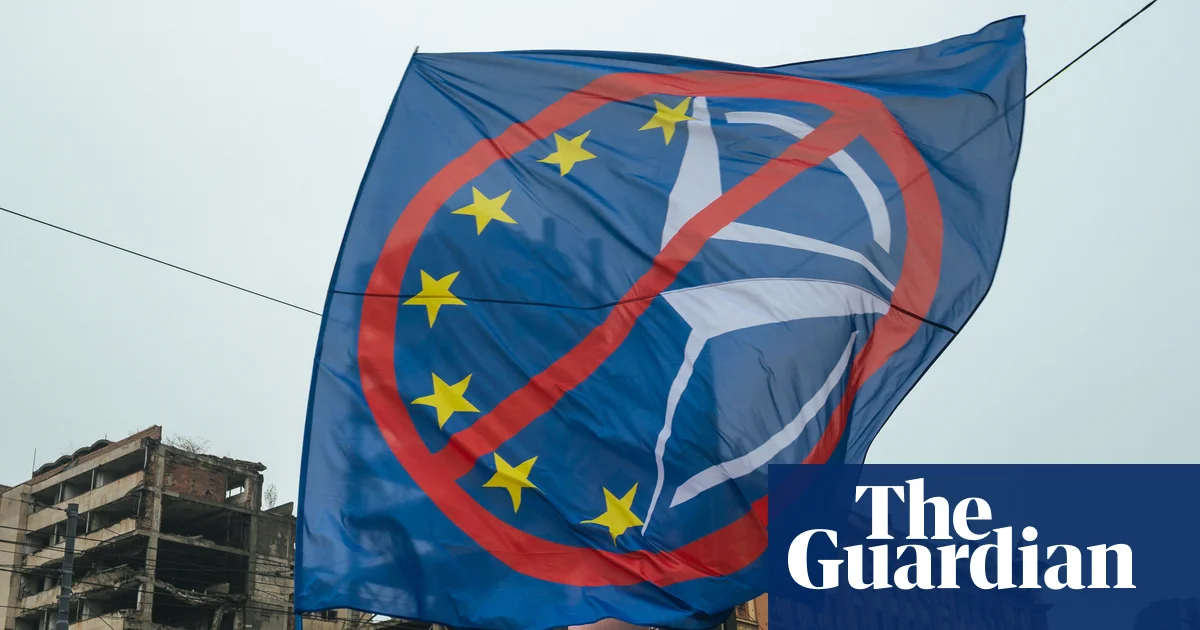
In an unfolding chapter of Eastern European geopolitics, Serbia is quietly but decisively charting a course that could reshape its alliances and domestic landscape. Recent revelations underscore a calculated move by the Serbian government to partner with Atlantic Incubation Partners LLC, a property development firm led by Jared Kushner, Donald Trump’s son-in-law. This joint venture centers on redeveloping a historically and culturally significant site—the former headquarters of the Serbian armed forces in Belgrade—damaged during the NATO bombing in 1999. Despite protests and local resistance, the government passed a groundbreaking law in Parliament, fast-tracking the project and bypassing traditional regulatory hurdles that once halted plans to demolish the site.

This clandestine yet decisive move has horizons far beyond local real estate. Analysts highlight how this alignment signals a broader strategic pivot by Serbia, seeking to deepen ties with the United States amidst tense relations with Russia. The agreement’s stipulations—such as the land lease extending over 99 years and the potential for full ownership—imply not just a commercial agreement but a diplomatic overture, emphasizing Serbia’s intent to recalibrate its geopolitical orientation. Such a shift risks upsetting the delicate balance in the Balkans, where history and ethnic divisions have long kept sway over regional stability. The decision to demolish a protected cultural site, along with the controversial hastening of development, paints a picture of a nation balancing modern economic imperatives with the shadows of its turbulent past.

Meanwhile, international organizations and domestic critics have voiced concern. Historians and activists warn that cutting cultural protections—especially for a site linked to Serbia’s modernist heritage and its wartime trauma—sets a dangerous precedent. The move aligns with broader efforts by President Aleksandar Vučić’s administration to curry favor with Western allies, particularly after sanctions on Serbia’s oil company, NIS, linked to Russia’s Gazprom. These sanctions have caused disruptions in energy supplies, pressing Serbia into a strategic dilemma: align more closely with Western interests or risk entrenching reliance on Russian energy. The Serbian government’s recent threats to suppress independent media, including outlets like N1 and Radio Free Europe, further underscore a push towards controlling domestic narratives and stifling dissent—a move that foreign observers warn threatens the democratic fabric of the nation.

As protests flare and societal tensions mount, the question remains: how will Serbia’s decisions today shape its future? The move to privatize a significant cultural and historical site under the guise of a “project of importance” echoes a pattern seen in other regions—where economic development is used as a tool to cement political alliances, often at the expense of national heritage and sovereignty. The international community watches with cautious anticipation, with voices from Europe and beyond warning of the long-term repercussions. The unfolding story of Belgrade’s skyline—destined to be transformed by foreign interests—becomes a symbol of a nation at a crossroads. The stakes are high, and the pages of history are turning with relentless momentum, leaving future generations to grapple with the legacy forged today.
Serbia Approves Controversial Trump-Linked Development Plan

In a move that underscores the shifting sands of geopolitical influence, Serbia has recently passed legislation facilitating a controversial property development led by Jared Kushner, President Donald Trump’s son-in-law and head of Affinity Partners. This decision marks a significant pivot in Serbia’s domestic and international stance, as the government authorizes the transformation of a site imbued with historical symbolism—the former Yugoslav Army headquarters bombed during NATO’s 1999 intervention—into a luxury hotel and residential complex. Such developments are not merely economic in scope but resonate deeply within the societal fabric, touching on national identity, remembrance, and regional sovereignty.

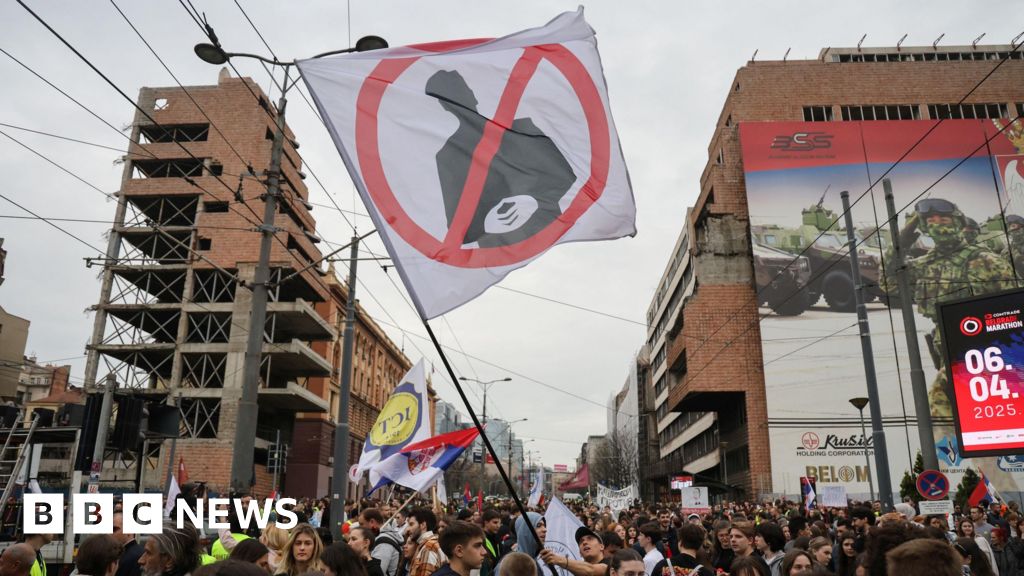
The move has sparked fierce domestic protests and legal battles, illustrating the contentious nature of foreign-led developments transforming local landscapes. Critics within Serbia have condemned the legislation for undermining national heritage and violating constitutional principles, with opposition figures warning that the site will be replaced by casinos and frivolous entertainment. Meanwhile, the decision to strip the building’s protected status and lease it for 99 years to Kushner’s firm has intensified longstanding concerns about transparency, with investigations probing potential forgery of documentation used to facilitate this legal overhaul. The scenario exemplifies how internal political calculations intertwine with international diplomatic pursuits, culminating in a palpable tension that echoes far beyond Belgrade’s borders.

On the international stage, Serbia‘s strategic dance between Washington and Moscow is becoming increasingly delicate. While Vucic’s government seeks to bolster relations with the United States—evident in the professed desire to ‘overcome the burden from 1999’—it also maintains ties with Russia, especially in the spheres of energy and security. The decision to prioritize American investment, seemingly at the expense of historical memory, could have far-reaching consequences, threatening regional stability and complicating Serbia’s aspirations for broader European integration. Analysts warn that this development could ignite local opposition and possibly alienate Serbia’s traditional allies, setting the stage for a more polarized geopolitical environment.

As international observers and historians scrutinize the unfolding events, one thing remains clear: the decisions made today will shape the policies, identities, and allegiances of generations to come. With each passing moment, the legacy of the 1999 NATO intervention—once a symbol of international military intervention—transforms into a symbol of sovereignty challenges, economic shifts, and geopolitical contestation. The narrative of Serbia is still being written, and its next chapter will be dictated not only by its leaders but by the relentless undercurrents of history that choose to reveal or conceal the truth behind its rapidly evolving landscape.

A Year On, Serbia Still Reeling from Train Station Tragedy

Serbia’s Tragedy and the Political Wake-Up Call to the World

In the heart of Europe, Serbia faces a profound moment of reckoning as the aftermath of the Novi Sad railway station disaster has ignited a wave of public outrage. A year after the catastrophic collapse of a concrete canopy claimed 16 lives—ranging from children as young as six to seniors aged 77—the nation witnesses a collective mourning that has transitioned into a powerful political statement. This tragedy, which emerged under the auspices of President Aleksandar Vučić‘s government, has cast a long shadow over Serbia’s development ambitions, exposing the deep-rooted issues of corruption, negligence, and cronyism.

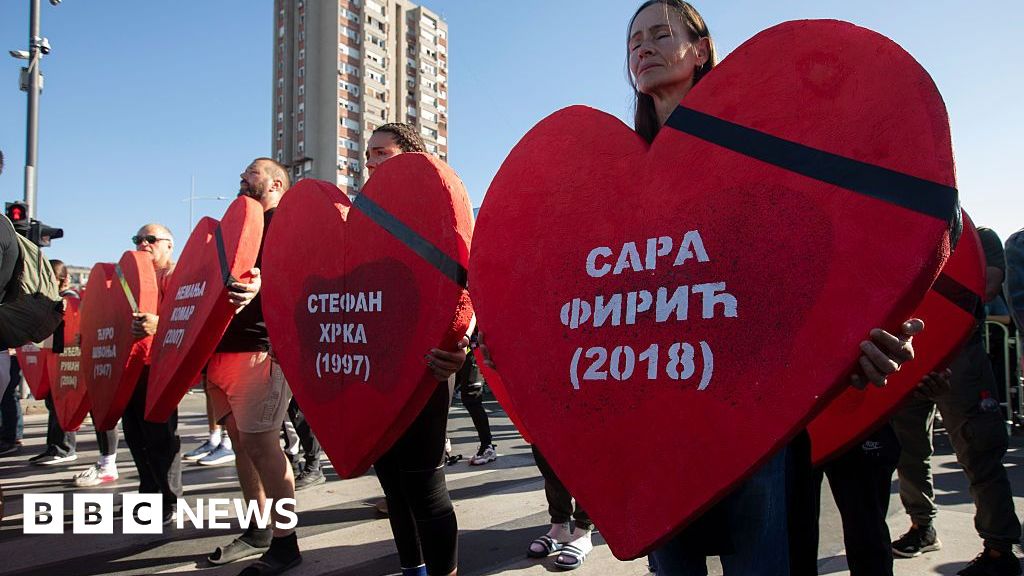
Upholding the memory of the victims and condemning the government’s failure, tens of thousands gathered at Novi Sad’s station to participate in silent homage—precisely one minute per life lost. Their grief was palpable, with families crying and supporters physically supporting women, as the nation grappled with the stark reality of how infrastructure projects, hailed as symbols of progress, had succumbed to deadly lapses in safety standards. Analysts from the International Crisis Group warn that such disasters underscore how corruption may have infiltrated Serbia’s public works, impairing essential safety protocols and endangering ordinary citizens. The incident has become a catalyst for widespread protests, accusing authorities of covering up systemic flaws that threaten the fabric of Serbian society.

Major internal and international responses have further heightened alerts. The European Parliament has called for full and transparent legal proceedings, emphasizing the importance of accountability in safeguarding public safety standards. Investigations have charged several former officials, including Goran Vesić, the ex-Minister of Transport, and deepened suspicion that the tragedy was a consequence of entrenched corruption. Serbia’s youth are leading the charge with a steadfast demand for institutional reform, independent justice, and a break from the corrupt practices that have marred the nation’s progress. Their protests, unlike the discredited political opposition, have gained widespread trust among ordinary citizens, signaling a generational shift that could redefine the country’s future.

This movement has also rattled the political establishment, with President Vučić’s previously combative rhetoric softening briefly, as he issued a rare public apology for his harsh language toward protesters. Yet, the deep wounds remain, and the discourse of “color revolutions”—a term once associated with Western-backed regimes—lingers ominously over the protests. The youth-led movement seeks the formation of a technocratic government, pushing for elections that would restore faith in Serbia’s institutions and root out corruption at its core. How this unfolding story will shape not just Serbia’s domestic policy but also its international relations remains a pivotal question for global observers.

As history continues to unfold at Novi Sad, the collective memory of the victims acts as a stark reminder of the stakes involved. The decisions taken today by Serbia’s leaders—whether rooted in transparency, integrity, or heedless power—will determine the trajectory of a nation wrestling with its past and forging its future. The world watches as a new generation demands justice and honesty, their voices echoing across the corridors of power, warning that history’s pen is yet to be finished. Will Serbia emerge from this tragedy stronger, more transparent, and committed to genuine progress? Or will it succumb to the entrenched corruption that has so often shadowed its path? The answer lies in the unfolding narrative of a nation at a crossroads, where each decision could mark a new chapter—one written in the blood of the fallen, and in the hope of those determined to rebuild a broken trust.

Social Media Auto Publish Powered By : XYZScripts.com



