
Matox News

Truth Over Trends, always!

BBC reveals Epstein’s UK flights included alleged British abuse victims—justice must be served.

In a development that underscores the persistent shadows cast by Jeffrey Epstein‘s murky international activities, a BBC investigation has revealed over 87 flights linked to the disgraced sex offender arriving in and departing from UK airports spanning nearly three decades. These revelations expose the shocking extent of Epstein’s entanglement with Britain, exposing how a man convicted of soliciting sex from minors was able to traverse borders with apparent impunity—raising serious questions about the integrity of international oversight and the efficacy of UK immigration policies.

Despite Epstein’s death in 2019, the emerging flight logs and documents suggest a disturbing pattern of ongoing activity well after his 2008 conviction. The fact that at least 15 flights occurred after the conviction, when Epstein was registered as a sex offender in the US, signifies glaring lapses in border security and potentially, a network of enablers within Britain. American lawyers representing his victims have criticized UK authorities for failing to launch a comprehensive investigation, emphasizing that the UK was a “centerpiece” of his operations. Analysts warn that this oversight not only hampers justice for victims but also signals a broader failure to recognize the danger posed by international traffickers—an issue the US and Britain must confront collectively, lest similar tragedies occur in the shadows again.

Furthermore, the involvement of British women in Epstein’s flights, including testimonies from survivors like Kate, exposes the depth of complicity that could have been overlooked or deliberately ignored. According to legal experts like Prof Bridgette Carr, trafficking cases often involve complex networks of professionals—from accountants to legal advisors—working in concert to facilitate these heinous crimes. The inability or unwillingness of UK police to pursue further inquiries, despite internal reviews, underscores a critical failure in safeguarding vulnerable populations. As historians and critics argue, these missed opportunities for justice could be remembered as one of Britain’s darker chapters—an era when the machinery of justice failed its victims, allowing predators to operate across borders with little accountability.

The geopolitical impact of Epstein’s UK connections extends beyond crime. It raises profound concerns about how international decisions influence societal fabric. Epstein’s trips to royal residences, and his frequent movements through London’s Heathrow and other airports, reveal the vulnerabilities in border policies—especially when short-term visa rules allowed US citizens with criminal convictions to slip under the radar. The U.S. authorities’ refusal to declassify Epstein-related files, despite the Jeffrey Epstein Transparency Act deadline, fuels suspicion that powerful interests may have concealed—either purposefully or inadvertently—links between Epstein and influential global figures. These revelations threaten to tarnish foreign relations, undermining Britain’s claim to moral authority on human rights and prosecution of sex crimes.

As the international community watches, the questions remain: who else was complicit? How many victims’ voices have been silenced by bureaucratic apathy or international diplomatic complicity? The unfolding story is not just about a single pervert’s depravity but a warning—an ominous reminder that the fabric of justice and sovereignty is fragile, especially when overshadowed by influence peddling and diplomatic interference. The tapestries of history are still being woven, and the next chapter remains unwritten. Will protocol and vigilance finally catch up with the dark corners of prescriptive diplomacy, or will the shadows of Epstein’s empire continue to cast a pall over global society, leaving generations to wonder what might have been saved, had they acted sooner?
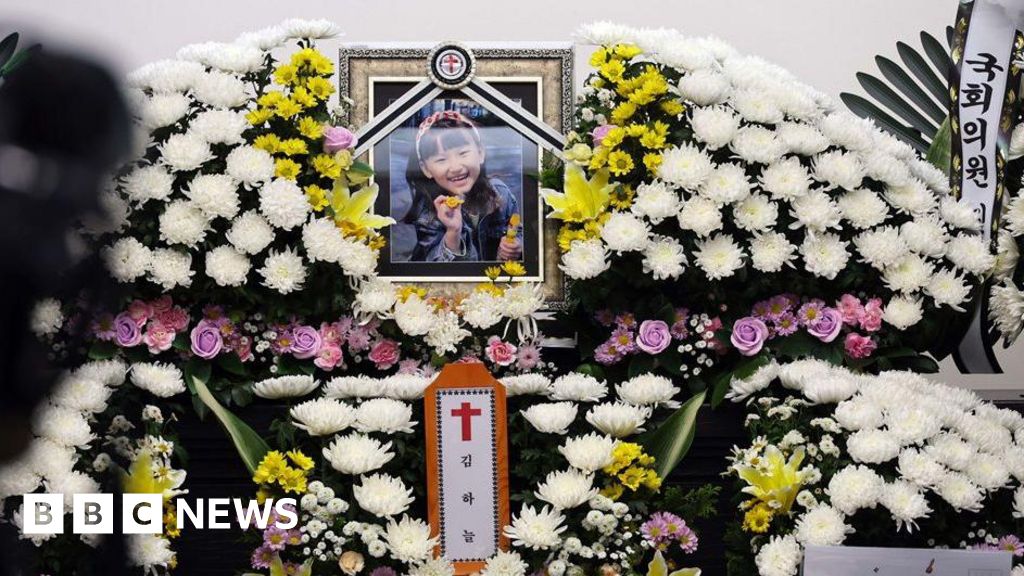
Teacher who fatally stabbed student gets life sentence, justice served

The recent tragic case in South Korea involving a teacher fatally stabbing an eight-year-old girl has sent shockwaves through the nation and reverberates across the international community. Myeong Jae-wan, a 48-year-old educator in the city of Daejeon, was sentenced to life imprisonment after a brutal attack that exposed vulnerabilities in the country’s educational and mental health systems. Such a disturbing incident underscores ongoing concerns about how institutions are failing to safeguard the most vulnerable—children—from internal threats and unaddressed mental health issues.

This case has sharply distinguished itself, not only because of the heinous act but also because of the broader geopolitical impact it carries. Analysts note that South Korea’s leadership faces mounting pressure to implement more rigorous safeguards within schools nationwide, emphasizing the necessity for improved mental health resources and security protocols. These measures are seen as vital in preventing similar tragedies and restoring public trust in education systems that are often heralded as models of discipline and societal progress. International organizations, including the United Nations, have long called for comprehensive child protection policies, but incidents like this illuminate the ongoing gaps even in developed nations.

The case also highlights how decisions made at the institutional and legislative levels directly shape societal safety and public perception. The court’s decision to sentence Myeong to life, rather than pursuing the death penalty, points to South Korea’s evolving judicial stance on sentences for offenders with related mental health conditions—a subject debated fiercely among legal scholars and human rights advocates. Meanwhile, Myeong’s own acknowledgment of her mental health struggles, coupled with her return to work shortly after a leave of absence, raises critical questions about the adequacy of mental health assessments and intervention strategies being in place within the educational sector. The case’s detailed conduct, including violent prior behavior and her plan to kill herself, reveals an urgent need for early detection and intervention strategies in high-stress environments like schools.

In response, South Korean authorities have called for stronger safety measures, including the mandatory wear of electronic monitoring devices for violent offenders, extending up to 30 years. The aftermath of the tragedy has also prompted renewed debates about the role of mental health support systems and school safety protocols—a clear reminder that the stability of a nation’s institutions intimately connects to the well-being of its citizens. Historians and analysts warn that the lessons learned from this incident could define the country’s future policies, serving as a stark milestone in the ongoing struggle against internal threats to societal safety. As the nation mourns yet strives to learn, the weight of history reminds us that security is never static—only as strong as the preparations and precautions we put in place.

Ultimately, the case leaves a haunting question lingering in the air: What are the true costs of neglecting mental health and institutional security? As South Korea struggles to rebuild trust and implement meaningful reform, the world watches closely. In the shadow of this tragedy, one thing remains painfully clear—the fight to protect lives is ongoing, and in the unfolding pages of history, the next chapter is yet to be written by those brave enough to face its consequences.

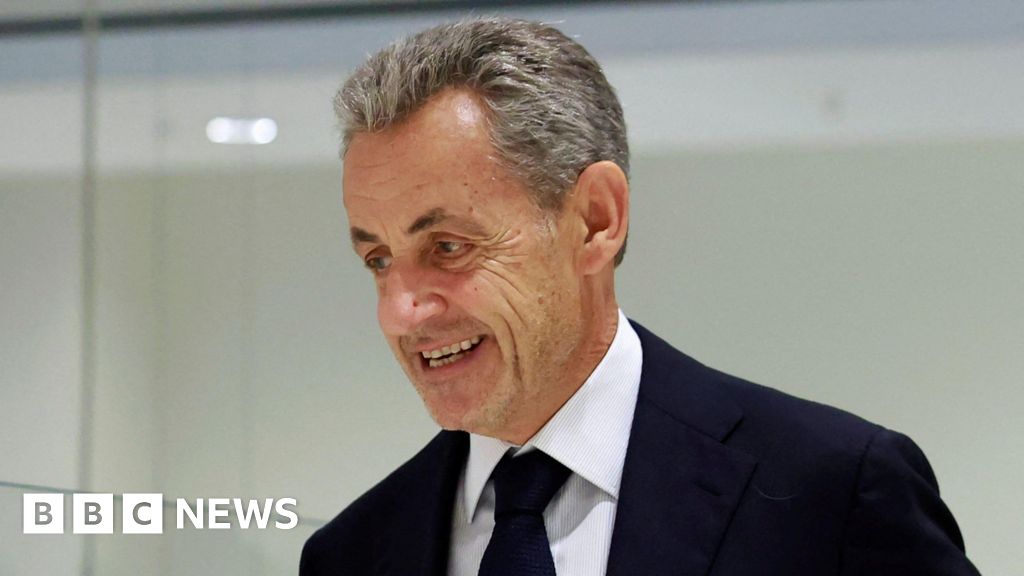
Sarkozy Convicted of Criminal Conspiracy: Justice Served for Our Country

In an unprecedented turn of events, former French President Nicolas Sarkozy has been found guilty of criminal conspiracy in connection with illicit funds received from the late Libyan leader Muammar Gaddafi. This verdict, delivered by the Paris criminal court, marks a significant milestone in France’s ongoing effort to address the shadows of political corruption that cast a long pall over its recent history. The case, rooted in allegations that Sarkozy used Libyan money to finance his 2007 presidential campaign—an accusation he strongly denies as politically motivated—has reverberated through Europe, prompting questions about accountability at the highest levels of governance.

Historians and international analysts point out that this development underscores the delicate balance of power between national sovereignty and international influence, especially in the context of foreign interference and clandestine geopolitical maneuvers. The European Union and various global watchdogs have long debated the influence of foreign regimes on Western democracies, but Sarkozy’s case exemplifies how such interference can directly threaten the integrity of the political process. While he was acquitted of other charges including passive corruption and illegal campaign financing, the conviction on conspiracy charges signals a shift towards greater scrutiny of foreign influence within Western political spheres.

How decisions made in the aftermath of Libya’s 2011 civil conflict ripple across nations is evident in the broader geopolitical landscape. Gaddafi’s fall and the ensuing chaos created a power vacuum that foreign actors, including France and other Western nations, sought to navigate through clandestine support and diplomatic maneuvers. The revelations that Sarkozy’s campaign may have been secretly financed by Gaddafi’s regime are viewed by many as a cautionary tale about the dangerous entanglements of international diplomacy. The international community—notably organizations such as Interpole and the United Nations—monitor these developments as potential precursors to further destabilization, emphasizing that international law and sovereignty are continually under threat from hidden agendas fueled by illicit financial flows.

As Sarkozy faces potential sentencing, the implications extend beyond individual accountability. The case epitomizes the ongoing struggle to maintain national sovereignty against a backdrop of complex, often covert, international influences. Tensions are mounting as investigations into other political figures and foreign ties continue to unfold across Europe, raising questions about the integrity of democratic institutions. Whispers of global power plays and the influence of state-sponsored clandestine funding highlight the fragility of Western democracies in an era of relentless geopolitical shifts. With this verdict, the stakes are higher than ever—nations must grapple anew with the warning that the foundations of their sovereignty are often vulnerable to unseen forces lurking behind diplomatic facades. Ultimately, history remains on the edge of another chapter in an ongoing saga of power, influence, and the relentless pursuit of truth amid shadows that threaten to reshape the global order.

Social Media Auto Publish Powered By : XYZScripts.com



