Matox News

Truth Over Trends, always!

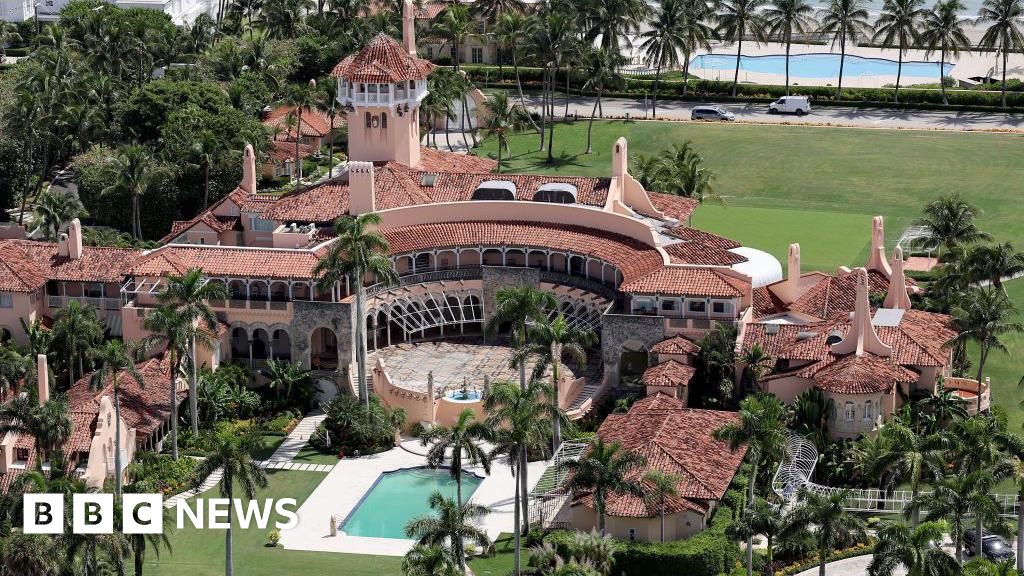
Intruder shot after breaching Mar-a-Lago security, Secret Service confirms

Sudden Violence in Butler Shakes U.S. Political Landscape

The summer of 2024 will be remembered as a pivotal moment in American history, marked by a shocking act of violence targeting former President Donald Trump. On a routine day in July, as he engaged with supporters in Butler, Pennsylvania, an unexpected and tragic event unfolded. A gunman, identified as 20-year-old Matthew Crooks, opened fire, striking Trump in the ear and causing chaos among the gathered crowds. This assault resulted not only in injuries but also in the loss of life, with one bystander killed and two others wounded. The rapid response by security forces, who promptly shot and killed Crooks, prevented further bloodshed, but the incident has ignited both national and international debate about the state of political violence in the United States.

This act of violence underscores tensions that have continued to escalate in the American political arena, reflecting a broader ideological divide that has been inflamed over recent years. Analysts and international commentators warn that such incidents threaten the stability of democratic institutions and portend a future where political violence might become more commonplace. The implications extend beyond US borders, casting a shadow over the global image of America as a beacon of democracy. The ripple effects of this attack could influence international relations, security policies, and the perception of American political resilience, especially as global powers observe how internal strife affects their ideological rivals.

The motivations behind Crooks’ attack remain unknown, but the incident has sparked urgent questions about security protocols, mental health, and the rise of extremist sentiments within the US. Historians and security analysts are already drawing parallels with past political violence, warning that such events might become catalysts for more profound societal upheaval. International organizations such as the United Nations have called for internal stability and a crackdown on extremist narratives that facilitate such violence, emphasizing the risk of deterioration in democratic norms.

From a geopolitical perspective, this violence poses a threat to domestic stability—a core foundation of a nation’s standing in the world. The deliberate targeting of a prominent political figure like Trump exposes vulnerabilities in US security and highlights the need for an urgent reassessment of how political hostility manifests physically. Leaders worldwide observe with concern, knowing that unchecked internal conflict fuels instability, weakening America’s ability to project power and influence globally. As the nation mourns, the question remains: how will this tragedy shape future political discourse and policy in the United States?

History has often recorded moments where a single act of violence ignited broader societal shifts—sometimes for better, sometimes with devastating consequences. As the United States grapples with what this attack signifies, the world watches closely. The harrowing question lingers: will this event fracture the fragile fabric of American democracy or serve as a wake-up call to reinforce its foundations? In the unfolding chapters of history, the answer remains uncertain, yet undeniable: the weight of this moment will linger in the collective memory, reminding us all that the future of nations often hinges on how they confront their darkest hours.

Union Chief Urges Ministers to Drop Foolish Pay Restraints on Civil Service

Challenges Facing Society’s Core Institutions and Families

In an era marked by rapid technological advancement and shifting socio-political landscapes, public institutions stand at a critical juncture. The civil service, tasked with implementing policies that shape everyday life, faces a crisis rooted in underfunding and regulatory undermine. Union leader Mike Clancy has issued a stark warning: if Ministers do not end the misguided restraints on civil service pay, the essential pool of technical and digital specialists will continue to erode. These professionals are the backbone of effective governance, yet low pay and limited career progression threaten to disarm the very institutions designed to serve society. Clancy emphasizes that the government’s outdated approach—such as equating civil service pay at senior levels with that of the Prime Minister—is both “barking mad” and self-sabotaging. Such policies not only hinder recruitment but also compromise the quality of public service that families depend upon for stability and fairness.

The Impact on Education, Environment, and Community Trust

Across the fabric of our communities, resource shortages translate into tangible delays and neglected responsibilities. According to recent reports, agencies like Natural England and the Environment Agency are unable to meet critical deadlines—delays that directly impact families and local environments. For example, over half of planning application responses have missed their targets, primarily due to insufficient staffing and expertise. This is not just a bureaucratic failure; it is a breakdown in the social contract that holds communities accountable and ensures their well-being. As sociologists like Michael Sandel argue, trust in civic institutions is foundational to societal cohesion. When residents see their requests ignored, especially on issues like housing or infrastructure, the consequences deepen social divides and foster cynicism towards authorities meant to protect them.

Underlying Social Tensions and the Need for a Cultural Shift

At the heart of these issues lies a profound cultural shift—one where regulation is misinterpreted as an obstacle rather than a safeguard. Clancy warns against the simplistic view that deregulation and austerity will boost productivity, asserting instead that “regulators are builders, not blockers.” The misallocation of resources and the neglect of institutional capacity threaten to unravel the moral fabric of society, where fairness, opportunity, and progress for families and workers are paramount. The push by some business groups to weaken worker protections, such as the Employment Rights Act, exemplifies how economic interests often overshadow social stability. It highlights a need for a societal narrative that recognizes the importance of equitable pay, strong regulations, and invested public services as pillars of a resilient, forward-looking nation.

In this fragile landscape, the challenge is to balance economic vitality with social justice, ensuring that families are not sacrificed on the altar of deregulation. As historian and social commentator David Hackett Fischer notes, societies flourish when they invest in their human capital; neglecting this investment leads to disillusionment and decline. The path forward demands courage—rejecting right-wing tropes that trivialize the vital role of civil servants, and embracing a vision where communities are active agents, not passive recipients of government policy. Only through such a cultural renaissance can society begin to mend its fractured trust and cultivate a hopeful future where societal resilience is built on fairness, resourcefulness, and shared purpose.

Inside the Future of Taxes: Using H&R Block’s Next-Gen DIY Service (2026)

Disruptive Innovation in Personal Finance: How AI-Driven Tax Services Signal a New Era for Industry Giants

The landscape of personal finance is rapidly transforming, driven by a new wave of artificial intelligence (AI) and automation technologies that threaten to upend traditional tax preparation services. H&R Block, one of the longstanding giants in the industry with over 60,000 tax professionals and 9,000 offices nationwide, has recently debuted its DIY online tax filing platform, harnessing AI-powered chatbots and virtual assistance to streamline the filing process. This move exemplifies the broader industry trend of disruption through innovation, shifting market power toward tech-driven, customer-centric solutions.

This platform not only simplifies the user experience through an intuitive interface and comprehensive document upload features but also integrates AI-driven tools such as Tax Assist and Live Tax Pro Support. These tools empower users to complete returns swiftly—sometimes in as little as one hour—while maintaining the level of accuracy traditionally associated with experienced tax professionals. As analyst Peter Thiel suggests, “The future belongs to those who leverage AI to eliminate inefficiencies and democratize access to expertise“.

  • Cost savings for consumers by eliminating high fees for in-person consultations
  • Increased accessibility for Americans in rural or underserved areas
  • Enhanced data security through digital file uploads and blockchain safeguards

This innovation could potentially erode the market share of conventional firms, forcing a reevaluation of the tax prep business model across the board.

From a business perspective, H&R Block’s embrace of AI reveals an acute awareness of industry shifts. Gartner reports that the adoption of automation in financial services is accelerating, projected to reach over 40% of routine customer interactions by 2025. By integrating customizable tiered plans with early filing discounts—especially around sales periods like Presidents’ Day—the company is leveraging strategic timing and pricing to attract younger, price-sensitive demographics. This shift underscores the pressing need for legacy financial firms to innovate or risk being sidelined by nimble startups and fintech firms that are already harnessing the power of AI, blockchain, and data analytics to optimize user experiences.

However, industry disruptors are not solely limited to traditional players. The emergence of AI-first startups such as TurboTax and TaxAct exemplifies a broader trend of disintermediation and market democratization. These platforms are now incorporating detailed health insurance questions and nuanced deductions, filling gaps left by older services that often overlooked critical specifics like Medicaid COVID-19 coverage, per user reports. As a result, the industry’s larger players will be under increased pressure to not only innovate but also educate consumers about complex tax implications—especially related to health care and deductions.

Looking forward, the next critical phase involves integrating AI with emerging technologies like blockchain, enabling near real-time verification of tax data and offering unprecedented transparency and security. Companies that succeed in weaving these innovations into accessible platforms will capture sizable market shares, redefine customer expectations, and potentially establish new industry standards. As MIT’s latest research emphasizes, the most disruptive companies will be those that harness data-driven insights to offer personalized financial advice at scale. The industry’s future hinges on its ability to settle into this new technological paradigm swiftly. The urgency for legacy firms to adapt and for newcomers to innovate effectively will determine who leads—or falls behind—in this ongoing era of disruption.

Which European nations are beefing up with mandatory or voluntary military service?

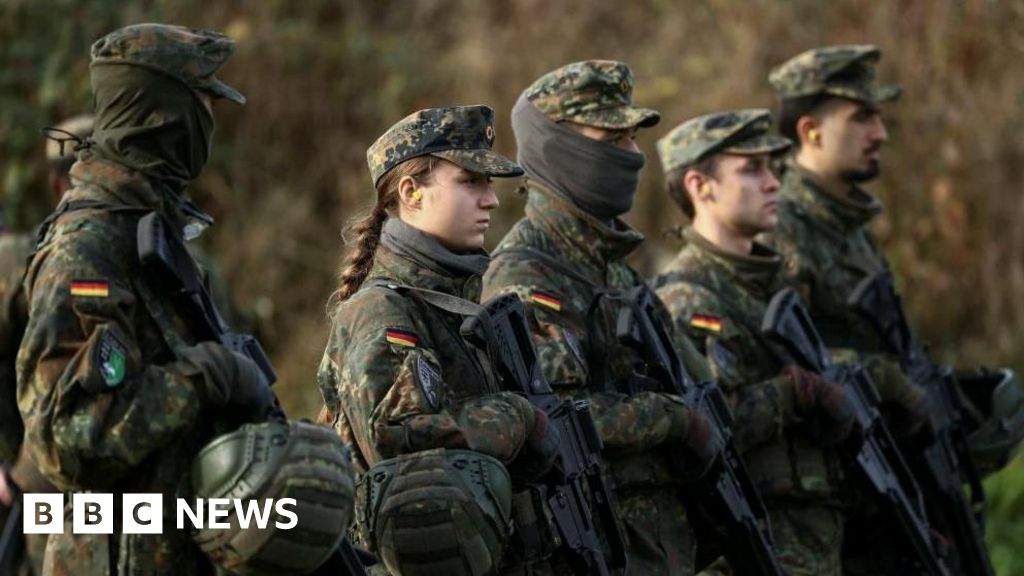
In a clear response to Russia’s full-scale invasion of Ukraine in 2022 and the lingering specter of renewed geopolitical conflict, many of Europe’s NATO member states are recalibrating their military strategies. Across the continent, nations are mobilizing efforts to bolster their armed forces—either by reintroducing conscription, expanding volunteer schemes, or modernizing their professional armies. This surge in military recruitment signifies a fundamental shift in Europe’s defense posture, driven by the perceived threat of Russian aggression and a broader assertion of sovereignty amidst geopolitical instability.

Countries like Germany and France are leading this transformation. Germany has returned to a strategy of voluntary military service, with a legislative move aimed at creating Europe’s “strongest conventional army” by 2035. Parliament has approved a law requiring all 18-year-old men to fill out recruitment questionnaires and undergo medical exams—potentially enabling a future return to compulsory service if circumstances demand. Chancellor Friedrich Merz has articulated a vision of expanding the military from 183,000 to 260,000 active troops, an initiative that has sparked protests among young Germans who fear becoming “cannon fodder.” Historians and defense analysts warn that such militarization, while pragmatic, risks stoking societal divisions and reigniting memories of Europe’s turbulent past.

Meanwhile, France is pioneering a voluntary national service program aimed at attracting the youth—primarily 18- and 19-year-olds—offering €800 per month for 10 months of military training. President Emmanuel Macron emphasized the importance of mobilizing the nation to defend itself, invoking nationalist themes to rally support. This shift reflects a broader European trend: while Norway and Estonia maintain conscription policies, others like Belgium and Poland have launched targeted voluntary schemes to increase their reserve forces. Global institutions such as NATO have voiced cautious optimism, viewing these moves as necessary for collective security, yet critics argue such efforts could exacerbate tensions and escalate regional conflicts.

In the broader context, Turkey continues its longstanding conscription policy, with men aged 20-41 obligated to serve for 6-12 months, reinforcing its military strength as it faces regional security challenges. Meanwhile, Croatia plans to reintroduce conscription next year, mandating two months of military training for young men aged 19 to 29. As Germany and France work towards expanding their armies, other nations like Austria and Switzerland maintain compulsory military duties for their populations—highlighting a continent in flux, balancing traditional conscription with modern volunteerism. The common thread is evident: European nations are actively adjusting their defense doctrines to reflect a new era where the threat landscape remains unpredictable, and the weight of history whispers ominously in the background.

As Europe stands at this crucial juncture, the decisions taken today—whether to conscript or to rely solely on volunteers—will shape societies for generations. The unfolding narrative is more than a matter of military logistics; it is a story intertwined with national identity, sovereignty, and the collective security of freedom itself. In the quiet before the next storm, history watches silently—its pages yet unwritten, its voice echoing with the weight of uncertainty. The continent’s future hinges on choices made now, daring to confront or evade the shadows cast by the past—an enduring testament to the fragile yet resilient fabric of civilization, still awaiting the next chapter of its destiny.

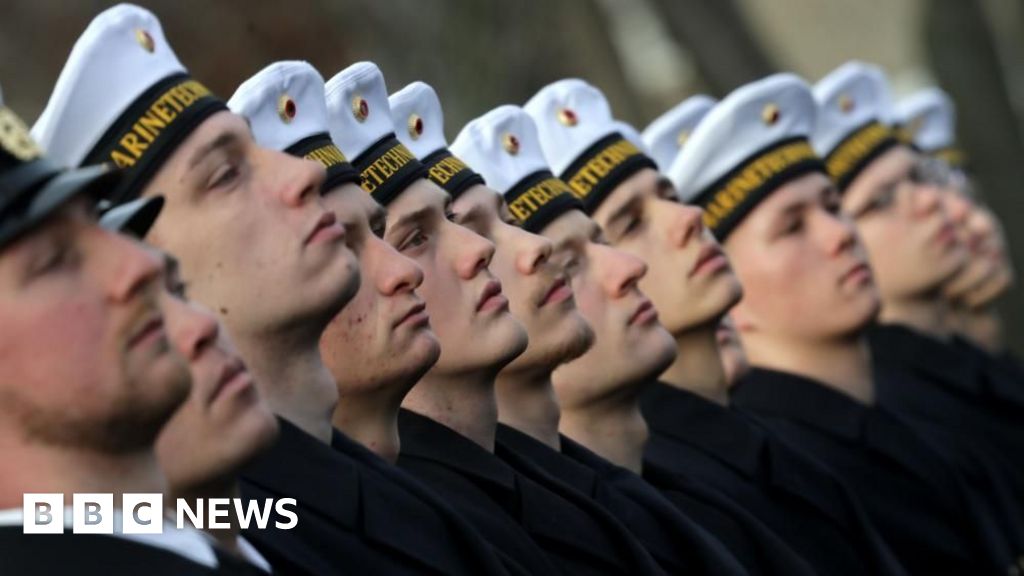
Germany pushes for voluntary military service for 18-year-olds, shaping a stronger future youth force

Germany Revamps Its Military Policy in Response to Rising Geopolitical Tensions

The recent decision by Germany’s Bundestag to introduce voluntary military service marks a pivotal moment in European defense policy. In a close vote of 323 to 272, the German parliament approved the measure, signaling a strategic shift amidst swirling uncertainties stemming from Russia’s full-scale invasion of Ukraine. Chancellor Friedrich Merz has made rebuilding the Bundeswehr into Europe’s strongest conventional army a central goal, aligning himself with a broader NATO push to bolster collective defense capabilities. This decision comes at a time when European nations grapple with existential threats that threaten to reshape the continent’s security landscape.

Historian and defense analysts underscore that this move signifies more than just military expansion; it signals Germany’s acknowledgment of a changed geopolitical reality. Historically, Germany has maintained a pacifist stance since ending compulsory service in 2011, but the current threat environment has compelled a reevaluation. The new policy envisions raising the standing army by 20,000 personnel over the next year and increasing the reserve forces to about 200,000—aiming to meet NATO’s evolving force standards. The decision to implement voluntary service is reportedly designed to maximize recruitment incentives, offering approximately €2,600 per month to volunteers—an attractive proposition in contrast to neighboring France, where volunteers will receive at least €800 monthly.

How Decisions Shape Nations and Societies

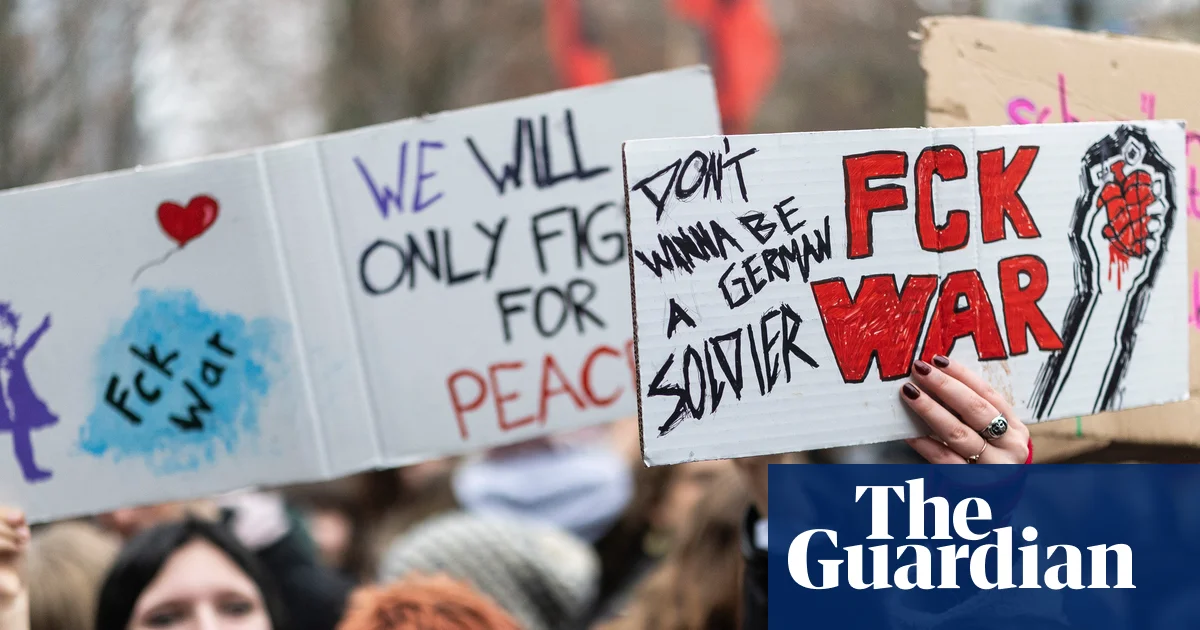
The widespread protests from German youth reflect a significant societal divide about the nation’s renewed militarization. Many young Germans oppose the move, citing personal and moral reservations about military service. As student protests erupt across 90 cities like Hamburg, critics argue that the shift toward militarization risks igniting a generational rift—raising concerns about the long-term societal impact of increased recruitment and training. The protest organizers warn that war offers “no prospects for the future” and could threaten the livelihoods of young Germans already wary of a return to a militarized society, illustrating how **domestic opinion** can influence, and sometimes hinder, strategic national policies.

By aligning with NATO strategies and increasing its defense spending, Germany demonstrates an intent to shift from a peaceful, post-Cold War stance to a more assertive military posture. The move also signals a broader European response, with France recently announcing voluntary military training for 18- and 19-year-olds, emphasizing a continent-wide recognition of the escalating threats from Russia and other geopolitical adversaries. International organizations, such as the European Union and NATO, now watch closely as the policies taken by Berlin unfold, with many analysts warning that these steps could trigger a renewed arms race and further destabilize an already fragile geopolitical order.

The Long Shadow of History and an Uncertain Future

As Germany prepares to reintroduce a form of conscription—initially voluntary, but with the potential for future mandatory service—history looms large. The Cold War army of nearly half a million starkly contrasts with today’s force of 182,000, illustrating decades of demilitarization and peace-oriented policy shifts. Yet, the current trajectory reflects a ©reversal of practice, motivated by concerns that in a crisis, time would be wasted determining who is operationally capable of defending the homeland. It is a stark reminder of how international conflicts can swiftly recalibrate national priorities, transforming internal debates into urgent questions of sovereignty and security.

As the world watches, the weight of history presses heavily on Germany’s shoulders. The nation’s future, now entangled with questions of military readiness, societal values, and international stability, hangs in a delicate balance. Each decision echoes through the corridors of power, shaping the course of Europe’s security architecture. The current moves may be seen as definitive steps towards renewed strength, but they also carry the unpredictable risks of reigniting old conflicts on a continent scarred by war—reminding the global community that in the theater of geopolitics, history’s unfinished story remains perilously open-ended.

Germany approves military service plan after student protests

In a striking demonstration of Germany’s tumultuous geopolitical landscape, the Bundestag recently rubberstamped a contentious new military service model amid fervent protests by youth across the nation. The legislation, which mandates screening all 18-year-old men for military suitability starting January 1, signals a clear shift towards rearmament—an echo of Germany’s Cold War past when conscription was a fundamental aspect of national defense. This move, championed by Defense Minister Boris Pistorius, aims to rebuild the German armed forces to reach a desirable strength of 460,000 personnel—comprising 260,000 active soldiers and 200,000 reservists—replacing the current modest force of approximately 182,000 active soldiers. Yet, this effort faces fierce opposition from a vociferous youth movement and critics warning of the societal and moral costs involved.

Public demonstrations erupted across Germany with students and young activists striking from classes, voicing their opposition to what they see as a dangerous regression towards militaristic nationalism. Alicia, a 17-year-old protester in Berlin’s Kreuzberg district, articulated a sentiment shared by many: “I’m striking against conscription and in opposition to the rearmament that’s taking place, not least because I don’t think the government is doing enough to secure peace through diplomatic means.” These protests mirror a broader undercurrent of skepticism about the government’s shift towards militarism at a time when many see diplomacy and international cooperation as the true pathways to lasting peace. International observers, including analysts from the European Council on Foreign Relations, warn that rearmament risks inflaming regional conflicts and eroding the post-World War II consensus that aimed to *keep Germany as a peaceful, democratic state.*

The decision’s geopolitical impact extends well beyond border disputes or military strength; it’s reshaping Germany’s role within Europe and the wider Atlantic alliance. Critics, such as the left-wing Die Linke, argue that this move undermines Germany’s commitment to peace and risks rekindling a militarized nationalism reminiscent of its dark past. Meanwhile, conservative voices emphasize the need for a prepared and patriotic military force, asserting that the new laws will inspire a sense of national duty among young Germans. Notably, Friedrich Merz of the CDU highlighted the importance of soldiers fighting for their country rather than monetary gain, advocating a “patriotism-driven” military ethos. This debate echoes historically charged tensions about national identity and the morality of military service, with critics pointing out the problematic echoes of Germany’s Nazi-era atrocities—a point often raised by historians warning against the resurgence of militaristic chauvinism.

Simultaneously, the German government is advancing legislation on an array of socio-economic issues, including a controversial pension law aimed at stabilizing an aging society. The legislation was fiercely debated, with young lawmakers raising concerns over demographic shifts and the burden of support placed on future workers. The law’s passage, which maintains state pensions at 48% of wages until 2031 and introduces tax incentives for extended workforce participation, reflects a broader attempt to balance economic sustainability with social security. Yet, opposition from within the coalition underscores fears that such policies merely shift burdens onto the youth, compounding the societal stresses of demographic decline. As the nation’s political landscape shudders under these dual shifts—toward rearmament and social austerity—the true test lies in how Germany’s leadership navigates this turbulent epoch. Will this be a chapter of renewed strength or the ignition of a perilous cycle of militarism and social discord? History continues to unfold, its pages heavy with implications for Europe and the world.

Australia Politics Live: Barnaby Joyce’s Potential Move to One Nation Sparks Buzz; AI 'Nudify' Service Hinders Aussies
Australia Politics Live: Barnaby Joyce’s Potential Move to One Nation Sparks Buzz; AI ‘Nudify’ Service Hinders Aussies

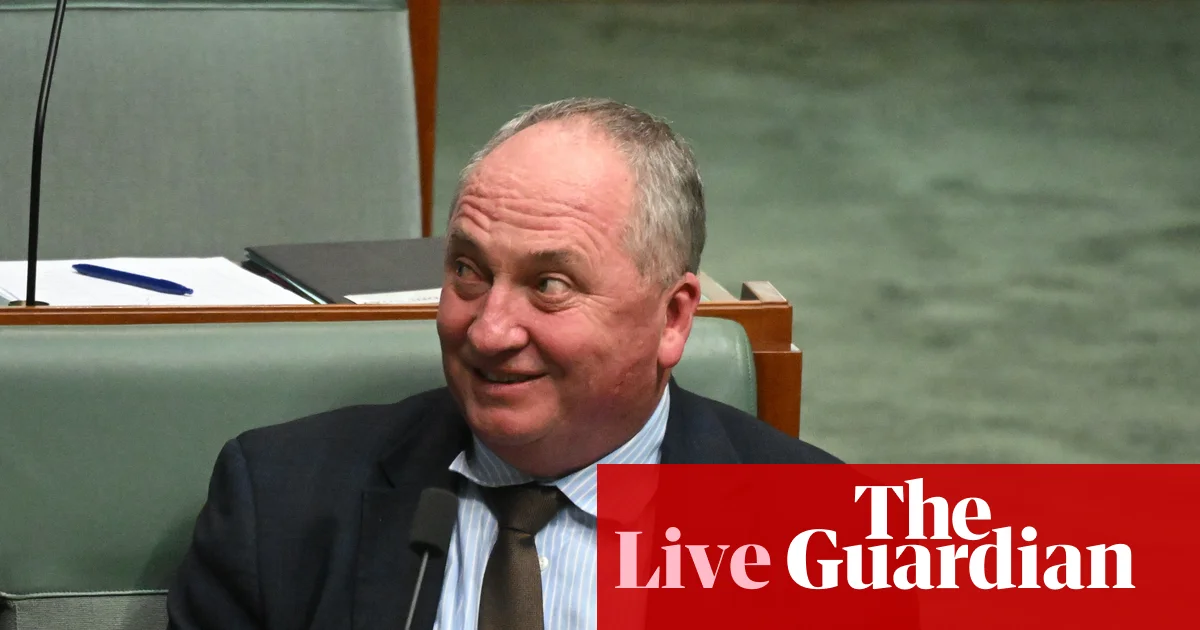
In a striking sequence of recent events, Australia stands at a pivotal crossroads, emblematic of broader global shifts impacting democracies and national sovereignties. The rumblings of political realignments within Australia, notably the potential defection of Barnaby Joyce from the Nationals to One Nation, underscore a period of intense internal dissent and ideological consolidation that could reverberate far beyond Down Under. As veteran analysts warn, such moves threaten to undermine established bipartisan consensus and potentially embolden populist and nationalist currents across the Pacific.

Meanwhile, the international community grapples with a darker shadow cast by the unchecked proliferation of AI-driven abuses. A recent crackdown by UK authorities on a company linked to “nudify” deepfake services illustrates how technological advancements—initially designed for entertainment or benign uses—are now being exploited to generate devastating child exploitation content. This global challenge highlights an urgent need for unified, comprehensive regulation of AI and digital services to prevent further societal harm. According to Australia’s eSafety commissioner, the company Itai Tech has been penalized and blocked from Australian users; a move hailed by advocates as a tangible step in combating online child exploitation. However, critics argue that without coordinated international efforts, such measures are only temporary repairs in a battle that demands systemic reform.

Geopolitical Ramifications ofInternal Political Shifts

The potential defection of Barnaby Joyce signals a substantive shift within Australian politics. Historically, such defections—while not unprecedented—are often precursors to wider realignments that challenge the stability of governing coalitions. Analysts warn that Joyce’s pivot could catalyze a broader realignment of populist sentiment, especially if it gains momentum among conservative voters galvanized by issues like environmental policy and national sovereignty. For the international community, a more fragmented Australian political landscape could slow progress on transnational issues such as climate change, trade, and regional security — crucial concerns given Australia’s strategic position in the Indo-Pacific.

Furthermore, the racial and cultural undertones often associated with One Nation might spark wider societal debates about multiculturalism, national identity, and the future trajectory of Australian values. According to regional security analysts, these internal shifts could impact Australia’s alliances with global powers, notably United States and China, by altering the political landscape and influencing Canberra’s foreign policy stance. Just as European nations face upheaval from populist surges, the Australian political scene’s current turbulence serves as an ominous warning of the fragility of consensus in democracies worldwide.

Technological Evil and International Responsibility

Simultaneously, the rise of AI-related malfeasance emphasizes the complex web of consequences that unchecked technological innovation can entail. The recent UK regulatory action against Itai Tech and the broader efforts by Hugging Face to halt AI model misuse exemplify a new frontier of international concern: digital misconduct transcending borders and aggravating societal vulnerabilities. The generation of child exploitation material via AI deepenfakes is not an isolated phenomenon but part of a disturbing pattern demonstrating how digital policies must evolve in tandem with rapid tech development.

Legal scholars and UN watchdogs warn that if nations do not craft cohesive, enforceable frameworks, the digital realm will remain a Wild West where predators operate with impunity. As Julie Inman Grant remarked, greater international cooperation is essential because, in the cyber age, the fight against abuse and exploitation cannot be restricted by national borders. Failure to act decisively risks ceding control of the digital universe to those who exploit its vulnerabilities for profit and power, condemning future generations to a digital dystopia rooted in societal decay.

The Unfolding Saga of Power and Society

The unfolding saga of political intrigue, technological peril, and societal resilience—encapsulated by Australia’s internal conflicts and the global fight against AI abuse—remains an enduring testament to the turbulent state of world affairs. As historians and international organizations observe with concern, the decisions made in these critical junctures will shape not only national destinies but also the fabric of global civilization. The weight of history presses heavily on the coming days, underscoring that the actions of leaders today are the chapters of tomorrow’s narrative: a story of resilience or ruin, unity or division—an epoch still in the making, with its destiny hanging in fragile balance.

Social Media Auto Publish Powered By : XYZScripts.com