Matox News

Truth Over Trends, always!

Polls open as Trump allies’ threats cast shadow over voting process

Honduras on the Brink: Election Turmoil Amid U.S. Interventions

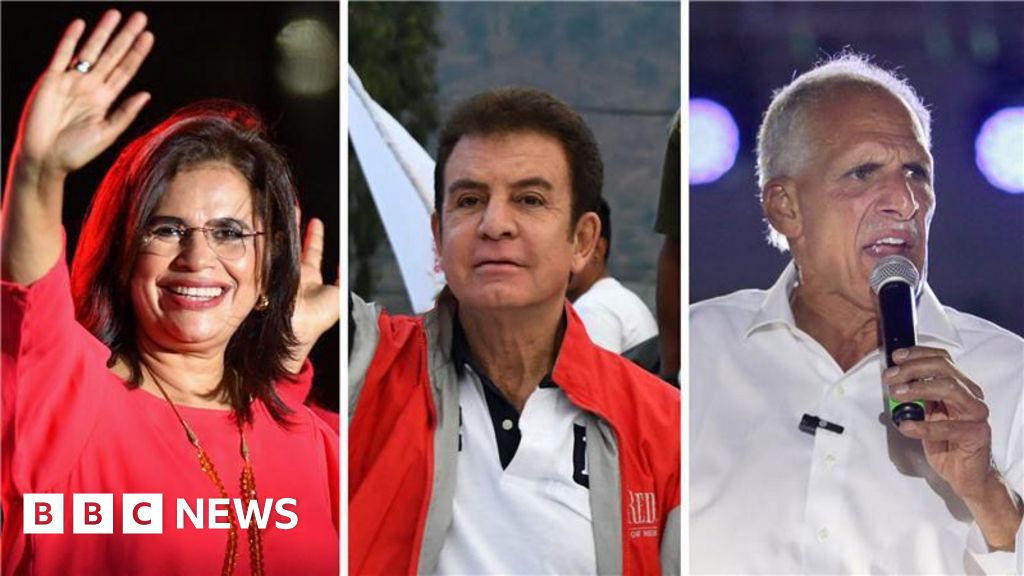
As Honduras approaches its highly contentious general election, the stakes extend far beyond national borders, reflecting the delicate and often volatile nature of regional geopolitics. The contest pits five candidates, with polls currently favoring Salvador Nasralla—a veteran candidate alleging electoral fraud in 2017—yet the atmosphere is overshadowed by external influences, particularly from United States President Donald Trump. Trump’s explicit support for right-wing candidate Nasry “Tito” Asfura, the former mayor of Tegucigalpa, signals a disturbing level of foreign meddling in what is supposed to be a sovereign democratic process. His warning that aid might be withheld depending on the election’s outcome underscores how external actors leverage financial influence to sway the political future of Central America.

The deeply intertwined geopolitical ramifications are evident in the U.S.’s strategy for the region. Despite halving its aid, the U.S. continues to funnel hundreds of millions into Honduras, a stark reminder of how economic resources are weaponized in the broader contest to shape Latin America’s political landscape. Such interventions threaten to undermine the sovereignty and democratic stability of Honduras, with analysts warning that the perceived backing of a candidate can exacerbate existing divisions and fuel unrest. Meanwhile, the Honduran electorate remains disillusioned, with 34% undecided—the poll’s paradoxical statistic illustrates how external pressures and internal fears create a landscape ripe for instability. Historically, such foreign-influenced elections in fragile democracies have often been a prelude to greater turmoil, with scholars like John M. Ackerman warning about the risks of foreign interference disrupting the fragile balance of Latin American politics.

Front-Runners in a Fractured Nation

The political contest is complicated by the recent history of corruption and political scandals. Xiomara Castro, the outgoing president and Honduras’s first female leader, is constitutionally barred from seeking a second term but remains influential through her endorsement of Moncada. Her claims of Trump’s interventionist tactics echo a broader narrative of U.S. meddling, which critics argue aims to install a government more amenable to Western interests. Meanwhile, Asfura, initially distancing himself from disgraced ex-President Juan Orlando Hernández, seeks to mainstream himself amidst allegations of corruption—an issue that recent indictments and convictions have thrown into stark relief. The US’s move to potentially override Hernández’s 45-year sentence for drug trafficking casts long shadows over Asfura’s campaign, raising questions about ongoing American influence and double standards in Latin American justice.

At the same time, the current *front-runner*, Salvador Nasralla, emerges as a symbol of opposition to external interference and entrenched corruption. His campaign platform promises to open the economy, create jobs, and pivot away from the influence of foreign players like China and Venezuela—both of which are embroiled in their own regional conflicts. The recent escalation of tensions between Venezuela and the U.S. has added another layer of complexity, with Washington increasing military exercises and carrying out targeted strikes against alleged drug traffickers, actions vehemently denounced by Maduro as attempts at regime change. Trump’s declaration that Venezuela’s airspace is “closed”—despite lacking legal authority—further underscores the high-stakes nature of the confrontation between U.S. imperial ambitions and Latin American sovereignty.

Uncertain Futures and the Weight of History

With elections underway amid widespread accusations of pre-emptive fraud and political intimidation, Honduras stands at a crossroads. The national electoral council’s calls for calm reflect a fragile attempt to maintain order, but underlying tensions threaten to explode into violence. The geopolitical chessboard, with its array of regional and global actors, underscores the peril in dismissing the importance of this election: it is not merely a vote but a test of resilience for Honduran democracy amidst foreign manipulation and internal decay. As history watches, the unfolding drama in Honduras becomes a mirror for the broader struggle between sovereignty and external influence—a struggle that could shape the entire region for decades to come. The outcome remains uncertain, yet the weight of recent events leaves no doubt: in this volatile crucible of modern geopolitics, the future remains unwritten, and the echoes of today’s decisions will resonate through history’s corridors for generations to come.
Europe’s Youth Stand Firm Against Russia’s Shadow Fleet Threat

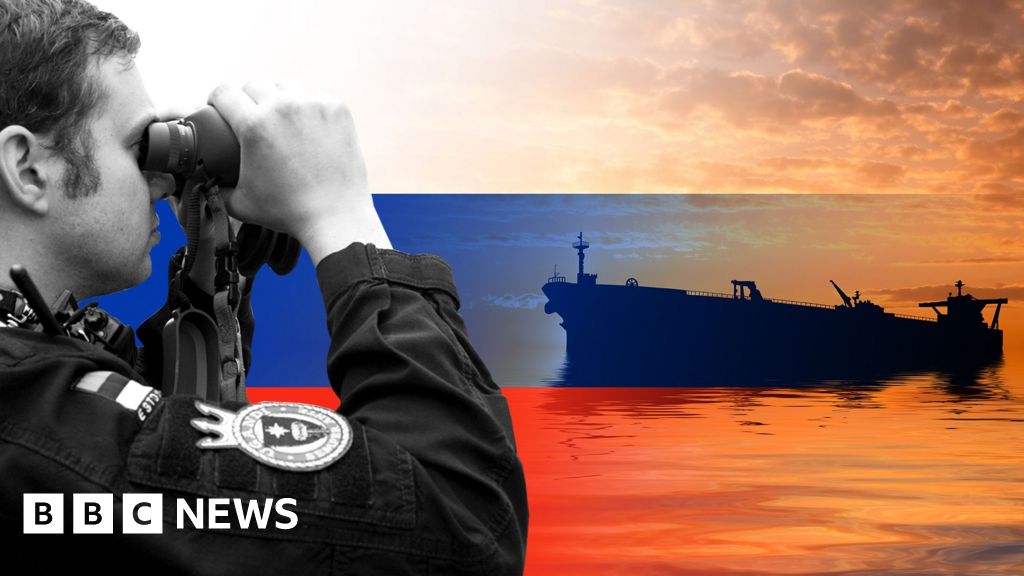
In the waters of the west Baltic, a tense game of maritime cat-and-mouse plays out silently yet intensely. Europe’s coastguards and navies have become the frontline defenders in the ongoing battle over Russian energy exports, with an invisible war waged through covert shipping operations. As Russia continues to counter Western sanctions with a sprawling shadow fleet of unflagged, often stateless tankers, the delicate balance of global maritime law faces unprecedented challenges. Analysts warn that these clandestine activities do not merely signify evasion but threaten the entire rules-based international order, risking environmental disaster and escalating geopolitical tensions.

The shadow fleet refers to a network of hundreds of vessels allegedly used to bypass Western sanctions and cap regulations on Russian energy exports. Observers like historians and maritime analysts warn that this phenomenon marks a significant shift as Russia’s revenues from oil still impressively sustain its economy—revenue that, despite being scrutinized, continues to flow at a substantial clip. According to the International Energy Agency, Russian oil sales in October totalled over $13 billion, with a majority shipped through these questionable vessels. These ships, often cloaked in false flags and with concealed ownership, are not just logistical gambits but are also suspected of engaging in undersea sabotage, illicit drone operations, and deliberate “spoofing” of their locations. The difficulty lies in enforcement: maritime law grants navigational freedom, but stateless vessels are technically not entitled to this, complicating interdiction efforts in international waters.

This clandestine activity has profound geopolitical impact. Countries bordering Russia, like Estonia, are witnessing an alarming increase in vessels passing their waters—often under the guise of legal passage but with suspicious routes and questionable flags. Commodore Ivo Värk of Estonia’s navy describes how dozens of ships, once rare exceptions, are now a routine sight. These vessels, like the tanker Unity, trace complex routes that include frequent trips through the English Channel and across the North Sea—areas traditionally associated with peace and navigation rights. Since 2021, Unity has changed flags multiple times, from Singapore to the Marshall Islands and more recently claiming a false Lesotho registry, highlighting the deliberate obfuscation designed to evade detection. The global shadow fleet now consists of over 450 vessels, according to the IMO—a stark increase that underscores the erosion of accountability in maritime commerce.

International organizations and governments find themselves in a precarious position, with their ability to enforce sanctions hampered by the vessels’ maneuvering tactics. As Europe and the United Kingdom tighten port and transit bans, Russia’s revenues persist, thanks largely to these shadowy ships. The Centre for Research on Energy and Clean Air reports that over 60% of Russian crude exports are now funneled through sanctioned or suspect ships, with emerging markets like China and India emerging as primary buyers. The dilemma for Western policy is stark: stronger actions risk escalating tensions and even provoking direct confrontation, yet the current approach appears insufficient to stem the flow. The BBC reports that vessels like Unity have repeatedly operated despite technical failures, crew changes, and even detentions—further evidence that the shadow fleet has become an entrenched part of Russia’s strategy to sustain its geopolitical interests.

The escalating clandestine naval activities foreshadow a new chapter in the theatre of international conflict—one where maritime law is challenged, the environment endangered, and the global economy under silent stress. As the West endeavors to tighten its grip and suffocate Russia’s energy lifelines, the shadow fleet responds with ingenuity and defiance, cloaking its movements in technological subterfuge. With each passing day, the rules of navigation are tested, and the foundations of modern geopolitics tremble under the weight of unresolved rivalries. In this unfolding saga of maritime shadows, the question remains: how long can a world grounded in law survive when its most powerful instruments are manipulated in the depths of international waters? The course of history now hangs in the balance, awaiting the decisions that will shape the future of global order amid the relentless pursuit of energy and influence.

French Forces Intercept Oil Tanker Tied to Russia’s Shadow Fleet

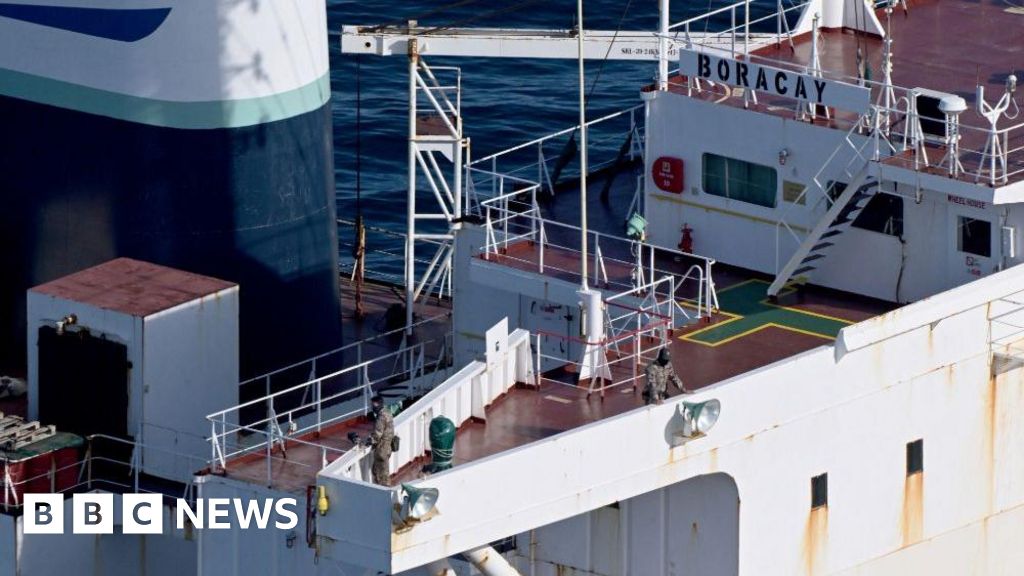
France has taken a bold step in addressing what many analysts now describe as Russia’s clandestine tactics to bypass international sanctions. French soldiers recently boarded the Boracay, a vessel linked to Moscow’s so-called “shadow fleet”—a complex network of ships designed to obscure Russia’s energy exports amid ongoing sanctions imposed due to the war in Ukraine. This operation, believed to be one of the most significant interdictions yet, signals a heightened commitment by European nations to crack down on illicit maritime activity used to circumvent Western restrictions.

The vessel, marked by multiple flags—including Benin, UK, and EU sanctions—had been tracked sailing from the Russian port of Primorsk toward India, passing through strategic points in the North Sea and the English Channel. Its movements, coupled with reports of it being detained earlier this year for sailing without a valid flag, underscore the broader challenge faced by Europe and the West: how to enforce sanctions against a fleet that is deliberately complex and highly adaptable. France’s investigation into the vessel’s conduct, alongside calls for increased maritime vigilance, reflect a strategic pivot aimed at exposing Russia’s covert export mechanisms.

European Union leaders, convening amidst rising tensions, are sharpening their focus on hybrid warfare and energy security. At the Copenhagen summit, EU officials discussed the alarming trend of drone incursions and cyber-attacks, which are increasingly attributed by some experts to Russian hybrid tactics designed to destabilize and intimidate. Danish Prime Minister Mette Frederiksen explicitly linked recent drone disruptions at airports to Russia, framing it as part of a broader pattern of hybrid conflicts designed to challenge Western cohesion and resilience. Numerous countries on the EU’s eastern flank, including Poland and Estonia, face the brunt of such threats, prompting calls for a multi-layered “drone wall”—a defensive system intended for rapid detection, tracking, and neutralization of hostile UAVs.

International analysts, including those from NATO and renowned military think tanks, warn that these hybrid strategies signify a *turning point* in modern conflicts—one where conventional warfare is supplemented (or replaced) by covert operations, cyber attacks, and economic manipulation. The existence of Moscow’s shadow fleet, estimated to encompass between 600 and 1,000 vessels, underscores Russia’s resolve to continue evading sanctions and sustain its energy exports despite intense global pressure. How these maritime and hybrid tactics evolve in the coming months could very well determine the future balance of power in Europe’s east and during broader geopolitical conflicts.

As history unfolds amidst increasing militarization and intelligence operations, the world witnesses a critical juncture. The decisions made—by Europe, by NATO, by global institutions—will echo through decades, shaping the future of sovereignty, security, and international law. The relentless chess game on the high seas and in the skies continues, reminding us that, in the chess match of mighty nations, every pawn, every move, and every secret operation could turn the tide of history—an unfolding saga where the stakes are nothing less than the very future of freedom itself.

Social Media Auto Publish Powered By : XYZScripts.com



