Matox News

Truth Over Trends, always!

Phillipson sticks up for student loan shake-up, warns average repayments to jump by £8 a month

Societal Strain as Graduates in England Reduce Work Hours to Manage Student Debt

Across England, a growing concern is emerging within families and communities regarding the financial pressures faced by young graduates. Recent reports reveal that some students, now transitioning into the workforce, are resorting to cutting their hours at work due to what they describe as “punishing” student loan repayment schemes. This shift not only impacts individual career trajectories but also ripples into broader social and economic spheres, raising questions about the sustainability of current higher education financing models.

Students and educators alike have long debated the balance between the pursuit of higher education and its cost. Sociologists such as Dr. Emily Carter have documented that the escalating burden of student debt creates a barrier to meaningful employment and socioeconomic mobility for younger generations. The immediate consequence, highlighted by recent testimonies, is that graduates are forced to reduce their working hours—often at times when they need income most—to avoid falling behind on loan repayments. The challenge compels many to choose between earning a living and managing debt, a dilemma that risks undermining the **future stability** of families and eroding the **financial independence** that higher education was supposed to promote.

This phenomenon also impacts educational institutions and employers. Universities, historically viewed as gateways to opportunity, now face scrutiny for their role in fostering a financial climate that strains students’ mental health and limits career development. As historian Dr. Mark Hughes argues, “the modern student debt crisis signifies a societal shift where higher education no longer guarantees economic uplift but becomes a debt trap,” illustrated by patterns of graduates reducing their work commitments to contain repayment burdens. Employers are witnessing staffing reductions and decreased productivity as young workers juggle their academic debts with professional ambitions, thereby influencing community stability and local economies.

  • Financial insecurities stemming from student debt threaten the social contract—the belief that education equates to upward mobility.
  • Children grow up witnessing parental sacrifices, which fosters a cycle of financial anxiety and altered family dynamics.
  • The erosion of youth independence hampers community engagement and volunteerism, essential elements of societal cohesion.
  • The need for policy reform grows urgent, aiming to reduce repayment burdens and restore economic inclusivity.

As social commentators emphasize, the current landscape reflects not just an economic challenge but a moral crisis. Our society’s foundation—families, education, and communities—face mounting pressures that threaten to fracture social fabric if unchecked. Recognizing that social issues are interconnected, policymakers and civic leaders must work toward sustainable solutions: reforming student loan schemes, expanding support for young families, and fostering a culture that values financial literacy and equity in educational access. The future of society hinges on whether we can address these challenges with unwavering resolve, transforming financial hardship into a catalyst for renewed social cohesion and shared prosperity.

In this dance of societal change, hope remains resilient. Society’s greatest strength lies in its capacity for reflection and transformation. As future generations face the ripple effects of today’s policies, there exists a profound opportunity—an enduring call—to rebuild a society where families thrive, education empowers, and communities unite. Only through collective effort can we turn disruption into a catalyst for a society where every young person, burdened no longer by crushing debt, can dream anew and work towards a brighter tomorrow.
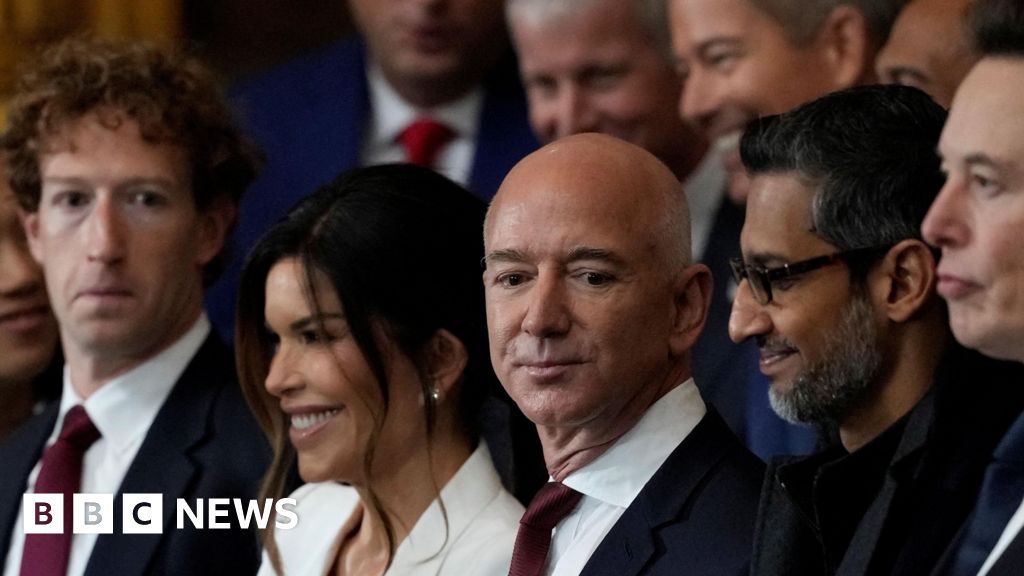
Amazon shares dip as Big Tech ramps up AI spending—youth-triggered shake-up in the tech game

In a move signaling a seismic shift in the technological landscape, major multinational corporations have collectively announced an unprecedented $650 billion committed investment in artificial intelligence (AI) development. This monumental infusion of capital has sent shockwaves through global markets, prompting a reevaluation of economic priorities by governments and investors alike. The announcement marks a pivotal moment in the ongoing race for technological supremacy, emphasizing the strategic importance of AI as the new front on the international stage.

Analysts note that this level of investment underscores how AI is rapidly becoming a core geopolitical asset. Countries such as the United States, the People’s Republic of China, and the European Union are positioning themselves fiercely in this emerging arena, each seeking to dominate the future of global innovation. According to think tanks and industry experts, this historic financial commitment is likely to accelerate the development of autonomous systems, advanced data analytics, and machine learning capabilities, fundamentally transforming industries from defense to healthcare.

The geopolitical impact of such a colossal investment extends beyond mere technological dominance; it influences international power dynamics and national security considerations. U.S. President Joe Biden’s administration has already signaled that this surge in AI development must be paired with strategic regulations to prevent misuse, as well as safeguards to protect personal freedoms. Meanwhile, Chinese authorities maintain that their AI push is crucial to realizing their vision of technological self-reliance. Many experts—like those at the International Institute for Strategic Studies—warn that this arms race in AI could deepen rivalries between superpowers and further complicate already tense diplomatic relations.

Within this landscape, international organizations such as the United Nations are calling for global cooperation and ethical standards, but critics argue that these efforts are often sidelined by national interests. The decision by big tech firms to escalate investment reflects a broader societal reckoning: governments and corporations alike are recognizing that AI will shape the very fabric of future societies. The technological race has taken on a broader cultural dimension, influencing how nations will manage privacy, security, and economic stability in the decades ahead.

As markets react with volatility and geopolitical tension escalates, history appears to be on the cusp of a defining chapter. The decisions made now—whether to cooperate or confront—will leave an indelible mark on the course of global history. The world watches with bated breath, aware that the epoch of AI supremacy is not just a business endeavor but a battle for the future of civilization itself. The relentless march of progress continues, and in this high-stakes contest, the winners and losers will determine the global order for generations to come.

Washington Post Hits Hard on Layoffs Amid Strategic Shakeup

Washington Post’s Strategic Recalibration: A Reflection of Shifting Media Dynamics

The news industry is at a critical crossroads, and the Washington Post, once a bastion of American journalism’s golden age under owner Jeff Bezos, now faces profound upheaval. Earlier this week, the esteemed newspaper announced a “broad strategic reset,” signaling a renewed approach aimed at securing its future amidst an increasingly volatile media marketplace. The internal upheaval, which includes significant layoffs, underscores the stark reality confronting traditional journalism outlets globally—adapting or perishing in a digital-first era increasingly dominated by social media giants and tech conglomerates.

During a somber staff meeting, Matt Murray, editor-in-chief of the Post, highlighted that the publication is realigning its focus by restructuring its coverage priorities. Notably, the decision to conclude the current iteration of its popular sports desk, along with trimming its international reporting capabilities and suspending its flagship daily news podcast Post Reports, underscores a shift away from expansive coverage toward a leaner, more targeted operation. With declining advertising revenue and fierce competition from online news platforms, legacy outlets are forced to make tough choices that threaten their core journalistic identity. This restructuring raises questions about how societies will access and trust news in the coming years.

Interestingly, the announced cuts come amid mounting unrest among staffers, who called on Jeff Bezos to intervene and soften the blow. Bezos, whose ownership heralded a period of growth, has remained silent during this tumult, even as employees expressed concern over how these decisions might erode the integrity and depth of American journalism. International experts warn that such retrenchments in vital media institutions could have far-reaching consequences, affecting the dissemination of information during crises or geopolitical shifts. Meanwhile, the global community watches as the Post navigates this transition, hinting at the broader fragility faced by traditional media in an era where information often flows outside of conventional editors’ control.

Geopolitical Shifts and the Decline of American Media Power

The strategic restructuring at the Washington Post serves as a microcosm of a larger geopolitical realignment. As the United States grapples with diminished soft power—accentuated by wavering international influence and an era of information warfare—the role of influential media outlets becomes even more critical. Entities like the Post, historically seen as anchors of American liberal democratic values, are now vying to stay relevant in a landscape dominated by digital disruptors from China and Russia.

In recent years, analysts such as Dr. Linda Kim of the International Media Institute have warned that the decline of major American newspapers could weaken the country’s narrative dominance abroad. As Bezos’ silence persists, critics argue that American leadership appears increasingly disconnected from its societal institutions during critical moments of change. Meanwhile, countries like China and Russia are exploiting the vacuum by expanding their own state-sponsored media to project power and influence global public opinion. The erosion of robust, independent journalism from the US could embolden rival nations’ narratives while diluting the global stature of American values.

The Future of Journalism and the Weight of History

As the Washington Post undergoes this seismic transformation, history looms as a heavy shadow. Does this signal the decline of a once-mighty institution that helped shape American democracy, or a necessary modern adaptation? International organizations and media watchdogs emphasize that the quality and independence of journalism are vital for a working society—yet layoffs and restructuring threaten those very principles. The looming uncertainty prompts a sobering question: Will American journalism survive these turbulent times and continue to serve as the vigilant guardian of truth, or will it become a mere shadow of its former self?

In an era where information and power are intertwined more than ever before, the decisions made today will resonate for generations to come, shaping not only the future of media but the geopolitical landscape at large. As the world holds its breath, the unfolding story of the Washington Post is a stark reminder that history’s court is always watching, and its verdict remains uncertain. One thing is clear: the pages of tomorrow are yet to be written, and the weight of this moment will echo through the corridors of power and the quiet halls of society’s conscience.

iRobot Declares Bankruptcy Amid Tech Shakeup

iRobot Declares Bankruptcy Amid Industry Disruption and Competitive Pressures

After 35 years of pioneering household robotics, iRobot has announced it is filing for Chapter 11 bankruptcy protection. This significant development marks a transformative moment in the smart home market—highlighting the intense industry disruption caused by emerging Chinese competitors and increasing geopolitical tariffs. The company’s decision to be acquired by Picea Robotics, a Chinese-based contract manufacturer, underscores the shifting landscape of global manufacturing and technological power. Despite this upheaval, iRobot assures consumers that existing products and services will remain unaffected for now, allowing the popular Roomba series to continue cleaning homes uninterrupted.

The decline of iRobot illustrates the challenges faced by established tech innovators in an increasingly competitive environment. Since its founding in 1990 and the launch of the Roomba in 2002, the company has continuously reinvented its product line through innovative features such as lidar mapping and advanced app integrations. However, these efforts have been outpaced by a surge of Chinese manufacturers, eager to disrupt the market with lower-cost, feature-rich alternatives. Industry giants like Xiaomi and Roborock have flooded the space, leveraging mass production to undercut US and European rivals. According to Gartner analysts, this rapid commodification poses a significant threat to the profit margins of legacy brands, leading to the financial instability faced by iRobot.

  • Milestones in innovation: Integration of lidar mapping tech, smarter navigation, and increasingly affordable pricing models.
  • Challenges: Tariffs, rising manufacturing costs, and aggressive Chinese competition.
  • Implications: Disruption in household robotics, with potential shifts in market leadership towards Asia-based firms.

The strategic move by Picea Robotics signals a broader trend of industry consolidation amid geopolitical tensions and supply chain vulnerabilities. Such acquisitions could accelerate the adoption of advanced robotic systems across various sectors, transforming the traditional landscape of domestic automation. Leading industry observers like Elon Musk and Peter Thiel have long emphasized the importance of innovation in maintaining competitive advantage. In this context, the merger presents an opportunity for Chinese firms to leverage manufacturing efficiency and technical expertise to redefine global standards and consumer expectations.

Furthermore, the financial strain on legacy firms such as iRobot signals a pivotal moment for startups and established players alike. No longer can companies rely solely on incremental improvements; innovation must now focus on disruptive innovations, such as AI-driven autonomous systems and IoT integration. As MIT researchers highlight, the future of household robotics hinges on the seamless integration of smart tech with everyday life—a frontier where American companies risk losing dominance unless bold strategic shifts are undertaken.

Looking ahead, the field of robotics is poised for rapid evolution. The convergence of AI, material science, and 5G connectivity suggests that the next decade could witness unprecedented breakthroughs. For industry leaders and entrepreneurs, this signals both an urgency and an imperative: to harness the disruptive potential of emerging technologies or risk becoming obsolete. With global market shifts accelerating, those who act decisively today will shape the future—making it essential to anticipate and adapt to the technological upheaval that lies ahead.

Ofsted’s school shakeup threatens to create more issues for students and families

Society in Flux: The Impact of Education Reform and Social Tensions

In recent months, the landscape of education in England has become a battleground of social issues that profoundly affect families, communities, and the future of society itself. The longstanding Ofsted inspection system, introduced over three decades ago, was once viewed as a cornerstone of accountability, essential for maintaining a baseline of educational quality. However, the tragic death of Ruth Perry, a primary school head teacher whose mental health was reportedly overwhelmed by the pressures of a downgrading inspection, has cast a shadow over the entire approach. Her story symbolizes a broader concern: are the current methods of school evaluation neglecting the well-being of educators and students alike, ultimately threatening the moral fabric of our communities?

This incident has ignited a wave of debate among educators, parents, and social commentators over whether reforms are truly addressing the root issues or merely conducting superficial “tinkering” with the system. The new ‘traffic light’ grading method aims to provide more nuanced insights into school performance, recognizing strengths and contextual challenges like poverty or student welfare. Yet, skeptics warn that increasing the complexity of ratings and expanding inspection areas may inadvertently exacerbate the stress faced by staff and pupils, rather than alleviating it. The National Association of Head Teachers has already announced plans to ballot on strike action, highlighting the deep divide over whether such reforms are genuine advances or superficial fixes.

At the heart of this turmoil lie families whose children’s futures are impacted by these social tensions, and communities grappling with division over how best to measure success. According to sociologists like Michael Apple, the education system should serve as a vital instrument for fostering social cohesion and opportunity; instead, it often reflects wider societal disparities. For disadvantaged and vulnerable populations, the controversy around school ratings isn’t just about school quality—it touches on equity, access, and the social mobility that determines fair chances for all children. As educators and parents look to the future, the questions persist: How can we rebuild trust? How do we ensure that the wellbeing of staff and the moral integrity of our institutions are safeguarded amidst this upheaval?

Historical sociologists have long observed that social tensions surrounding education mirror the broader struggles of society—whether it’s class divisions, economic disparity, or cultural change. Today’s debate reminds us that our societal resilience depends on listening to those on the front lines: teachers, students, and parents. The hope remains that, through honest dialogue, meaningful reforms can transcend superficial measures to build a society where education nurtures not just academic achievement, but the moral and emotional wellbeing of future generations. Society, like a classroom, is a work in progress—a collective endeavor. As we stand at this crossroads, perhaps the true measure of our society’s strength will be in our ability to adapt with compassion and resolve, turning tragedy into hope and division into unity. The challenge is great, but the potential for renewal, resilient and rooted in our shared values, remains within our grasp.

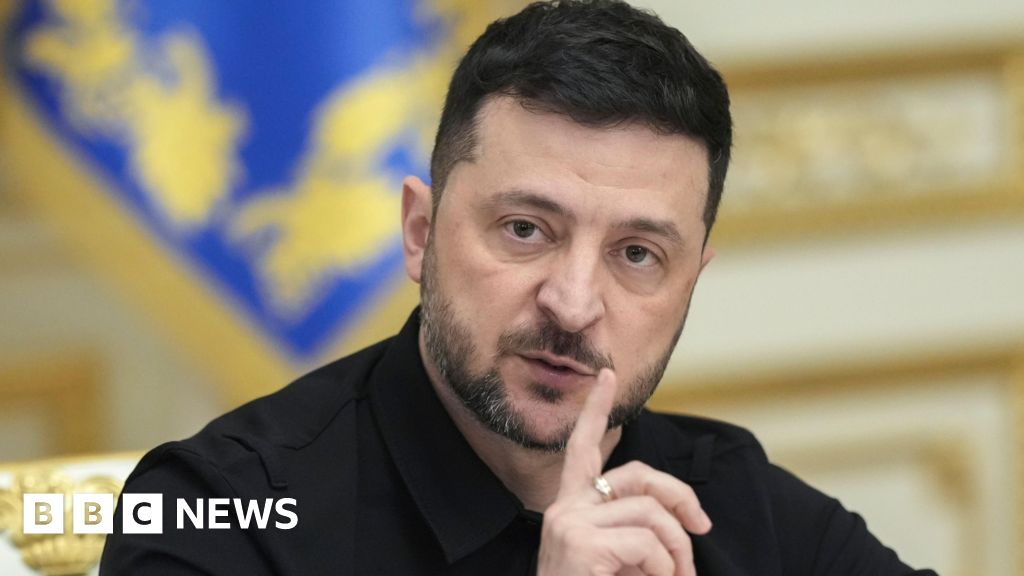
Zelensky Pledges Big Shakeup in Energy Sector After $100M Corruption Scandal

Ukraine’s Energy Sector Under Scrutiny Amid Corruption Scandal

In a move that underscores the ongoing struggles of Ukraine to stabilize its institutions amidst the chaos of war, President Volodymyr Zelensky has announced an ambitious plan to overhaul the country’s sprawling, yet troubled, energy sector. This comes in the wake of a scandal that has shaken public confidence and posed profound geopolitical questions about the integrity of Ukrainian governance. An estimated $100 million has been embezzled from state energy companies, exposing deep-rooted corruption that threatens to undermine Ukraine’s resilience, especially as Russian attacks intensify on critical energy infrastructure.

Corruption Inquiries and Political Fallout

  • Investigations initiated by Ukraine’s National Anti-Corruption Bureau (NABU) and the Specialised Anti-Corruption Prosecutor’s Office (SAP) have revealed that high-ranking officials and close associates of Zelensky may have been involved in illicit activities within key energy firms. Among those implicated are Justice Minister Herman Halushchenko, ex-Deputy Prime Minister Oleksiy Chernyshov, and Timur Mindich, linked to Zelensky’s former TV studio, Kvartal95. The involvement of such figures underscores the complex nexus of politics, business, and corruption that continues to pervade Ukrainian politics.

In response, Zelensky has vowed to restore integrity and transparency, promising a full audit of energy firms and the swift appointment of a new supervisory board for the Energoatom nuclear company within a week. Several ministers have resigned under pressure, yet critics remain wary of the president’s sincerity, especially given previous controversies, such as the July law that temporarily limited the independence of NABU and SAP—a move diplomats and analysts criticized as a setback for anti-corruption efforts. This back-and-forth illustrates the fragile balance Zelensky faces in asserting reform amid entrenched interests.

Escalating Security Crisis and Strategic Consequences

Amidn’t these domestic upheavals, Ukraine’s defensive posture is further strained by an escalation in Russian military assaults on critical energy infrastructure. Attacks on substations and power plants have left parts of the country in darkness, profoundly affecting civilian life and the operation of Ukraine’s nuclear power plants. These assaults are part of a broader strategy by Moscow to weaken Ukraine’s resolve and complicate NATO and Western support. Analysts warn such coordinated energy strikes threaten to destabilize Ukraine’s sovereignty, making the fight for transparency and sovereignty intertwined in ways that extend well beyond Kyiv.

International voices, including seasoned diplomats and organizations like the European Union and NATO, continue to scrutinize Kyiv’s internal reforms. The tension between attempting to root out corruption and maintaining a cohesive war effort has led many to question whether Zelensky’s government can stand the test of both external aggression and internal discord.

Global Implications and the Cost of Compromise

Historian and geopolitical analyst Dr. Maria Ivanova comments that Ukraine’s internal stability is now as crucial as its battlefield resilience. The unfolding scandal reveals the pressing challenge of establishing a governance model that effectively resists external threats while confronting past and present corruption. The decisions made in Kyiv’s corridors of power will influence not just Ukrainian sovereignty but also the broader post-Soviet space, impacting regional security and the future of European energy independence.

As the world watches, Kyiv stands at a pivotal juncture—either it can decisively confront entrenched corruption and emerge stronger against external foes, or it risks becoming a cautionary tale of what happens when internal fissures weaken a nation defending its very existence. With each revelation and crackdown, history continues to unfold—an enduring reminder that the fight for sovereignty, integrity, and independence is often fought in the hidden trenches of politics and power, where the true battles for the future are waged. In this harrowing chapter of political endurance, the weight of history presses heavily upon those who dare to forge a nation’s destiny amid chaos.

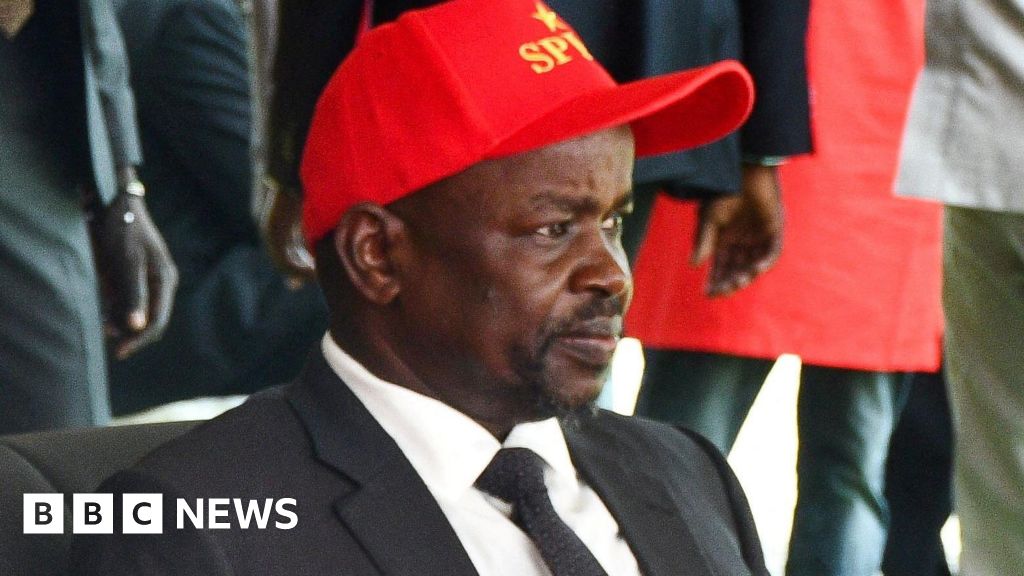
South Sudan’s President Kiir ousts Vice President Mel in major shake-up

The recent dismissal of South Sudan Vice-President Benjamin Bol Mel by President Salva Kiir has sent shockwaves through the young nation’s fragile political landscape. This move, announced via decree and devoid of explanation, underscores the ongoing volatility in a country that only gained independence in 2011 but has been plagued by civil unrest ever since. The removal of Bol Mel—who previously appeared poised as Kiir’s likely successor—appears to symbolize a decisive consolidation of power amid mounting fears of renewed civil war. Analysts warn that such internal struggles threaten to unravel the last remnants of peace established under the 2018 power-sharing agreement, which has continuously faltered under the weight of old tensions and new conflicts.

South Sudan’s tumultuous history is well documented by international organizations and historians, recognizing its journey from a peaceful separation from Sudan into a maelstrom of violence. The recent crisis follows the escalation of fighting between government forces loyal to Salva Kiir and armed groups aligned with ex-vice-president Riek Machar. Notably, Machar was sacked earlier this year, arrested, and charged with serious crimes, prompting accusations from his supporters of a politically motivated witch-hunt that only worsened tensions. This cycle of power struggles exposes the underlying fragility of South Sudan’s state institutions, which continue to be vulnerable to internal divisions and external pressures, including sanctions and diplomatic isolation.

In the wake of Bol Mel’s removal, social media and local sources reflect a broad consensus: his dismissal signals an internal power struggle within the Sudanese People’s Liberation Movement (SPLM). A senior government official, speaking anonymously for security reasons, indicated that Bol Mel was viewed as a “divisive figure” whose presence was exacerbating factional discord. The apparent withdrawal of Bol Mel’s security detail and the lack of immediate replacements suggest a sudden and potentially destabilizing power vacuum. These events could accelerate the erosion of recent ceasefire efforts, with some regional analysts warning of a possible descent into chaos—a scenario that international observers, including the United States and regional powers, are desperate to prevent. Yet, the very nature of South Sudan’s regime suggests that internal factionalism remains unresolved, with entrenched elites vying for dominance amid a nation still scarred by years of violence.

The geopolitical impact of this upheaval extends beyond South Sudan’s borders. As Africa’s youngest nation, its stability affects regional security, oil markets, and international efforts aimed at fostering peace. The United States, which has historically played a dominant role in supporting South Sudan’s peace process, remains cautious, maintaining sanctions against figures like Bol Mel for purported corruption, despite his promotion to prominent security roles. The broader implications involve how neighboring nations and global institutions respond to escalating instability. As historians and analysts draw parallels with other post-conflict states, the specter of what if looms large: Could internal power struggles ignite a larger civil conflict, destabilizing the already volatile Horn of Africa?

As South Sudan’s leadership grapples with internal dissent, the weight of history presses upon its young democracy. The fate of a nation born from hope now teeters on the brink of chaos, with every decision in Juba echoing through corridors of power and across the continent. The unfolding story remains a stark reminder that in the heart of Africa—where oil riches and ethnic allegiances intersect—the future is written in moments of upheaval. History’s pen hovers, uncertain whether this chapter will forge a fragile peace or plunge South Sudan back into the shadows of conflict, a stark testament to the unpredictable course of nations in transition. And thus, the world watches, silent yet attentive, as the next pages of this turbulent saga are yet to be written.

Is It a Drug Bust or a Power Shakeup? The Bold Moves Reshaping the Game

Over the past two months, the Caribbean Sea has become a focal point of international attention as the United States ramps up its military presence in an unprecedented display of force. With a fleet comprising warships, fighter jets, bombers, and special forces, the US is deploying its most advanced military assets in what many analysts see as a strategic move rather than a simple show of deterrence. According to BBC Verify, the current forces are the largest naval and air build-up in the region for decades, prompting questions about the true aims behind this escalation. While official claims revolve around combating drug trafficking and narco-terrorism, experts like Dr. Christopher Sabatini argue that this might be a veiled attempt at regime change in Venezuela. Such a high-stakes deployment inseparably links the concepts of national security, influence, and regional stability, shaping a complex geopolitical landscape that affects us all.

What has truly captured the world’s attention is not only the sheer magnitude of military assets—featuring the massive USS Gerald R Ford aircraft carrier, guided missile destroyers, and advanced stealth jets like the F-35B—but also the ambiguous intentions behind this show of strength. Unlike previous interventions, this escalation appears less about directly intervening in Venezuela’s internal affairs and more about sending a powerful message. The US government, under the current administration, has ratcheted up efforts to pressure Nicolás Maduro, accusing his regime of drug trafficking and authoritarianism, even as it denies such allegations and blames sanctions for worsening the country’s crisis. This duality of rhetoric suggests a nuanced campaign—one where the military presence acts as a catalyst not only to influence Maduro’s inner circle but also as a warning to other regional players about US commitment and resolve in defending perceived national interests.

  • Travel Tip: For those interested in observing this geopolitical theater firsthand, consider visiting vibrant locales in the Caribbean such as Puerto Rico or Trinidad and Tobago, where the US has established significant military bases and operational hubs. These regions offer a compelling blend of strategic significance and diverse culture.
  • Wellness Hack: Amidst global tensions, maintaining a wellness routine rooted in mindfulness and resilience can help navigate the stress of today’s news cycles. Experts like Dr. Andrew Weil emphasize the importance of mental clarity in the face of uncertainty, encouraging practices such as meditation, physical activity, and staying connected with community as a beacon of stability in turbulent times.

Within the broader context, this militarization is also intertwined with covert operations, intelligence gathering, and potential plans for covert actions. The US government’s hints at possible land-based operations, coupled with the deployment of highly advanced drones and helicopters, paint a picture of a multifaceted approach that extends beyond mere show. Such moves are reminiscent of historical interventions, and while some argue it’s about safeguarding regional stability, others see it as a provocative display that risks igniting conflict. As the region braces for evolving developments, the key takeaway remains: this is not just a display of military might but a reflection of the changing nature of global influence, sovereignty, and the pursuit of national interests.

In contemplating this complex geopolitical chess game, it becomes evident that the journey of lifestyle and perspective is one rooted in understanding, resilience, and informed awareness. Whether or not conflict ensues, the narrative reminds us that our world is an ever-changing mosaic—one where strength and diplomacy coexist and where the choices made by powerful nations ripple through lives far beyond the Caribbean. As citizens, embracing a mindset of educated engagement and active curiosity fosters a sense of empowerment—an acknowledgment that, ultimately, we are all travelers on a shared journey of history, possibility, and hope. In the end, the true voyage lies in how we choose to interpret the signs of our times and turn them into opportunities for growth and understanding.

Thursday’s Must-Know: French Cabinet Shake-Up, Bold Naked Cyclists & the Heroic Pup | Life & Style

In an era where lifestyle shifts and personal impact take center stage, the way we engage with entertainment, technology, and even wellness is transforming rapidly. From the nostalgic allure of legendary artists like Kate Bush to the latest innovations in corporate security, today’s cultural landscape reflects a dynamic intersection of tradition and innovation. It’s not just about passing time; it’s about embracing a lifestyle that fuels inspiration and personal growth, even amid the fatigue of modern life.

Consider the cultural phenomenon of the Thursday news quiz, a digital tradition that taps into youthful curiosity and the desire for wellness through knowledge. It challenges participants to stay informed with playful questions — from the number of Academy Awards won by venerable actresses like Katharine Hepburn to a quirky, yet impactful protest by naked cyclists in Portland. This quiz isn’t merely about trivia; it embodies a lifestyle of continuous learning. Through engaging with such content, young minds find a space for sharp wit, cultural awareness, and even a bit of rebellion against the mundane, fostering a sense of ownership over their lifestyle and self-improvement.

Meanwhile, the way wellness is evolving is embodied in developments like the biometric access control system at a Manhattan skyscraper — an embodiment of technological integration with personal privacy considerations. The push towards embracing cutting-edge tech doesn’t merely enhance convenience; it represents a commitment to personal security and health in the digital age. Wellness experts like Dr. Daniel G. Amen advocate for deliberate tech use, emphasizing that balanced integration can empower us without compromising privacy or mental well-being. These shifts highlight an essential truth: living intentionally with technology can elevate one’s lifestyle, making health and leisure not just possibilities but everyday realities.

Ultimately, life is about the journey—a constant interplay of discovery, resilience, and embracing the new while respecting the roots. Whether it’s celebrating a heroic dog like Hendrix, who led a rescue in Florida, or finding inspiration in an artist like Kate Bush, whose music fuels charitable acts, the narrative remains clear: a lifestyle rooted in curiosity, adaptability, and purpose leads to a more vibrant, well-lived life. As these stories interweave, they remind us that our personal impact—health, leisure, knowledge—is a reflection of our willingness to engage with the world authentically. It’s a pursuit that, ultimately, turns daily living into an ongoing story of empowerment and inspiration.

Social Media Auto Publish Powered By : XYZScripts.com