
Grassroots Movements Rekindling Faith in Community and Society
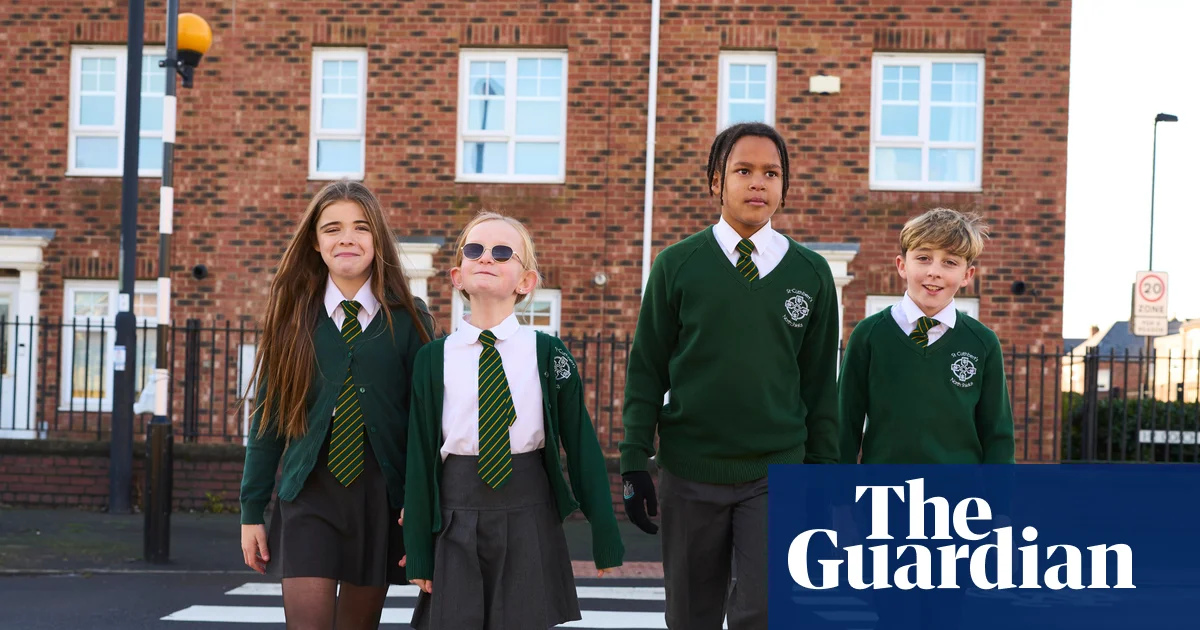
In today’s rapidly changing world, societal fractures are becoming more evident than ever, affecting families, education, and community cohesion. Despite these challenges, a rising tide of grassroots activism demonstrates that change is not only possible but essential. Organisations like Citizens UK are spearheading efforts that remind us of the power of collective action rooted in hope, compassion, and a shared sense of purpose. Their recent walk through North Shields, dubbed the “Walk of Hope,” exemplifies how local people—children, parents, teachers, and community organisers—are mobilising to confront social issues directly affecting their neighborhoods.
This movement emerges from an acknowledgement of social tensions fueled by economic disparities, immigration debates, and declining trust in democratic institutions. Sociologists like Robert Putnam have long highlighted how social capital—trust, networks, and civic engagement—can combat societal despair. Here, grassroots groups are rekindling that trust, building bridges between different communities, and creating tangible changes that uplift families.
The community’s efforts are far-reaching. For instance, local youth, such as Mish Sony, successfully engaged the authorities to address transportation affordability, ensuring students can attend school without the burden of costly fares. Such initiatives improve access to education, ultimately fostering better opportunities for future generations. Meanwhile, safety and cleanliness in public spaces, like Alexander Scott Park, have improved through community-led clean-up projects and meetings with local authorities, reaffirming that empowered citizens shape the environments they live in. These actions not only strengthen physical spaces but also nurture a sense of ownership, pride, and civic responsibility among families and children.
Addressing Underlying Divisions and Social Fractures
Yet, societal challenges extend beyond infrastructure. Recent incidents of racial tension and xenophobia, highlighted by local confrontations and graffiti, underscore the persistent demographic shifts and cultural tensions existing in places like North Shields. Economist and social critic, Dambisa Moyo, warns that these tensions stem from feelings of marginalization and lack of political voice—conditions that can spiral into confrontation if left unaddressed. For Father Chris Hughes, a religious leader active in the community, these conflicts are reflections of a deeper crisis: the erosion of faith in democracy’s ability to serve all equally. As he observes, “People are losing faith that democracy works. Unless we reimagine democracy and have people in their community at the heart, it worries me where it will lead.”
This sentiment resonates with the ambitions of community organisers, who stress that
- inclusive dialogue
- grassroots participation
- listening to marginalized voices
are vital for peace and social cohesion. Their work demonstrates that fostering mutual understanding and addressing social grievances proactively can halt the cycle of division and hate. By involving youth, encouraging civic engagement, and creating spaces for dialogue, communities are cultivating resilience that can withstand social upheavals. These efforts evoke echoes of thinkers like Jane Jacobs, who believed vibrant, participatory urban life sustains social health and vitality.
Hope in Action: A Society Reimagined
In the end, the stories from North Shields reveal a societal truth: hope is not a passive feeling but an active force that springs from collective effort. When young people, families, and community leaders come together—whether reimagining public spaces, advocating for mental health, or confronting societal prejudices—they forge a resilient society committed to renewal. As they gather over tea and biscuits in community halls or rally through parks, they embody a quiet yet powerful revolution rooted in trust, empathy, and shared destiny. This resilience offers us a glimpse of society’s potential—a future where hope replaces despair, and community becomes the definitive answer to social fractures. In the end, societal transformation begins with the simple act of coming together, and in that unity, society’s greatest strength is revealed, offering a timeless reminder: no matter how cold the season, warmth and hope can be cultivated when hearts unite.”