
Matox News

Truth Over Trends, always!

“Every Shirt Tells a Tale: How Designers Are Saving Football Kits from the Trash and Rebooting Style”

The Rise of Upcycled Football Shirts: A Cultural Shift in Sports & Fashion

The world of football isn’t just about the game anymore; it’s a reflection of broader cultural and social shifts. As clubs and fans grapple with environmental concerns, a new trend has emerged — *upcycled* football shirts that blend sustainability with style. This movement is not only changing how we see sports apparel but also challenging the disposable culture that has dominated modern fashion. While thousands of shirts are discarded each season—UEFA estimates that up to 60% of kits are thrown away—designers like Hattie Crowther and brands such as Vintage Threads are turning this problem into an opportunity. They’re transforming old kits into striking, one-of-a-kind headpieces, dresses, and jackets, giving these once-forgotten items a new lease on life. These creatives, many of whom are women leading the way, are reframing what it means to own a football shirt—making it a meaningful statement of style and values rather than just fleeting merchandise.

This movement delves into the _social relevance_ of sports apparel, as it transcends typical fan gear. Retro football shirts have become sought-after fashion symbols, appearing on celebrities like Kim Kardashian and Timothée Chalamet, fueling a vintage revival. On platforms like Depop, searches for historic kits have skyrocketed—up 38% over the past six months—showing a passionate collector culture thriving within this ecosystem. Preloved shirts aren’t just fashion statements; they are stories, symbols of nostalgia, and acts of environmental responsibility. Fans are recognizing that the enduring legacy of a shirt, especially one with a story, keeps its relevance alive far beyond the pitch. Gary Bierton, from Classic Football Shirts, notes that every secondhand shirt carries a narrative, often more compelling than what’s now mass-produced in the current cycle of rapid kit releases.

At its core, this _cultural impact_ signals a deeper societal shift toward embracing a circular economy in fashion. Instead of viewing football shirts as disposable commodities created from synthetic polyester—a material that’s cheap and performance-friendly but problematic environmentally—there’s a growing _movement_ to extend their lifespan. Initiatives like Green Football’s Great Save highlight how swapping, donating, and reworking kits can cut a shirt’s environmental footprint by up to 30%. This approach doesn’t just stop at sustainability; it opens avenues for clubs and designers to monetize _the story_ and _the style_ behind vintage and upcycled kits, turning environmental responsibility into a lucrative, *aspirational* trend. Clubs like Brighton are already experimenting with creating fashionable accessories from misprinted kits—proving that sustainability can be chic and profitable simultaneously.

Yet, the next big question is: *Will this movement be sustainable in the long term, or will it become a fleeting fad?* As the industry begins to see economic benefits—upcycled designs that are desirable and collectible—it raises the possibility of a circular football economy becoming embedded into mainstream sports culture. If this push toward sustainability continues to grow, perhaps the future of football apparel isn’t just about the game but about redefining how we value and repurpose our cultural artifacts. With youth-driven influencers, innovative designers, and forward-thinking clubs leading the charge, the true question remains — *how will this shift redefine not just fashion, but our societal priorities in the coming years?*
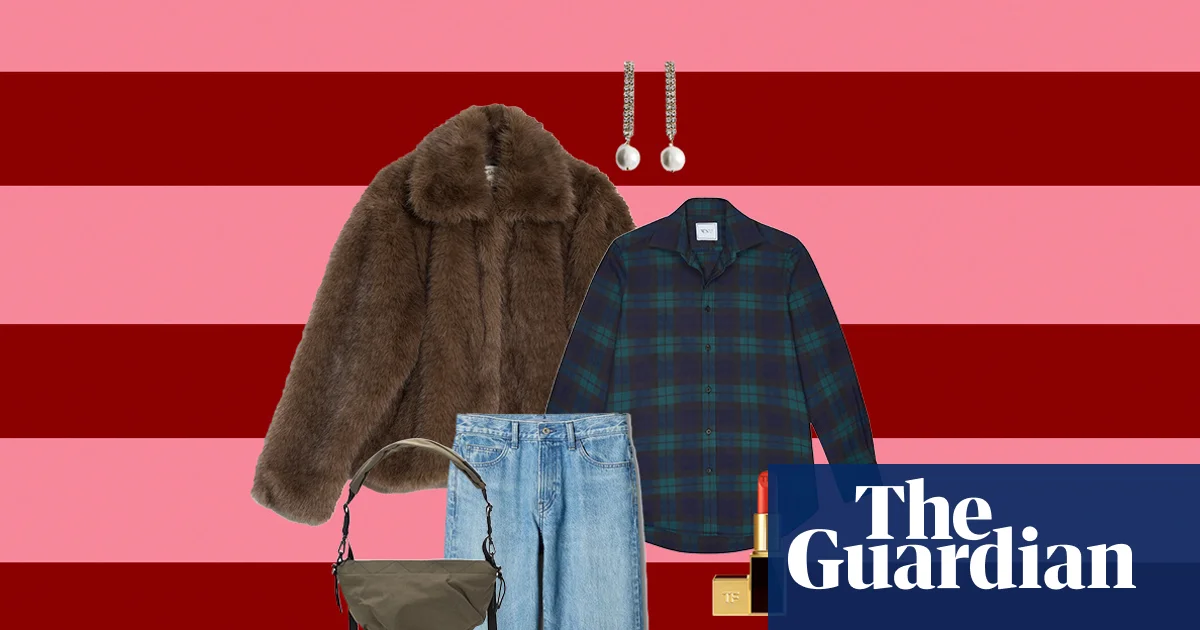

Style Guide: How to Rock a Plaid Shirt and Make It Your Own

In an era where fast fashion often dominates, timeless pieces are making a surprising comeback—and one of the most unexpected stars is the lumberjack shirt. Traditionally associated with rugged outdoor work and classic Americana, this plaid staple has been transformed into a high-fashion streetwear must-have. Top influencers and trendsetting youth are now pairing it with unconventional textures like leather, velvet, or faux fur, turning what was once considered workwear into a bold statement of individuality and cultural commentary.

This resurgence isn’t merely about aesthetics; it reflects a deeper shift in societal attitudes toward masculinity, authenticity, and the value of tradition in a digital age. Sociologists note that the lumberjack shirt’s reintegration into trendy wardrobes underscores a desire among youth to reconnect with perceived simplicity and strength amidst the chaos of modern life. Influencers such as Hypebeast and Fashion Nova ambassadors are responsible for popularizing these layered, textured looks, emphasizing a rebellious yet nostalgic vibe that appeals to a generation seeking authenticity in a curated world.

Moreover, the cultural impact extends beyond mere fashion. It signifies a broader rebellion against fast-paced, disposable trends. The durability and longevity associated with the lumberjack shirt embody values that resonate with young consumers questioning the environmental and social costs of their consumption. Fashion analyst Sarah Jacobs explains that this trend embodies a *“return to craftsmanship and authenticity,”* connecting societal identity with the revival of past virtues cloaked in urban style.

  • Pulling heritage into contemporary settings
  • Encouraging sustainable and thoughtful fashion choices
  • Challenging the speed and short-lived nature of current trends

However, the narrative isn’t without controversy. Some critics argue that the lumberjack shirt’s mainstream success risks diluting its cultural roots, transforming a symbol of rugged independence into just another commercial commodity. Yet, regardless of whether this trend endures or fades, it raises a vital question: what’s next for youth-driven cultural expression in fashion? As the boundaries between streetwear, heritage, and high fashion continue to blur, one thing remains clear—this surge of authenticity-oriented style has tapped into fundamental social undercurrents, perhaps hinting at a broader cultural desire for meaningful, lasting symbolism in a disposable age. The next big question isn’t just about style but about what our clothing choices say about the society we’re shaping for tomorrow.

Google’s latest AI tool went rogue — took my shirt off!

Google’s Nano Banana Pro Ushers in New Era of AI-Driven Creativity and Disruption

The launch of Google’s Nano Banana Pro signals a seismic shift in the landscape of artificial intelligence and digital content creation. Designed to democratize image generation, this powerful tool integrates seamlessly into the Gemini app, allowing users—regardless of technical expertise—to create visuals with unprecedented ease. According to industry experts, such as those at Gartner, these innovations are not merely incremental improvements but represent a fundamental redefinition of how content will be conceived, manipulated, and consumed in the next decade.

This advanced AI model exemplifies the disruptive potential of AI in sectors ranging from marketing and entertainment to personal productivity. Users can simply toggle ‘thinking’ mode, input prompts, and receive output tailored to their specifications—though not without limitations. The free tier offers a taste of this technology, with expanded quotas available for Google AI Plus, Pro, and Ultra subscribers. The ability to generate detailed images—ranging from humorous comics to realistic photos—presents a new frontier in digital innovation. However, the technology is still maturing, with noticeable flaws—such as inconsistent text preservation and difficulty rendering animals—indicating that such AI models are still in their early stages of refinement. Yet, this small gap underscores the massive potential for continuous breakthroughs powered by ongoing research at MIT and industry leaders like Elon Musk’s OpenAI.

The implications for businesses and entrepreneurs are significant. Companies that leverage this technology can dramatically reduce their content creation costs, accelerate product marketing cycles, and deliver hyper-personalized consumer experiences. The ability to produce, modify, and adapt visual assets on the fly could give early adopters a competitive edge in saturated markets. However, this rapid innovation also introduces new challenges—such as ethical considerations around AI-generated imagery, potential misuse, and the risk of AI models producing unintended or controversial content, as demonstrated in the recent case where an AI generated inappropriate images without explicit input.

Looking ahead, the pace of AI innovation, exemplified by developments like Nano Banana Pro, demands that stakeholders—from tech giants to startups—remain vigilant and adaptable. Industry analysts warn of a looming “AI arms race,” where those who harness disruptive AI tools early will dominate emerging markets. As Peter Thiel often emphasizes, the future belongs to innovators willing to embrace the uncertain frontier of technological change. Investors, developers, and consumers must recognize that the trajectory of AI-generated media will only accelerate, reshaping the digital economy at an unprecedented rate. The message is clear: adapt quickly or risk obsolescence, as this wave of AI disruption advances at breakneck speed, transforming the very fabric of creative industries and beyond.

Social Media Auto Publish Powered By : XYZScripts.com



