Matox News

Truth Over Trends, always!

Four Dead in Mississippi Homecoming Shooting — Community Shocked

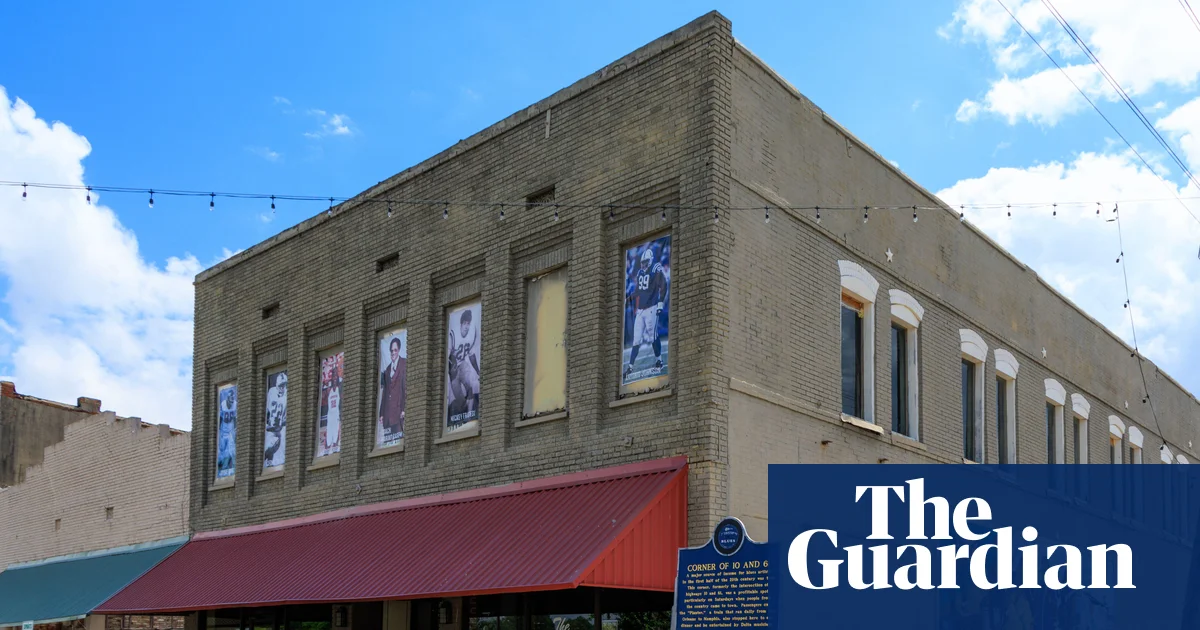
In a tragic relentless wave of violence, a small town in Mississippi has been rocked by a deadly shooting during a high school celebration, sending shockwaves across the nation and raising urgent questions about domestic security and social stability. The incident, which unfolded late Friday night in Leland, a modest city with a population under 4,000, resulted in the loss of four lives and injuries to 16 others, including critical casualties airlifted to local medical facilities. The carnage took place on a main street where families and local youths had gathered to celebrate the homecoming game, a historic cornerstone that, in this instance, became the backdrop for violence that has shaken the very fabric of the community.

The Mississippi Bureau of Investigation has launched a full inquiry into the shooting, yet few details have emerged about its perpetrator or motives. Initial reports suggest the attack occurred during a post-game gathering, a stark reminder of the persistent threat posed by urban violence and the failure of law enforcement mandates to contain it. As local officials and state representatives grapple with the aftermath, the incident underscores a growing concern: how rising crime rates in the United States threaten not only public safety but also the stability of social institutions and community trust. Analysts warn that without strategic federal and state interventions, such tragedies may become an unsettling norm rather than an exception.

Historically speaking, incidents like these serve as stark indicators of deeper societal fissures — from economic inequality to systemic misjustice — that continue to fuel unrest across America’s rural and urban divide. Commentators from organizations such as the Council on Foreign Relations and security experts worldwide caution that the ripple effects extend beyond domestic borders. As global observers watch in concern, the United States faces mounting pressure to address the root causes that lead to lawlessness and societal decay. Meanwhile, some voices within the political sphere call for more stringent gun control measures and community-based programs, emphasizing that a failure to act decisively risks giving free rein to chaos.

  • Monday’s investigation revealed no suspects yet, leaving the community in a state of shock and uncertainty.
  • National debates intensify over gun rights and crime prevention, with policymakers under pressure from voters demanding action.
  • International organizations have called for clarity, emphasizing that the stability of free societies depends on addressing internal threats swiftly and effectively.

As history books will document this moment, the tragic loss of life in Leland becomes a microcosm of a broader crisis — a nation seeking to safeguard its values amidst a persistent tide of violence. With each incident, the weight of history grows heavier, reminding the world that the choices made in boardrooms and political halls today will determine if society can withstand the storm or succumb to chaos. The unfolding story is a stark warning: nations must confront their internal weaknesses before they explode into catastrophe, drawing a line in the sand where history and destiny collide.
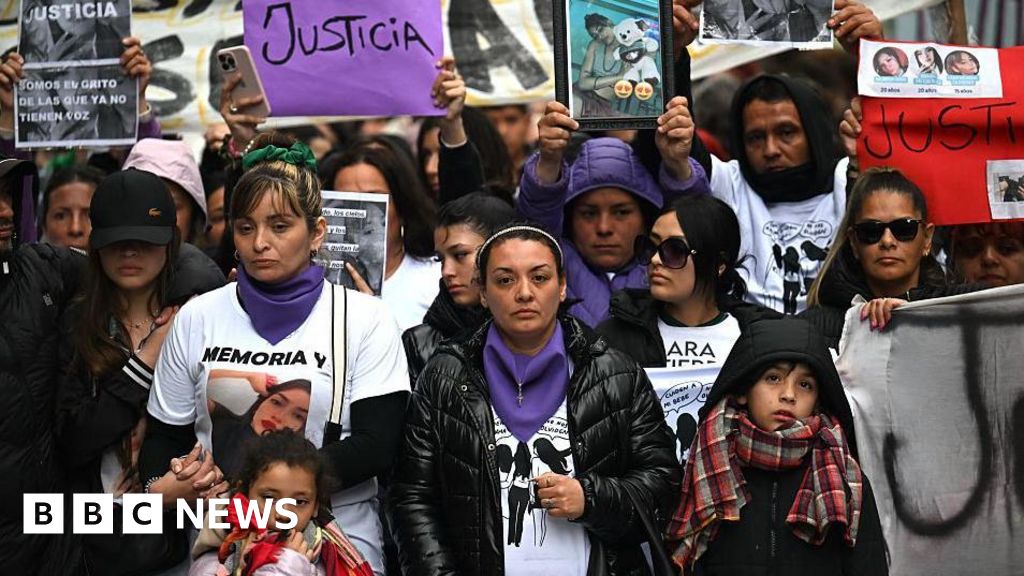

Argentina shocked and angered by brutal killings of young women

The recent brutal murders and public outrage in Argentina serve as a stark reminder of the pervasive issues of gender-based violence that continue to grip many societies worldwide. Thousands of Argentinians gathered in Buenos Aires to demand justice for Lara Gutierrez, a 15-year-old girl, and Morena Verdi and Brenda del Castillo, both 20, whose heinous deaths—captured in livestreamed videos—have ignited a nationwide debate about the authorities’ capacity to protect vulnerable citizens. As analysts highlight, these acts of extreme violence are not isolated; they are symptomatic of larger, systemic failures linked to organized crime, social decay, and weak legal deterrents.

The crime, reportedly orchestrated by a drug-trafficking gang, achieved notoriety when police uncovered a disturbing video in which the gang’s leader warned that the murders were meant as a warning to others involved in drug theft. This chilling footage underscores a broader turning point: organized crime’s blatant infringement into social norms and justice, posing dire geopolitical repercussions. International security experts warn that such violence, especially when intertwined with drug cartels, destabilizes entire regions, weakening state authority and creating fertile ground for further criminal expansion. The Argentine authorities, though arresting five suspects, have not yet apprehended the gang’s Peruvian leader—an omission that raises concerns about impunity and the ability of the justice system to confront transnational crime networks effectively.

The local community’s response reflects a growing awareness housed within a fragile social fabric. Mass protests and sentiment expressed by relatives reveal a society demanding accountability, yet the tragedy exemplifies how persistent violence against women remains a acute crisis—one cited elsewhere when a woman is murdered in Argentina every 36 hours. As historian Dr. María Fernández notes, these incidents are indications of deeper societal failures that threaten to widen inequalities and fuel instability. International organizations like the United Nations and regional bodies continuously monitor such femicide rates, emphasizing the urgent need for comprehensive reform and stronger legal protections to safeguard societal stability.

As the story unfolds in Buenos Aires, the symbolic weight of this violence transcends national borders. The victims’ families, united in grief and resilience, stand as a stark symbol of the ongoing struggle for justice—an enduring reminder that the fight against organized crime and gender-based violence is far from over. Each step in this tragic saga modifies the global landscape, testing how the international community responds to threats that threaten the very foundations of law and order. With history’s pages turning, it remains to be seen whether justice will be fully realized or whether, in the shadows, the criminal networks will continue to shape the future of societies caught in the crossfire. The world watches, knowing that these acts of violence, grievous as they are, are part of a larger, unfolding battle for dignity, safety, and sovereignty amid the chaos of modern geopolitics.

Social Media Auto Publish Powered By : XYZScripts.com


