Matox News

Truth Over Trends, always!

October’s Hottest Footwear: From Retro Split-Toes to Eco-Friendly Modular Sneakers—The Top 50 Shoe Trends Taking Over for the Youth

In an era where personalization and social responsibility are reshaping consumer habits, the footwear industry is undergoing one of its most exciting evolutions yet. The latest October 2025 shoes showcase a fascinating blend of imagination, sustainability, and utility, reflecting the shifting values of a new generation eager to define their identity through what they wear. From modular sneakers designed by innovator Daniyar to high-tech, eco-conscious materials, the trend encapsulates more than just fashion—it signals a cultural shift towards versatility and environmental mindfulness.

These shoes are pushing traditional boundaries: a modular sneaker, for example, allows users to customize and adapt their footwear for different occasions—whether it’s a quick change for fitness, work, or leisure. Influencers and fashion-forward youth are increasingly drawn to this flexibility, not merely for style, but for a statement of independence and ingenuity. Sociologists point out that this trend resonates with a broader societal push for personal agency—modern consumers refuse to accept one-size-fits-all solutions, especially when it comes to everyday essentials like shoes. As noted by trend analyst Lena Morrison, “these shoes blur the line between fashion and function, emphasizing empowerment and sustainability through their modular design.”

Moreover, the emphasis on sustainable materials is now a dominant theme in this footwear revolution. The shoes spotlighted in the October roundup feature innovative fabrics that prioritize recyclability and eco-efficiency, making consumers more conscious of their environmental impact. This surge in green sneakers is in harmony with a wider cultural movement: a realization that fashion can be a force for activism. Brands are responding with initiatives like upcycling old sneakers, employing biodegradable components, and adopting transparent supply chains—measures that appeal to young, socially aware buyers. The cultural impact here extends beyond mere aesthetics; it challenges the industry to rethink what it means to be responsible, stylish, and forward-thinking all at once.

Another profound element of this trend is how it influences social dynamics and identity formation among youth. The social relevance of these innovative shoes is evident in how they serve as markers of belonging and differentiation within diverse communities. Influencers, such as TikTok creators and Instagram fashion icons, are showcasing these shoes not only as commodities but as symbols of a broader narrative—one that advocates for individuality, sustainability, and tech-driven innovation. As Dr. Marcus Lee, a sociologist specializing in consumer culture, suggests, “these shoes are becoming a visible manifesto for a generation determined to reshape societal values through what they wear.”

Yet, as with all groundbreaking trends, a compelling question remains: does this focus on modularity and sustainability signal a permanent shift, or is it just a passing phase? Will these shoes lead to a more profound transformation in how society perceives personal style and environmental responsibility? The next chapter’s story might hinge on how this blend of technology, social consciousness, and expression continues to evolve. For now, one thing is clear—this trend has redefined what it means to step forward into the future, and the real question is: what will the next big innovation be, and how will it influence the cultural tapestries we weave?
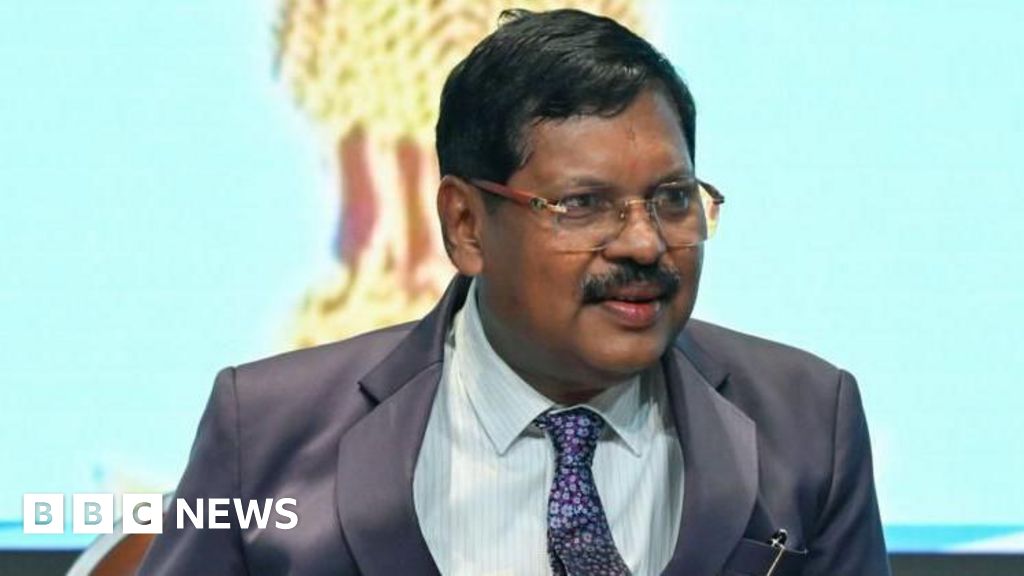
Youth protests turn violent as shoe hurled at India's chief justice over religious row
Youth protests turn violent as shoe hurled at India’s chief justice over religious row

India’s Judicial Integrity shaken: Shoe hurled at Chief Justice amid religious controversy

The recent incident in India where an attorney launched a shoe at Chief Justice BR Gavai during a courtroom session has ignited a firestorm across the nation, exposing the profound tensions simmering beneath its democratic veneer. The act, widely condemned by leadership across the political spectrum, underscores a volatile intersection of religious sensitivities and the fragile fabric of Indian society. As Prime Minister Narendra Modi denounced the attack as “utterly condemnable,” analysts warn that the upheaval signals deeper fissures within the country’s delicate balance between tradition, law, and nationalism.

The confrontation appears rooted in escalating religious tensions, particularly surrounding comments made by the Chief Justice about a recent court petition involving Hindu beliefs. When Chief Justice Gavai dismissed a plea to reconstruct a revered idol of Lord Vishnu, his remark—”This is purely publicity interest litigation… Go and ask the deity himself to do something”—sparked accusations of mockery directed at Hinduism, one of India’s most influential religions. Although Gavai later articulated respect for all faiths, the controversy reflects the ongoing challenge of navigating religious sensitivities within an increasingly polarized nation. Historians and social commentators caution that such disputes, if unmitigated, could further entrench societal divisions and undermine the rule of law.

The attacker, Rakesh Kishore, was immediately detained and later suspended from his legal practice, yet the broader implications extend beyond individual culpability. The incident epitomizes a cultural clash—where traditional expressions of protest, like a shoe-throwing gesture, are symbolic acts of humiliation and disrespect. In recent history, similar acts have punctuated global moments of political unrest: in 2008, an Iraqi journalist hurled his shoe at then-U.S. President George W. Bush, and earlier this year, a shoe was thrown at Kenyan President William Ruto. These acts, though shocking, reveal how deeply frustrations with leadership and societal injustices have reached a boiling point. For India, the gesture may symbolize a dangerous shift where respect for institutions is eroding, replaced by raw protests that threaten stability.

Expressing concern over the ramifications, international organizations and foreign analysts emphasize that such confrontations threaten the very tenets of democratic discourse. The United Nations and regional watchdogs have historically warned that respect for judiciary independence and religious harmony are pillars of national stability. Failure to address these sources of tension, analysts argue, could lead India down a path marked by increasing societal polarization and diplomatic isolation. Prime Minister Modi’s intervention emphasizes the importance of societal cohesion, yet critics argue that without addressing underlying causes—religious intolerance, political polarization, and miscommunications—the cycle of conflict will only intensify.

The incident leaves the world at a pivotal juncture, with India’s future precariously balanced. As history witnesses moments when societal fractures threaten to escalate into conflicts, the weight of the unfolding crisis in India reminds us that the boundaries between respect, dissent, and chaos are ever fragile. The remarkable resilience of India’s democracy will now be tested—whether it can heal its scars or succumb to new forms of unrest remains an open question, emerging from a chapter where tradition and modernity clash in the shadow of history yet to be written.

Social Media Auto Publish Powered By : XYZScripts.com



