Matox News

Truth Over Trends, always!

San Diego Settles for $30M in Police Shooting Death of 16-Year-Old Boy

San Diego Reaches $30 Million Settlement in Police Shooting of Teenager

In a landmark decision, the city of San Diego has agreed to pay $30 million in a settlement to the family of Konoa Wilson, a 16-year-old who was fatally shot by a police officer while fleeing dangerous circumstances at a local train station. This settlement, one of the largest civil payouts in the United States concerning a police shooting, underscores the ongoing crisis of police use of deadly force and raises critical questions about race, accountability, and systemic bias within law enforcement agencies nationwide. As international observers watch, this incident exemplifies the complex intersection of justice and public safety, fueling debates that resonate well beyond American borders.

Wilson’s tragic death occurred during a chaotic shootout at the Santa Fe station, where a youth had opened fire and injured another individual. Exiting the scene in fear, Wilson ran past officer Daniel Gold, who, according to police footage, immediately drew his weapon and fired multiple shots at the fleeing teen’s back—even as Wilson did not threaten or brandish a weapon at the moment of the shooting. Body camera footage reveals that Gold identified himself only after initiating the gunfire, further fueling allegations of excessive use of force. The civil lawsuit filed on behalf of Wilson’s family accused the officer of racial violence, emphasizing the racial dynamics at play and portraying the shooting as rooted in systemic biases.

By accepting this settlement, San Diego tacitly acknowledged the gravity of the incident—though city officials maintained it was a *business decision* rather than an admission of liability. Critics argue that police officers operating within a framework of systemic racism often perceive Black youth as threats, leading to tragedies like Wilson’s death. Historians and human rights advocates point out that such incidents are not isolated; they reflect a broader pattern of racial profiling that persistently undermines community trust and endangers vulnerable populations. International organizations, including the United Nations, have repeatedly voiced concern about racial disparities in police violence, urging reforms to ensure more just and equitable law enforcement practices worldwide.

This incident marks a significant turning point—highlighting the urgent need for comprehensive reforms and better accountability mechanisms within police forces across the globe. As governments grapple with these issues, the fallout from such tragedies shapes international discourse on state violence and human rights. How nations respond to this mounting pressure will influence the delicate balance between security and liberty, potentially redefining the role of law enforcement in societies seeking justice and fairness.

The saga of Wilson’s death remains a stark reminder that the weight of history and the pursuit of justice continue to unfold, forging a path that nations worldwide are watching with cautious anticipation. As the ripple effects of this settlement echo through the corridors of power, one fact remains clear: the fight for meaningful reform is far from over, and its outcome will shape generations to come. With each decision, policymakers stand at a crossroads—either advancing toward genuine justice or retreating behind the barriers of systemic inertia, risking the further erosion of public trust and the moral fabric of society.
What’s Known About the DC National Guard Shooting: The Facts for Young Americans

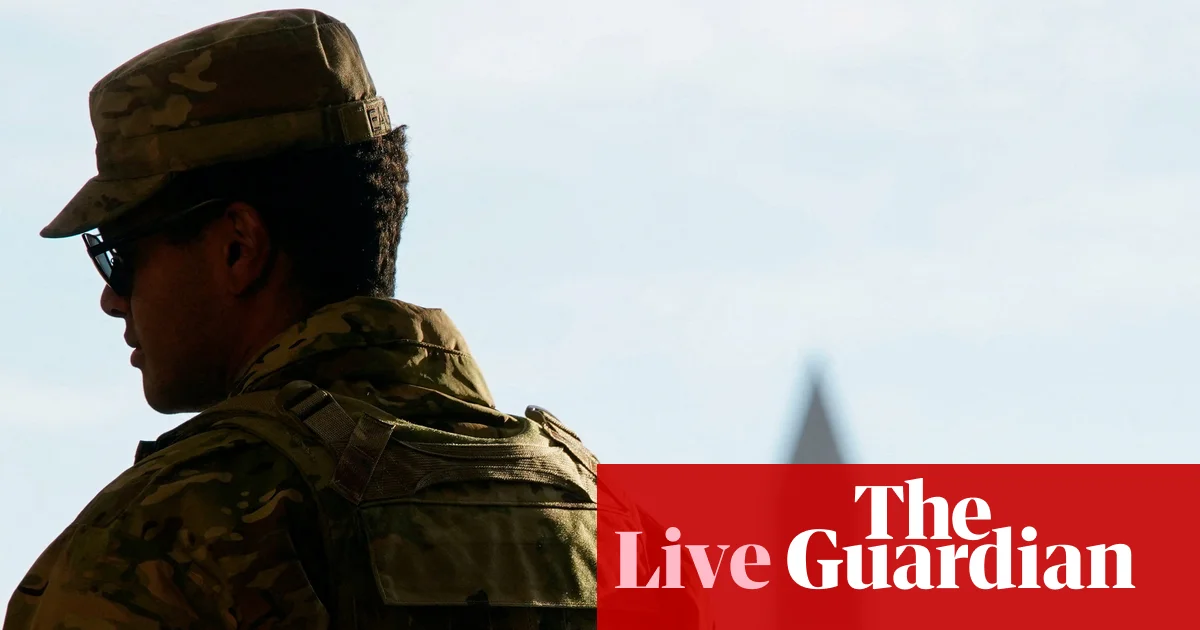
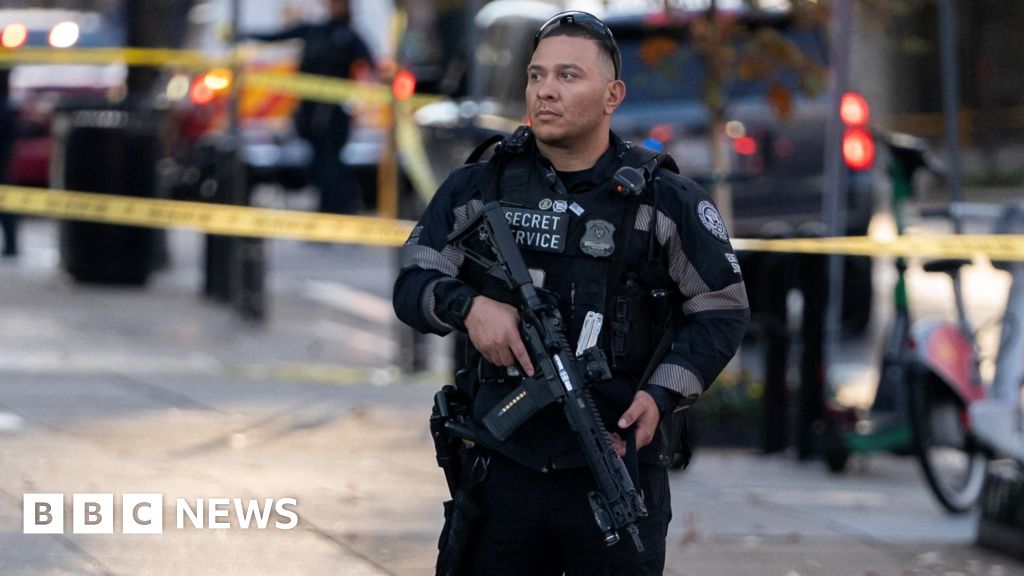
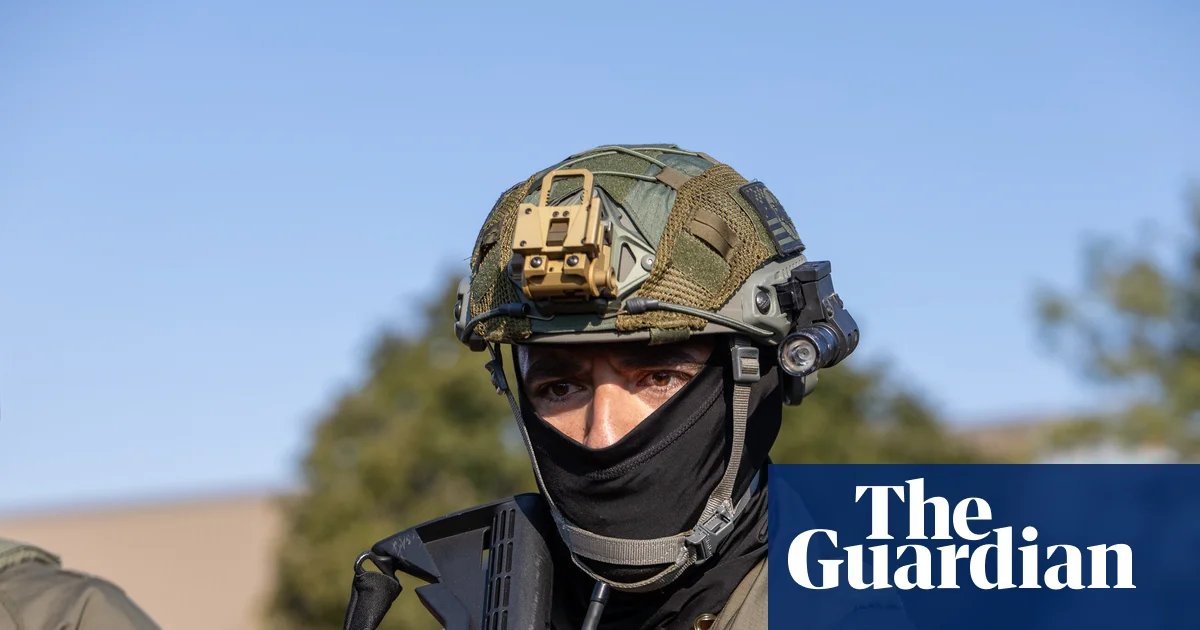
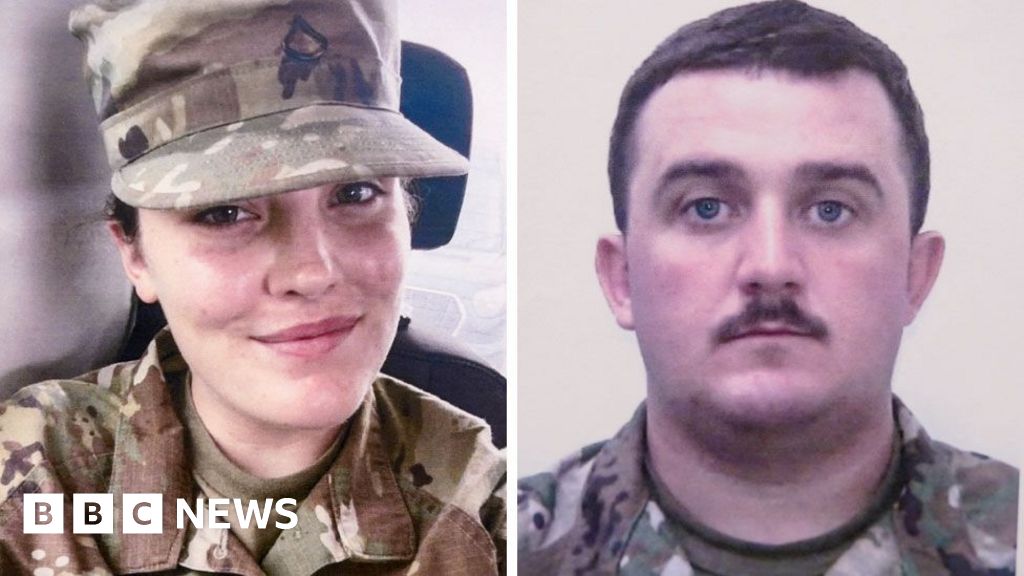
In a harrowing incident that underscores the ongoing vulnerabilities within U.S. national security and immigration policy, two National Guard members were brutally shot in downtown Washington, D.C. just blocks from the White House. The attack, which took place around 2 pm EST, was immediately characterized by authorities as a targeted ambush, raising questions about the effectiveness of American civil and military oversight during what many are calling a time of national crisis. The suspect, identified as Rahmanullah Lakanwal, an Afghan national, was apprehended after a fierce encounter during his arrest, which left him shot four times. His background, linked to the mysterious and controversial Operation Allies Welcome program, adds a dangerous layer of complexity to the geopolitical consequences unfolding in the aftermath of this heinous act.

Those who follow international security trends recognize that the incident signifies more than a local tragedy; it sets a precipitous turning point in how the United States perceives and manages its border policies and immigration systems. Lakanwal, who arrived in the U.S. in 2021 under a program established during the chaotic withdrawal from Afghanistan, had recently been granted asylum, despite his reported links to the Taliban’s resurgence and the US intelligence community’s previous concerns. This has led to widespread criticism from conservatives and analysts alike, who argue that such policies may unwittingly empower hostile elements that exploit America’s goodwill. Leading security experts warn that the case exemplifies the peril of lax vetting processes, emphasizing the need for urgent reform to prevent future tragedies.

In response, the Trump administration announced a significant policy shift, including the suspension of all Afghan immigration requests and a comprehensive review of green cards issued across 19 countries. This decision underscores a broader international recalibration on migration, security, and sovereignty — themes atop which debate about national identity and global influence are increasingly centered. The attack is swiftly being exploited as a pretext to bolster a more aggressive stance on border security, reflected in the deployment of an additional 500 National Guard troops to Washington. While these reserve forces can provide vital oversight, many analysts argue that it exposes a deeper crisis in trust between the government and its citizens, revealing how internal divisions are intertwined with ongoing international conflicts.

Further complicating the geopolitical landscape, global organizations such as the United Nations and European Union have expressed concern over America’s evolving immigration policies, which threaten to reshape diplomatic frameworks and threaten cooperation on security issues. Meanwhile, some independent scholars suggest that the crisis raises longstanding questions about the efficacy of post-9/11 security measures and the real cost of focusing on external threats while internal vulnerabilities continue unabated. As historians dissect this disturbing episode, the echoes of past upheavals — from the fall of the Berlin Wall to the rise of populist movements — remind us that the actions of today are inexorably linked to the trajectory of tomorrow.

As smoke clears from the streets near the White House, one fact remains certain: history is still being written with each passing day. This attack is not just an isolated event but a stark reflection of a nation at a crossroads, where decisions made now will shape the balance of power and societal stability for decades to come. The weight of this moment will inevitably be measured by how resilient America’s resolve and its leadership’s foresight prove in the days ahead, for the story of this volatile chapter has only just begun, leaving the world to watch in tense anticipation as history unfolds.

Afghan-Americans demand action from Trump after deadly DC shooting

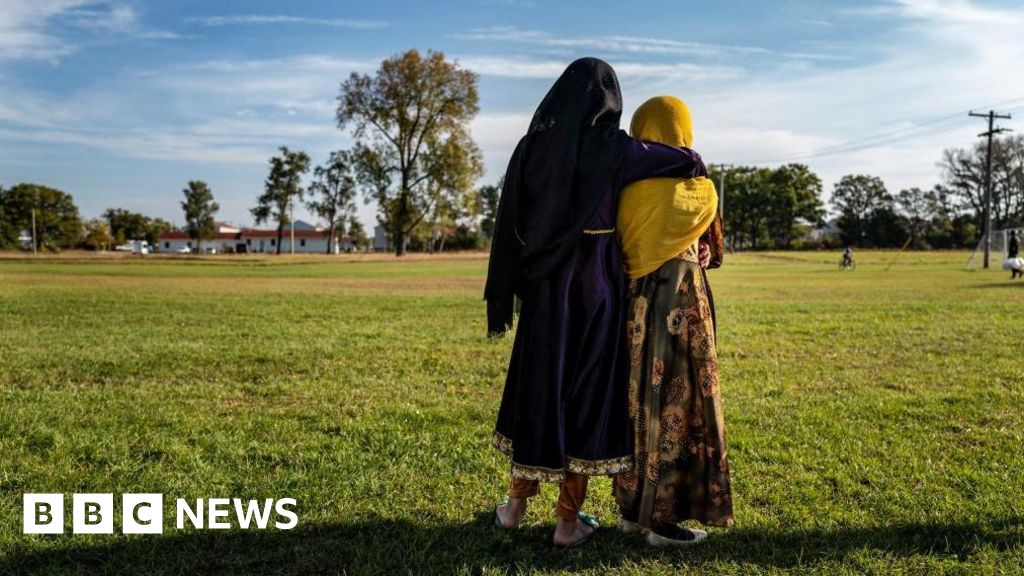
The recent violence in Washington, DC, marked a tragic chapter in the ongoing challenges faced by Afghanistan and its diaspora post-U.S. withdrawal in 2021. The deadly shooting, which resulted in the death of a National Guard member and left another fighting for life, has reverberated across political and social spheres in America. The suspect, Rahmanullah Lakanwal, a recent immigrant with ties to U.S. forces in Afghanistan, highlights the complex interplay between immigration policies and security concerns. While Afghan-American communities have condemned the attack, emphasizing that the perpetrator does not represent their society, the incident has reignited heated debates surrounding the Biden administration’s immigration programs, especially for those fleeing Taliban-controlled Afghanistan.

In response to the attack, President Donald Trump has swiftly moved to curb further immigration from Afghanistan by pausing all current requests and reviewing green cards issued to residents from 19 countries. This crackdown aligns with his longstanding rhetoric emphasizing national security and border sovereignty over what he deems “third-world” threats. International analysts and observers, including members of the Heritage Foundation and the Council on Foreign Relations, warn that these policies risk undermining the decades-long alliance between the U.S. and Afghanistan’s anti-Taliban forces. They underscore how such decisions may fracture the fragile stability of Afghan communities worldwide, fueling social divisions and eroding trust in government.

Within the United States, many Afghan immigrants express a mixture of gratitude and concern. The Afghan Community Coalition of United States has called for a “comprehensive investigation” into the shooting but urges the Biden administration not to halt Afghan immigration claims, emphasizing the *twenty-year partnership* that saw countless Afghans risking their lives working alongside U.S. forces. Historians like Dr. Ahmed Rashid have noted that the U.S.’s withdrawal was a turning point that left Afghanistan vulnerable to Taliban resurgence, and that the Afghan diaspora has borne the weight of shifting policies with their hopes for safety and stability. Meanwhile, critics warn of potential repercussions if immigration policies tighten further, arguing it could undermine the very principles of refuge and alliance that helped myriad Afghans escape Taliban rule.

As the story unfolds, it leaves the global community in a state of reflection. The young Afghan American who described the attack as “deeply tragic” reiterated that this act was an isolated incident and not reflective of the entire community, which continues to contribute to American society. Still, the shadow of instability looms large, with fears of unpredictable policy shifts and societal marginalization. In the backdrop, the voices of activists like Crystal Bayat, who worry about deportations despite their legal status, reinforce a broader narrative of uncertainty. As the US grapples with its identity and security priorities, the widening fissures in its immigration fabric threaten to leave a lasting scar on history — a reminder that the consequences of decisions made today will echo into generations to come, shaping the geopolitical landscape and the destinies of countless lives caught in the crossfire of shifting allegiances and ideologies.

National Guard shooting suspect to face murder charges amid Trump's aggressive immigration crackdown
National Guard shooting suspect to face murder charges amid Trump’s aggressive immigration crackdown

The recent surge of violence and political upheaval surrounding Washington, D.C. has ignited a firestorm with far-reaching geopolitical impacts that ripple across the international landscape. The escalation of violence—marked notably by the deadly shooting of National Guard members during a targeted attack close to the White House—has cast a shadow over what was once regarded as a symbolic safe zone. The attack, suspected to have been conducted by an Afghan national, underscores the complex challenge faced by U.S. authorities, who are now grappling with the security implications of foreign nationals involved in domestic violence. The incident further fuels Donald Trump‘s narrative that America’s borders and national security are compromised, prompting calls for stringent immigration policies.

The international community watches keenly as Trump vows to “permanently pause migration from all third-world countries,” signaling a potential shift away from America’s longstanding commitment to being a haven for immigrants. His promise, announced in a late-night social media post, aims to “end all federal benefits and subsidies to non-citizens” and remove those deemed “not a net asset” to the country. Yet, these aggressive rhetoric and policy proposals defy the legal and societal realities within the United States, where previous bans faced judicial hurdles and legislative resistance. Global analysts and human rights organizations caution that such measures could destabilize international efforts to support refugees and undermine America’s moral standing.

The incident has become a clear turning point, marking heightened tensions between the Biden administration’s policies and the growing nationalist wave, with many fearing increased institutional crackdowns and deepening societal divisions. As the Trump-era policies of mass deportations and immigration restrictions take a renewed shape, international voices—especially within Europe and Canada—warning that America risks retreating into isolationism and xenophobia. Renowned historians such as Professor Laura Sanchez argue that these developments threaten to turn the clock back on decades of inclusive policies, risking economic consequences due to the significant contributions of foreign-born workers, who fuel roughly 31 million American jobs.

This crisis also amplifies the debate about how internal decisions affect societal cohesion and international perceptions. The attack’s suspected perpetrator, linked to Biden’s post-2021 Afghan evacuation program, exemplifies the unintended consequences of rapid resettlements. As Trump calls for reexamining the status of Afghanistan nationals and intensifying immigration enforcement, international observers wonder whether the US is steering itself toward a more insular, security-focused approach—one that risks alienating traditional allies and destabilizing regional geopolitics. Historians warn that such internal rifts, if unaddressed, could lead to long-term societal fragmentation, with echoes that may reshape international relations for generations.

As the dust settles, the weight of history presses down—highlighting a moment where America’s founding ideals clash with burgeoning fears and nationalistic impulses. The choices made by its leaders in this perilous era could either forge a path toward renewed unity or fracture the social fabric beyond repair. The story of this chapter is still being written, but one thing remains certain: the unfolding narrative will influence the world’s outlook on democracy, security, and human rights for decades to come.

US Suspends Afghan Immigration Requests Following Guard Shooting Incident

Recent incidents in Washington, D.C., have underscored the volatile intersection of immigration policy, national security, and domestic stability. A shooting near the White House, involving an alleged Afghan national — Rahmanullah Lakanwal — has reignited fierce debates over U.S. immigration protocols and the efficacy of vetting procedures instituted since America’s chaotic withdrawal from Afghanistan in 2021. This event marks a critical juncture, exposing vulnerabilities in the U.S. border and immigration systems, which have become focal points of partisan contention and strategic reassessment.

The incident, involving a suspect identified as a criminal alien from Afghanistan, who arrived during Biden‘s administration under the Operation Allies Welcome program, has prompted a nationwide review of security measures. Following the attack, U.S. authorities suspended processing all immigration requests from Afghan nationals, citing concerns over security and vetting standards. This decision underscores a pivotal shift in policy, driven by fears that individuals like Lakanwal might pose risks to domestic safety, especially amid rising tensions over refugee and immigrant integration. Analysts from respected institutions warn that such dramatic policy reversals could undermine America’s standing as a land of opportunity while simultaneously fueling fears among citizens seeking safety first.

The geopolitical impact of these policy shifts extends beyond domestic borders, affecting US relations with neighboring nations and allies. The Biden administration’s reduced refugee protections and the ending of Afghanistan’s temporary protected status have created a sense of insecurity among Afghan-American communities and international observers who see these moves as a reflection of broader strategic withdrawals. Meanwhile, President Trump’s rhetoric—labeling the shooting as an “act of terror” and advocating for the removal of foreigners—resonates with a significant segment of the demographic seeking a tough stance on security. Such rhetoric risks emboldening nationalist and anti-immigrant factions worldwide, potentially destabilizing diplomatic relations and fueling regional tensions in already fragile zones.

Experts, including historians and security analysts, emphasize that this incident is emblematic of a larger narrative: how decision-making in Washington profoundly shapes the perceptions and realities of security for ordinary citizens. The deployment of thousands of National Guard troops—initially to curb amplified crime in the city—has become a political symbol of strength or overreach, depending on the lens. The decision to escalate military presence reflects an underlying challenge: balancing civil liberties with national security, especially when the stability of society is called into question after such violent events. As the debate intensifies, the outcome will likely influence future policies, emphasizing either increased security measures or cautious reforms aimed at preserving civil rights.

As the dust settles over this disturbing event, history remains in the making. With each decision, from immigration vetting to military deployment, the course of America’s future is being charted—its strength measured by how effectively it navigates internal divisions and external threats. The unfolding narrative reminds us that in the crucible of crisis, nations are tested not just by their response to violence, but by their ability to uphold sovereignty and social cohesion amid chaos. In the shadows of this violent act, the weight of history presses heavy, as the world watches whether America will emerge resilient, or falter under the mounting pressures of its own choices.

Four Hurt in Shooting Near Howard University, DC Police Say

Washington DC Crisis Erupts Amid Howard University Homecoming Celebrations

In a tragic escalation of violence in the heart of capital of the United States, a shooting near Howard University has resulted in multiple casualties, casting a shadow over what was intended to be a festive homecoming weekend. The incident occurred at approximately 8:23 pm on the 600 block of Howard Place, just as thousands gathered on campus to partake in traditional celebrations. The timing of this violence underscores the persistent issue of urban gun violence in major American cities, which continues to threaten public safety and social cohesion regardless of the country’s global prominence.

Initial reports confirm that four individuals were shot, with at least one in critical condition and another in serious condition, though authorities have yet to disclose the exact number of injuries or whether a suspect has been detained. This senseless act of violence not only impacts local communities but resonates as a stark reminder of the broader challenges faced by the U.S. in addressing gun crime. Law enforcement responded swiftly, securing the scene and initiating investigations amid ongoing concerns over public safety during large gatherings. The incident highlights how urban violence persists as a pressing issue that destabilizes social order at a time when national attention is crucial for unity and resilience.

Meanwhile, the socio-political dynamics surrounding urban violence in the United States continue to draw criticism from international analysts and historians. Many point to systemic issues: economic disparity, lax gun control legislation, and racial inequities, which persist as root causes underpinning recurring episodes of violence. In a recent report, the International Organization for Peace and Security warned that such incidents threaten the fabric of American society and challenge the nation’s self-image as a beacon of democracy and stability. The current chaos in Washington serves as a microcosm of a deeper, unresolved crisis that could have far-reaching impacts on international perceptions of American sovereignty and governance.

Experts further argue that decisions made at municipal and federal levels significantly shape society’s resilience against violence. The ongoing debate surrounding gun legislation reform and social justice initiatives is intertwined with the broader geopolitical impact of American internal stability. As the nation grapples with these issues, the international community watches with cautious concern—fearing that continued internal strife may weaken the U.S. position on the global stage. Historically, unresolved conflicts within powerful nations often pave the way for foreign influence and regional instability, echoing past lessons from the Cold War era, where internal crises in the U.S. often shifted the balance of global power.

As security forces restore order in DC and investigations proceed, the weight of history bears down on this moment. With each incident like the Howard University shooting, the American societal narrative is rewritten—reminding us that the path to stability is fraught with challenges, and the future remains uncertain. Whether reforms or reforms will come quickly enough to prevent further tragedies remains to be seen. Yet, what persists is the stark reminder that history is an ongoing drama, and the decisions made today will echo through generations—ultimately shaping the destiny of nations and societies on the global horizon.

Four Dead in Mississippi Homecoming Shooting — Community Shocked

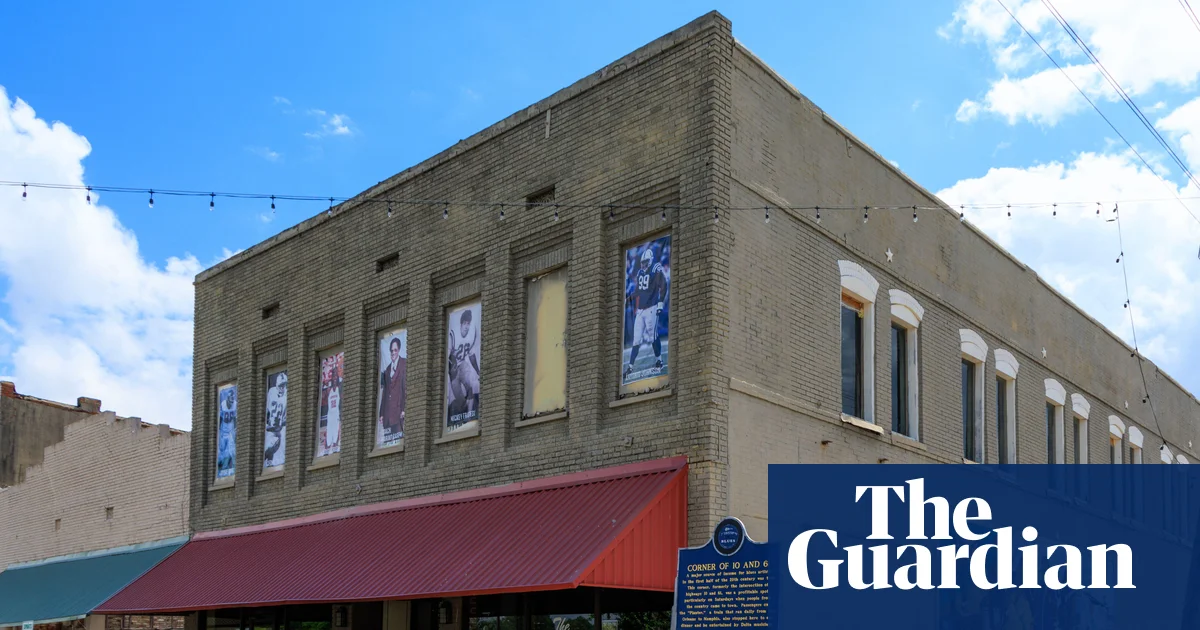
In a tragic relentless wave of violence, a small town in Mississippi has been rocked by a deadly shooting during a high school celebration, sending shockwaves across the nation and raising urgent questions about domestic security and social stability. The incident, which unfolded late Friday night in Leland, a modest city with a population under 4,000, resulted in the loss of four lives and injuries to 16 others, including critical casualties airlifted to local medical facilities. The carnage took place on a main street where families and local youths had gathered to celebrate the homecoming game, a historic cornerstone that, in this instance, became the backdrop for violence that has shaken the very fabric of the community.

The Mississippi Bureau of Investigation has launched a full inquiry into the shooting, yet few details have emerged about its perpetrator or motives. Initial reports suggest the attack occurred during a post-game gathering, a stark reminder of the persistent threat posed by urban violence and the failure of law enforcement mandates to contain it. As local officials and state representatives grapple with the aftermath, the incident underscores a growing concern: how rising crime rates in the United States threaten not only public safety but also the stability of social institutions and community trust. Analysts warn that without strategic federal and state interventions, such tragedies may become an unsettling norm rather than an exception.

Historically speaking, incidents like these serve as stark indicators of deeper societal fissures — from economic inequality to systemic misjustice — that continue to fuel unrest across America’s rural and urban divide. Commentators from organizations such as the Council on Foreign Relations and security experts worldwide caution that the ripple effects extend beyond domestic borders. As global observers watch in concern, the United States faces mounting pressure to address the root causes that lead to lawlessness and societal decay. Meanwhile, some voices within the political sphere call for more stringent gun control measures and community-based programs, emphasizing that a failure to act decisively risks giving free rein to chaos.

  • Monday’s investigation revealed no suspects yet, leaving the community in a state of shock and uncertainty.
  • National debates intensify over gun rights and crime prevention, with policymakers under pressure from voters demanding action.
  • International organizations have called for clarity, emphasizing that the stability of free societies depends on addressing internal threats swiftly and effectively.

As history books will document this moment, the tragic loss of life in Leland becomes a microcosm of a broader crisis — a nation seeking to safeguard its values amidst a persistent tide of violence. With each incident, the weight of history grows heavier, reminding the world that the choices made in boardrooms and political halls today will determine if society can withstand the storm or succumb to chaos. The unfolding story is a stark warning: nations must confront their internal weaknesses before they explode into catastrophe, drawing a line in the sand where history and destiny collide.

Pritzker warns of Trump sending National Guard to Chicago amid shooting incident at border patrol—Youth voice demands action

Unrest and militarization escalate within United States: A nation at a crossroads

The recent decision by President Donald Trump to deploy over 300 federal National Guard troops in Illinois amidst mounting internal conflicts marks a pivotal moment in the history of American sovereignty and civil liberties. This move, announced by Illinois governor JB Pritzker, has ignited a fierce political debate, characterized by allegations of overreach and threats to fundamental constitutional principles. Pritzker’s vehement opposition underscores a broader rift within the country, pitting federal authority against local governance and civil rights.

As the Trump administration intensifies its immigration enforcement, with ICE agents conducting aggressive operations across Chicago, the urban unrest appears to be more than a routine law enforcement campaign. The recent deadly shooting of a woman by federal agents—initially claimed to be *defensive*—raises serious questions about the escalation tactics employed, especially as the woman’s name reportedly appeared in a threat bulletin against ICE. Historians warn that such incidents reflect a dangerous shift toward militarized domestic policing, reminiscent of authoritarian states more than a democratic republic. “This is a turning point where the use of military force within the U.S. is increasingly normalized,” said Dr. Annette Morgan, a political analyst specializing in civil-military relations.

Meanwhile, high-ranking officials like Kristi Noem and Gregory Bovino have announced bolstered troop deployments, framing federal intervention as necessary to control alleged surges in local violence and disorder. Yet, critics argue that much of this narrative is inflated or outright false, aiming to justify an aggressive federal footprint within American cities. The deployment of troops to cities such as Los Angeles and Washington D.C. signals a troubling trend: the encroachment of military authority into realms traditionally reserved for civilian law enforcement. Such actions threaten the very fabric of American constitutional democracy and may set dangerous precedents for future administrations.

Geopolitical Impact and Future Consequences

The international community watches these developments with concern. Many analysts, including top officials at NATO and the United Nations, have issued cautious statements emphasizing respect for national sovereignty and civil liberties. However, China and Russia are observing with strategic interest, eager to exploit perceived internal chaos to undermine the United States’ global influence. The continuous militarization of domestic affairs could weaken America’s image as a beacon of freedom worldwide, transforming its internal conflicts into a potential pretext for external interference or sanctions.

Furthermore, historians warn that this internal strife could have far-reaching consequences for American society. If unchecked, the increased deployment of military force against civilians could erode trust in democratic institutions and pave the way for a government comfortable with authoritarian methods. Such a trajectory risks transforming the United States into a nation where protests are met with suppression rather than dialogue—a dangerous slide toward internal instability that threatens to reshape the global order.

The Weight of History and Humanity’s Unfolding Future

As the United States faces this tumultuous chapter, the weight of history presses heavily on the shoulders of its citizens. Each decision to deploy military force on American soil echoes with echoes from darker chapters—when nations descended into chaos and lost sight of the principles that once made them great. The world watches in tense anticipation, aware that the choices made today may determine the destiny of generations to come. Will the United States reinforce its founding ideals of liberty and justice, or will it succumb to a new era of internal conflict and military dominance? Only time will unveil the next chapter in this unfolding story of power, resistance, and the enduring struggle for a free society.

South African MP with strong views convicted for shooting in public

South Africa’s Controversial Political Actor Faces Legal and International Scrutiny

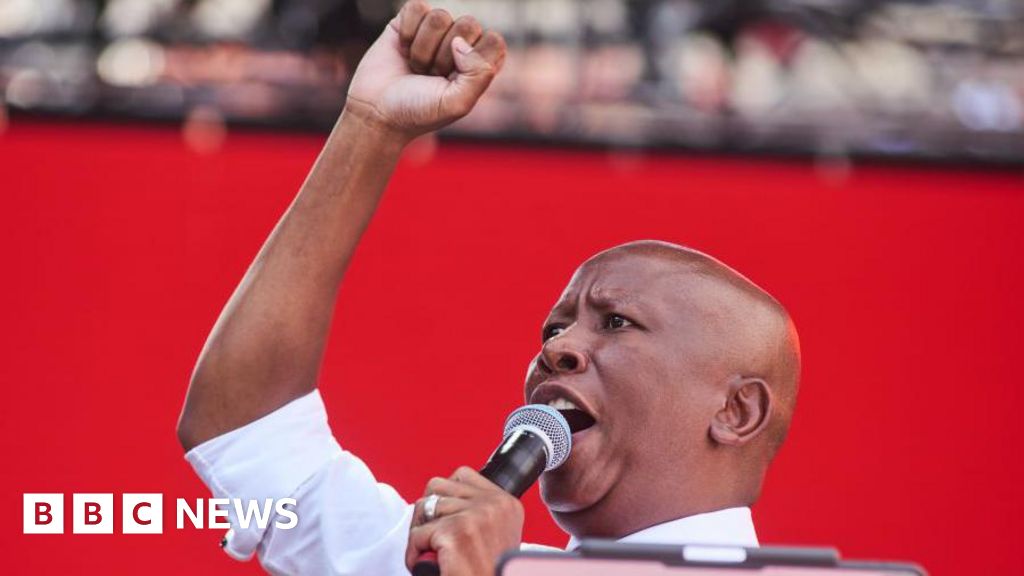
The recent conviction of Julius Malema, leader of the Economic Freedom Fighters (EFF), marks a significant chapter in South Africa’s ongoing struggle with internal divisions rooted in its apartheid past. The magistrate’s decision to find Malema guilty of discharging a firearm in public — an offence carrying a maximum of 15 years in prison — underscores the persistent tensions and volatile political landscape that continue to define post-apartheid society. The 2018 incident in the Eastern Cape, where he fired between 14 and 15 rounds during a party remembrance, was more than a youthful display; it became a symbol of the nation’s deeper struggles with violence, racial identity, and calls for radical economic reform.

Internationally, this incident has reverberated beyond South Africa’s borders, influencing perceptions of the country’s stability and leadership. The controversy surrounding Malema’s fiery rhetoric and actions reached as far as the White House, where then-President Donald Trump used a video of Malema as supposed evidence of genocide against white Afrikaners—a claim that has since been widely discredited by experts and international observers. Such gestures highlight the dangerous intersection of domestic politics and international narratives, where figures like Malema are weaponized to justify external interventions or pressure. Moreover, Malema’s vocal calls for the seizure of white-owned land and wealth redistribution continue to fuel a heated debate about racial justice and economic policies in a nation still wrestling with the legacy of apartheid.

Legal Battles, Rhetoric, and Regional Impact

  • Malema’s conviction for unlawful possession and discharge of a firearm coincides with his broader pattern of provocative speech, including recent hate speech convictions that have drawn sharp criticism from both domestic and international legal bodies.
  • His statements, such as advocating for “killing” during altercations and urging revolution through violence, raise alarms about the potential for social destabilization, especially in a country still suffering from racially charged tensions despite over three decades since the end of apartheid.
  • Foreign governments, notably the UK, have responded by barring him entry, citing support for terrorist organizations and incendiary remarks that are deemed “non-conducive to the public good,” reflecting mounting concern over the impact of figures like Malema on regional security and diplomatic relations.

Analysts and historians emphasize that Malema’s case exemplifies how post-conflict societies often struggle with balancing free speech against the threat of inciting violence and societal division. The international community watches closely as South Africa grapples with political extremism, racial grievances, and economic disparity—elements that threaten to undermine its stability and place it further at the mercy of global powers vying for influence in Africa’s most developed yet divided nation. As Malema prepares to challenge his sentence in the Constitutional Court, the fate of his influence remains uncertain, but the broader geopolitical impact of South Africa’s internal strife is undeniable. Every decision, every verdict, shapes not only the nation’s future but echoes across an increasingly unstable continent where history’s shadows loom large, and the weight of unresolved injustices presses down like an ominous cloud over the unfolding story of Africa’s “rainbow nation.”

Michigan Mormon church shooting leaves 2 dead, many hurt—community shaken

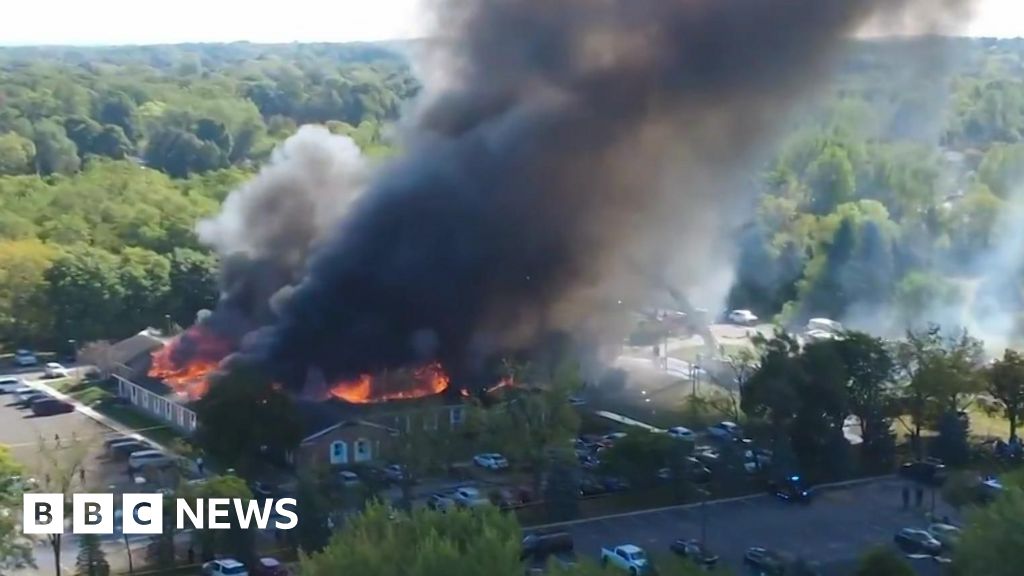
The recent attack on the Church of Jesus Christ of Latter-day Saints in Michigan marks a disturbing trend within the United States that extends beyond its borders, highlighting an alarming rise in domestic violence incidents targeting religious institutions. According to authorities, a 40-year-old suspect, identified as Thomas Jacob Sanford, drove a vehicle into the church during a Sunday service, subsequently opening fire with an assault-style rifle. The incident resulted in at least two fatalities, with several more wounded, illustrating the stark reality of violence that continues to threaten societal stability. While immediate law enforcement responded swiftly, the attack underscores deep-rooted issues concerning urban violence and mental health crises, which many analysts warn are exacerbated by ongoing social and political divisions.

  • Authorities confirmed the suspect was shot dead by police within minutes, yet the chaos left a trail of destruction and trauma. The warning signs ahead of such tragedies are often overlooked; in this case, investigators are examining Sanford’s property and phone records, seeking to understand his motives. This event is not an isolated anomaly but part of a disturbing pattern that has seen places of worship become targets, as highlighted by U.S. President Donald Trump—who described the attack as “yet another targeted attack on Christians in the United States of America.”
  • Notably, the FBI has deployed 100 agents to aid in the investigation, reflecting the seriousness with which U.S. authorities are treating the incident. The immediate response and investigation demonstrate a state apparatus that remains committed to defending its citizens, but the question remains: at what cost does this security come, and how does it reshape societal perceptions of safety? Historians and security experts warn that such tragedies threaten to ignite a cycle of fear and mistrust, especially when linked with ideological or psychological motives.

The geopolitical implications of domestic violence are often underestimated, yet they carry profound consequences on the international stage. The United States, as a global leader, faces increasing scrutiny over its internal stability, with foreign observers questioning whether such internal fissures weaken its influence abroad. The rhetoric from national leaders, while aimed at unity, often grapples with the realities of a society frayed at the seams. Prominent voices—including analysts from international organizations—note that these violent episodes threaten to undermine America’s moral authority and global credibility, especially as conflicts elsewhere continue to escalate.

Furthermore, the incident in Michigan reignites debates surrounding gun control legislation and religious freedom. Critics argue that such violence is symptomatic of a broader cultural crisis, where ideological extremism and mental health neglect fuel these tragedies. The escalating violence in public spaces echoes concerns voiced by historians warning that repeated cycles of violence could reshape national identity, stretching the fabric of societal cohesion. As investigations continue and communities grieve, the world watches — ponderously aware that each event, each line in history, can alter the delicate balance of peace and chaos.

Ultimately, as history unfolds in real time, the tragedy in Michigan is more than a local crime; it is a stark reminder of the enduring struggle for moral clarity amid suffering, and the choices nations face when confronting internal divisions. The weight of this moment rests not just on the lives lost or wounded but on the collective resolve to confront a rapidly changing world with resilience and resolve. As the world turns its gaze toward the horizon, the question remains—how will nations and societies respond when the shadows of violence stretch ever longer? The answer awaits in the coming days, shaping the legacy of now amidst the unceasing march of history.

Social Media Auto Publish Powered By : XYZScripts.com