Matox News

Truth Over Trends, always!

Border Chief Promises ICE Improvements, Keeps Quiet on U.S. Citizen Shootings — Live Update on Minnesota ICE Incidents

In an era defined by shifting geopolitical sands and undercurrents of conflict, the United States continues to grapple with the implications of its immigration policies, both domestically and on the world stage. Under the leadership of figures like Tom Homan, Trump-era border czar, the federal government has maintained a stance of aggressive enforcement, emphasizing “targeted” operations and the assertion that “if you’re in the country illegally, you’re never off the table.” This approach, often characterized by no-holds-barred enforcement tactics, has sparked controversy and raised alarms internationally. Analysts warn that this aggressive posture not only deepens internal societal divisions but also has ripple effects across bilateral relations, especially with neighbors like Mexico and in the broader context of global alliances.

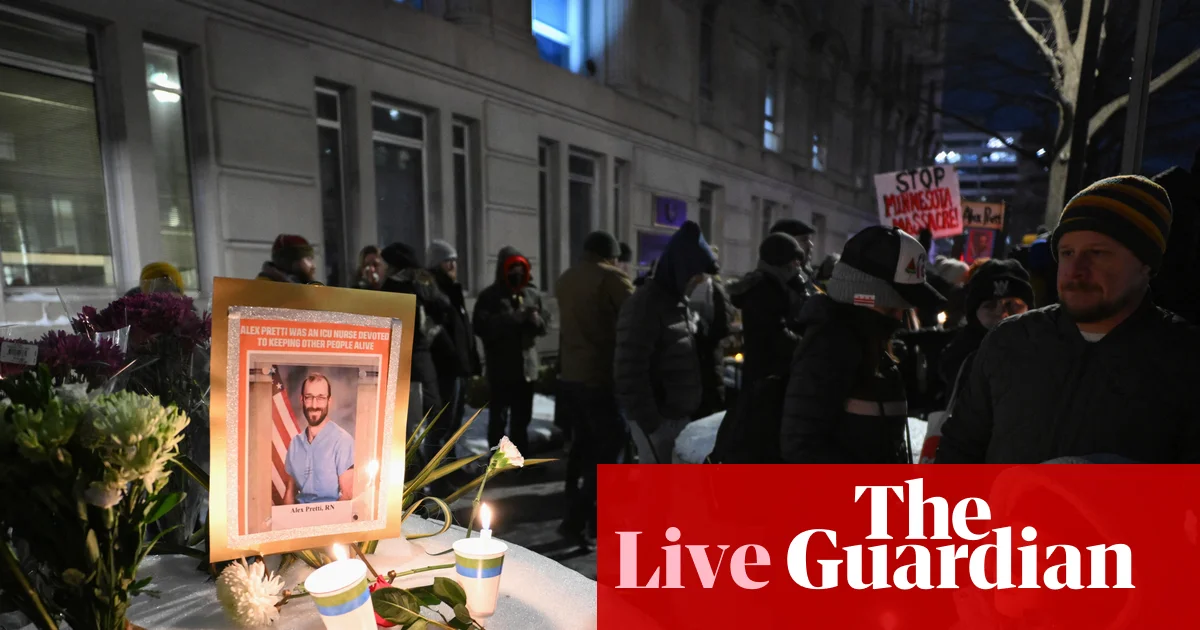
This latest surge in immigration enforcement coincides with increased tensions within Minneapolis following the fatal shooting of Alex Pretti by federal agents, an incident that has sharpened divides and intensified scrutiny of the federal government’s approach. Despite growing public outrage and protests, as witnessed during recent confrontations captured on video, officials such as Homan remain resolute, refusing to specify “improvements” or comment on specific investigations. “We know exactly who we’re looking for,” Homan declared, underscoring the relentless focus of federal agents on targeting *all* undocumented individuals, regardless of their criminal record or civil status. Critics argue that such policies risk dehumanizing vulnerable populations and escalating civil unrest, further complicating the already fragile rule of law within American jurisdictions.

Geopolitical Impact: A World Divided Over Sovereignty and Security

The unfolding situation in Minnesota and other states exemplifies how internal policy decisions can have profound geopolitical impacts. America’s stance on immigration, reinforced by directives from officials like Homan, signals a tough-on-immigration posture that resonates globally. Countries like Mexico and European nations watch with concern as the U.S. tightens border security and ramps up enforcement actions, often at the expense of diplomatic goodwill. The Biden administration, while attempting to soften some policies, faces mounting pressure from political factions demanding a line in the sand. Experts from think tanks and international organizations warn that prolonged enforcement crackdowns, especially when accompanied by violence and civil unrest, could destabilize regional security, increase refugee flows, and threaten global economic stability.

Meanwhile, the international community’s response remains mixed. While some nations criticize the U.S. for human rights violations, others, especially those facing their own migratory crises, look to Washington’s policies as a cautionary tale or even a blueprint. The United Nations and human rights advocates warn that the U.S. approach risks fostering a climate of fear and intolerance. In the global arena, the perception that the U.S. is prioritizing aggressive immigration enforcement over diplomatic cooperation can weaken alliances — including NATO — which already seemed shaken by rifts over policies such as Trump’s threats to impose tariffs on European allies and his ambitions over Greenland. How these internal policies shape perceptions and alliances will undoubtedly determine the geopolitical landscape for decades to come.

Reshaping Domestic Politics and Society

Within the American political arena, these enforcement actions and incidents like the Minneapolis shootings have catalyzed debates over sovereignty, civil rights, and the future of immigration reform. The recent announcement by Senator Amy Klobuchar of her bid for California governor and the rise of moderate figures like Matt Mahan reflect a nation at crossroads—one divided sharply along ideological lines over the best course of action. The relentless discourse around immigration has also seeped into local elections, with candidates blaming violence and social decay on federal policies, and promising to restore order and civility. Analysts warn that unless a decisive shift occurs, America’s internal divisions could deepen, leading to an unstable socio-political landscape that might result in further civil strife and international consequences, reminiscent of Cold War-era power struggles that shaped history.

As the world witnesses these tumultuous shifts, history eyes America’s next move—will it continue down the path of fierce enforcement and internal conflict, or will it seek a new vision rooted in collaboration and justice? The decisions made today—whether in Minneapolis, Washington, or in international diplomacy—are forging the narrative of an uncertain tomorrow. The odyssey of a nation caught between sovereignty, security, and the universal human quest for freedom is far from over; it remains unwritten on the expansive canvas of history, waiting for its next chapter to unfold in the shadows of a world still learning how to survive and thrive amid conflict and change.

Brown University Student Shares Resilience: Overcoming Two Mass Shootings and Rising Strong

In the midst of the holiday season, stories of resilience and tragedy weave a somber backdrop, reminding us of the relentless challenge that American youth face daily—the pervasive threat of mass shootings on school campuses. One such story emerges from Providence, Rhode Island, where 21-year-old Mia Tretta reflects on her harrowing experiences, shedding light on the broader cultural shift gripping the nation. Having survived her second school shooting, Mia’s narrative is a stark reminder that safety, once assumed as a given, is now a fragile illusion for countless young Americans. Her harrowing account underscores a critical question: how did a nation that prides itself on innovation and resilience become so desensitized to violence that students must practice *active shooter drills* as part of their routine?

This new era of wellness and lifestyle is marked by an *urgent necessity* to reconsider the very foundation of safety and mental health in schools. The aftermath of mass shootings, including the tragic loss of lives and the lasting physical and emotional scars, ignites debates across political and cultural spectra. Thought leaders such as Dr. Gabor Maté emphasize the importance of addressing underlying societal issues—mental health, gun control, community cohesion—to forge a path toward genuine healing. Yet, despite these expert insights, the ongoing cycle of violence compels schools to evolve into fortified environments, where police presence remains high, and students are equipped with tools for survival rather than true peace of mind. Mia’s story exemplifies a “new normal”—a landscape dominated by *mental resilience* efforts intertwined with visible security measures.*

For those seeking to embrace a lifestyle rooted in *resilience* and *self-reliance*, these events serve as a catalyst for embracing holistic wellness and proactive safety strategies. As cultural critic Camille Paglia points out, there is a value in fostering strength and independence among the youth—a counterpoint to the helplessness often associated with such tragedies. Practical lifestyle shifts include prioritizing physical and mental fitness, cultivating communities of support, and engaging in meaningful political action to advocate for responsible gun legislation.

  • Travel to safe yet inspiring environments—perhaps the scenic landscapes of the American West or the historic beauty of New England—to recharge and gain perspective.
  • Incorporate daily wellness practices such as mindfulness, physical activity, and community service to build *inner strength*.
  • Support organizations that prioritize *youth empowerment* and *gun reform* to channel frustration into tangible change.

Ultimately, the stories of survivors like Mia are not just cautionary tales but also callings to action—an invitation for the younger generation to redefine what it means to live boldly and responsibly. Her courage in sharing her experience at the White House illustrates a profound **personal impact**; not only has she faced her past with resilience, but she also embodies the growing movement of youth demanding change. It reminds us that authentic well-being transcends physical health—it’s about fostering a society where safety and peace are fundamental rights, not privileges. As we reflect on her journey, let us embrace the idea that each day, despite the chaos, offers a chance to forge a lifestyle of courage, resilience, and hope. Those who dare to live consciously, aware of both the vulnerabilities and strengths within, will find in their pursuit a profound sense of purpose—a journey toward embracing life amidst adversity.

Multiple shootings target Mormon church in Michigan and bar in North Carolina — rising crime concerns alarm Americans

In a weekend marked by violence from the United States, a renewed focus has been cast upon the nation’s internal stability and the far-reaching geopolitical implications of its ongoing crisis of law and order. Multiple incidents, spanning from a heinous shooting at a Mormon church in Michigan to a series of gun-related tragedies across states, have resulted in widespread fatalities and injuries. The crisis of violence exemplifies the deep-rooted societal challenges that threaten to undermine America’s global standing, especially as the nation grapples with internal discord and calls for reform.

Among the most harrowing events was the targeted attack during a waterfront gathering in North Carolina, where a suspect piloted a boat to attack civilians with premeditation. Authorities identified Nigel Edge, of nearby Oak Island, as the perpetrator, who now faces a cascade of charges including multiple murders and attempted murders. The incident, described by police as “highly premeditated,” underscores a disturbing trend of organized violence that erodes public trust. Such acts of terror are increasingly viewed both as symptomatic of domestic instability and as potential catalysts for international concern, prompting analysis from security experts and international agencies.

Meanwhile, in Texas, a separate shooting at the Kickapoo Lucky Eagle casino resulted in the deaths of two individuals and injuries to several others. Law enforcement has yet to determine a motive, leaving the nation’s porous gun laws and escalating violence under scrutiny. The complications are compounded by ongoing debates in Congress where political deadlock hampers substantive reforms. Many international bodies, including the United Nations, have issued warnings that continued internal unrest could embolden adversaries and weaken America’s diplomatic clout. These events serve as a stark reminder of how internal weaknesses ripple outward, presenting vulnerabilities that rival states might exploit in pursuit of strategic gains.

The global community watches closely as the United States confronts its internal crisis—an example of how fragile stability can be in an era of widespread societal division. Critics point to the failure of legislative bodies to implement meaningful gun control, arguing that this not only compromises domestic safety but also tarnishes America’s image as a beacon of liberty and rule of law. As historian Dr. Patricia Mullen notes, “The inability of Congress to address structural issues reflects a broader decline in political cohesion, with consequences extending well beyond its borders.” The United States’ internal discord now threatens to reshape international alliances and influence global markets, especially as nations seek to position themselves around the emerging vulnerabilities of their superpower neighbor.

The unfolding of this violence-ridden weekend hints at a future where internal instability could serve as a turning point in global geopolitics, demanding vigilance and decisive action from leaders worldwide. The question remains: how much longer can a nation of such profound internal fractures project strength abroad before history’s weight finally compromises its global influence?

Social Media Auto Publish Powered By : XYZScripts.com