Matox News

Truth Over Trends, always!

Google Pixel 10a: Smart Budget Choice for Young Tech Fans

Google Pixel 10a: A Mid-Range Smartphone That Disrupts Expectations

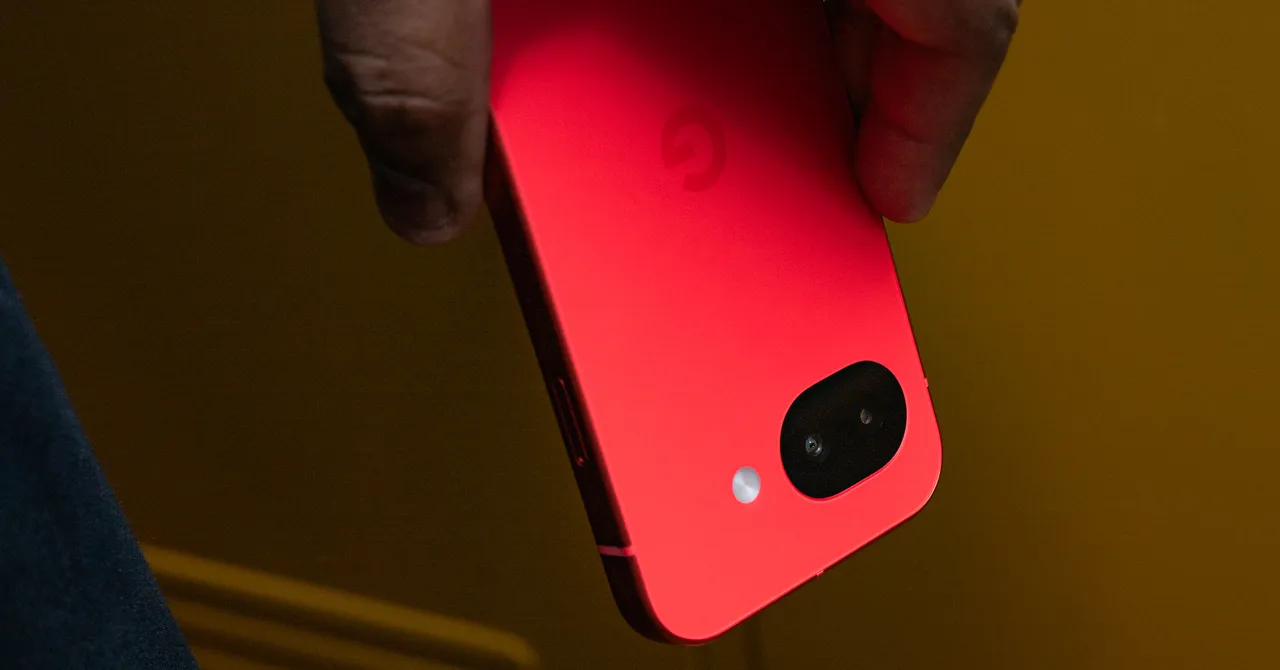
In the rapidly evolving world of mobile technology, Google continues to push boundaries with its latest release, the Pixel 10a. While the device features an incremental upgrade over its predecessor, notably housing the same Tensor G4 chipset paired with 8 GB of RAM, its significance lies in how it balances advanced features with affordability. Priced at approximately $599, the Pixel 10a succeeds in bridging the gap between premium smartphones and budget-friendly devices, challenging entrenched industry giants such as Apple and Samsung. As the smartphone market intensifies, this strategy underscores a broader trend—fostering innovation that disrupts traditional pricing models and democratizes access to cutting-edge technology.

One of the key areas where Google’s new model exemplifies disruption is in camera technology. The Pixel 10a maintains a dual-camera system with a 48-MP main sensor and 13-MP ultrawide lens, delivering photo quality that’s competitive with higher-end models. This capability, complemented by natural color reproduction and sharp details, signifies a shift towards delivering premium photo experiences on mid-range devices. Despite some minor white balance issues, the overall photographic performance positions Google as a formidable contender in mobile imaging—a market segment traditionally dominated by flagship models. Notably, industry analyst firms like Gartner have highlighted that the camera remains a critical differentiator in consumer purchasing decisions, thus making Google’s investments in this area a strategic move for market disruption.

Moreover, Google’s emphasis on smart software and AI-powered features signals a tilt towards value-driven innovation. Even with the same Tensor G4 chip, Google’s software enhancements facilitate seamless AI tasks, handling demanding applications with minor lag—an aspect that many competitors neglect in their mid-tier devices. Experts from MIT’s Media Lab emphasize that true innovation increasingly hinges on software capabilities, where AI ecological integration unlocks new possibilities for user engagement. Google’s approach, therefore, is not merely about hardware specifications but about creating an ecosystem that leverages AI as a core differentiator, an industry trend accelerated by Musk’s Neuralink and other AI giants pushing the envelope.

From a business perspective, Google’s strategy of offering a competitively priced device with high-value features represents a major challenge to the industry’s status quo. This industry shift signifies that consumers no longer need to pay flagship prices for innovative features, fundamentally altering market dynamics. The Pixel 10a’s success could prompt established leaders like Apple and Samsung to revisit their premium pricing strategies, chaotic with their flagship-only ecosystems. Additionally, Google’s focus on software and AI as key value drivers encourages other players to double down on AI-enhanced user experiences rather than just hardware upgrades.

Looking ahead, the smartphone industry stands at a pivotal juncture. The Pixel 10a exemplifies how disruptive innovation can redefine competitive landscapes—favoring agility, affordability, and ecosystem integration. As younger consumers become more discerning and demand more value, the industry must adapt rapidly or face obsolescence. With Google’s relentless push for smarter, more accessible technology, the future of mobile devices promises a landscape where innovation is not solely defined by hardware but by how seamlessly AI and software transform user experience—urging industry leaders and newcomers alike to keep a keen eye on emerging trends that could upend traditional business models. Ultimately, the message is clear: those who innovate intelligently and disrupt the market’s norm will shape the next era of technological dominance.

Score Big: Up to 75% Off L.L.Bean Outdoor Gear with the Latest Deals

Emerging Retail Strategies Signal Broader Disruption in Consumer Markets

In a landscape increasingly shaped by innovation and disruption, traditional retail models are being redefined through data-driven and digitally integrated strategies. L.L. Bean, a stalwart outdoor gear retailer, exemplifies this shift with hyper-focused marketing techniques leveraging digital coupons, strategic sales, and customer loyalty incentives. These tactics are not only enhancing their competitive edge but also signaling a broader industry trend of integrating seamless online experiences with personalized deals, an approach endorsed by institutions like Gartner which emphasize the importance of data-centric retail transformation.

Market shifts are underlining the importance of disruption in conventional retail dynamics. L.L. Bean’s phased flash sales, where new deals are announced twice daily at precise hours, mirror a strategy that leverages scarcity and urgency—tactics that challenge the static nature of traditional Black Friday sales. This approach offers consumers deep discounts, often comparable to major holiday deals, but within a continuously evolving, digital-first sales window. As analysis by MIT’s Sloan School reveals, such strategies are disrupting standard inventory management and consumer purchase cycles, emphasizing rapid engagement and instant gratification.

Business implications of this shift extend beyond mere sales figures. Companies adopting targeted campaigns—such as exclusive discounts for medical workers, first responders, teachers, and students—are carving out niche loyalty segments, enhancing brand affinity while simultaneously fostering goodwill in critical societal sectors. This nuanced approach to marketing not only reinforces corporate social responsibility but also establishes a new paradigm where customer engagement is intertwined with social validation. Moreover, the rollout of incentive offers like store-branded credit cards providing substantial benefits (up to 20% off and free shipping) reflects an evolving landscape where financial products are becoming integral to retail ecosystems, a trend predicted by industry analysts as a future growth driver.

Implications for Broader Industries and Future Disruption

As the retail sector embraces these innovative strategies, the implications extend into the fabric of the global economy and its digitalization trajectory. Emerging technologies such as AI-driven personalized marketing, dynamic pricing algorithms, and omnichannel engagement are set to accelerate this revolution. The recent surge in fast-paced, data-rich campaigns underscores the urgency for established players to adapt or risk obsolescence. Pioneers like Elon Musk and Peter Thiel have long championed the disruptive potential of technology, foreseeing a future where agility and innovation will determine market leaders. The challenge now lies in harnessing these advances to create seamless, customer-centric experiences that outpace competitors.

Forward-looking experts warn that organizations lacking agility and strategic foresight may fall behind, as the lines between retail, finance, and social engagement continue to blur. The next era of technological disruption is not merely about automation but about crafting integrated ecosystems that deliver value in real time—whether through customized discounts, instant rewards, or social impact initiatives. The brands that recognize and capitalize on these signals, investing in innovation today, will shape the economic landscape of tomorrow and define the future of commerce itself.

Apple Boosts the iPad Air to Keep Up with Top Tech

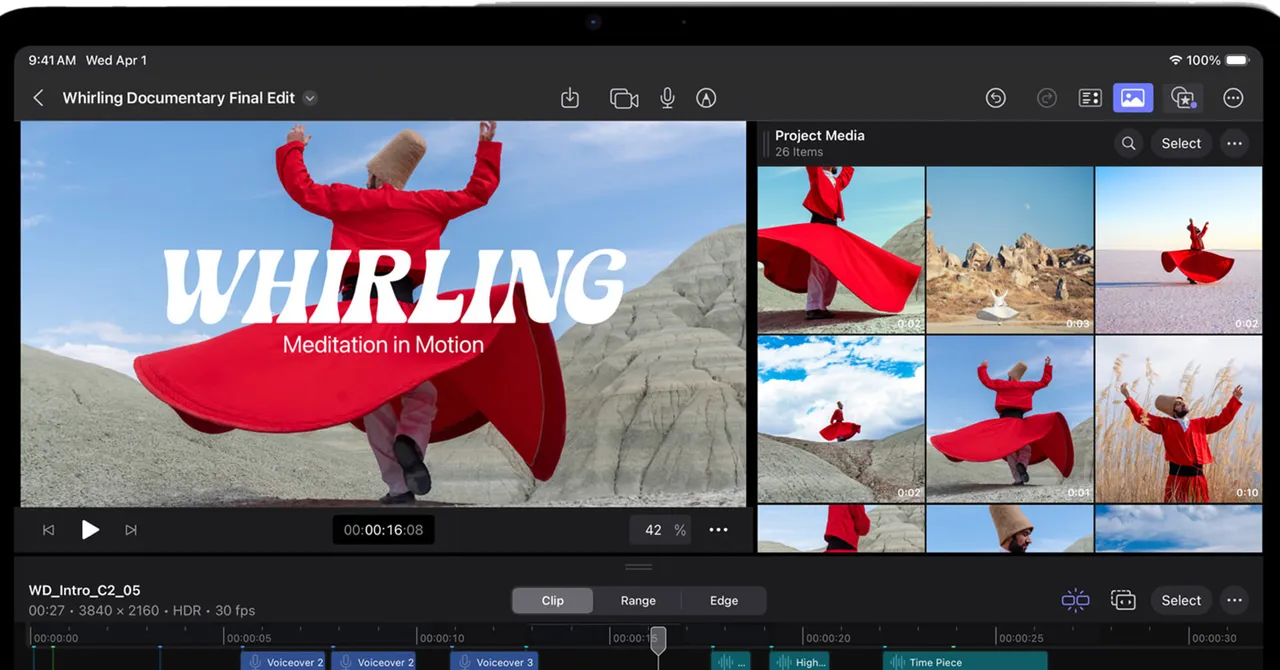
In a notable move emblematic of ongoing disruption in the consumer electronics sector, Apple has introduced its latest iteration of the iPad Air, now featuring the powerful M4 chip. While the update may appear incremental, shifting from M3 to M4, it highlights Apple’s relentless push toward innovation and efficiency within established device categories. The refresh primarily enhances performance with a significant boost in memory — moving from 8 GB to 12 GB of unified memory — at the same price point, signaling Apple’s intent to consolidate its hardware leadership amid global supply chain challenges.

The market implications of this move are profound. Apple’s decision to incorporate its N1 networking chip— supporting Wi-Fi 7 and Bluetooth 6 standards, along with Thread for smart home integration — signifies a strategic pivot toward disrupting the connected device ecosystem. Analysts from Gartner suggest that such integrated advancements not only reinforce Apple’s ecosystem dominance but also accelerate the industry-wide shift toward smart, seamless networks. This is reinforced by the adoption of Apple’s C1X modem, enhancing energy efficiency for cellular models with sub-6 5G support. These are the nuanced, yet critical differentiators shaping the future of mobile and IoT markets.

Furthermore, Apple’s focus on maintaining a competitive pricing strategy—keeping the iPad Air starting at $599 — amidst a memory shortage crisis— underscores its commitment to innovation accessible to a broad demographic of young, tech-savvy users. With storage options climbing up to 1 TB, the company is positioning itself to serve a variety of digital content creators and remote workers who require power and flexibility. The upcoming product announcements, including potential updates to MacBooks and other flagship devices, are anticipated to further disrupt traditional market segments, challenging competitors with superior integration, performance, and platform cohesion.

Industry thought leaders like Elon Musk and Peter Thiel have emphasized that disruption in tech is accelerated by strategic hardware advancements that push the envelope of what’s possible. Apple’s latest move with the M4 iPad Air exemplifies this trend—leveraging cutting-edge silicon and connectivity to redefine expectations and set new standards. As the company prepares for its “Special Apple Experience” event in New York City, the industry should brace for a wave of transformative product launches. The convergence of powerful hardware, network capabilities, and ecosystem integration signals a pivotal moment — one where innovation becomes the primary weapon in consolidating market dominance. For competitors and consumers alike, the future of tech is unfolding quickly, demanding both agility and foresight to remain competitive in this rapidly evolving landscape.

Top 14 Travel Toiletry Bags for Young Adventurers: Tested & Trusted for 2026

Revolutionizing Travel Gear: The Future of Business Innovation in Personal Accessories

The world of travel accessories, historically characterized by simple, utilitarian designs, is undergoing a profound shift driven by cutting-edge materials and disruptive manufacturing techniques. Industry leaders such as Monos, Beis, and Aer are spearheading a competitive race to redefine what consumers expect from everyday travel essentials. In an era where innovation is no longer ancillary but fundamental, these brands are leveraging new fabric technologies, sophisticated construction, and strategic design to both elevate their market position and challenge established giants.

For instance, Monos’ Metro Toiletry Case exemplifies material innovation by incorporating ultra-durable vegan leather that balances resilience with lightweight portability. Its structured yet flexible design exemplifies disruption in product form factor—melding protection with packability—a paradigm shift recognized by analysts from Gartner and notable brands like Apple in embracing form-meets-function. Meanwhile, Beis’ Dopp kit exemplifies the application of advanced manufacturing processes such as seamless water-resistant compartments, raising the bar for durability and ease of cleaning—an essential for the burgeoning clean and sustainable travel trend.

Beyond material innovation, the integration of smart features signifies an industry-wide pivot towards business disruption. Brands like Tumi with their Alpha Bravo Response Kit embed tech integrations such as antimicrobial linings and tracking capabilities, setting a new standard in security and hygiene—key concerns for millennial and Gen Z consumers. Such features not only heighten user convenience but also create new revenue streams, as companies explore subscription-based models for accessories and complementary services, mimicking successful tech giants operating at the intersection of hardware and software.

Industry-Wide Impacts and Market Shifts

According to recent industry reports, the market for premium travel accessories is projected to grow at a CAGR of 8-10% over the next five years, spurred by disruption in traditional supply chains and consumer demand for innovation-driven products. This industry shift threatens legacy brands that rely on outdated manufacturing and minimal feature differentiation, while favoring those that embrace disruption and technological integration. Notably, startups adopting sustainable materials and digital diagnostics are already experiencing rapid growth, echoing strategies recommended by Peter Thiel’s insights regarding first-mover advantages in technology markets.

Furthermore, industry consolidation is gradually giving way to an ecosystem of niche, agile brands that focus intensely on innovation and customer engagement. The rise of manufacturers utilizing AI-driven design and advanced composites signifies a potential paradigm shift, reminiscent of Industry 4.0 trends transforming manufacturing sectors across the board. For consumers, this translates to more personalized, durable, and tech-enabled products, driving expectations that modern products must serve both form and function in a disruptive manner unparalleled in previous decades.

The Dynamic Outlook and Urgency for Innovation

As the boundaries of material science and digital integration continue to blur, the future of travel gear appears inexorably linked with business innovation and technological disruption. Industry leaders and startups alike face the imperative of staying ahead by investing in R&D, embracing sustainable practices, and deploying next-generation manufacturing processes. With big tech convergence on the horizon—such as AI-powered design tools and blockchain-enabled supply chains—the push for disruption should be accelerating, not stagnating.

The ongoing evolution in travel accessories serves as a mirror to the broader landscape of technological disruption affecting every sector. As Elon Musk and Peter Thiel have emphasized, those who leverage innovation and act swiftly will not only redefine market standards but also seize the exhilarating economic opportunities of the next frontier. The message is clear: disruption is no longer optional; it is the only way forward in an ever-accelerating technological race. The companies that recognize and adapt to this reality today will be the industry titans of tomorrow, shaping the future of consumer technology and global commerce.

The Future of Safe Sex: At-Home STI Tests — What Young Tech Users Need to Know in 2026

Emerging Disruption in Healthcare: The Rise of At-Home STD Testing

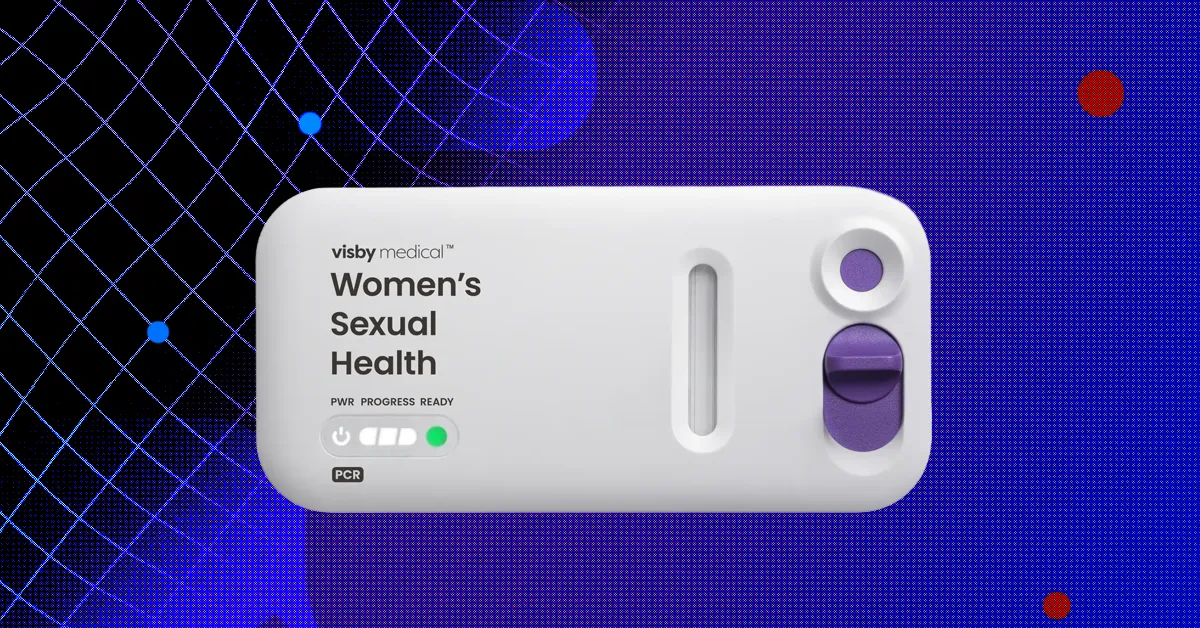
The healthcare industry is witnessing a significant wave of innovation as **at-home STD testing kits** disrupt traditional diagnostic models. Driven by advancements in biotech and the proliferation of telemedicine, this market shift offers consumers increased accessibility, privacy, and autonomy in managing their sexual health. Devices from **leading companies** leverage cutting-edge lab analysis techniques, including rapid molecular diagnostics, to deliver results directly to users without the need for clinical visits. This transition exemplifies the broader trend of *decentralization* in healthcare, empowering consumers to take health matters into their own hands.

Market analysts, such as those at **Gartner** and **MIT**, highlight the transformational potential of these home testing solutions. **Innovation** here is characterized not merely by convenience but by the disruption of stenotic *industry entry points*, challenging longstanding health service providers and reshaping the healthcare value chain. The core features of successful kits include:

  • High accuracy through advanced molecular assays
  • Ease of use with user-friendly instructions
  • Privacy-enhancing packaging and discreet shipping options
  • Immediate digital reporting systems that connect users with healthcare professionals if needed

However, this disruption is not without hurdles. Experts such as **Dr. Gary Schoolnik** caution that **sample collection accuracy** remains a crucial concern, as a technical failure can lead to **false negatives**, potentially delaying critical treatment and impacting public health outcomes. Additionally, many at-home tests are designed as initial screening tools, with positive results often necessitating confirmatory procedures at healthcare facilities. Market shifts toward remote diagnostics are increasingly raising questions about the *regulation* and *standardization* of these kits, prompting calls from policymakers and industry leaders for more stringent oversight.

Beyond technological challenges, *behavioral and social dynamics* influence the reception and efficacy of at-home testing. The persistent **stigma** surrounding STIs remains a barrier to widespread adoption, particularly among youth demographics. On the business side, companies investing heavily in **digital health ecosystems** are incentivized by emerging trends like *personalized health data* and *preventive care*. These developments promise to disrupt the traditional reactive healthcare model, fueling competition and innovation in the broader digital health sphere. Yet, as **Peter Thiel** and other visionary investors have observed, these rapid shifts require agility, foresight, and a vigilant eye toward *regulatory* and *ethical* considerations.

Looking ahead, the implications for industry and society are profound. As **new startups** and **tech giants** race to dominate this market, the focus will likely shift from mere testing to integrated health management platforms, incorporating AI-driven insights and telehealth consultations. The urgency for policymakers and healthcare providers is clear: adapt quickly or risk obsolescence in the face of this **disruptive innovation**. The boundary between traditional healthcare and consumer innovation continues to blur, with the next decade poised to redefine how society approaches health diagnostics—making it more accessible, private, and proactive. The question remains: will existing institutions embrace the change or be left behind as this **technological revolution** accelerates at an unprecedented pace?

Sony WH-CH720N: Top-tier sound that’s worth the full price—right now, an unbeatable deal for young tech fans.

Disruption in Consumer Electronics: Sony’s Budget Noise-Canceling Headphones Shift Market Dynamics

The consumer tech landscape continually evolves with innovative products that challenge established giants and redefine value. Recently, Sony has disrupted the premium headphone market segment by slashing prices on their WH-CH720N noise-canceling headphones, a move that could signal broader shifts in how value and performance are perceived in consumer audio technology. Once positioned squarely as an affordable alternative, these headphones now offer mind-blowing features—active noise cancellation, 35-hour battery life, and robust sound quality—at a fraction of previous costs.

Market analysts note that this aggressive pricing strategy exemplifies disruption at play, where established brands are forced to reevaluate their margins and value propositions. Gartner data indicates that cost-effective, feature-rich devices are increasingly favored by younger demographics, who prioritize their tech experience over traditional brand loyalty. Elon Musk’s recent ventures in AI and clean energy corpora highlight how innovation often comes from challenging the^ status quo, and Sony’s latest move echoes this philosophy within consumer electronics. The savings from $180 to under $100 on Amazon and Best Buy—thanks to offers like the one currently blowing the market away—highlight how companies are leveraging cost competitiveness to capture market share. For consumers, it’s a win; but for competitors battling to maintain margins, a warning: the era of premium pricing for feature-rich tech is under threat.

From a business perspective, Sony’s strategic price reduction will likely have industry-wide implications. Traditional audio brands that have relied on premium segmentation might need to innovate further or accept shrinking profit margins. For business leaders and startups alike, this underscores a fundamental shift: disruption no longer just comes from new entrants, but from seasoned companies pivoting boldly to redefine market norms. The trend towards accessible high-performance tech is catalyzed by consumer demand for affordable, durable, and feature-packed products. Companies that harness this trend—possibly integrating AI noise-cancellation with personalized sound profiles or extending battery life—stand to dominate in the next wave of consumer electronics.

Looking Forward: Innovation’s Role in Shaping the Future

The strategic moves by Sony exemplify how disruption fuels innovation. With giants like Apple and Samsung constantly elevating their product offerings, the pressure is mounting for all players to rethink their value propositions. Industry veterans and startups must focus on innovating beyond mere features—embedding disruption into business models that prioritize affordability without compromise. As Peter Thiel advocates, monopolize by innovating in unexpected territories; the race is on for those willing to challenge the status quo.

In the near future, expect to see more breakthroughs in adaptive sound technologies, AI-driven personalization, and integrated ecosystems. These advancements will set new standards, but only for companies that act with urgency and audacity. As markets shift, the key for stakeholders is to remain agile, continuously pushing the envelope of what’s feasible at every price point. The window to lead this transformation is now, and those who hesitate risk obsolescence in a rapidly changing tech battleground.

Amazon pushes questionable, junky laptops—think twice before you buy

Revolution in the Laptop Industry: Innovation Meets Industry Disruption

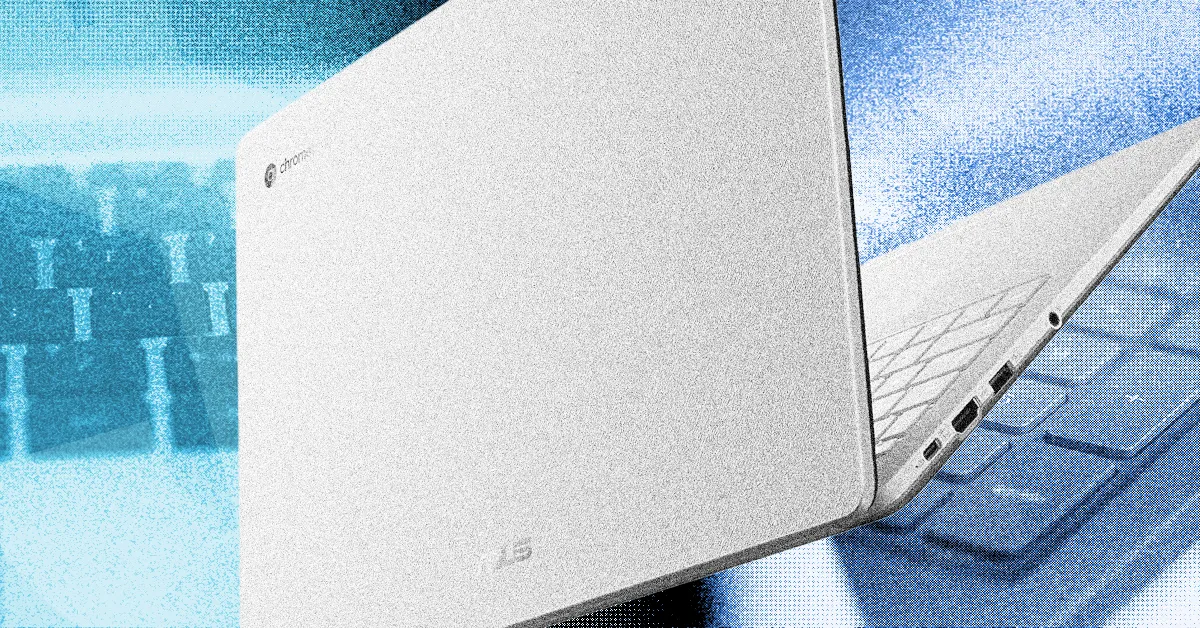
The current landscape of the laptop market reveals a remarkable wave of technological innovation juxtaposed with industry disruption driven by both emerging brands and shifting consumer expectations. Once dominated by established giants like Acer and HP, the market now confronts an influx of cheap, seemingly low-quality machines that challenge traditional standards of reliability and performance. This phenomenon is symptomatic of a broader trend where disruptive innovation accelerates the commoditization of entry-level devices, compelling industry stakeholders to rethink strategy and quality assurance.

While brands such as Samsung, ASUS, and Lenovo are still delivering high-end devices leveraging cutting-edge ARM processors and innovative designs, the flood of low-cost laptops under $300—like the inexplicably recommended Jumper and Nimo models—highlight a different trend: the commodification and potential deterioration of hardware quality. These devices, often powered by minimal specifications such as Intel Celeron processors and eMMC storage, threaten to dilute brand value and erode consumer trust, especially when Amazon’s algorithms favor inexpensive, poorly reviewed products instead of meaningful innovation.

Market Shift: The Rise of Unknown Brands and Future Business Implications

The rise of unknown brands in the budget segment indicates a significant market shift. Companies like Jumper and Nimo are exploiting gaps, yet lack of independent reviews and questionable hardware credentials raise concerns. This fragmentation could trigger a pivotal realignment in supply chain dynamics and consumer discernment, with industry experts like Gartner warning of a “race to the bottom” amid rapid price erosion. The danger is an erosion of brand integrity, which historically has been a cornerstone of sustained innovation and consumer loyalty.

Meanwhile, established manufacturers are evolving their strategies by integrating high-refresh-rate screens, increased RAM, and storage capacities, as exemplified by the Dell 2025 model recommended by trusted sources. Such devices emphasize value proposition over mere affordability, signaling a potential path forward for business leaders who prioritize hardware longevity and customer trust — crucial in a saturated market increasingly blinded by price and fleeting trends.

Innovation and Disruption: The Quest for Market Differentiation

In this evolving environment, innovation remains the ultimate differentiation tool. Tech giants and startups alike are exploring transformative disruptive applications, such as ARM-based architectures that promise superior battery life and performance, and AI-driven design optimization. Industry analysts like Peter Thiel emphasize that creating breakthrough technologies is vital to avoid being overwhelmed by low-cost competitors that value volume over value. Artificial intelligence, in particular, is poised to redefine hardware manufacturing by streamlining supply chains and personalizing user experiences, forging new paradigms of business disruption.

The industry’s future hinges on an urgent imperative: investing in genuine innovation instead of superficial marketing tactics. As noted by MIT researchers, the advent of edge computing and 5G connectivity will soon demand devices capable of more than just basic functionality—shaping a market where quality, security, and extended support become non-negotiable differentiators. For forward-thinking companies, this signifies an opportunity to build competitive advantage by fostering technological ecosystems that prioritize battery resilience, hardware durability, and software integration.

Conclusion: The Road Ahead – Innovation as the Industry’s Lifeline

The rapidly shifting dynamics of the laptop industry evoke a crucial reminder: Disruption and innovation are inseparable forces that will determine the winners and losers in the coming decade. Companies that adopt a strategic focus on technology breakthrough and brand integrity will rise above the noise, while those banking solely on low prices risk obsolescence. As consumer demand becomes more discerning and technology advances relentlessly, markets must accelerate their pursuit of genuine innovation or face being left behind in a landscape dominated by shallow products and misleading marketing.

The future belongs to those who see beyond short-term profit and invest in impactful, disruptive innovations—whether through AI, new hardware architectures, or integrated ecosystems. The countdown has begun: the race to lead the next era of computing is on, and only the most visionary will secure their place in its history.

Saatva Memory Foam Hybrid Mattress: The Winning Pick for Sleep Kings and Queens

The mattress industry is experiencing a seismic shift driven by disruptive technology and an accelerating demand for customizable, high-quality sleep solutions. Industry leaders like Saatva are redefining the landscape with innovations that align closely with the core principles of consumer-centric design, innovation, and luxury. With the rise of the health and wellness sector, sleep technology is increasingly viewed as a critical frontier in wellness and productivity, compelling brands to compete fiercely on quality, experience, and technological integration.

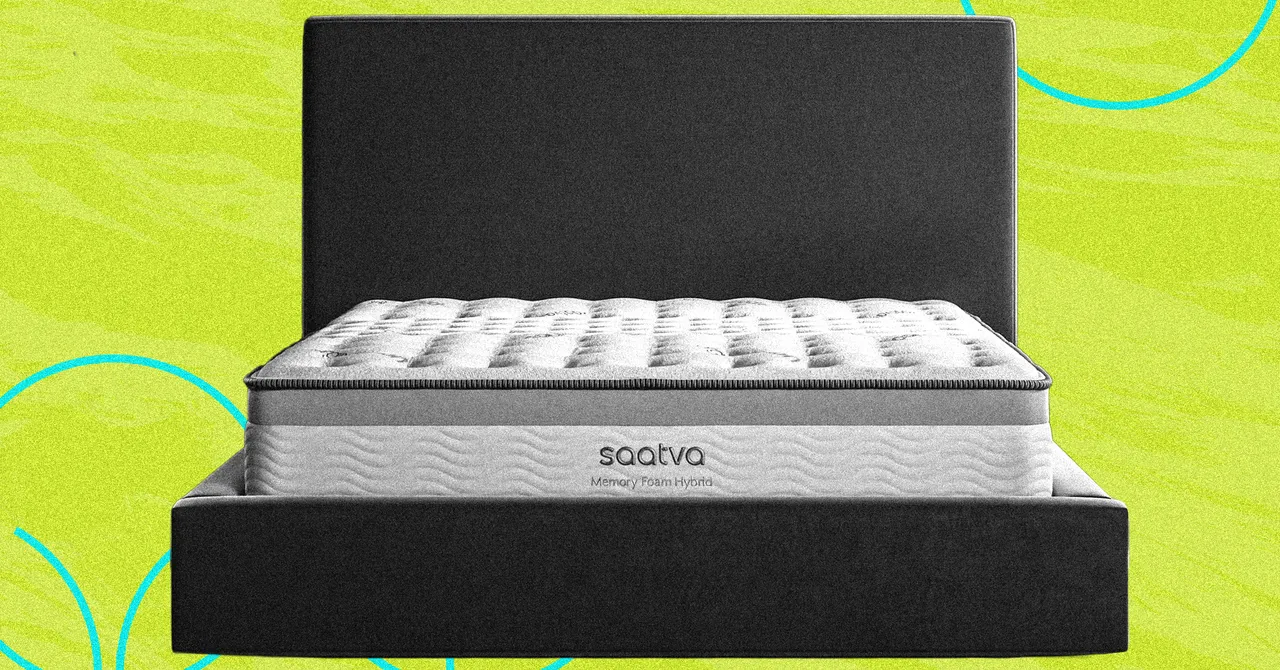
Recent reviews highlight the significant advances in hybrid mattress technology, exemplified by Saatva’s Memory Foam Hybrid. This mattress utilizes a blend of memory foam, graphite infusion, and a bouncy support system—features that collectively push the boundaries of comfort and function. The mattress’s ability to support multiple sleeping positions without sacrificing motion isolation exemplifies disruptive innovations in hybrid comfort technology. Its superior spinal alignment support and pressure point cushioning particularly appeal to back and stomach sleepers, these being the dominant demographics in a global shift toward personalized health and wellness solutions.

From a business standpoint, Saatva’s approach exemplifies how customer experience and logistical innovation fuel competitive advantage. Offering services like free white-glove delivery, mattress setup, and haul-away, combined with an unprecedented 365-night trial and lifetime warranty, sets new benchmarks for customer engagement and retention. Such practices reflect a broader industry trend, as emerging startups and tech giants alike recognize that full-service offerings are a key differentiator. The company’s focus on high-quality materials and multiple firmness options demonstrates an understanding that the future of sleep technology lies in personalization and premium service.

Experts like Elon Musk and Peter Thiel emphasize the importance of technological disruption and breakthrough innovation to maintain competitive advantage. In the context of sustainable business models and market leadership, industry leaders must anticipate upcoming shifts rooted in smart home integration, IoT-enabled sleep tracking, and AI-driven customization. The current trajectory indicates that sleep technology is entering a new era—one characterized by integration, personalization, and consumer empowerment. As Gartner analysts note, companies that leverage innovation with a keen eye on customer experience will shape the competitive landscapes of tomorrow. The immediate challenge— and opportunity—lies in harnessing these advanced technologies to push the boundaries of what is possible in sleep science. The race for supremacy is underway, and those who act decisively will redefine an industry that is ripe for transformation, making sleep part of the ecosystem of cutting-edge connected devices and digital health solutions.

Top Samsung Phones of 2026: What Young Tech Fans Need to Know

Samsung’s Latest Innovations Signal a Disruption-Driven Future in Smartphone Ecosystems

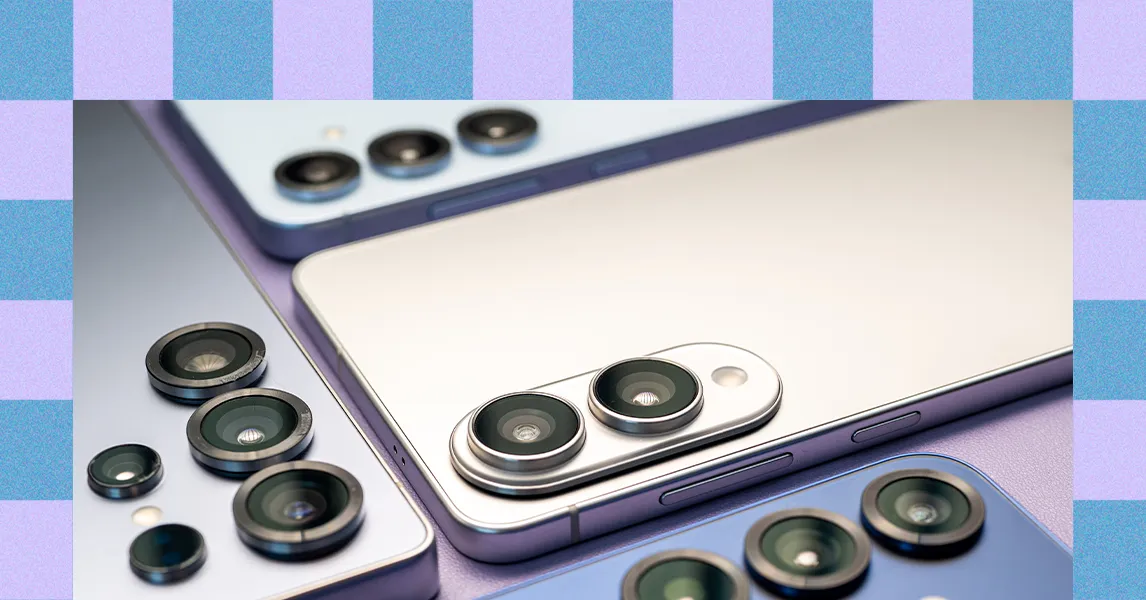
In an era where technological disruption reshapes consumer expectations and industry standards, Samsung continues to lead with groundbreaking innovations that push the boundaries of what smartphones can do. Their recent rollout of the Galaxy S25 series, featuring Galaxy AI with Gemini as the default voice assistant, exemplifies the integration of advanced artificial intelligence directly into user devices. This move signals a shift toward AI that operates seamlessly across multiple apps and real-time media inputs, effectively transforming smartphones into versatile, AI-powered command centers. Industry analysts from Gartner and MIT highlight this as a pivotal moment, emphasizing the increasing importance of on-device AI processing for privacy, speed, and reduced latency—elements crucial for youth and power users alike seeking disruption in everyday tech.

Furthermore, the advent of Galaxy AI’s Drawing Assist and real-time video capabilities underscores how Samsung is leveraging AI not just for productivity but for creative expression and immersive experiences. Experts suggest that this fusion of AI with hardware marks a new chapter, where smartphones evolve from communication tools into dynamic content creation platforms. The industry implications are profound: Samsung is positioning itself as a pioneer capable of challenging Apple’s longstanding dominance in integrated ecosystems—a strategic move that could recalibrate market power dynamics and user loyalty. The company’s ecosystem, including the Galaxy Watch8 and Galaxy Buds3 Pro, now further embedded with AI features, exemplifies a holistic approach. It is crafted to entice a younger demographic hungry for innovation, disrupting traditional boundaries and emphasizing hardware and software synergy as the new battleground for market supremacy.

Perhaps most disruptive are Samsung’s foldables, the Galaxy Z Fold6 and Flip6, which redefine the form factor landscape with near “normal” smartphone experiences on the exterior and expansive tablet-like screens when unfolded. According to industry insiders, including Elon Musk and Peter Thiel, foldables symbolize a paradigm shift toward flexible, multi-modal devices—an essential leap to stay ahead in the disruptive innovation race. While criticisms remain about battery life and performance—particularly in non-flagship models—these form factors exemplify disruption that could fundamentally alter device lifecycle and upgrade patterns. This innovation pushes hardware boundaries and challenges the industry to think beyond traditional screen sizes, creating fertile ground for business models that capitalize on versatility and user engagement.

Market implications extend further as Samsung’s ecosystem, now rivaling Apple’s in hardware integration, offers unprecedented opportunities for app developers and accessory manufacturers. With Samsung’s expanding AI capabilities and foldable hardware, the company enables a cohesive environment capable of supporting next-generation applications—be it real-time video, AI-assisted creativity, or seamless cross-device workflows. As Gartner’s latest forecasts suggest, disruption driven by AI and flexible form factors will be critical in shaping the next decade of mobile computing. Samsung’s move to integrate AI deeply within its hardware and software stack signals a clear intent to disrupt complacency and accelerate transformation—urging the entire industry to adapt swiftly or risk obsolescence.

Looking forward, urgent innovation and strategic disruption are vital for companies seeking to lead the next wave of technological evolution. Samsung’s aggressive push into AI, foldables, and interconnected ecosystems demonstrates that those who harness innovation with urgency will shape the future of mobile computing. For the younger generation driven by rapid, disruptive tech, the time to watch—and participate—is now. The coming years will be decisive, with Samsung reinforcing its position as a trailblazer prepared to challenge entrenched norms and redefine what is possible in the universe of consumer electronics.

Top Vacuum Picks of 2026: Cordless, Robots & Dyson’s Best for the Next Gen Home

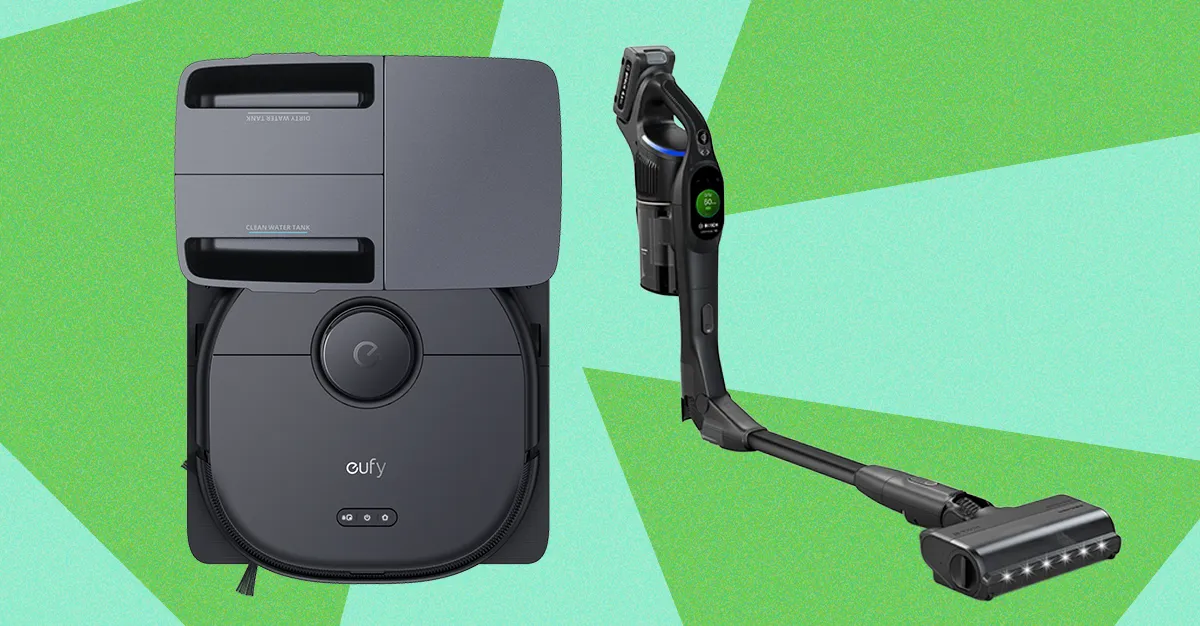
The landscape of household cleaning technology might seem mundane at first glance, yet beneath the surface, the latest innovations signal a broader wave of disruption sweeping through the consumer appliance industry. Brands like Dyson, BISSELL, and Tineco are pushing forward with advanced cordless and robotic models that exemplify how technology-driven innovation is replacing traditional upright vacuums. These developments are not just about convenience—they are redefining the very fabric of how businesses approach product design, security, and future scalability in a fragmented yet fiercely competitive market.

Recent market shifts pointed out by industry analysts from Gartner highlight that cordless stick vacuums now dominate revenue streams, challenging the legacy supremacy of upright models. They combine portability, multifunctionality, and AI-powered features, allowing consumers to perform targeted, efficient cleaning without being tethered to outlets. This segment’s growth underscores a fundamental trend: disruption fueled by mobility and smart technology. Furthermore, the incorporation of self-emptying dock stations like Tineco’s, and power-packed handheld models from Dyson, signals that consumer preference is rapidly evolving toward integrated, maintenance-free solutions.

  • High-capacity, self-emptying docks: boosts convenience and maintains suction power longer.
  • AI-enabled sensors in vacuums: optimize cleaning routes and improve efficiency.
  • Specialized designs for pet owners: Dyson’s HEPA-filtered models leverage disruptive HEPA technology for allergen control, addressing a vital niche.

However, these innovations carry significant business implications. Traditional vacuum manufacturers, often rooted in decades-old designs, face existential challenges if they fail to innovate rapidly. Startups and tech giants outside the hardware space—like Elon Musk’s Tesla or Peter Thiel-backed ventures—are already showing interest in applying AI, IoT, and machine learning to consumer appliances, creating a potential nexus for *disruption on a massive scale*. The market is already witnessing a shift where AI-powered maintenance, predictive diagnostics, and subscription-based services could become standard, fundamentally altering revenue models. These trends echo the MIT research on ‘Industry 4.0’, emphasizing that smart, interconnected products will become the norm rather than the exception.

The disruption extends beyond product innovation into the business model space. Companies that successfully leverage IoT data and integrate AI to enhance after-sales support will have a competitive advantage. As Gartner notes, the era of ‘product-as-a-service’ is upon us, urging firms to rethink how they generate recurring revenues. Meanwhile, consumer demands for smarter cleaning devices—integrating voice commands, automation, and health monitoring—drive this technological evolution rapidly. This scenario defies complacency: companies not embracing these shifts risk falling behind in an industry where innovation cycles are getting shorter and where the future belongs to pioneers capable of integrating AI, hardware, and service platforms.

Looking ahead, the industry’s trajectory suggests a convergence where disruption fuels innovation across every facet of household tech. The influx of AI, robotics, and IoT into everyday appliances will likely extend into broader sectors—smart kitchens, connected security, even personal health. To stay competitive, firms must prioritize agility, investment in R&D, and strategic partnerships with AI and hardware developers. Those who do will not only reshape the market but could gain unparalleled market dominance in the next decade. The clock is ticking for legacy players and newcomers alike: the future is being written now, and only the most innovative will thrive in the face of relentless technological advancement.

Social Media Auto Publish Powered By : XYZScripts.com