Matox News

Truth Over Trends, always!

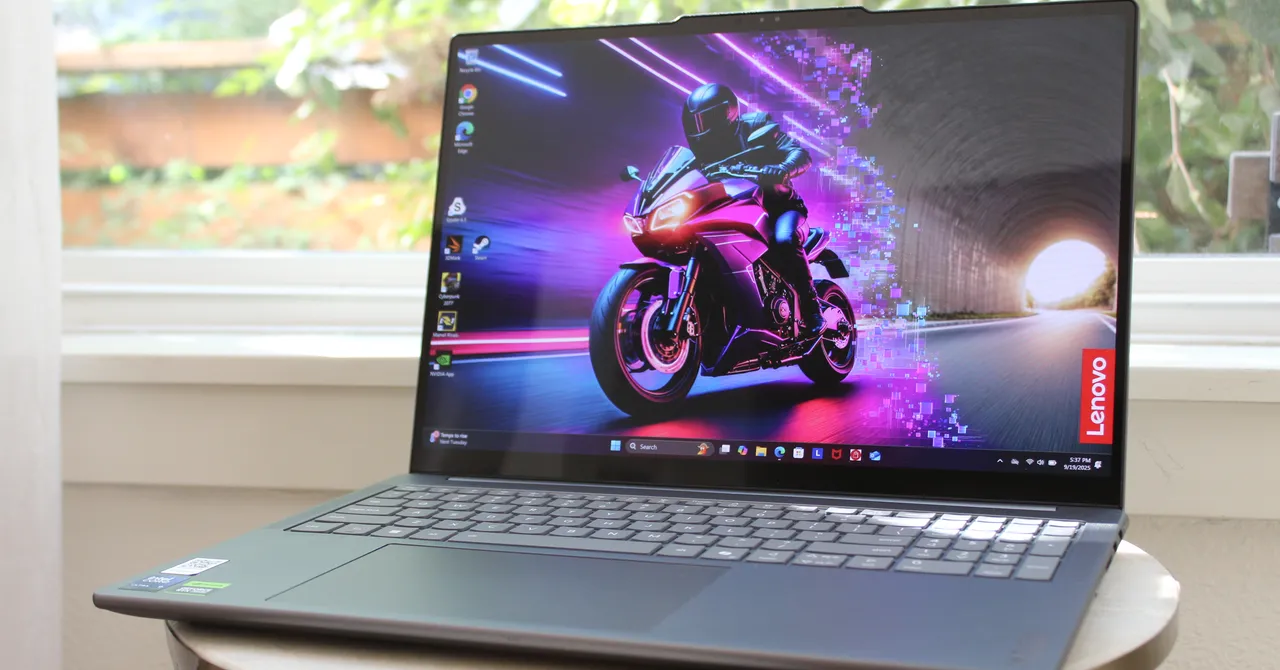
Lenovo Yoga Pro 9i 16 Review: Can It Take on the MacBook Pro?

Disruption in the Laptop Market: The Lenovo Yoga Pro 9i 16 Challenges Apple with Windows Powerhouse

The competitive landscape of high-performance laptops is witnessing a fascinating shift, driven by innovation and a push for disruption within a traditionally Apple-dominated arena. The recent rollout of the Lenovo Yoga Pro 9i 16 signals a pivotal moment, showcasing how Windows-fueled systems are vying to match — and potentially surpass — Apple’s standards in performance, display, and usability. While Apple’s MacBook Pro remains the gold standard for efficiency and battery life, Windows contenders are aggressively closing the gap, especially in the realm of content creation and mobile productivity.

Despite boasting impressive specifications and a premium design, the Yoga Pro 9i 16 highlights ongoing challenges for Windows systems—chiefly, balancing raw power with efficient battery management. With an 84-watt-hour battery, the device manages approximately 12 hours of local video playback, which is competitive but still falls short of the ~25 hours of battery life delivered by Apple’s M4 Max MacBook Pro. Under heavy workload—such as benchmarking—the Yoga’s power endurance diminishes rapidly, dying in just 45 minutes, signaling a persistent Achilles’ heel for discrete GPU-heavy systems. Consequently, the industry’s trajectory increasingly favors ARM-based architectures, encouraging innovation that prioritizes integrated, intelligent graphics solutions over traditional discrete GPU setups.

The market’s pivot toward ARM-based processors is gaining momentum, with AMD’s Ryzen AI Max+ emerging as one of the few challengers capable of disrupting the dominance of Apple’s M-series silicon. The Asus ROG Flow Z13 with integrated graphics exemplifies this shift, demonstrating that integrated graphics performance can challenge discrete GPUs—a crucial enterprise for future-proofing portable workstations. However, industry experts such as Gartner analyst Mia Lane underscore that “we are on the cusp of a generational leap, but the ecosystem as a whole must adapt to fully leverage ARM’s potential in high-performance computing.” Until then, discrete GPU reliance remains a bottleneck, limiting battery efficiency and mobility for high-end Windows machines.

In contrast, premium Windows options like the Asus ProArt P16 with options up to RTX 5090 demonstrate the potential for disruption at the high end—featuring up to 4K OLED screens and cutting-edge GPUs. Yet, such configurations come with prohibitive costs, positioning them as niche products. The Yoga Pro 9i 16, by comparison, offers a compelling value proposition—delivering top-tier performance, design elegance, and mobility at a fraction of the cost. This strategic pricing could accelerate widespread adoption, challenging entrenched perceptions of Windows as primarily a productivity platform rather than a serious alternative to MacBook Pro for high-end creators.

Looking ahead, the ongoing disruption in portable computing technology shows no signs of slowing. Industry leaders such as Elon Musk and Peter Thiel have long warned of the accelerated race toward innovation driven by AI integration, advanced graphics, and energy-efficient architectures. The market is now witnessing a critical inflection point—where hardware efficiency and power are no longer mutually exclusive. Moving forward, business executives and investors must recognize that the race for high-performance laptops—equipped with integrated, AI-enhanced graphics solutions—will redefine industry standards within the next few years. As ARM-based designs become more refined and GPU technology continues to evolve, companies that fail to innovate swiftly risk falling behind in this high-stakes competition for the future of mobile computing—which is, increasingly, the battleground for technological supremacy.
Amazfit T-Rex 3 Pro: Tough Outdoor Gear That Just Doesn’t Coast

Tech Disruption Continues: Amazfit TRex 3 Pro Fails to Meet Expectations in Market-Defining Wearable Segment

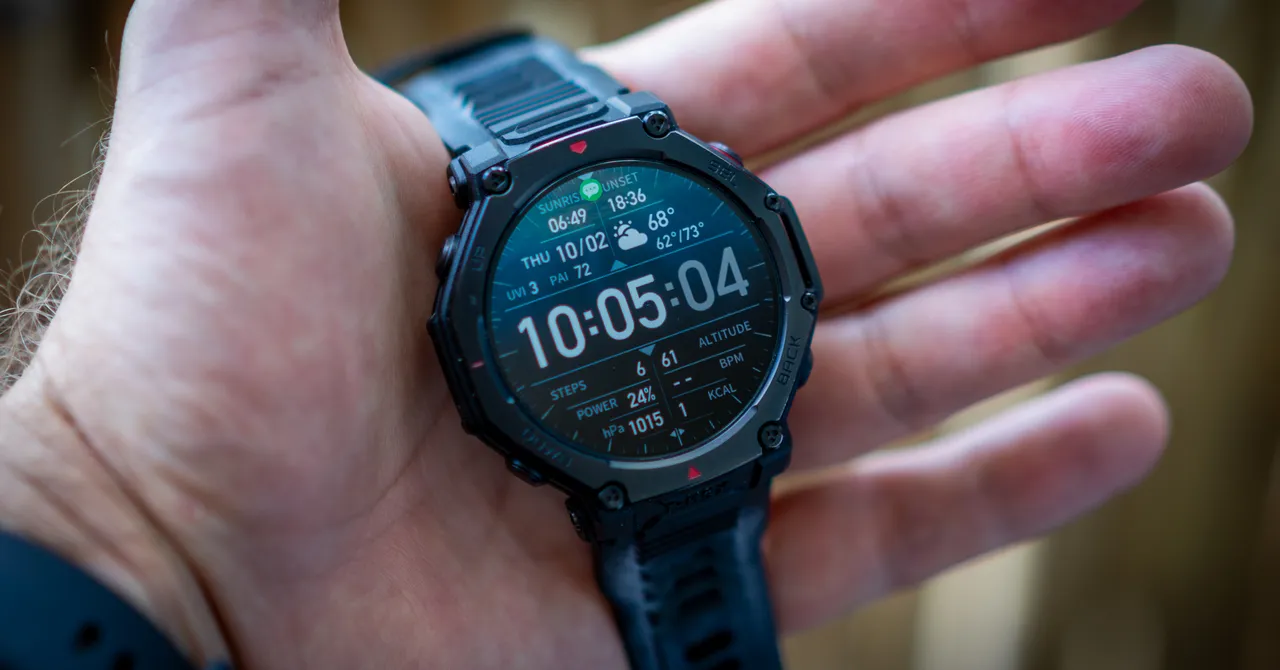
In the rapidly evolving world of wearable technology, innovation is often touted as the main driver of competitiveness. However, recent reviews of the Amazfit TRex 3 Pro reveal that despite its promising feature set, the device struggles with implementation, casting a shadow over the company’s perceived market leadership in outdoor and sports watches. While touted for offline routing and outdoor activity metrics, user experiences highlight significant shortcomings that threaten its disruptive potential in this segment. Analysts note that this underscores a broader industry trend — rapid feature proliferation without ensuring core functionality, leading to consumer skepticism and operational risks, especially as competitors like Garmin and Apple refine their offerings.

The device’s offline routing capability epitomizes the gaming industry’s push towards seamless, high-precision navigation tools for adventure-seekers and fitness enthusiasts alike. However, the reality falls short of expectations. Reviewers detail persistent failures in route creation—often limited to short distances—and bizarre recommendations such as running on one of the country’s busiest highways, Interstate 405. This exposes a critical gap in disruption-driven innovation—the promise of smart features that integrate smoothly with user needs remains unfulfilled. For industries betting on the next wave of wearable tech, such gaps may deter early adopters, risking market share erosion when competitors deliver truly reliable solutions.

Beyond navigation, the device faces industry-wide challenges related to software completeness and interface polish. Despite the hype around fitness and activity tracking, features such as strength training recognition remain unreliable, as surfacing issues highlight a disconnect between R&D ambitions and product execution.

  • Incomplete translation and interface bugs
  • Limited activity recognition
  • Questionable usability in real-world scenarios

These shortcomings come at a crucial time when market leaders like Samsung and Fitbit continue to push comprehensive, integrated platforms that combine hardware prowess with enhanced AI-driven insights. The lesson for emerging players: innovation alone cannot substitute for meticulous testing and user-centered design. Disruption only occurs if new entrants can deliver on their promises without compromise.

Nevertheless, not all is lost for the Amazfit brand in this segment. Notable features such as an LED flashlight, basic notification display, and quick-response messaging for Android users highlight that the company is attuned to evolving consumer needs. Experts from MIT and industry analysts like Peter Thiel suggest that a strategic focus on niche, high-impact innovations—such as durable ruggedness and advanced battery life—may yet carve a competitive edge. The key takeaway for the youth market and innovators is the emphasis on “finish the job”: iteration, testing, and aligning features with genuine user needs — crucial for disrupting entrenched giants.

Looking ahead, this case exemplifies a broader market imperative: the race to redefine what wearables can do is far from over. As Elon Musk frequently warns, “speed isn’t enough; reliability is everything.” The future belongs to those who can marry cutting-edge features with rock-solid dependability, all while disrupting traditional paradigms. For the tech-savvy youth and fast-moving startups alike, the message is clear—disruption demands more than buzzwords and early prototypes. It requires relentless execution, user trust, and a keen eye on practical utility. As industry giants continue to innovate, those who master the fine balance between innovation and execution will ultimately dictate the future landscape of wearable technology. Time is of the essence; the next leap forward is just around the corner.

Top Carpet Cleaners of 2025: The Ultimate Youth-Approved Picks

Home Cleaning Tech Breakthroughs Signal Disruption for Industry Giants

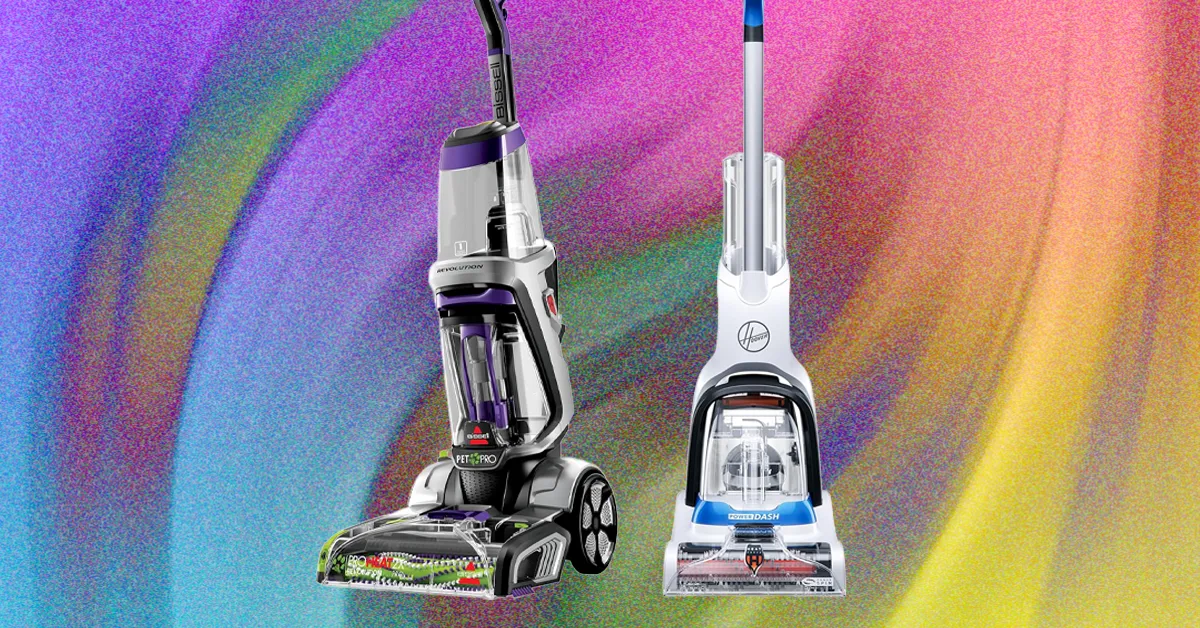
In an era where disruption defines market leaders’ strategies, recent advancements in smart cleaning technology are setting new benchmarks, forcing legacy giants to reevaluate their dominance. Leading companies like Dyson and Shark are facing stiff competition from innovative startups armed with IoT-enabled, ultra-efficient devices that blend innovation with practicality. With industry analysts from Gartner highlighting the rapid pace of change, it is clear that the traditional vacuum and cleaning appliance market is on the cusp of a seismic shift—carrying profound business implications for established players.

The advent of AI-powered, autonomous cleaning robots and multifunctional devices underscores a broader industry trend: the merge of convenience, efficiency, and smart integration. For instance, devices like the Eufy E28 HydroJet and Dreame H14 Pro incorporate features previously confined to individual appliances. These innovations include liquid spill management, self-cleaning cycles, and app-controlled scheduling, demonstrating how disruption is transforming appliance functionality into an integrated ecosystem. Experts from MIT underscore that the convergence of robotics and IoT signifies a strategic pivot—favoring adaptability and consumer engagement over sheer power or cost savings.

Business implications of these innovations are far-reaching

Traditional cleaning product companies are grappling with the challenge of meeting the rising consumer demand for seamless, smart solutions. The cost of R&D in autonomous platforms and advanced sensors is high, but the payoff is equally substantial. Game-changing features include adaptive navigation, obstacle detection, and even intuitive stain removal, all fueled by machine learning algorithms—hallmarks of industry-disrupting innovation. As Elon Musk has repeatedly emphasized, the integration of AI and robotics heralds a new era, where products are not just tools but connected, intelligent systems. This shift threatened to commoditize previous high-margin sectors but also opens a window for aggressive entrants to redefine market standards.

From a business standpoint, companies capable of capitalizing on such disruptive innovations stand to unlock new revenue streams and secure competitive advantages. For example, brands blending cleaning with air and water purification could tap into the health-conscious consumer segment, magnifying their market footprint. Meanwhile, established brands face increasing pressure to abandon legacy products for more disruptive, AI-driven designs, with some analysts warning that Huawei and Xiaomi-like companies might leapfrog traditional giants in the connected home space due to their aggressive innovation strategies.

Looking ahead: the future of smart cleaning technology is now

The industry is at a pivotal juncture—timing is critical for those who wish to lead. Innovation is not only about enhanced features but also about disrupting the business models of companies complacent with incremental improvements. The next decade promises a rapid acceleration of disruptive technologies, driven by breakthroughs in robotics, edge computing, and AI. Companies must remain vigilant and agile; otherwise, they risk obsolescence as market shifts favor fully autonomous, integrated solutions over traditional appliances. In the high-stakes game of technological dominance, timing, innovation, and strategic disruption will determine who leads the smart home revolution and who gets left behind.

As industry leaders and startups jostle for dominance in this lucrative space, one thing is clear: the smart home of tomorrow is being built today. Stakeholders must act decisively—and fast—if they wish to secure their legacy in the emerging era of home automation. The future belongs to those who recognize that disruption isn’t just an option; it’s an imperative.

Top Humidifiers for Home, Travel & More — Must-Have Picks of 2025

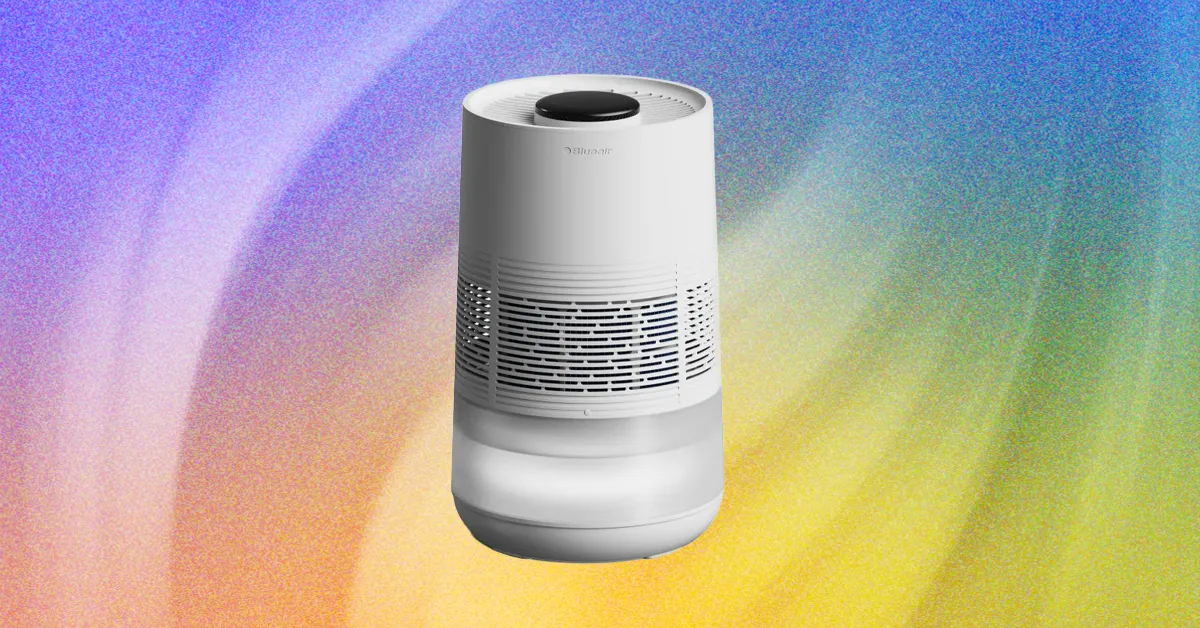
Blueair Launches the DreamWell Humidifier: A Breakthrough in Home Wellness Technology

In an era where technological innovation meets everyday life, Blueair has introduced the DreamWell Humidifier, an advanced device poised to redefine home climate control. Designed with user-centric features and smart integration, this product exemplifies how startups and industry giants are leveraging disruption to shape the future of wellness technology. Blueair’s latest offering not only emphasizes ease of use and aesthetic appeal but also demonstrates a strategic focus on connectivity, automation, and personalized comfort, aligning with broader industry trends fueled by the Internet of Things (IoT).

Innovative Features That Drive Market Disruption

The DreamWell stands out due to its integrated app control and geolocation-triggered automation—a feature that exemplifies how IoT continues to revolutionize smart home devices. Through Blueair’s app, users can activate a “welcome home” function, which intelligently pre-warms the environment before arrival by detecting transportation modes such as walking, biking, or driving. According to industry analyst Gartner, such proactive automation will become standard in next-generation smart appliances, identifying a clear shift from reactive to predictive home environments. The device also offers features like mood lighting, scent infusion, and an automatic wick drying cycle, combining comfort with convenience.

  • Multiple tank sizes optimized for room size and user preferences
  • Automatic wick drying reduces maintenance hassle
  • App and voice control expanding accessibility and automation
  • Compatibility with common water sources, including tap water

This level of disruption signals a significant leap forward for consumer appliances, with Blueair aiming to merge style, functionality, and smart tech into a seamless user experience. The under-the-radar yet sleek design ensures the product appeals to a decade increasingly driven by minimalism and sophistication, echoing trends observed in tech innovation hubs like MIT and Silicon Valley.

Business Implications and Industry Shifts

The launch of the DreamWell is more than a mere product upgrade—it signifies a broader strategic move by Blueair to capitalize on the burgeoning home wellness market. As health-conscious consumers seek holistic solutions, the integration of IoT, automation, and personalization in appliances creates new revenue streams for tech companies. Market research predicts that the global smart home market could surpass $150 billion within the next five years, driven by innovations like Blueair’s. Companies that prioritize disruption, scalability, and ecosystem integration will lead this next wave of industry leaders, echoing early moves by Elon Musk with Tesla’s integration of vehicle and energy solutions or Peter Thiel’s emphasis on fundamental platform shifts.

Industry watchers note that such advancements will intensify competition, forcing legacy manufacturers to rethink their strategies. Value-added services, machine learning-powered customization, and ecosystem alliances will become benchmarks for success. The DreamWell’s automated maintenance features and app-based controls represent a sample of the next frontier: an interconnected, intuitive home environment that enhances well-being while reducing manual intervention. As innovation accelerates, startups and established giants alike must prioritize agility and tech-driven disruption to stay ahead.

Forward-Looking Perspective: A Future Powered by Smart Innovation

The launch of the Blueair DreamWell Humidifier underscores an undeniable trend: the convergence of smart technology and wellness is transforming the landscape of consumer appliances. As AI, IoT, and sensor-driven automation become standard, industry leaders must anticipate a future where intelligent environments adapt in real time to human needs—disrupting traditional markets and creating new ones. The rapid commercialization of such innovations portends a future where our homes are no longer static spaces but dynamic, personalized ecosystems powered by relentless advances in tech.

For entrepreneurs, investors, and industry stakeholders, the message is clear: timing, innovation, and strategic disruption will be pivotal in shaping the next era of home wellness. The question remains—how quickly will established players embrace these shifts, and who will lead the charge into this exciting new frontier? The future belongs to those who recognize that in tech, relentless innovation is no longer optional—it is imperative.

Top 7 MagSafe Phone Grips for 2025: Tested and Trusted by the Next Gen

Innovative Shifts in Smartphone Grip Technologies Signal Industry Disruption

The smartphone accessory market continues to evolve rapidly, with a particular focus on grip technology that aligns with the broader wave of disruptive innovation. As industry leaders seek to enhance user convenience and device safety, several distinct categories of phone grips are emerging, each with unique business implications and technological breakthroughs. In an increasingly competitive landscape, companies are leveraging these innovations to redefine user interactions, create new revenue streams, and challenge traditional accessory paradigms.

Among the most prominent innovations are cases with attached grips. These solutions integrate durability and security, providing users with a firm hold while ensuring the grip won’t detach unexpectedly. However, their larger form factor and compatibility issues with wireless charging limit their market appeal. Nevertheless, leading manufacturers are pushing the boundaries of durability and functionality, aiming to appeal to a demographic that values ruggedness and security. These cases exemplify a trend toward integrated device peripherals, transforming the smartphone into a more versatile, user-centric platform.

Another notable category gaining traction is clamp-style grips, often dubbed universal phone grips. Their versatility allows them to adapt across various device models, offering a flexible yet somewhat cumbersome alternative to MagSafe solutions. While they are not as quick to attach or detach, their ability to be repositioned and reused appeals to budget-conscious consumers and hobbyists. Industry analysts from Gartner suggest that this segment could see significant growth as companies optimize clamp mechanisms for improved stability and ease-of-use. This shift signals an industry move toward modular, user-customizable accessories that cater to a broader audience while intensifying the competitive pressure on proprietary systems such as MagSafe.

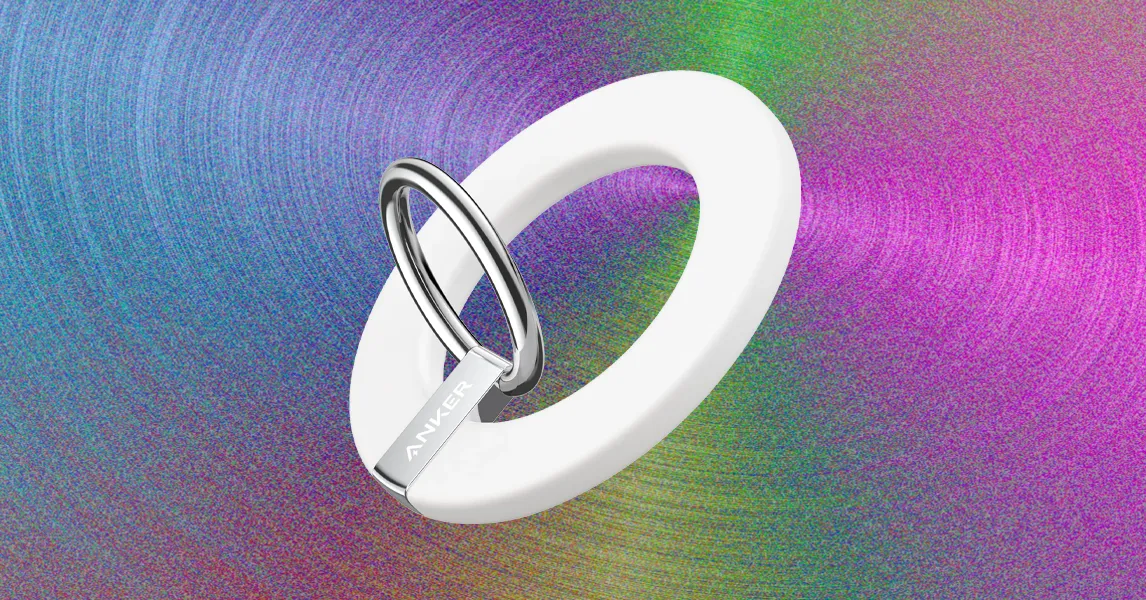
The reigning star in this arena remains MagSafe grips, driven by Apple’s deep ecosystem integration and consumer demand for convenience. These grips offer significant advantages, notably ease of attachment/detachment and seamless wireless charging compatibility. However, as observed by tech futurists like Elon Musk and MIT researchers, the reliance on magnetic adhesion introduces vulnerabilities—force-related detachment remains a threat, especially with high-impact drops. The market implications are clear: the security-performance tradeoff is a critical factor shaping future innovations, prompting competitors and innovators to develop more robust magnetic systems or alternative fastening mechanisms.

Looking ahead, industry experts predict this segment will become a hotbed of disruption, akin to the electric vehicle revolution in the automotive sector. As Peter Thiel and other venture capitalists increasingly back startups pushing boundaries, the integration of AI-driven, adaptive grip systems could soon redefine how consumers interact with their devices. Additionally, the emergence of new materials and manufacturing techniques could reduce costs while enhancing durability and safety. Smart, context-aware grips capable of detecting user behavior and adjusting tension in real-time might soon become the standard—ushering in an era where smart accessories are as revolutionary as the smartphones they complement.

In conclusion, the proliferation of innovative grasping solutions underscores a vital truth: the smartphone ecosystem is on the cusp of unprecedented transformation. As these new technologies disrupt entrenched players and create fertile ground for startups and giants alike, a sense of urgency pervades. Investors, manufacturers, and consumers must stay vigilant, for the next generation of mobile interaction is rapidly approaching—a future where the way we hold, protect, and interact with our devices may change more profoundly than ever before.

Lenovo Go S Slashed by $120 – Grab It While You Can!

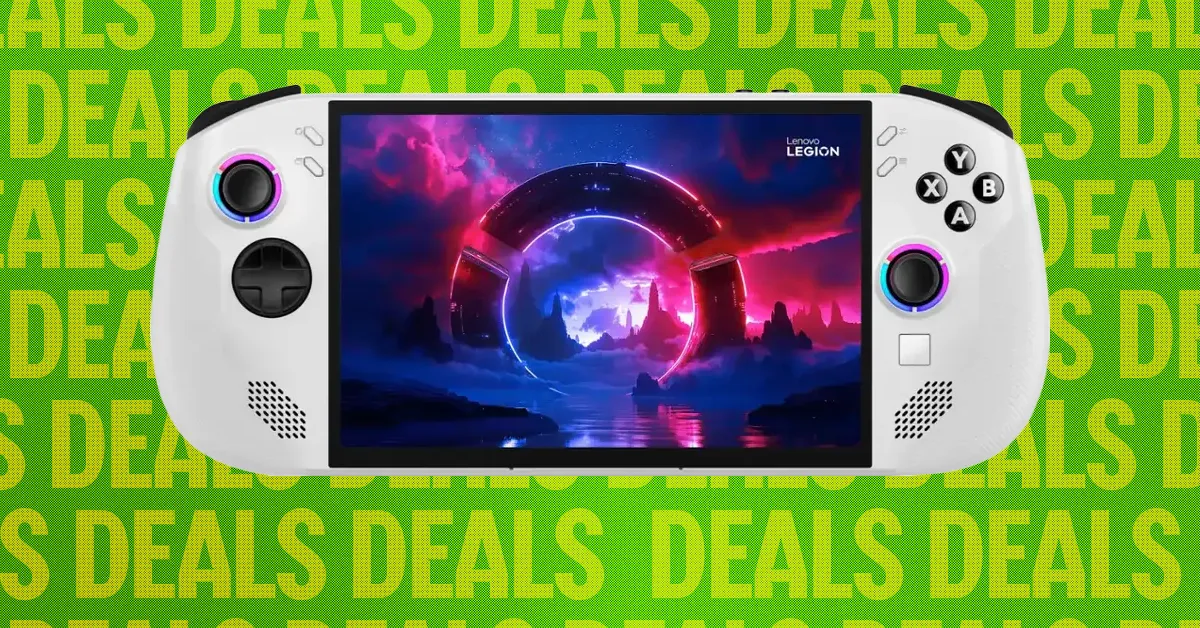
With the rapid evolution of portable gaming, Lenovo’s latest offering, the Legion Go S (SteamOS), signals a significant disruption in the handheld gaming market. As gaming hardware inches closer to convergence with mainstream computing, the device’s introduction underscores an industry-wide shift towards innovation that marries affordability with powerful functionality. Unlike traditional consoles, this new handheld emphasizes disruption of the status quo, providing gamers with an accessible entry point without sacrificing the performance and experience expected from premium devices. Market analysts, including Gartner and industry insiders like Elon Musk, have long predicted that such hardware will serve as a stepping stone for broader applications—beyond idle entertainment—embedding gaming as a core component of portable computing.

The Legion Go S stands out because of its strategic focus on user experience and accessibility. The device’s pivot to SteamOS, combined with a user-friendly setup process—scanning a QR code to download games—shows a move towards streamlining user onboarding amidst a cluttered market. This approach is a direct challenge to Windows-based gaming handhelds, which often overwhelm users with complexity and setup delays. As industry thought leaders like Peter Thiel speculate, such streamlined, system-optimized hardware could unlock a new wave of consumer adoption. Furthermore, innovation in hardware design—with built-in controller grips, spacious layouts, and a 120Hz refresh rate—demonstrates Lenovo’s focus on enhancing sustained, on-the-go gaming. While it remains bulky, this ergonomic design addresses core user needs for comfort and control, carving a niche between bulky portable consoles and slim smartphones.

From a business perspective, Lenovo’s move represents a calculated disruption poised to impact industry giants like Nintendo and Sony. The device’s $900 price point, marked down temporarily by $120, positions it as a disruptive alternative for younger audiences seeking budget-friendly gaming options. The device’s versatility also hints at broader applications—potentially transforming into a gateway for casual computing and streaming services. As the industry accelerates towards disruption-driven innovation, the implications are clear: companies that embrace streamlined, software-optimized hardware and create intuitive ecosystems will dominate the next decade. The gaming industry might soon see a shift where hardware is less about raw specs and more about seamlessly integrating into our digital lifestyles, a concept that giants like MIT’s Media Lab are exploring through developments in edge computing and AI.

Looking ahead, the future of handheld gaming hinges on timing, innovation, and ecosystem integration. As more companies follow Lenovo’s lead, the market will likely demand devices that push the boundaries of user control and adaptability—especially with rising interest in cloud gaming and AI-powered features. Industry leaders like Elon Musk emphasize the importance of disrupting entrenched paradigms to foster new ecosystems. The evolution of hardware, combined with advancements in software and 5G connectivity, signals an era where portable gaming will transcend entertainment, becoming a dominant form of ubiquitous digital interaction. For youth and young professionals, the signal is clear: technological innovation will accelerate, challenging old guard companies to innovate or face obsolescence. The next five years are set to define how integrated, disruptive, and accessible gaming and computing truly become—and those who act fast will be the ones leading the charge into the future.

Crucial Tips for Picking Your 2025 Gaming Laptop—Stay Ahead in the Game

Next-Generation Gaming Laptops Signal a New Era of Innovation and Disruption

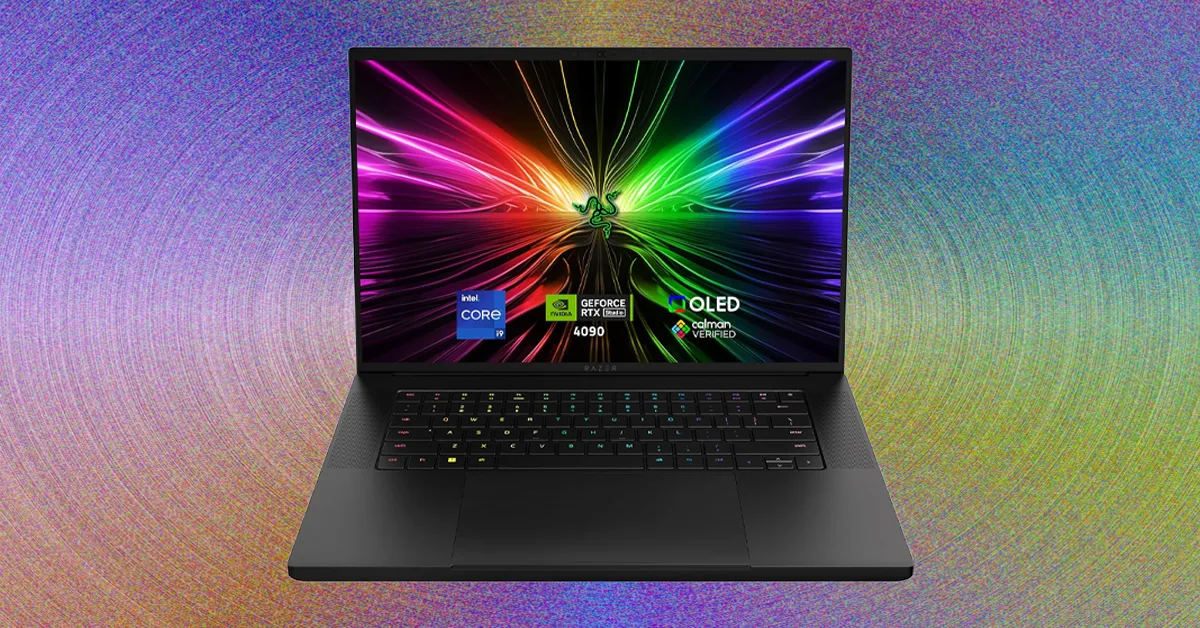
The gaming laptop industry is undergoing a seismic shift as hardware innovation accelerates, setting the stage for unprecedented performance levels and strategic market realignments. With the recent rollout of NVIDIA’s latest RTX 50-series GPUs, including the powerful RTX 5090 (24 GB VRAM), RTX 5080 (16 GB VRAM), and RTX 5070 Ti (12 GB VRAM), manufacturers are pushing the boundaries of graphics performance. These advancements are poised to redefine what’s possible for gamers and creators alike, challenging established industry standards and opening opportunities for disruption in premium hardware.

The implications for the business landscape are profound. Innovation in GPU architecture doesn’t just enhance gaming; it fundamentally shifts the competitive calculus in high-performance computing. As a result, companies that fail to adapt to this rapid evolution risk obsolescence. This momentum is echoed by industry analysts from Gartner and institutions like MIT, who emphasize that disruptive technology cycles are shortening, demanding aggressive R&D investment and strategic pivots. The uptick in VRAM from previous models also signifies a focus on future-proofing devices, allowing users to handle increasingly demanding applications with ease.

Meanwhile, the CPU landscape is equally compelling. The latest generation of chips from Intel and AMD introduces third-gen Ryzen AI processors, such as the Ryzen AI 9 365 and Ryzen AI 9 HX 375, and Intel’s new Core Ultra Series 2 H and HX chips. These CPUs, with power profiles reaching up to 55W, are designed to complement high-end GPUs, offering a balanced approach to performance, efficiency, and battery life. Notably, the adoption of the Ryzen 9 9955HX3D signals a move towards unprecedented gaming power—a trend that industry leaders are closely monitoring. This synergy of CPU and GPU innovation is unlocking new levels of gaming and creator productivity, serving as a catalyst for a new wave of ultra-powerful, portable machines.

As the market evolves, consumer choices are also shifting. The industry is rapidly discarding outdated standards, with most new laptops now equipped with a minimum of 16 GB RAM and increasingly moving towards 32 GB to meet the demands of modern, memory-intensive software. However, early adopters still face choices about affordability versus cutting-edge hardware. Experts caution against purchasing older GPU models—particularly those predating the RTX 40-series—citing risk of obsolescence, given the pace of technological progression.

The outlook for the gaming laptop segment is unequivocal: disruption is accelerating at an unprecedented rate. While current innovations focus on raw performance, the broader implications stretch into business strategies, market positioning, and future consumer expectations. Pioneers that invest in the integration of these emerging technologies, aligning with strategic insights from industry giants like Peter Thiel and Elon Musk, will unlock new opportunities for competitive advantage. The question now is not if but when the industry will fully embrace these changes, demanding a sense of urgency for stakeholders seeking to lead in this transformative era. As innovation continues its relentless march forward, one thing is clear: the future belongs to those willing to push the limits and disrupt the status quo.

Top Body Pillows of 2025: The Ultimate Youth-Focused Review

Revolutionizing Rest: How Innovation Is Disrupting the Sleep Industry and Shaping Business Strategies

In an era defined by rapid technological advancement, innovative sleep solutions exemplify how disruptive technologies are reshaping consumer markets. Companies like Pillow Cube and Leacho are pioneering personalized, support-focused sleep products that challenge traditional pillow and mattress manufacturing. This shift underscores a broader industry trend where customer-centric design, driven by AI and material science, offers unparalleled support, comfort, and health benefits wired directly into mainstream sleep technology.

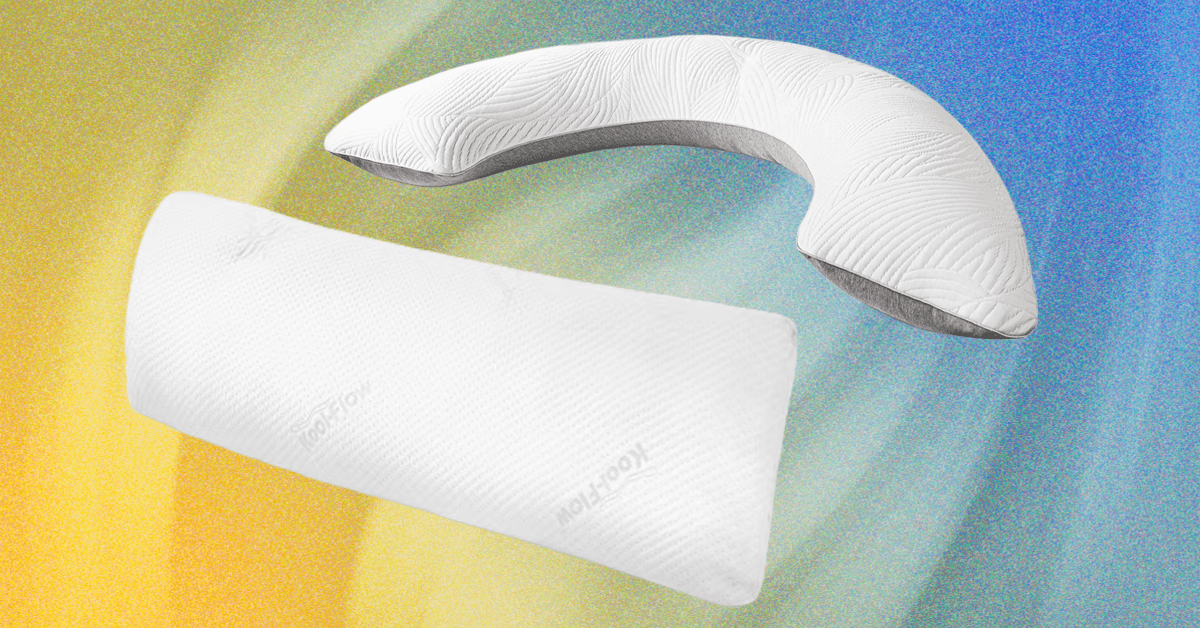
Notably, Pillow Cube has introduced a side-sleeper-specific pillow that emphasizes innovation in ergonomic support. Instead of generic, weighty memory foam mattresses, the company leverages breathable AeroPluff foam and modular design to address individual needs—a clear disruptor to the conventional one-size-fits-all approach entrenched in the industry. Similarly, Leacho offers the versatile Snoogle, a multi-shape, customizable pregnancy pillow that epitomizes consumer-driven innovation. Such products are not only redefining comfort but also heralding a new era where tailored support and temperature regulation become key competitive advantages.

The implications for business are profound: companies that leverage emerging technologies such as advanced foam composites, adaptable shapes, and breathable textiles are gaining a competitive edge. Industry giants like Gartner are already emphasizing the importance of “smart materials” and personalized health data in future product development, revealing a market trajectory favoring disruptive innovation over incremental improvements. These advancements signal a shift toward *industry realignment*, where traditional manufacturers risk obsolescence if they do not adopt flexible, support-oriented designs rooted in science and technology. Market disruption is accelerating as startups focus on user-specific solutions, challenging entrenched players to innovate or fade into irrelevance.

However, not all products will survive this wave of innovation. For example, conventional head pillows made largely from memory foam or traditional polyester fillings are increasingly seen as inadequate. As MIT researchers highlight, fill type—supportive, breathable, and adaptable—is crucial for consumer satisfaction, especially for sleep-optimizing devices. The market’s pivot toward materials that promote airflow, support, and temperature regulation underscores an urgent need for companies to innovate or face declining relevance. The era of one-dimensional sleep products is waning, replaced by a dynamic landscape demanding agility and technological integration to meet evolving consumer expectations.

Looking ahead, the industry faces a pivotal moment where **disruption is inevitable**. The integration of AI, IoT-enabled customizations, and advanced materials will catalyze new business models centered around personalized health and sleep optimization. Companies that harness these trends—like Pillow Cube and emerging startups—are positioned to redefine market standards. Industry leaders such as Elon Musk and Peter Thiel have long emphasized the importance of innovation as a foundation for future prosperity, and the sleep industry is no exception. The urgency for established players to pivot toward science-driven, user-focused fabrications is underscored by the rising market share of disruptive entrants.

As we look toward the future, the message is clear: **those who leverage innovation, disruption, and business agility now will define the next era of sleep technology**. The market is ripe for bold moves—unmatched customization, advanced materials, and integration with health data promise not only better sleep but also a competitive edge that could lead to industry dominance. The clock is ticking on traditional sleep solutions, and the window for meaningful transformation is closing fast. Forward-thinking companies must act swiftly—because the future belongs to the innovators willing to challenge industry norms and embrace a new frontier of support and comfort.

Social Media Auto Publish Powered By : XYZScripts.com