Matox News

Truth Over Trends, always!

Parents Warn Society Ignored Early Signs Before London Nursery Worker Abuse Arrest

Protecting Society’s Future: The Imperative of Safer Childhood Environments

In recent months, the harrowing revelations about Vincent Chan, a nursery worker at a leading chain, have cast a stark light on systemic failures in safeguarding our most vulnerable citizens—children. The disturbing allegations that concerns raised by parents were dismissed, coupled with the perpetrator’s subsequent conviction for multiple sexual offenses against children aged only two to four, underscore the critical need to scrutinize and reform how society protects its innocent future. As sociologists such as Dr. David Finkelhor argue, the trust we place in institutions like nurseries is foundational to societal stability, yet failures in oversight threaten to unravel this trust entirely.

Behind closed doors, the innocence of childhood is being compromised, revealing unsettling issues in cultural attitudes towards safety and accountability. The case has revealed not only individual misconduct but also systemic lapses. Reports indicate that concerns voiced by parents—those who entrust their children to these institutions—were seemingly overlooked or dismissed. Alison Millar, legal representative for many affected families, expressed their profound disgust, recounting stories of children returning home with injuries or exhibiting behavioral issues, often blamed on inappropriate behavior by staff. Families are now questioning whether vivid signs of neglect or misconduct should have prompted earlier intervention. These concerns echo a broader social debate, highlighted by sociologists like Dr. Christopher Jencks, about the adequacy of current social safeguards and the prioritization of profit over children’s welfare amidst a climate of deregulated childcare services.

  • Questions about staff vetting procedures have emerged, especially relating to employees like Alison Whateley, who was recorded sharing her own admission of pedophilia before her arrest in 2017.
  • The case has prompted a governmental review, promising measures such as increased CCTV use within nurseries to prevent future atrocities.
  • Despite assurances, critics argue that such procedural reforms often lag behind the urgency of social needs, exposing children to ongoing risks.

In a society where familial bonds are the first line of defense, the failure of institutions to safeguard children under their care reverberates profoundly through families, educational systems, and communities. The moral fabric of society is tested as public confidence diminishes, and the sacred trust placed in caregiving institutions becomes frayed. As historian Carol Delaney notes, social cohesion depends heavily on collective moral responsibility, which must be renewed through transparent accountability mechanisms. The recent tragedy serves as a stark reminder that societal neglect not only endangers individual lives but threatens to erode the foundational structures that uphold community well-being. Moving forward, society must prioritize not only legislative reforms but also foster a cultural shift where safeguarding children is regarded as a moral imperative embedded deeply within our collective conscience.

Ultimately, the story of Vincent Chan confronts a society at a crossroads—a society that must decide whether to respond with complacency or with renewed vigour for justice and child protection. As communities remain haunted by the memory of ignored warnings and systemic failures, hope persists in the possibility of transformation. In the quiet strength of families, schools, and social institutions, there lies a steadfast promise: that a society capable of acknowledging its flaws can also be resilient enough to rebuild itself anew—where safety, dignity, and innocence are not just ideals but living realities for every child, in every home, and in every community. Society’s true legacy will be measured not by the failures we endure but by the unwavering resolve to forge a future where every child’s smile is safeguarded from harm, and every voice is heard when it cries for help.

Putin stands firm—no signs of backing down

Russia’s Unyielding Stance in Ukraine: A Turning Point in Global Diplomacy

Amidst persistent international concern, Russian President Vladimir Putin has signaled a firm and unwavering stance in ongoing negotiations related to the conflict in Ukraine. According to reports from the BBC’s Russia Editor Steve Rosenberg, Putin’s government exhibits no signs of compromise, especially after recent talks with the United States envoy Steve Witkoff, which reportedly concluded with no agreement reached. These negotiations, lasting five hours, underscore a critical moment in the evolution of the crisis, revealing Moscow’s intent to maintain control over its strategic objectives without conceding ground to Western diplomatic pressures.

This resistant posture is rooted in the belief that Russia currently holds the initiative on the battlefield, a perspective echoed by many geopolitical analysts who observe that Putin interprets recent military developments as a strategic advantage. As Rosenberg notes, Putin perceives himself as the principal architect of the conflict’s future terms, confidently asserting that Russia will dictate the conditions of any forthcoming peace agreement. This approach, fueled by a mix of nationalistic fervor and strategic calculus, threatens to prolong the hostilities and deepen the international divide, raising urgent questions about the prospects for resolution and the potential for escalation.

From an international perspective, these developments wield profound geopolitical impact. Western nations, particularly in NATO, have watched with increasing concern as Russia entrenches its positions, arguably risking a prolonged confrontation that could spark broader instability. Critics and security specialists warn that such unyielding negotiations risk emboldening Russia’s military posture, complicating diplomatic efforts and destabilizing the carefully balanced power structures in Europe and beyond. Meanwhile, world leaders and historians—such as Angela Stent, a former National Intelligence Officer for Russia and Eurasia—have emphasized that Russia’s refusal to concede underscores a wider strategic gamble: that patience and firmness may be the only way to counter Putin’s vision of regional dominance.

In the larger narrative of global diplomacy, this confrontation marks a turning point, echoing past conflicts that shifted the course of history. How the Western alliance responds to such stiff resistance will determine whether diplomacy can eventually prevail or if the conflict will enter a protracted stalemate or active escalation. The stakes extend beyond Ukraine’s borders, portending a redefinition of international order and sovereignty, with nations watching every move, every negotiation, every escalation. As Putin’s government shows no sign of retreat, the world stands on the precipice of a new and uncertain chapter—one where the decisions made today will shape the geopolitical landscape for generations to come.

Trump signs bill demanding release of Epstein files to expose the truth

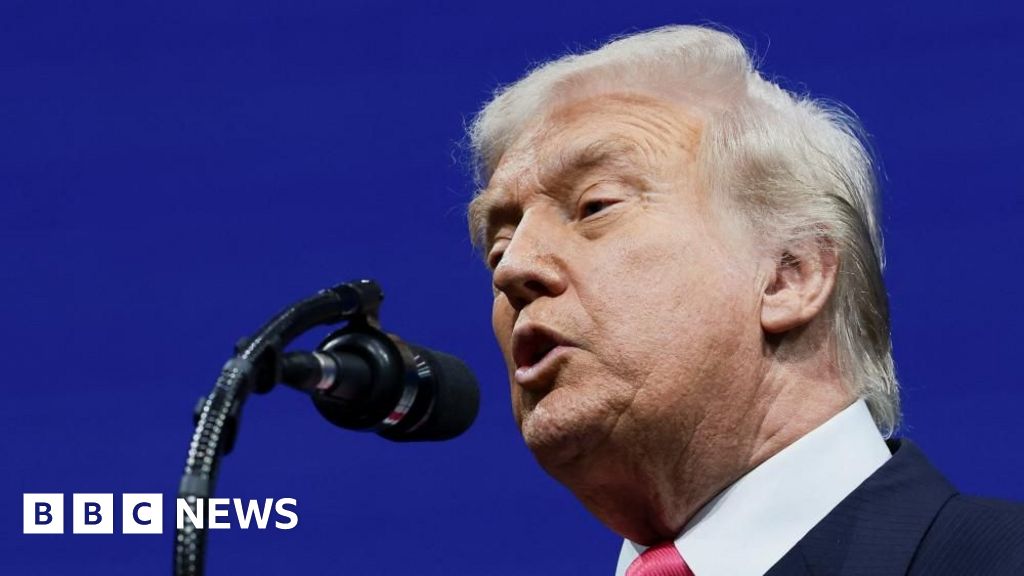
The United States has taken a monumental step in addressing one of its most controversial and secretive criminal investigations by finally signing legislation mandating the release of government files related to Jeffrey Epstein. This development marks a significant culmination of a months-long fight fueled by victims’ advocates, political pressure, and shifting public sentiment — and it signals a *turning point* in how the US approaches accountability for powerful elites.

  • President Donald Trump announced the signing of the law after initially opposing it, citing concerns over revealing sensitive information. However, mounting bipartisan pressure and vocal advocacy from victims’ families prompted a rare political reversal. The law requires the Attorney General to release documents—including investigation transcripts, flight logs, and communications—within 30 days, barring any that could jeopardize ongoing criminal cases or reveal victims’ identities. This act of transparency is hailed by many as vital to uncovering the scope of Epstein’s network and its potential ties to influential figures across politics, finance, and entertainment.
  • Amid this, Congress overwhelmingly supported the measure, with only one dissenting vote on the House floor, a testament to the bipartisan consensus that justice must be served regardless of the powerful people involved. Critics, including some legal experts and advocates, remain cautious, warning that significant redactions are imminent to protect victims’ privacy and national security interests. Nevertheless, this legislation advances the clamoring call for truth and transparency, challenging the concealed hierarchies that have long shielded the rich and powerful.”

Analysts and historians note that this move could reshape the geopolitical landscape, especially considering Epstein’s known associations with high-profile figures such as King Charles’ brother and former US presidents. The released files could potentially expose connections that threaten the public image of some of America’s most influential families and institutions, thereby impacting diplomatic and domestic stability. Internationally, this sets a precedent — pressing other nations to scrutinize their own elite networks and consider the long reach of transparency and justice.

Moreover, the geopolitical impact extends beyond Washington. Countries with longstanding ties to Epstein’s victims, or who suspect their own elites might be implicated, now face increased pressure to review internal affairs. The series of revelations could trigger diplomatic investigations, strained alliances, and policy debates rooted in transparency versus secrecy. International organizations, such as the United Nations or the European Union, are observing these developments closely, as the fight to reveal the truth intersects with broader debates on global accountability and human rights.

Ultimately, the story of Epstein embodies a deeper narrative of societal decay and the silent complicity of those who shield the status quo. As the files are finally subjected to public scrutiny, the tide of history begins a new chapter — one that may reveal uncomfortable truths about the interconnected web of power and depravity. The weight of this revelation underscores a fundamental question: how long can a society sustain its illusions of justice when the shadows of secrecy threaten to engulf the very foundations of democracy? The next few weeks will be pivotal, yet the echoes of this epoch-defining act will resonate through history, reminding us all that in the ongoing battle between transparency and concealment, the truth remains America’s most potent weapon.”

Here's a revised version of the headline with a moderate right-wing, youth-oriented tone:
"Experts Warn: Signs of Domestic Violence Homicides Like Hannah Clarke’s Are Predictable — Queensland Needs Action"
Here’s a revised version of the headline with a moderate right-wing, youth-oriented tone: “Experts Warn: Signs of Domestic Violence Homicides Like Hannah Clarke’s Are Predictable — Queensland Needs Action”

International Crisis Unfolds as Domestic Violence Homicides Illuminate Global Failures

In a stark reminder of a pervasive social scourge, recent investigations and reports shed light on disturbing patterns of domestic violence and institutional inertia that claim lives across nations. Careful analysis by researchers, international governments, and advocacy groups underscores a sobering truth: the inability or unwillingness of authorities to adequately respond continues to cost lives, especially among women and vulnerable populations. As headlines from Australia portray tragic cases of loss, the global geopolitical impact of such failures reverberates, demanding urgent institutional reforms.

In Queensland, statistical data reveals that nearly half of women murdered by intimate partners had prior police interactions, often marked by misidentification or dismissive responses. Lawmakers recently introduced laws to extend police powers, allowing for year-long protection notices—yet critics argue this risks further misclassification of victims as offenders. This legislative shift could deepen mistrust between victims and law enforcement, reinforcing a dangerous cycle of neglect and victim-blaming. International analysts, including experts at Human Rights Watch, warn that such measures may inadvertently entrench systemic biases, undermining the very protection the laws intend to provide.

Meanwhile, in Australia, a two-year investigation by Guardian Australia uncovers failures in police responses to domestic violence that have resulted in preventable deaths. Cases like Hannah Clarke, who foresaw her fate but lived in fear for weeks, highlight the tragic disconnect between victims’ intuition and authorities’ actions. Historians and social scientists warn that ignoring such patterns reinforces a broader societal failure—one where cultural and institutional apathy subtly sustain violence at the margins of society. The failure to implement lasting reform echoes historical warnings from experts like historian Dr. Lisa Tilley, who argues that ignoring domestic violence fosters a “culture of silence and complicity” with deadly consequences.

Global Repercussions and Calls for Societal Action

Beyond Australia, nations across the United Kingdom, United States, and beyond face similar crises. Advocacy groups report that despite reforms, many victims remain trapped in abusive cycles, with law enforcement responses often falling short. International organizations like the United Nations issue stark warnings about the rise of domestic violence amidst economic downturns and social upheavals. The geopolitical impact of such widespread failures is profound: societies weaken, social trust erodes, and the cycle of violence persists—unabated and unchallenged.

Many experts argue that the root cause lies in societal complacency and a failure of leadership to confront culturally ingrained misogyny and coercive control. As analysts at the International Crisis Group highlight, the failure of police and political will in tackling the underlying causes fuels ongoing tragedies. Daily, women’s cries for help go unheard, a fact lamented by social workers and legal advocates alike. The systemic problem demands not just policy change but a fundamental cultural shift—one that requires entire communities to stand against violence and to defend agency and dignity for all victims.

The Unfolding Chapter of Justice and Responsibility

As history watches, the tragic stories of Hannah Clarke and Kardell Lomas mark more than isolated incidents—they are emblematic of a society at a crossroads. Decisions made in legislative chambers, police precincts, and community dialogues will determine whether this pattern of decline continues or if, finally, a decisive turn toward justice takes hold. This is a defining moment in the ongoing fight to protect the most vulnerable and to hold systems accountable.

Standing on this precipice, history’s pen waits for the actions that will redefine the future. Will nations heed the warnings, reform their institutions, and restore faith in justice? Or will the pages of history be stained with further preventable loss, as the silent toll of ignored cries continues to mount? The answer lies just ahead—wrapped in the collective will of societies that refuse to turn away from the truth.

School Collapse Traps Dozens, Three Dead: Warning Signs Ignored

Indonesia School Collapse: A Stark Reminder of the Underlying Risks in Global Construction and Oversight

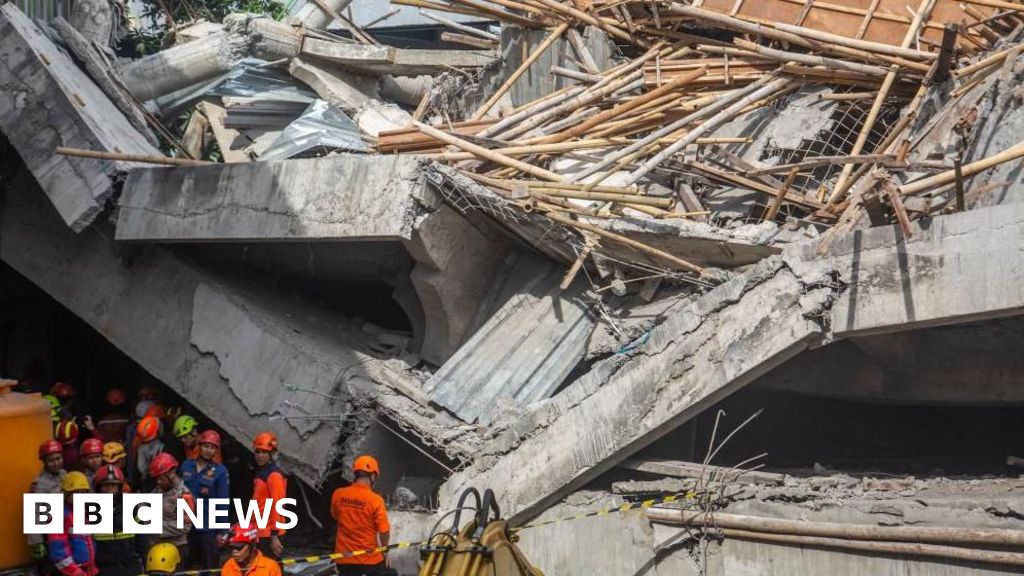
In a tragic event that has resonated across the international community, East Java, Indonesia has witnessed a devastating school collapse that has left dozens of young victims trapped under rubble. The incident occurred at the Al Khoziny Islamic Boarding School, a traditional pesantren in the Sidoarjo region, where 38 students remain feared missing amid a pile of collapsed concrete and twisted steel. With the death toll rising and rescue operations hampered by unstable debris, this catastrophe highlights a persistent issue: the perilous state of Indonesia’s construction sector, notorious for safety violations and lax oversight, as documented by organizations such as the International Labour Organization.

Geopolitical Impact: How Indonesia’s Domestic Crisis Reflects Broader Regional Challenges

The geopolitical implications of this tragedy extend far beyond local concerns. Indonesia, as Southeast Asia’s largest economy, has long struggled with balancing rapid development with safety standards. Critics, including leading historians and analysts, point out that a largely unregulated construction boom—often driven by informal, semi-legal projects like the pesantren—creates systemic vulnerabilities. The fact that authorities like the Sidoarjo town’s regent have admitted that the school lacked necessary permits for its expansion underscores a broader pattern of weak enforcement and the endemic informalism that hampers national safety initiatives. These issues can foster regional instability when neighboring nations perceive Indonesia’s inability to control hazards as a failure to meet international safety standards, thereby weakening diplomatic confidence.

International organizations like the United Nations and regional bodies have repeatedly warned about the social and economic costs of neglecting infrastructure safety. The collapse echoes earlier warning signs, where similar accidents in West Java resulted in multiple casualties earlier this month. Such events serve as a stark reminder to the global community that unchecked development and insufficient regulation can quickly lead to tragedy, undermining societal stability and the perceived strength of national governance.

Effects on Society and Policy: The Human Toll and Lessons for Governance

As rescue teams scramble amid dangerous debris, the personal stories emerging from survivors and relatives add a somber tone to this tragedy. Young students recount frantic escapes, while families mourn loved ones, exemplifying how these incidents do not only jeopardize physical safety but also destabilize community trust in governmental institutions. The school’s caretakers’ poignant admission, blaming the incident on “God’s will”, highlights a troubling tendency to obfuscate accountability rather than address systemic failures. Historians warn that without decisive reforms, Indonesia risks further calamities that will compound social fragility.

The incident also exposes the peril of operating **informal** educational institutions that often lack oversight, a problem prevalent across many developing nations where rapid expansion frequently outpaces regulatory capacity. The collapse underscores a dire need for stricter enforcement of safety standards, comprehensive inspections, and international cooperation to establish resilient infrastructure—especially in sensitive sectors like education. The global dialogue must now pivot from reactive rescue to proactive reform, as Indonesia’s tragedy exemplifies how neglect in governance can turn into a catastrophe with lasting consequences.

How the disaster’s aftermath unfolds will likely serve as a pivotal test for Indonesia’s leadership and its ambition to modernize infrastructure responsibly. For the world, the question remains: When history looks back on this moment, will it be remembered as a wake-up call or a catalyst for urgent change? The weight of history—still unwritten—hangs heavy over the unfolding chapters of this tragedy. The sands of time continue to shift, and in their wake, the lessons of accountability, safety, and governance echo louder than ever.

Social Media Auto Publish Powered By : XYZScripts.com