
Matox News

Truth Over Trends, always!

Simone Boseman: Protecting Chadwick’s Legacy Is Our Responsibility—Not Just Grieving

In the wake of Chadwick Boseman’s tragic death at just 43 from colorectal cancer, society must confront the deep social and cultural issues surrounding health disparities, especially within Black communities. Boseman’s story illustrates a broader pattern—despite his global stardom, his diagnosis remained a private personal battle, illustrating how families often bear the burden of illness in silence. As sociologists like Dr. Michelle Owens highlight, the stigma surrounding health issues and limited resources—particularly in underserved communities—can hinder early diagnosis and treatment, exacerbating social inequalities. Boseman’s health journey, kept largely private, underscores the importance of raising awareness and expanding access to healthcare resources so that others don’t face similar silent struggles.

Moreover, Boseman’s legacy reveals how social issues deeply impact families, education, and community cohesion. His wife, Ledward Boseman, exemplifies resilience, yet also sheds light on the challenges faced by families when coping with loss—especially under societal pressures for public mourning. Her movement from Los Angeles to Vallejo signals a desire to reconnect with her community, demonstrating that personal grief intersects with collective healing. The revival of Boseman’s play Deep Azure, which deals with themes of grief after the death of an unarmed Black man, symbolizes the power of art to process trauma and foster community dialogue. Historians note that artworks rooted in social suffering often serve as pivotal catalysts for societal change, urging collective acknowledgment and action.

Decades of social commentary from figures like W.E.B. Du Bois warn us that the cultural shifts and demographic changes within society often reflect in the health and well-being of marginalized populations. The continued stratification—where Black Americans lack equitable access to healthcare—fuels cycles of suffering and inequality. Addressing these issues requires systemic reform:

  • Expanding community-based health education
  • Increasing investment in health infrastructure in underserved areas
  • Fostering cultural understanding to dismantle stigma associated with illness

. Empowering families through education, investments, and cultural competence can transform communities into resilient entities capable of confronting adversity together. As history reminds us, societal transformation begins when we recognize that the human experience is interconnected—when mourning for one is mourning for all, and healing for one nurtures healing for many.

As society continues to grapple with loss, resilience, and the pursuit of justice, there remains a spark of hope. Boseman’s legacy, carried forth by his loved ones and community, exemplifies the power of remembering that societies are not static but capable of profound transformation. In each act of raising awareness, in every effort to bridge gaps in healthcare, and in the stories of families enduring grief, society is forging a more equitable future—one where the spirit of hope and change can endure beyond the shadows of tragedy, illuminating a path toward unity and resilience.
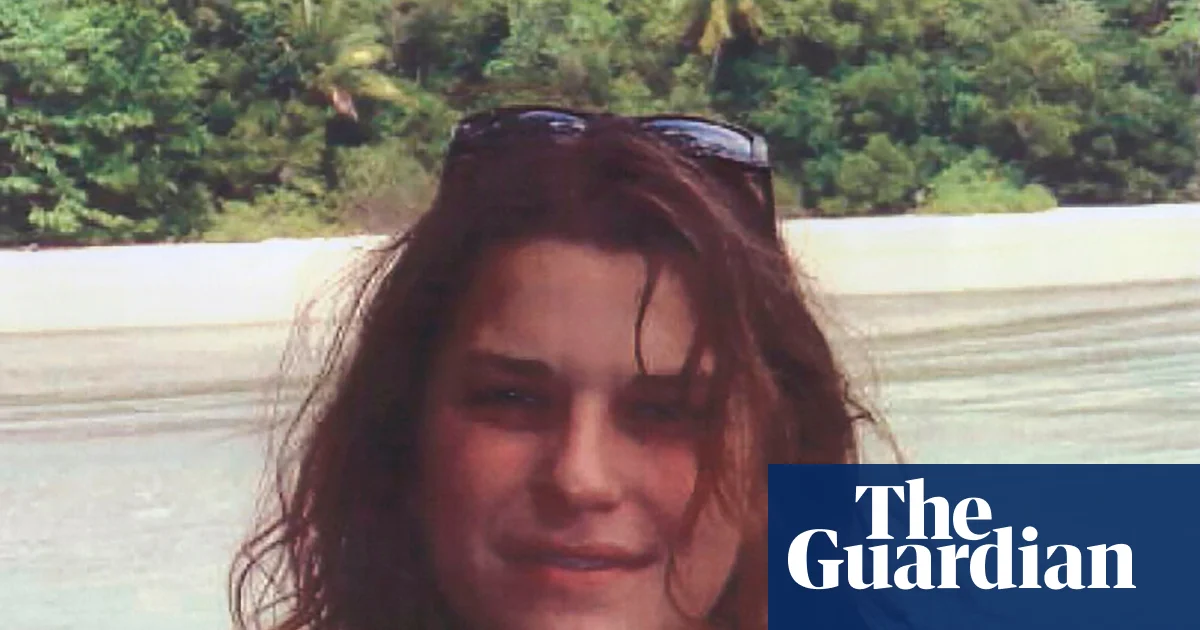
Inquest Confirms German Backpacker Simone Strobel Murder, Identity of Attacker Still Unknown

Unresolved Mysteries: The Continuing Saga of Simone Strobel’s Death

The recent ruling by New South Wales coroner Teresa O’Sullivan marks a significant, if still incomplete, chapter in the pursuit of justice for German backpacker Simone Strobel. Her death in 2005, long shrouded in uncertainty, has remained one of Australia’s most perplexing unresolved cases. The coroner’s findings, delivered after a comprehensive inquest that spanned nearly two decades, confirm that Strobel was murdered, yet crucial questions about who committed the act still hang in the balance. This development underscores how internationally significant criminal investigations often grapple with legal and procedural impediments that hinder resolution, especially when new evidence eludes authorities through mismatched DNA samples.

The investigation initially faced hurdles rooted in legislative changes. Notably, legislative reforms introduced in 2009 restrict coroners from issuing formal findings that directly implicate suspects in an offense, a change that the current coroner acknowledged restricts the scope of her conclusions. Despite an earlier inquest in 2007 hinting at a “very strong suspicion” of involvement by Strobel’s traveling companions, the latest inquiry dismissed these suspicions as unsupported by current evidence. Instead, the coroner accepted that her manner of death was as a homicide, but without identifying the perpetrator, highlighting the complex legal landscape that often complicates international cases where witnesses and evidence are elusive or ambiguous.

The tragic circumstances surrounding Strobel’s death illustrate the profound impact that international travel and youthful exploration can have—yet they also reveal how such freedom can sometimes turn tragic in the face of unresolved crimes. Her body was discovered concealed beneath palm fronds near a sports ground less than 100 meters from where she was last seen. Despite multiple investigations, police failed to identify her killer, a failure compounded by limited forensic matches—only now prompting the NSW police’s unsolved homicide team to revisit DNA evidence in hopes of breakthroughs. The case’s persistence underscores how vital international cooperation and forensic advancements are in solving cross-border crimes, and it raises questions about how many other cases languish due to jurisdictional gaps and resource constraints.

International organizations and experts have weighed in on the ongoing challenge. Dr. Erik Jensen, a renowned geopolitical analyst, emphasizes that cases like Strobel’s are emblematic of a larger pattern—where local justice systems intersect with global mobility. Many nations, he notes, are now contending with the “transnational ripple effects” of such unresolved crimes, which can threaten regional stability and societal trust. The question remains: how many unaccounted murders go unresolved because of legal limitations or insufficient evidence? As the world witnesses the emergence of new forensic techniques and combined international efforts, it becomes clear that justice in such cases is not merely about individual resolution but about affirming the rule of law in a fluid, interconnected world.

In a striking conclusion, the trail of Simone Strobel’s mysterious death continues to cast a long shadow over international justice efforts, revealing the enduring human and geopolitical cost of unresolved crimes. As authorities prepare to revisit DNA evidence and explore emerging investigative avenues, history holds its breath. Will this latest chapter mark a turning point in delivering justice—*or* will Simone’s story remain a haunting reminder of how some truths are delayed, and some stories remain unfinished, in the relentless march of history?

Social Media Auto Publish Powered By : XYZScripts.com



