Matox News

Truth Over Trends, always!

Skier SOS: Avalanche-Stranded Teens Use iPhone Panic Button to Call for Help

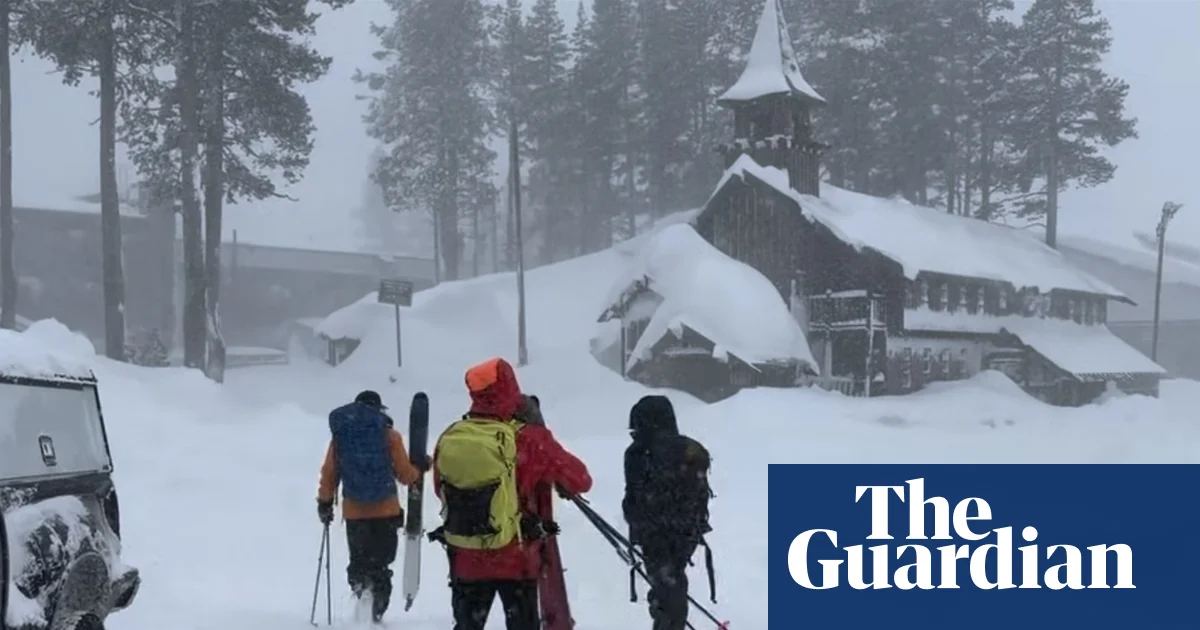
The tragic accident near Lake Tahoe, which claimed the lives of at least eight individuals in a devastating avalanche, underscores the profound influence of technological innovation in the realm of crisis management, especially amid the increasingly unpredictable challenge of natural disasters. The incident involved a group of 15 skiers, including six instructors and nine clients, with six survivors rescued thanks to the pioneering emergency SOS feature embedded within Apple’s devices. This cutting-edge technology, introduced in 2022, exemplifies how private technological advancements are becoming instrumental tools in the broader context of international safety and security cooperation.

According to reports, the survivors relied on the iPhone’s satellite-based emergency communication to alert authorities, enabling rescue efforts in a remote, rugged environment where traditional cell towers are nonexistent. Sheriff Shannan Moon confirmed that emergency teams accessed vital information through conversations facilitated by the feature, leading to the rescue of six individuals and the discovery of multiple bodies. Meanwhile, the California Office of Emergency Services engaged in extensive, hours-long coordination with rescuers and guides via personal locator beacons capable of satellite texting, illustrating a shift towards a more technologically interconnected era of crisis response. This incident demonstrates an important “turning point” in crisis management, where private corporations and government agencies are increasingly intertwined in safeguarding lives during natural disasters.

From a geopolitical impact perspective, the incident and technological responses highlight a rapidly evolving landscape where nations are compelled to adapt to the geopolitical consequences of technological sovereignty and innovation. As global institutions and governments rely more deeply on private corporations’ advances, such as Apple’s satellite capabilities, the independence and security of national emergency infrastructure are indirectly affected. Experts warn that reliance on private tech firms for critical situations raises questions about sovereignty, data control, and the potential for international tensions, especially if these technologies are manipulated or fail during crises. Analysts like Dr. Maria Lopez, a security scholar at the Global Policy Institute, note that “the integration of commercial satellite tech into state-level rescue operations signifies a new form of public-private partnership, reshaping the realm of international crisis response and security.”

In the geopolitical theater, where nations contest control over technology and airspace, these incidents serve as a stark reminder that the boundary line between private innovation and national security is becoming increasingly blurred. As international organizations scrutinize the role of private corporations in critical communications, the implications of a single tech company wielding such influence become more apparent. This moment, poised at the intersection of natural peril and technological power, reminds humanity that the march of history continues—a relentless pursuit of survival shaped by the decisions of today, where the nation-state’s sovereignty is no longer the sole arbiter of security, but part of a broader, interconnected tapestry spanning corporate interests, technological control, and global stability.

Australian skier dies in Japan days after Queensland snowboarder’s tragic lift fall

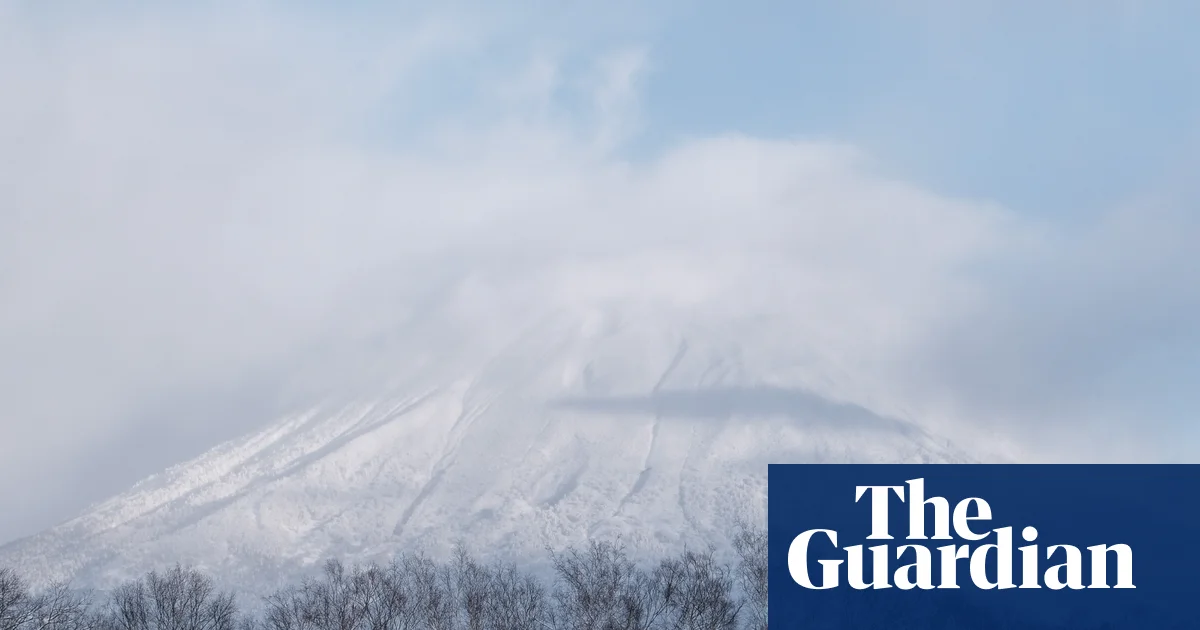
Recent tragedies at Japanese ski resorts have spotlighted the nation’s perilous battle with record-breaking snowfall and its broader impact on public safety and international perception. Over the past week, Japan has witnessed a surge in snow-related incidents, including the deaths of a 27-year-old Australian man in Niseko and a 22-year-old Queensland snowboarder at Tsugaike Resort near Nagano. These tragedies, occurring amidst exceptionally heavy snowfall, have reignited debates over Japan’s preparedness for extreme weather and the safety protocols governing high-risk winter activities. As Japan struggles to manage its decomposing rescue and safety systems amid relentless winterouts, the international community watches — not just in concern but also for what these incidents signify within a global context of climate challenges and national security.

Japan’s current record snowfall— with 30 deaths and over 100 serious injuries reported since January 20 — underscores a shift in weather patterns linked to climate change, disrupting daily life and international tourism. The heavy snow has caused delays in train services, road closures, and even temporarily shut down Hokkaido’s main airport, stranding hundreds of travelers. These disruptions pose a significant challenge to Japan’s infrastructure and its reputation as a safe winter destination, a critical sector for the nation’s economy. Analysts warn that if such extreme weather persists, Japan’s capacity to safeguard its citizens and international visitors could be compromised, risking long-term damage to its global standing. Furthermore, as global meteorological patterns shift unpredictably, Japan’s experience serves as a reminder of the mounting pressures on governments worldwide to adapt to unpredictable environmental threats.

On the geopolitical stage, these incidents amplify the importance of international cooperation in disaster management and safety standards. Japan, a key player in regional security and an active member of global institutions like the United Nations, faces increased scrutiny over its handling of natural and man-made crises. The recent ski resort accidents have prompted calls for more robust safety regulations, with authorities pledging to strengthen their safety management systems. However, the recurring nature of such incidents raises broader questions about the effectiveness of Japan’s crisis response amid growing environmental volatility. For global powers and neighbors, Japan’s capacity to face these challenges is intertwined with regional stability; failure to adapt risks creating new sources of tension. As international organizations like the World Meteorological Organization analyze the data, experts warn that climate-driven disasters will only increase, demanding a coordinated global response that transcends national borders.

Historians and geopolitical analysts underscore that these natural disasters and their tragic outcomes are more than isolated events; they are an unfolding chapter of a larger story about humanity’s struggle to confront a transforming planet. What is at stake extends beyond Japan’s snowy mountains: it is a mirror held up to the world, revealing the fragility of progress and the heavy toll of neglect. As nations grapple with the debate over climate action, infrastructure resilience, and international duty, the deaths of individuals—regardless of nationality—serve as stark reminders of the costs of inaction. The shifting winter landscape in Japan is not just a local issue but a Map of the wider global crisis, where the decisions made today will shape the legacy of a new, uncertain era—one in which the weight of history continues to unfold, one snowflake at a time.

Social Media Auto Publish Powered By : XYZScripts.com


