Matox News

Truth Over Trends, always!

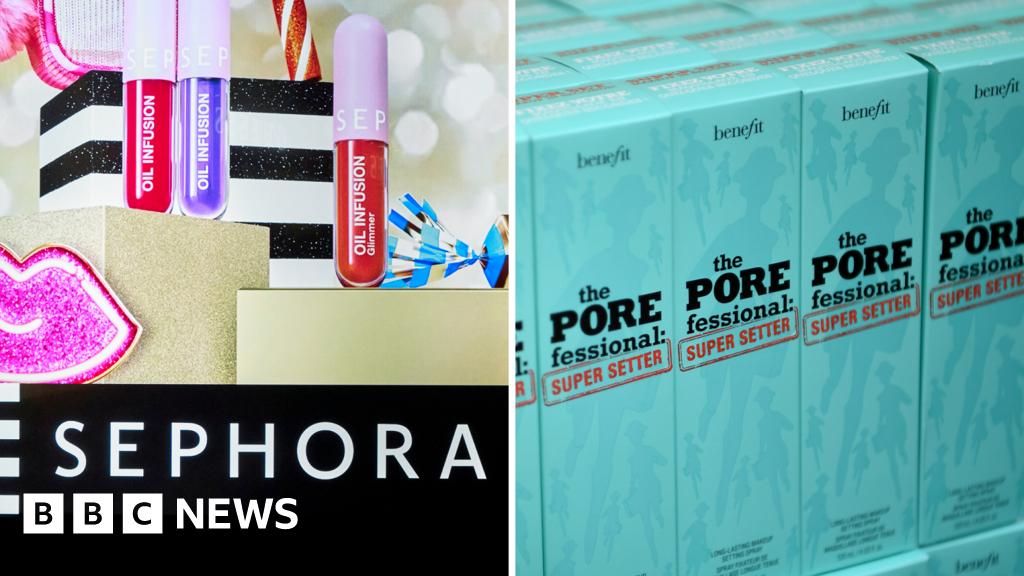
Italy probes Sephora and Benefit for targeting kids with skincare ads

The recent statement by the Italian Competition Authority has sent ripples across the international economic landscape, highlighting the influential reach of LVMH, the luxury goods conglomerate based in France. According to the Authority, LVMH appears to have employed “particularly insidious” marketing strategies that potentially distort fair competition within the global luxury sector. This investigation underscores broader concerns about the power wielded by multinational corporations and their ability to influence economic policies and consumer behavior in interconnected markets.

The allegations against LVMH arrive amidst mounting scrutiny of how large corporations manipulate consumer perceptions, often blurring the lines between genuine branding and monopolistic tactics. While the company remains a leader in high-end fashion, jewelry, and spirits, critics argue that certain marketing practices—such as exclusive collaborations, orchestrated scarcity, and targeted advertising—may serve to artificially inflate demand and suppress smaller competitors. Esteemed international economists and watchdogs warn that such strategies, if unchecked, risk fostering monopolistic environments that threaten consumer choice and market diversity. Historically, similar accusations have precipitated regulatory crackdowns that reshape industry dynamics—potentially foreshadowing a reckoning for conglomerates like LVMH.

The geopolitical implications of these developments extend beyond mere market competition. In an era where economic might often translates into geopolitical influence, corporations such as LVMH serve as soft power vehicles for France and the broader European Union. Such companies contribute significantly to national prestige and economic stability; thus, regulatory actions—like those pursued by Italy—highlight a broader global trend towards scrutinizing corporate dominance.

  • They reflect an international effort to promote fair competition, which is often intertwined with national interest and sovereignty.
  • These moves can influence international trade negotiations, especially as countries seek to curb perceived economic overreach by multinational giants.

Global institutions, such as the World Trade Organization (WTO), are watching these cases carefully, aware that the outcomes may set precedents for how multinational corporations operate across borders. As European regulators tighten their grip on corporate practices, and other nations grapple with similar questions, the landscape of global commerce stands at a critical juncture. Analysts warn that if LVMH’s strategies are deemed anti-competitive, it could catalyze a wave of reforms that reshape the luxury industry, forcing even the most influential brands to recalibrate their approaches. In the shadows of these developments, nations must decide whether to defend their markets or risk surrendering sovereignty to corporate giants.”

In this unfolding saga, history seems poised to reveal yet another chapter where the boundaries of free enterprise and national sovereignty collide. The decisions taken today—whether to regulate or to acquiesce—will profoundly influence the fabric of global economic and social life. As the world watches, the question remains: will this be a moment of restraint, or will it mark the dawn of a new era of corporate dominance—an era where nations and societies grapple with the enduring repercussions of decisions made in the cloistered corridors of power? The weight of history persists, lingering in the balance, as the story of corporate influence continues to unfold on the world stage.
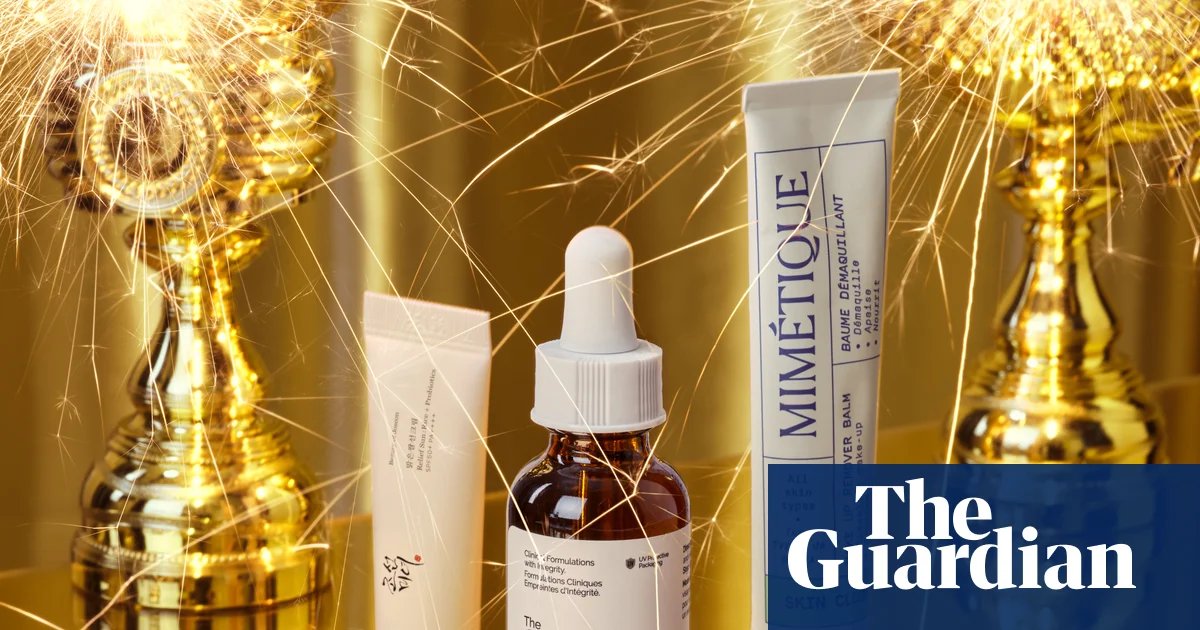
Sali Hughes Reveals Her Top Hero Skincare Picks for 2025—Your Essential Beauty Guide for the Next Generation

Among the biggest breakthroughs in contemporary skincare this year is undeniably the Korean wave. Brands like Beauty of Joseon, Dr Althea, and Innisfree have captured a younger demographic eager for hydrated, youthful, glassy skin. This shift isn’t just about aesthetics; it embodies a cultural push towards kind and gentle skincare that emphasizes health, simplicity, and affordability. Influencers, YouTubers, and TikTok beauty gurus have amplified this trend, transforming Korean skincare into a social *movement* that challenges traditional standards and even disrupts established luxury skincare markets.

This new wave of beauty obsession is rooted in a broader societal craving for *authenticity* and *self-care that’s accessible*. Take the buzz around Beauty of Joseon’s Relief Sun Rice + Probiotics SPF50+: a product that merges effective sun protection with cultural significance, celebrating Korea’s rich heritage while pushing forward innovative yet affordable skincare. The product’s success underscores a societal shift: young consumers are favoring brands that combine heritage, efficacy, and value—rejecting overpriced, overly complex formulations in favor of straightforward, well-triggered solutions that can be part of daily life. According to sociologists studying Gen Z and millennial habits, this trend demonstrates a desire for products that reflect a smarter, more conscious approach to beauty—one rooted in provenance, science, and honest pricing.

Perhaps most notable is the disruption” caused by brands like The Ordinary. Its £13.50 GF 15% Solution anti-ageing serum has publicly shamed luxury brands charging over £200 for similar technology. This savvy positioning not only democratizes skincare but also speaks to a cultural shift: the younger generation prioritizes transparency and value. Top influencers and dermatologists praise such products as perfect for sensitive skin, paving the way for a new standard that questions the old hierarchies of skincare and beauty. It’s more than a trend; it’s a movement towards empowered, informed consumers demanding honesty and efficacy in their daily routines.

As mineral sunscreens like Sunsolve MD reclaim shelves worldwide, the future of sun protection looks distinctly modern and consumer-first. The rise of elegant, makeup-friendly zinc-oxide formulations indicates a societal desire for convenience without compromise. The anticipated UK launch of INN Beauty Project’s Mineral Sun Glow, a favored US product, exemplifies how a cultural shift towards accessible, high-performance SPF is gaining momentum, especially among youth seeking protection that seamlessly integrates into their aesthetic. This forebodes a future where effective, stylish, and affordable skincare becomes a non-negotiable staple.

In the end, the question facing the beauty industry is no longer merely about product innovation—it’s about understanding the social heart of these changes. As society’s values continue to evolve, will brands adapt to this new era of *authenticity, transparency, and affordability*, or will they risk being left behind in a cultural revolution driven by the youth’s demand for meaningful, accessible beauty? Only time will tell, but one thing is clear: this Korean-inspired shift is redefining what it means to truly care for your skin—and perhaps, for society itself.

Social Media Auto Publish Powered By : XYZScripts.com



