

The Next Big Shift in Beauty: Embracing Playfulness and Self-Expression
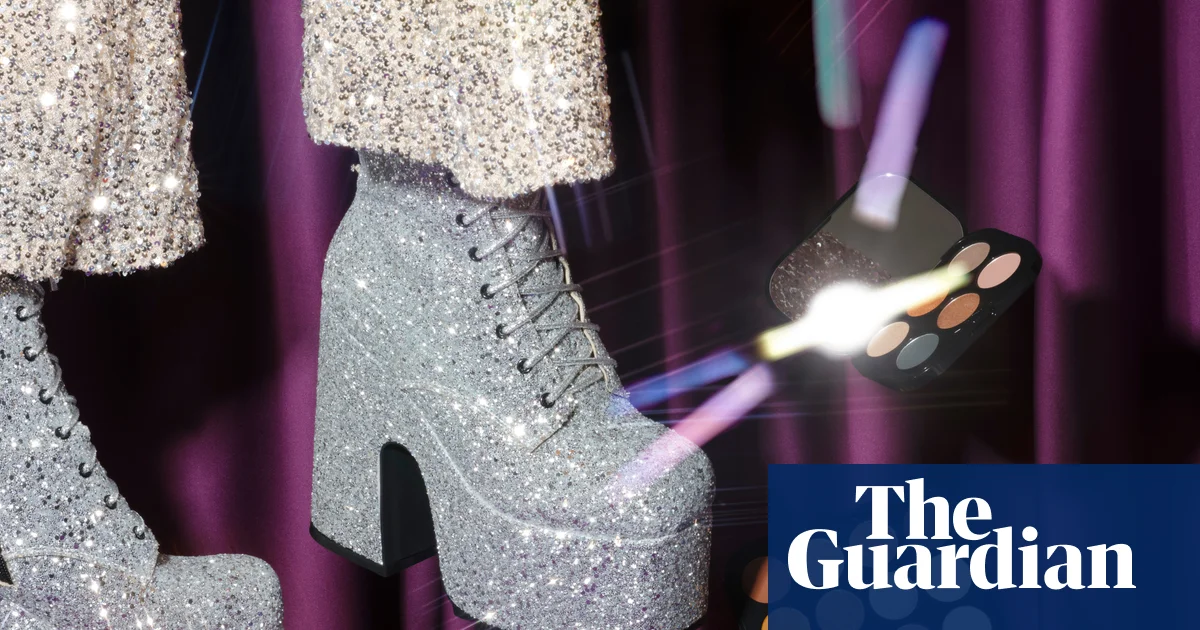
In a cultural landscape where monochrome minimalism and beige comforts have long dominated fashion and beauty trends, a fresh wave of dopamine-driven creativity is reshaping what it means to express oneself. The recent appointment of Chappell Roan as MAC’s new global ambassador marks an industry pivot toward experimentality, boldness, and a refusal to conform. Her glittery, grunge-inspired aesthetic symbolizes a broader societal shift where fun and spontaneity in self-presentation are increasingly valued over perfection and subtlety.
This movement is driven, in part, by social media influencers like Emily Wood, whose daring, playful makeup routines—think electric turquoise eyeshadows and spilled glitter—capture a collective desire for lighthearted self-expression. Unlike traditional beauty standards, which often emphasized polish and restraint, the emerging trend champions *sloppy*, carefree application techniques that emphasize joy, creativity, and individuality. Influencers and sociologists alike note this cultural shift as a response to years of post-pandemic austerity and social restrictions, with beauty becoming a playground instead of a battleground.
The Cultural and Social Relevance of Playful Beauty
High-profile brands are jumping aboard this movement, with collections like MAC’s Connect and In Color palettes offering a spectrum of textures—from mattes to chunky glitters—designed for carefree, unconventional application. As trend analysts suggest, the appeal lies in the **simplicity and immediacy** of these products, making playful looks accessible to all regardless of skill level. This democratization of beauty is more than superficial—it’s a statement about *reclaiming joy* and defying the rigid standards that have long defined what “beautiful” means.
Violette FR, a buzzy _cool-girl_ brand, epitomizes this ethos with its Lune Liners. The holographic finish means even the most wobbly strokes look intentional, turning makeup into a form of *visual entertainment*. Meanwhile, sociologists like Dr. Alexis Taylor highlight how this aesthetic reinvigoration acts as a form of social resistance—an assertion that *self-expression doesn’t require permission* and that beauty can be anything from a riot of colors to messy smudges, all with their own cultural significance.
Beyond the Surface: What Does This Mean for the Youth?
- Rejection of Perfection: Young people are increasingly abandoning the pursuit of flawlessness in favor of raw, playful looks that celebrate imperfections.
- Self-Identification and Community: Social media has created spaces where self-expression in beauty fosters community and shared identity, breaking down traditional norms.
- Shift in Industry Standards: Brands that embrace this trend signal a move toward inclusivity, accessibility, and a focus on *fun* as a vital component of beauty.
This playful revolution signals a broader cultural question: Are we finally moving toward a society where the *authentic* and *joyful* take precedence over the *perfect* and *polished*? As influencers like Emily Wood demonstrate, makeup becomes less about transforming oneself into an ideal and more about *enjoying the act of creation*. The next question we should be asking is whether this trend will influence other facets of youth culture—like fashion, art, and even digital identities—to prioritize *personal joy and vibrancy* over traditional standards of beauty and success.






