Matox News

Truth Over Trends, always!

Palestinians slam Israeli moves, claim de facto annexation underway

Regional Powers Condemn Moves Toward Palestinian Territorial Displacement

In a unified stance that underscores the escalating tensions in the Middle East, the foreign ministers of Egypt, Jordan, the United Arab Emirates, Indonesia, Pakistan, Turkey, Saudi Arabia, and Qatar have issued a stark warning regarding recent political developments. They described the latest announcement as “accelerating attempts at its illegal annexation and the displacement of the Palestinian people”. This joint declaration signals a volatile shift in regional diplomacy, with profound geopolitical repercussions that could reshape the stability of an already fragile landscape.

The collective response from these influential nations highlights a shared concern about the potential breach of international norms and the violation of Palestinian sovereignty. The phrase “illegal annexation” is not used lightly in diplomatic discourse, but signifies a deep-rooted apprehension over ongoing activities perceived to threaten the viability of a two-state solution—a principle endorsed by numerous international bodies, including the United Nations. Analysts suggest that such moves not only jeopardize peace prospects but also fuel grievances among Palestinians, fostering instability that can spill over into broader regional conflicts.

Historically, the Middle East’s volatile history has been shaped by external interventions and shifting alliances. Most recently, the reactions from these regional actors reaffirm their roles as both stakeholders and guardians of their national interests. Several experts, including Middle East historians and geopolitical analysts, emphasize that the united front displayed by these nations is a sign of an emerging consensus: that unchecked unilateral actions risk igniting larger conflicts that could draw in global powers. Organizations like the Council on Foreign Relations highlight that the decision-making process surrounding territorial disputes influences the socio-political fabric of the Palestinian population, with lasting effects on regional security.

The turning point here is clear. The international community continues to watch how these diplomatic narratives evolve into tangible policies. As tensions escalate, the geopolitical landscape of Eurasia and North Africa could face unpredictable consequences. The collective warning issued by these nations underscores a fundamental truth: that the decisions made in the coming days and weeks will not only decide the fate of Palestinian land but may also set the course for future regional diplomacy. In a world where history often hangs in the balance, the weight of these events underscores the importance of steadfast diplomacy—and the peril of neglect. The pages of history are turning, leaving the global community immersed in a saga whose outcome remains uncertain, yet undeniably entrenched in the struggle for sovereignty and justice.


Somali-Americans Slam Trump's ‘Garbage’ Comments—Stand Strong and Proud
Somali-Americans Slam Trump’s ‘Garbage’ Comments—Stand Strong and Proud

Geopolitical Shifts Unfold as U.S. Policy Sparks Global Tensions

In an era marked by intense geopolitical realignments, the United States under President Donald Trump has once again sent shockwaves through immigrant communities and international relations alike. Trump’s biting rhetoric targeting the Somali-American community in Minnesota has ignited fears that ripple beyond the local level, illustrating how domestic rhetoric can influence America’s standing on the world stage. His recent comments at the White House, where he declared, “I don’t want them in our country, I’ll be honest with you… their country is no good for a reason,” have been condemned locally and internationally, with community leaders describing his words as dangerous and stigmatizing. Such language not only jeopardizes the safety and integration of immigrant communities but also undermines the moral authority of the U.S. as a leader advocating for human rights and inclusion.

Furthermore, the escalating rhetoric has intensified fears among Somali-Americans, particularly in Minnesota, where the community constitutes a significant demographic. Aj Awer, a community leader, criticized the comments as “not becoming of a president” and warned of the potential for increased radicalization or violence. Analysts from institutions like the International Crisis Group warn that such rhetoric may embolden extremist groups and foster division among societies, ultimately weakening the social fabric of a nation built on diversity. Meanwhile, reports of aggressive immigration enforcement tactics, including federal operations targeting undocumented residents, have added to the climate of anxiety. Observers argue this stance risks alienating immigrant communities and fueling social fragmentation, thereby complicating America’s efforts to project stability and leadership in a turbulent world.

The internal domestic fallout mirrors a troubling trend of recurring accusations of fraud and corruption that the Trump administration has leveraged to justify these hardline policies. In Minnesota, allegations of charity fraud involving Somali immigrants and claims of broad-based “money laundering” have been politicized, leading to an investigation by congressional oversight. Such actions mirror a broader pattern where national security concerns are intertwined with political narratives, complicating efforts to differentiate between real threats and inadvertent stigmatization. Historians like Dr. Kevin B. MacDonald suggest that such policies, if unchecked, could accelerate societal polarization and heighten tensions within immigrant enclaves. Meanwhile, the ending of Temporary Protected Status (TPS) for Somali residents signals a shift toward stricter immigration enforcement, raising questions about the long-term geopolitical impact of these inward-looking policies.

As the world watches, this unfolding chapter underscores the fragility of global stability. The aggressive stance taken by the U.S. not only alienates minority communities but also signals a retreat from its traditional leadership role. International organizations like the United Nations have expressed concern, warning that such divisive policies could destabilize regions already grappling with crisis. The deepening shadows cast by rhetoric, enforcement tactics, and political manipulation threaten to transform domestic discord into an international crisis, rewriting the narrative of American exceptionalism. With history hanging in the balance, the true consequence of these choices remains yet to be written—an enduring testament to the power of words and policies in shaping the course of nations for generations to come.

Experts slam Free Birth Society for dangerous misinformation threatening mothers and babies

International Ramifications of the Anti-Medical Birth Movement

In recent months, the Free Birth Society (FBS), a controversial organization founded and led by two former social media influencers, has garnered significant international attention. Purporting to promote women’s rights to give birth outside of traditional medical settings, FBS’s platform champions a radical approach that rejects conventional obstetric care. Their message, which claims that birth can be safely conducted at home without medical intervention, has found a global following among young women seeking autonomy. However, key investigations, such as the recent expose by The Guardian, have linked FBS’s unorthodox practices to a disturbing rise in infant fatalities and maternal health crises worldwide.

This movement’s geopolitical impact is profound. From the Western nations with advanced healthcare systems to low-income nations where medical resources are already strained, the encouragement of unassisted childbirth threatens to undermine decades of progress in maternal and child health. International health agencies, including the World Health Organization (WHO), have issued warnings about the dangerous misinformation circulating via FBS’s social media channels. Prominent analysts argue that such rhetoric amplifies risks, especially in regions lacking access to emergency medical care, potentially reversing hard-won gains in reducing maternal mortality and neonatal complications. This situation exemplifies how decisions driven by ideological extremism on social media can destabilize fragile health systems and trigger avoidable tragedies.

Experts, including maritime and medical historians, have identified this phenomenon as a **turning point**—a challenge to the authority of scientific consensus and the practice of evidence-based medicine. Dr. Michelle Telfer of Yale University warns that propagating dangerous myths about childbirth, such as dismissing the importance of sepsis prevention or resuscitation, can have catastrophic consequences. In low-income countries, where the burden of infections like sepsis remains high, these misguided beliefs risk driving infant mortality rates upward. The International Federation of Obstetrics and Gynaecology (FIGO) emphasizes that these extremities are not merely health issues but pose a threat to social stability, especially when communities adopt practices that contravene basic medical science.

As this controversy unfolds, it underscores a broader debate about the role of sovereignty versus international standards, especially in an era where social media platforms wield tremendous influence over health narratives. The rise of FBS is a clear indicator of a wider global shift—a desire among some segments of society to reject what they see as excessive state intervention in personal choices, even when those choices threaten public health. How nations respond to this challenge, balancing individual freedoms with societal safety, will shape the trajectory of global maternal health for decades to come. The story is not yet over, and the weight of history now hangs in the balance, its future written by decisions made in the coming years regarding healthcare regulation, digital misinformation, and the sovereignty of nations’ health policies. In this ongoing saga, the stakes are nothing less than the safety and survival of the most vulnerable among us, and the world can only wait and watch as this dangerous chapter continues to unfold amidst the shadows of history’s unfolding narrative.

Vance and Rubio Slam Israeli Parliament’s West Bank Annexation Vote

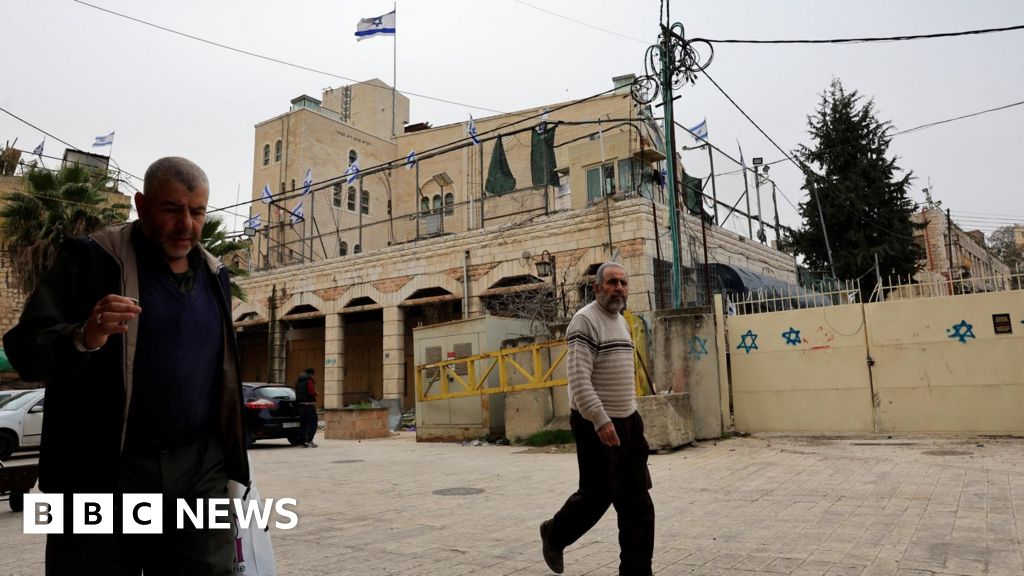
The recent actions within Israel’s parliament have ignited a new wave of diplomatic tension that could reshape the Middle East’s fragile landscape. On Wednesday, far-right factions in the Knesset advanced a bill that grants preliminary approval for applying Israeli law in the occupied West Bank. This territory, captured during the 1967 Six-Day War, is home to approximately 700,000 Jewish settlers amidst a Palestinian population of roughly 3.3 million. International law, supported by an advisory opinion from the International Court of Justice last year, deem settlements illegal—yet Israel continues to bolster its presence, constructing about 160 settlements to date. The bill’s passage, with a narrow 25–24 vote, signals a potential shift in the longstanding policy of maintaining the status quo, a move that critics warn could ignite renewed regional instability.

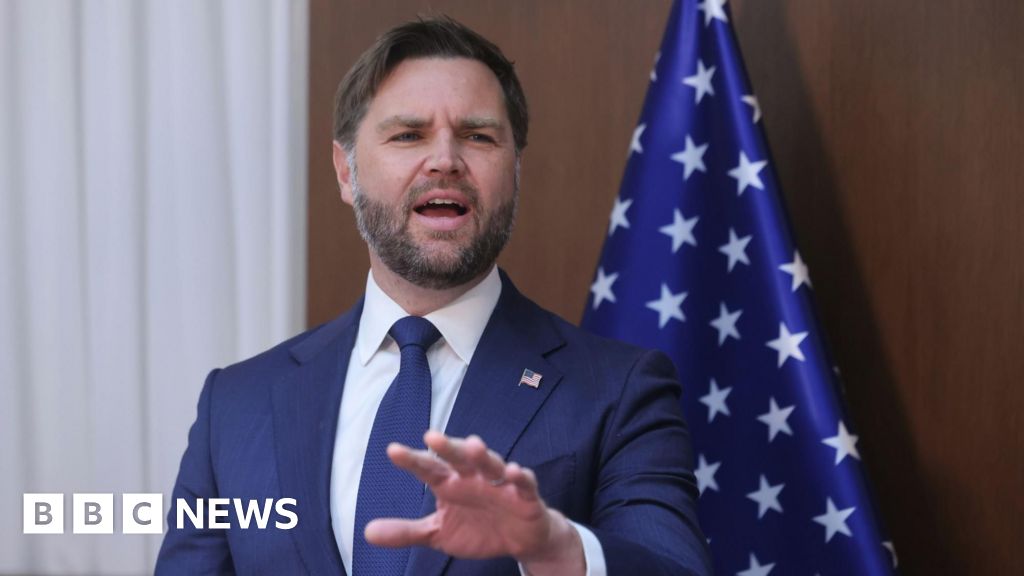
Global reaction has been swift and unequivocal, especially from the United States. Vice President JD Vance dismissed the bill as a “very stupid political stunt,” underscoring that the move undermines prospects for peace. Secretary of State Marco Rubio also cautioned that annexation could jeopardize President Donald Trump’s efforts to broker peace in Gaza, aligning with the broader U.S. stance against unilateral territorial changes in the West Bank. The U.S. role, perceived by many as Israel’s most vital diplomatic shield, remains pivotal. It highlights how American influence continues to shape the geopolitical balance—where every decision by Israel carries the potential to destabilize or bolster regional security. The stark warnings from Washington reflect the understanding that a shift in control over the West Bank would ripple across borders, potentially reigniting conflicts that have simmered for decades.

Meanwhile, Israel’s Prime Minister Benjamin Netanyahu characterized the bill as a “deliberate political provocation,” emphasizing that his government does not support immediate annexation, citing existing U.S. policy that opposes such measures. Despite ultra-nationalist factions within the coalition pushing for outright annexation, Netanyahu’s cautious stance reveals an attempt to balance domestic factions with international diplomacy. However, the move has drawn sharp criticism from the Palestinian Foreign Ministry, which condemned the bill as a violation of their aspirations for sovereignty. The geopolitical consequences of this maneuver could punctuate the ongoing conflict, possibly pushing the prospects for a comprehensive resolution further out of reach, while intensifying the rhetoric surrounding Israeli-Palestinian tensions.

As the international community watches uneasily, the echoes of history resound—reminding us that bold moves often precipitate deeper chaos. The Middle East remains at a critical juncture, where every decision not only shapes the future of millions but also influences the global balance of power. With the United Nations and other international watchdogs sounding alarms, the possibility of longstanding peace slipping into further disorder underscores a sobering truth: as history unfolds in the corridors of power, the world teeters on the precipice of change that will define generations to come. The question remains—how much longer can the ticking clock of diplomacy hold against the drums of conflict?

Green groups slam move to weaken protections for English national parks

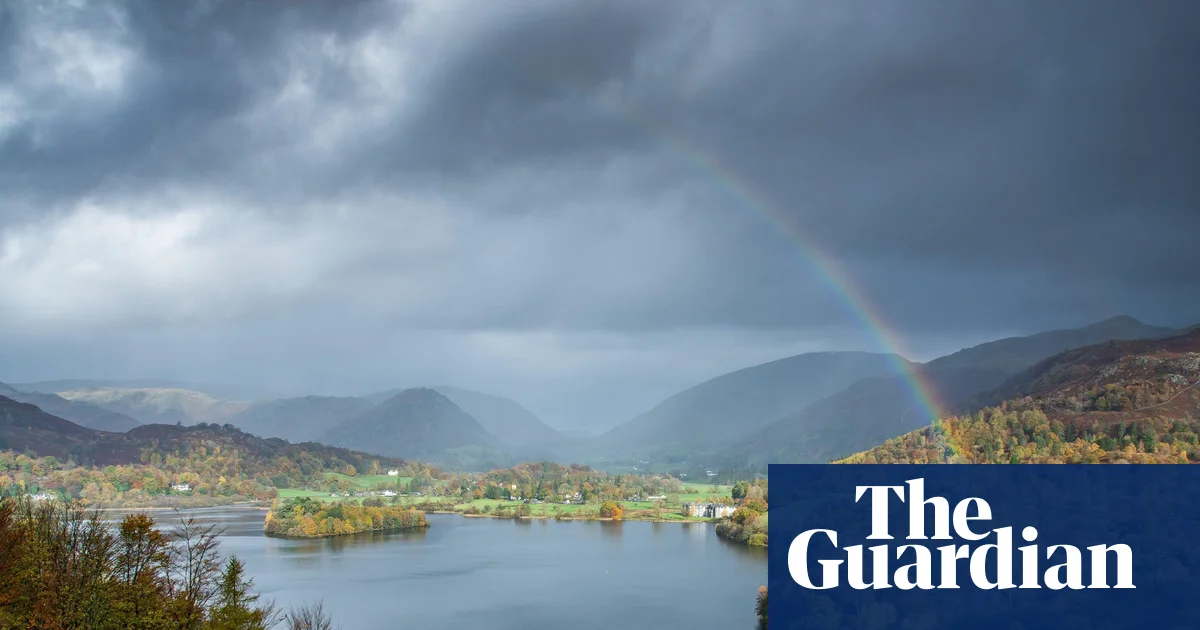
In a move that has ignited fierce debate across the United Kingdom and raised concerns among environmentalists worldwide, the government is considering revisions to planning laws that could significantly weaken protections for iconic national parks such as Dartmoor and the Lake District. This proposed shift, driven by the Treasury and championed by Chancellor Rachel Reeves, aims to facilitate the construction of 1.5 million new homes and major infrastructure projects, purportedly to plug a £30 billion fiscal gap. However, critics warn that this decision is a “kneejerk bid for growth” that threatens the very essence of the natural heritage cherished by millions and has far-reaching geopolitical impact beyond Britain’s borders.

Originally established by the postwar Labour government under Clement Attlee in 1949, national parks in the UK were designed to conserve natural beauty, wildlife, and cultural heritage while promoting access and recreation. Yet, recent governmental discussions threaten to upend this legacy. A key change being proposed would remove a duty that mandates public authorities to “seek to further” environmental and cultural aims within these protected areas. Critics, including prominent environmental organizations like the RSPB and the Wildlife Trusts, argue that the move is not evidence-based and will accelerate environmental degradation, undermining decades of conservation efforts.

The controversy underscores a broader, global concern: how economic pressure often trumps environmental stewardship. Historians and analysts have long noted that the deliberate creation of national parks was a conscious effort to balance economic development with the preservation of natural landscapes. Now, as international organizations like the United Nations reflect on climate and biodiversity crises, the UK’s potential rollback serves as a warning to other nations contemplating similar relaxations in environmental protections. The decision threatens to diminish Britain’s standing as a global leader in conservation, impacting international reputations and policies aimed at the biodiversity crisis.

  • The UK ranks poorly in European comparisons regarding green space sacrifice to development, with thousands of sites at risk under the new proposals.
  • Over 170 organizations, including major NGOs and conservation groups, have publicly condemned the plans, emphasizing the economic and social value of preserved landscapes, which attract millions of visitors and generate billions in revenue annually.
  • Analysts warn that sacrificing green spaces for short-term economic gains could lead to irreversible damage, affecting public health, climate resilience, and cultural heritage.

As the debate rages in Westminster, international voices caution against complacency. Renowned environmental historian Dr. Emily Howard warns that “history teaches us that once natural landscapes are sacrificed, they rarely recover.” The proposed legal amendments could serve as a precedent, emboldening other nations to prioritize economic growth over environmental integrity, further destabilizing fragile ecosystems on a global scale. The unfolding political drama emphasizes that decision-makers must grapple with a fundamental question: whether the pursuit of immediate economic benefits can justify the erosion of the very natural resources that sustain societies across generations.

The weight of history presses heavily on today’s legislators. The UK’s national parks, born from postwar recovery and a vision of national renewal, now stand at a crossroads. Will future generations inherit a legacy of preservation or a landscape scarred by shortsighted development? As the legislative clock ticks toward a critical vote, the world watches with bated breath. The outcome will not only determine the fate of these treasured lands but will also send a powerful message about the values that shape nations and societies in our tumultuous era. In this moment, history is writing itself, with each decision echoing across borders and time — a testament to the enduring struggle between progress and preservation.

Social Media Auto Publish Powered By : XYZScripts.com