Matox News

Truth Over Trends, always!

Tenways’ sleek foldable e-bike: urban mobility just got smarter

Emergence of Chinese E-Bike Innovator Tenways in European Markets

In a compelling move that underscores the acceleration of disruptive innovation in mobility technology, Tenways, a Chinese e-bike manufacturer with its headquarters in the Netherlands, is rapidly gaining traction across Europe. Leveraging aggressive pricing strategies, sleek design language, and an expansive network of over 1,500 shops and service centers, the company exemplifies how emerging players are redefining the traditional e-bike landscape. While less recognized globally, Tenways’ strategic focus on cost-effective, high-performance offerings could challenge established European and American incumbents, opening a new frontier for technological innovation and market disruption.

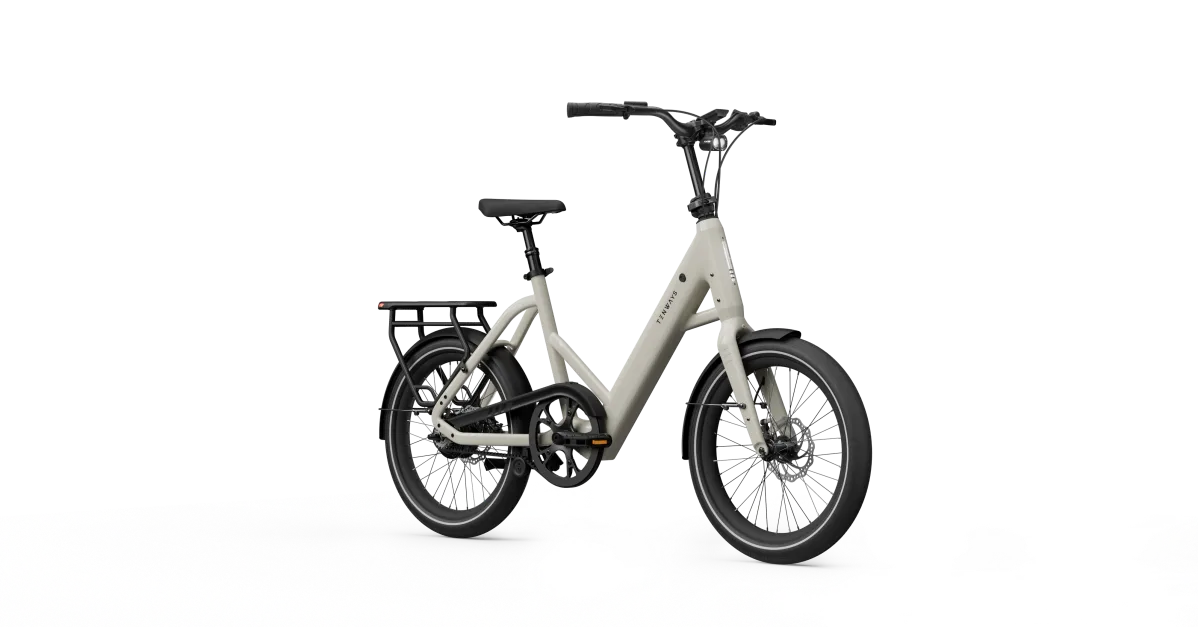
Central to Tenways’ European success is their CGO Compact, an e-bike priced at €1,999—significantly below the average €2,681 typical for European electric bikes. This pricing edge is vital in an industry increasingly driven by affordability paired with technology. Featuring a 250W rear-hub motor mated with a maintenance-free Gates Carbon belt drive, the CGO Compact epitomizes simplified yet powerful design choices aligned with urban commuting demands. Its 500Wh removable battery delivers a range of up to 100 km—an attractive proposition for city dwellers seeking reliable, eco-friendly transport options. Notably, the bike incorporates advanced features such as an integrated torque sensor for smooth pedal assistance and Tektro hydraulic disc brakes, all embedded within a compact profile.

  • Affordability without sacrificing core performance
  • Integration of sophisticated sensor technology
  • Extensive service network supports consumer confidence

Despite its impressive tech stack, the bike’s single-speed drivetrain and moderate torque output make it optimized primarily for flat urban terrain.

However, the CGO Compact’s design demonstrates how disruption often involves trade-offs. At nearly 20 kg, it is heavier than many competitors, including foldable models like Brompton G, which is designed for versatility and portability but costs more. This weight could impact user adoption among those valuing portability and ease of transport—an issue that highlights the ongoing challenge of balancing innovation with practicality. Yet, this drawback hasn’t hindered Tenways’ market penetration: experts from Gartner suggest that cost-efficient, durable, tech-enabled bikes can significantly reshape urban mobility. Such shifts could impact traditional European brands that rely on premium pricing, forcing them to re-evaluate product strategies in a rapidly evolving market.

Looking ahead, the implications for the overall e-bike industry are profound. As businesses race to capture market share, disruptive innovation fueled by companies like Tenways signals a clear trend: affordability, robust technology, and extensive service networks are becoming the new competitive metrics. Industry stakeholders—including tech giants and automotive OEMs—are eyeing this segment closely, recognizing the potential for electric bikes to replace short car commutes and reshape urban planning. Importantly, analysts warn that if incumbent manufacturers do not innovate swiftly, they risk losing customers to these agile, price-conscious entrants.

In conclusion, the rise of Tenways underscores the necessity for established players to accelerate their innovation cycles, integrate smarter value propositions, and prioritize user-centric design. Given the sophistication of their features—alongside their aggressive pricing strategy—these Chinese firms are setting a new benchmark that could accelerate the transformation of urban mobility. The industry must adapt or risk obsolescence; the future belongs to those who can leverage cutting-edge technology, redefine cost paradigms, and disrupt entrenched markets with speed and precision. The coming years promise a fierce contest—those who act now will shape the future of transportation, as urban landscapes evolve into hubs of smart, sustainable mobility.
Healthify Supercharges Ria AI with Real-Time Chat Power for a Smarter Future

Healthify’s Revolutionary Upgrade Sets New Standard in Personalized Healthcare

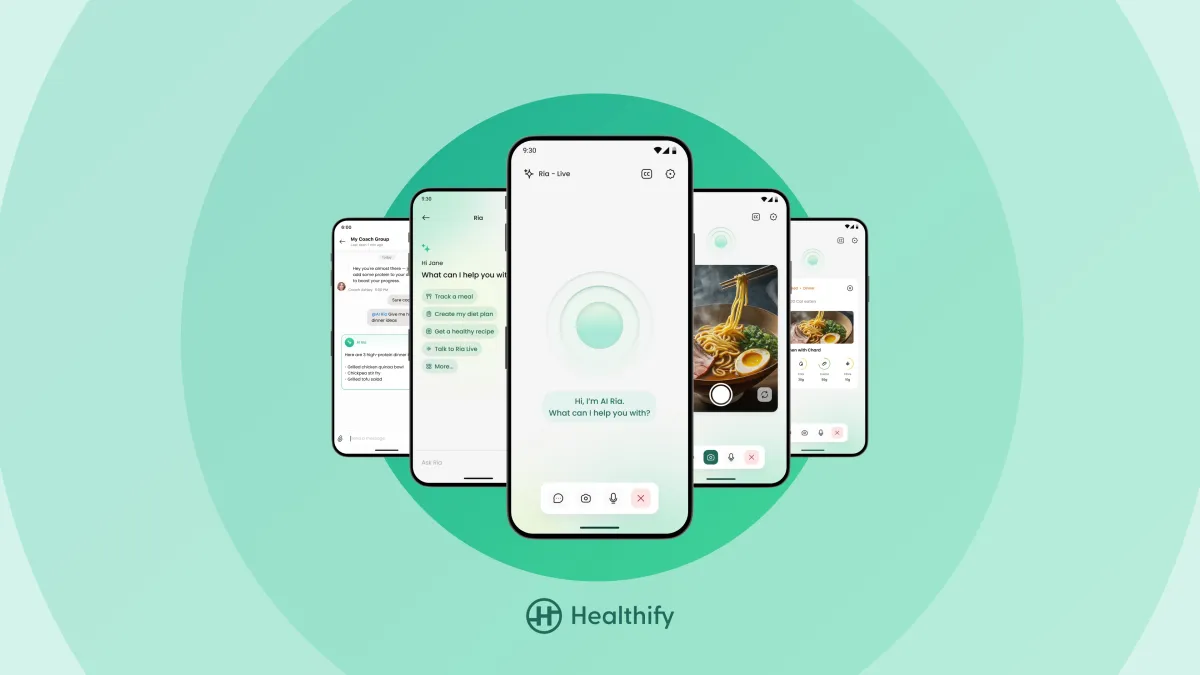
In a bold move that underscores the accelerating pace of innovation in digital health, Healthify, a startup backed by Vinod Khosla, has launched an advanced iteration of its AI health assistant, Ria. This new version integrates voice interaction, real-time camera input, and persistent memory features designed to redefine how users engage with health data. At a time when disruption in healthcare technology is critical, Healthify’s latest innovations exemplify the push toward seamless, AI-driven health management, with implications stretching across markets and platforms.

The upgraded Ria demonstrates a significant leap forward in conversational AI technology. Incorporating live voice interactions and camera-based food logging — using devices like Meta’s Ray-Ban smart glasses — it fosters a more intuitive, human-like engagement. The company’s goal is to create an ecosystem where users can effortlessly access insights, generate tailored exercise plans, or log goals, all within a single session. This move away from traditional apps toward conversational interfaces positions Healthify as a disruptor, pushing the boundaries of what AI can achieve in real-world health applications. As Tushar Vashisht, CEO of Healthify, explained, the team trained Ria on years of conversational data, ensuring grounded, actionable advice grounded in real interaction history.

The implications extend beyond just individual health tracking. By integrating AI deeply into user onboarding and long-term memory, the company is positioning itself to deliver hyper-personalized recommendations that evolve with users’ health journey. Looking ahead, the prospects for AI in healthcare extend into strategic partnerships, with Healthify aiming to collaborate with device manufacturers for data integration and to develop GLP-1-based weight-loss programs. As Peter Thiel and other tech visionaries have argued, the next wave of innovation will heavily rely on bridging unstructured health data and providing personalized, context-aware insights at scale, which Healthify appears poised to capitalize on.

Additionally, the company is enhancing collaborative features by enabling its assistant to function within conversations with health professionals, including voice transcription and data retrieval. This not only increases efficiency but also disrupts traditional consulting models, enabling real-time data sharing and analysis. By developing a persistent memory layer atop OpenAI’s models, the startup aims to give its AI an almost long-term cognitive makeup, which could revolutionize patient-provider interactions, making them more continuous and integrated. With more than 45 million registered users and several million active monthly participants, the scale and ambition suggest a future where AI-driven health ecosystems are the new norm, forcing traditional healthcare providers and tech giants alike to adapt swiftly.

As the industry moves into this new era marked by AI-driven personalization, the urgency for startups and established players to innovate or be left behind becomes clear. Healthify’s aggressive expansion plans, including a $20/month AI-powered plan and forthcoming partnerships, demonstrate that the market’s trajectory is unmistakable. This technological disruption compels competitors to re-evaluate their strategies and accelerates the push toward an integrated, AI-enabled health infrastructure. In an environment where data privacy, accuracy, and seamless user experience are paramount, the stakes have never been higher. Industry watchers and investors alike must recognize that the race for dominance in this space is now in full throttle, with the winners set to shape the future of healthcare for decades. The window to lead this transformative wave is closing fast — those who act decisively will determine the next chapter of digital health innovation.

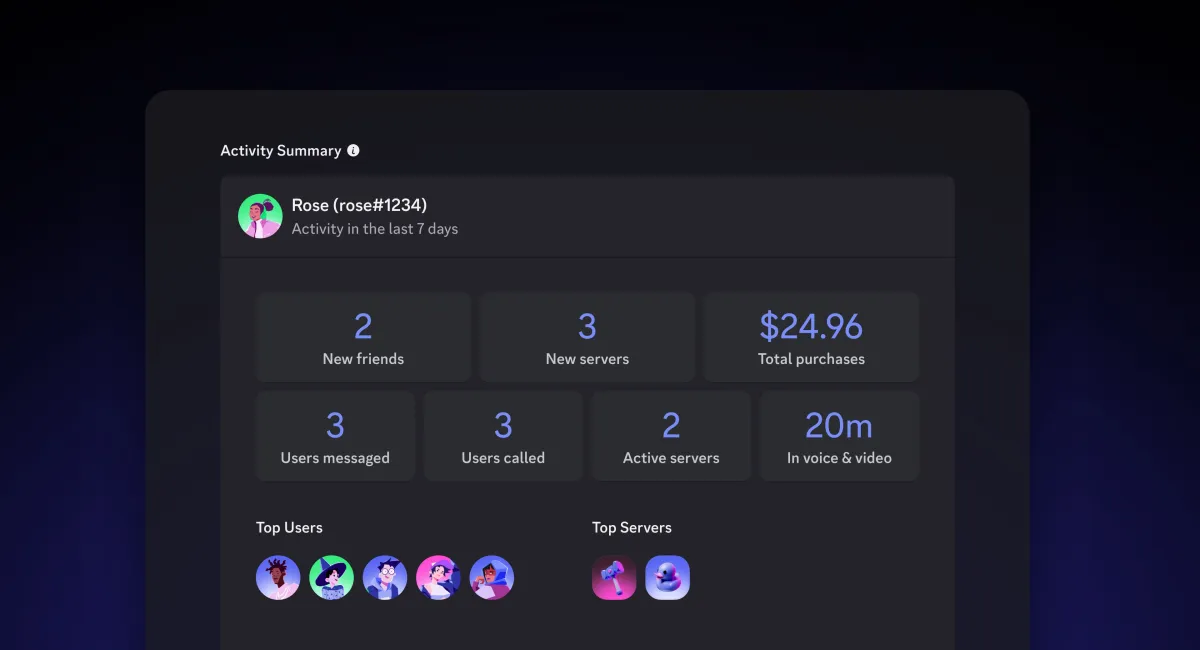
Discord’s Family Center update empowers parents to keep tabs on weekly spending—gear up for safer, smarter gaming!

Discord Unveils Next-Generation Parental Monitoring Tools, Signaling Industry Disruption

In a move that underscores the increasing importance of youth safety in digital spaces, Discord has rolled out a suite of substantial updates to its Family Center platform. These enhancements, aimed primarily at empowering guardians with deeper insights into their teens’ activity, embody the broader trend of tech giants intensifying parental oversight. At a time when social platforms face mounting scrutiny over youth privacy, Discord’s latest features position it as a disruptive force, potentially reshaping parental engagement across social media.

Among the most notable innovations is the expansion of guardians’ visibility into their teens’ digital behavior, including detailed reports on purchases, interaction patterns, and communication activity. Guardians can now track weekly expenditure within Discord’s Shop and Nitro subscriptions, gaining awareness of how teens allocate both time and money. Additionally, along with showing top interacted users and servers, Discord’s platform provides comprehensive insights into time spent on voice and video calls, reflecting an industry-wide response to the ‘teen safety’ wave fostered by competitors like Meta and Snapchat. The implications for business disruption are significant, as platforms move from passive monitoring to active engagement, potentially increasing user retention through safer environments, while simultaneously appealing to parental authority as a core feature.

Adding to this paradigm shift are enhanced parental controls, which now include restrictions on direct messaging, content filtering, and data privacy management. Guardians can dictate how their teens interact within Discord, a regime that echoes the industry’s strategic emphasis on responsible data practices and privacy. Experts from MIT and industry analysts from Gartner recognize that such features could usher in a new era of product differentiation—a crucial factor for platforms seeking to sustain relevance among younger demographics aware of privacy concerns. Meanwhile, Discord’s flexible reporting options—allowing teens to notify guardians of content reports—highlight an evolving model where transparency and communication become central to platform trustworthiness.

However, the deployment of these tools raises critical questions about industry standards and regulatory impacts. While fostering safer environments, increased oversight may prompt competitors to accelerate innovation, leading to a disruption in the social media landscape. With the backdrop of a sharply competitive market, where Elon Musk’s \href{https://parents.snapchat.com/safeguards-for-teens}{Snapchat} and Meta’s \href{https://techcrunch.com/2024/01/25/meta-teen-controls/}{tighter restrictions} are already reshaping youth interaction, Discord’s strategic move could accelerate the trend toward privacy-first, guardian-centric social spaces.

Future Outlook: Navigating the Next Wave of Social Tech

Looking ahead, the technology sector must brace for a rapid evolution in how digital platforms balance disruption and responsibility. As industry leaders like Gartner forecast an inevitable convergence of youth-centric design and privacy safeguards, Discord’s initiatives serve as a blueprint for the future of social media. In this high-stakes environment, the race is on to develop platforms that not only captivate younger audiences but also foster trust and security—critical ingredients for long-term business sustainability. With regulatory pressures mounting and consumer expectations shifting, developers and investors must act swiftly to secure a competitive edge, or risk being left behind in the digital revolution.

Master the new ChatGPT app integrations: Spotify, Figma, Canva, and more—your tech toolkit just got smarter!

In a landmark move that exemplifies the ongoing revolution in artificial intelligence and digital ecosystems, OpenAI has introduced a suite of new app integrations directly into ChatGPT. This development signals a profound shift towards a more interconnected and intelligent digital assistant capable of executing a wide array of tasks across popular platforms. By enabling users to seamlessly connect their accounts — spanning services like Spotify, Booking.com, Canva, Coursera, Expedia, Figma, and Zillow — OpenAI is disrupting traditional boundaries between AI and practical business applications, setting a new standard for digital productivity tools. The implications for startups, tech giants, and ecosystem partners are enormous, heralding a future where AI-driven automation becomes an essential component of everyday commerce, education, and entertainment.

This integration marks an inflection point in the industry’s trajectory towards hyper-utility. TechCrunch highlights how users can now instruct ChatGPT to perform tasks that were previously cumbersome or disconnected from AI, such as creating personalized playlists on Spotify or booking travel accommodations via Expedia. These capabilities are not merely superficial add-ons; they represent a significant enhancement in innovation and disruption. By bridging services traditionally operated in siloed environments, OpenAI is fostering a more unified and accessible user experience— a critical component of competitive advantage. For enterprises, this accelerates the transition from static software use to dynamic, AI-empowered workflows, fundamentally altering how businesses organize, strategize, and engage customers.

The technological innovations at the heart of this shift are multifaceted: natural language processing (NLP) algorithms are now capable of authentic multi-platform interactions, extracting context, and handling complex multi-step tasks. The advancements also include streamlined account integrations, with users able to connect or disconnect apps with ease directly from ChatGPT’s settings interface. This flexibility provides a strategic advantage for business agility and personalization—a core trend identified by industry analysts like Gartner. As the AI landscape matures, those who can harness these capabilities rapidly will dominate markets, with early adopters gaining a substantial competitive edge against traditional service providers and legacy systems.

Moreover, the expanded ecosystem approach—where major companies such as Walmart and Uber are slated to join later this year—foreshadows a future where AI-powered assistants become indispensable for consumer and enterprise markets alike. This wave of disruption challenges established players to rethink their engagement strategies and leverage AI as a strategic enabler. The seamless integration of services not only enhances user convenience but also opens new revenue streams, from personalized shopping experiences to real-time data-driven recommendations. As Peter Thiel and other visionary investors emphasize, the swift adoption of such innovative platforms can create monopolistic advantages, securing market dominance before competitors adapt.

However, alongside these technological potentials lie cautionary trends: regulatory uncertainty, privacy concerns, and the potential for over-reliance on AI systems. Already limited to the U.S. and Canada, the current rollout underscores the importance of regulatory frameworks evolving alongside this innovation. The future of AI-driven integrations hinges on how responsibly companies manage data and maintain user trust while navigating an increasingly complex geopolitical landscape. For executives and young entrepreneurs, the window of opportunity to shape the next frontier of disruptive technology is swiftly closing. Those who act decisively—integrating AI into core business operations today—will define the competitive landscape of tomorrow’s digital economy. The urgency to capitalize on these innovations is clear: in the rapidly evolving tech frontier, timing is everything, and the leaders of the next wave are already setting the pace.

Anthropic Drops Claude Haiku 4.5: Smarter, Cheaper, and Faster—The New Wave in AI!

In a landscape increasingly shaped by technological innovation, Artificial Intelligence (AI) remains at the forefront of cultural transformation. This week, the announcement of Anthropic’s Claude Haiku 4.5 marks a significant milestone—not only for AI development but also for its societal role. Designed for speed, affordability, and safety, this latest iteration of a compact yet powerful AI model showcases the industry’s relentless pursuit of making AI more accessible and practical for everyday use. With performance matching that of models twice as large but at a fraction of the cost, Haiku 4.5 symbolizes a democratization of AI technology that could redefine how youth and consumers interact with digital content and tools.

The cultural impact of this development is profound. For a generation that’s grown up immersed in technology, the blending of AI into daily life isn’t just about convenience—it’s about shaping their social narrative. Influencers and young creators are increasingly adopting AI tools like Claude to generate content, code, and ideas, effectively transforming how trends emerge and evolve. Interviews with sociologists highlight that this shift fosters a new form of digital literacy, where navigating AI-human collaboration becomes a key social skill. Moreover, the affordability and speed of Haiku 4.5 mean that even small creators can participate in the AI-powered content boom, making the AI ecosystem more inclusive and vibrant than ever before.

However, the timing of this launch is far from accidental. The broader political landscape around AI is tumultuous. Reports from Bloomberg reveal that Anthropic has found itself in the crosshairs of critics—particularly from the Trump-era AI czar, David Sacks, who has accused the company of “regulatory capture” due to their support for California’s new AI transparency law. This controversy underscores a social relevance: AI is no longer just a technological issue but a heated societal debate about regulation, safety, and the future of free enterprise in the digital age. As CEO Jack Clark points out, despite criticism, Anthropic remains aligned with the White House on responsible innovation, hinting at a future where AI safety and progress might be seen as complementary rather than conflicting.

  • AI accessibility: Lowering costs makes AI tools attainable for a broader demographic, especially youth eager to leverage the latest tech in creative pursuits.
  • Content creation revolution: Young influencers are increasingly integrating AI into their workflows, fostering a cultural shift towards digital craftsmanship.
  • Political and societal debates: The ongoing struggle between regulation and innovation reflects a society still grappling with what responsible AI development truly entails.

As we look toward the future, one must ask: Will AI, exemplified by breakthroughs like Claude Haiku 4.5, serve as a unifying force that bridges societal divides or deepen existing fractures through regulatory confrontations and ideological battles? The next chapter of AI’s cultural impact hinges on this pivotal question—one that will determine whether the digital revolution continues to empower youth and creators or stalls amid political discord. Ultimately, the trajectory of AI’s influence is still unwritten, but the, next big question might be whether society is ready to embrace AI as a shared, responsible tool—balancing innovation with safety in a digitally-driven future.

Apple shifts focus from lighter Vision Pro to prioritize smarter glasses for the future

Apple Accelerates Smart Glasses Development Amid Strategic Industry Shifts

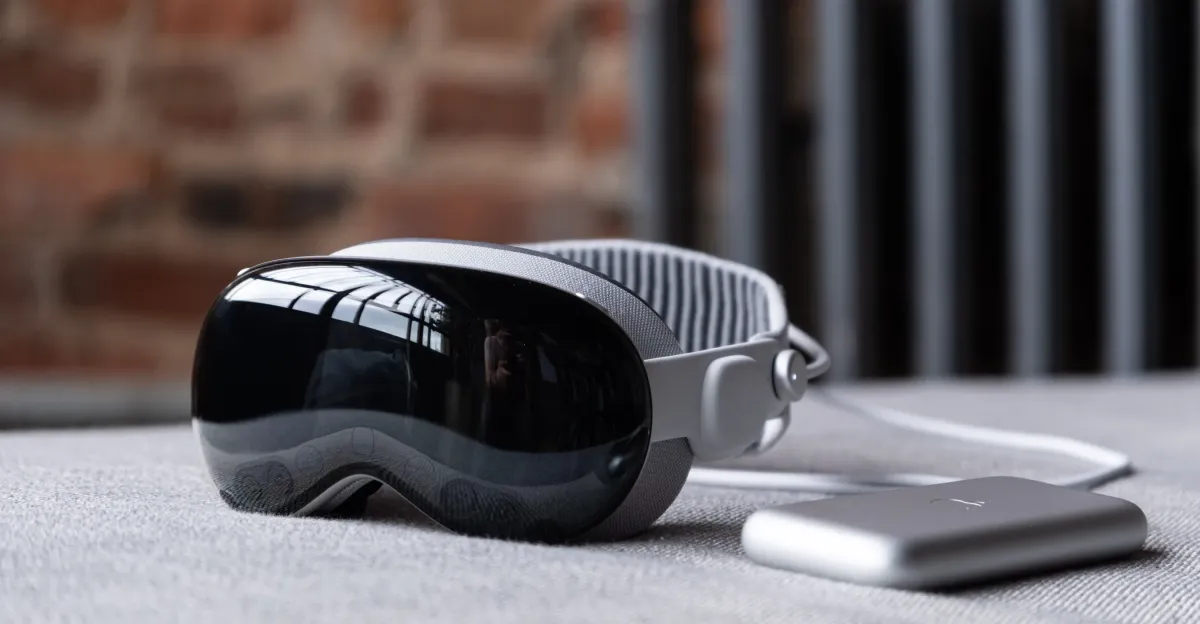
In a bold move signaling its strategic pivot toward augmented reality and AI-driven wearables, Apple is intensifying its development efforts on next-generation smart glasses, potentially disrupting current market leaders such as Meta with its Ray-Ban and Oakley smart eyewear. Reports from Bloomberg indicate that Apple has shelved plans for a lighter, less ambitious Vision Pro headset in order to focus on a more versatile smart glasses platform. This decision underscores a broader industry trend where immersive AR hardware takes precedence over traditional VR headsets, emphasizing innovation driven by AI integration and user-centric design.

According to industry insiders, Apple’s new glasses will feature multiple models, including at least one with a display capable of challenging Meta’s Ray-Ban Display. The glasses are expected to include speakers, cameras, and multiple style options, with a heavy reliance on voice interaction and AI. Early prototypes suggest a strategic focus on seamless, hands-free operation, leaving behind the bulky headsets of past generations. Notably, Apple is also developing a dedicated chip to power these devices, a move previously highlighted by Bloomberg as part of its larger push for specialized hardware that enhances performance and energy efficiency.\nThis emphasis on custom silicon aligns with insights from market analysts at Gartner, who highlight that hardware specialization is a key driver of disruptors in the wearable tech space. Competition from Meta, which has already integrated AR features into its glasses, shows that Apple aims to leapfrog with superior hardware capabilities and software integration.

Meanwhile, Apple’s abandonment of plans for a lighter Vision Pro headset in favor of heavier, more feature-rich glasses hints at industry-wide shifts in consumer preferences. Reports suggest a “modest refresh” of the Vision Pro is still on the horizon, potentially launching as early as the end of this year, but overall focus is hastening toward AR glasses that incorporate AI and augmented reality in everyday life. This pivot further signifies a market in flux, where augmented reality’s disruption potential could redefine the fundamental engagement models in tech, from entertainment to enterprise applications. Regulatory filings recently uncovered point toward a new iteration of the Vision Pro, indicating Apple’s continued commitment to both VR and AR markets. Yet, experts like Peter Thiel warn that “the path of robust, AI-driven wearables is fraught with technical and regulatory challenges,” emphasizing the urgency for tech firms to innovate aggressively and stay ahead of the curve or risk obsolescence.

Looking ahead, the thriving smart glasses market is poised for explosive growth, driven by innovations in AI, hardware specialization, and user experience. As Apple doubles down on this frontier, industry observers recognize that disruption is imminent. Companies that fail to develop compelling, integrated AR wearables risk falling behind in a landscape increasingly dominated by AI-driven ecosystems. The next half-decade promises to be a pivotal period where innovation, strategic vision, and market agility will determine the leaders of the next generation of technology—a future where immersive, AI-enhanced wearables could become as ubiquitous as smartphones today. Time is of the essence—those who lead now will shape the trajectory of tech for decades to come.

Honor Magic 8 Pro drops a new AI button — tech gets smarter for the next-gen user

Honor Launches the Magic 8 Series: Aiming to Disrupt the Premium Smartphone Arena

In a move highlighting ongoing innovation within the competitive premium smartphone segment, Honor has unveiled its flagship Magic 8 series, combining cutting-edge hardware with emerging AI functionalities. The Magic 8 Pro, set to debut initially in China before arriving in Europe, underscores the company’s ambition to challenge industry titans like Apple and Samsung through strategic innovation and disruptive design. Priced at over €1,000 ($1,200), the Magic 8 aims to deliver flagship-level performance with a focus on AI enhancements, camera prowess, and processing power.

Key to its disruptive approach is the phone’s integrated AI button, a feature that signals a shift in how smartphones prioritize user experience through AI-driven functionalities. Honor clarifies that this button is dedicated solely to AI-related tasks, suggesting a future where smartphones become more intuitive and personalized. Coupled with the latest Qualcomm Snapdragon 8 Elite Gen 5 processor—an upgrade also adopted by the upcoming Xiaomi 17 series—the Magic 8 Pro is positioned as a powerhouse built for high-performance AI applications and demanding workflows. Analysts from Gartner project that such hardware integrations will become industry standard, transforming mobile devices into portable supercomputers.

The business implications of this positioning are clear: Honor is not merely offering a smartphone but is disrupting the traditional flagship formula by emphasizing AI innovation and disruption in user interface paradigms. Additionally, new features like Magic Color, an AI-powered tool for dynamically restyling images and videos using different color palettes, exemplify how AI is being woven into core smartphone capabilities. These enhancements not only elevate the user experience but also open avenues for revenue through app ecosystem upgrades, AI-driven services, and possibly subscription models, echoing trends seen in tech giants like Apple and Google.

With plans to introduce a range of models—including the anticipated Magic 8 Ultra and Mini—Honor is betting on sustained innovation to consolidate its position in the high-end mobile space. The upcoming unveiling of the Magic Pad 3 Pro, also powered by the Snapdragon 8 Elite Gen 5, signals an integrated ecosystem push that could redefine consumer expectations for interconnected devices. Industry experts suggest that the rapid rollout of these advanced models may accelerate a broader industry shift towards AI-centric hardware, with firms like MIT and Stanford emphasizing AI’s role as the next major leap in mobile tech evolution.

Looking forward, the competitive edge for Honor and similar disruptors hinges on their ability to leverage disruptive AI applications and hardware innovations to outpace established incumbents. As giants continue to refine their own flagship offerings, the importance of AI-driven features and high-performance chips will only intensify. The coming months could mark a pivotal moment, where tactical innovation and bold business strategies determine the future landscape of premium mobile technology. For tech enthusiasts and industry watchers alike, the race to dominate the AI-powered mobile future has begun—and the speed of innovation is unlikely to slow down anytime soon.

Social Media Auto Publish Powered By : XYZScripts.com