
Matox News

Truth Over Trends, always!

Maldives enforces youth smoking ban to protect future generations

The Maldives has pioneered a groundbreaking initiative by banning tobacco for everyone born on or after 1 January 2007, making it the world’s first nation to implement a nationwide *generational tobacco prohibition*. This bold move underscores the nation’s firm commitment to safeguarding its youth from the devastating health impacts of tobacco addiction. According to the Maldives’ health authorities, the law prohibits the purchase, sale, use, or possession of all forms of tobacco by this generation, with strict verification measures in place for retailers. These regulations align seamlessly with global health standards, notably the World Health Organization Framework Convention on Tobacco Control, which reflects an urgent international response to the soaring tobacco epidemic.

Analysts and international organizations have hailed the Maldives’ decision as a *significant turning point in global health policy*. Experts warn that youth-focused bans like this could serve as a blueprint for future legislation worldwide, especially as tobacco companies increasingly target younger demographics through stylish vaping gadgets and edgy marketing tactics. Historically, nations that have taken aggressive action against tobacco have seen declines in smoking rates over the long term, and the Maldives’ crackdown on vaping last year set a precedent. Last year, the country criminalized the import, sale, and possession of electronic cigarettes and vaping devices—regardless of age—highlighting its zero-tolerance stance. The Maldives government emphasizes that this comprehensive approach is crucial to fostering a healthier generation and reducing the long-term healthcare burden caused by tobacco-related illnesses.

Global observers warn that such policies are emblematic of a broader shift in *how nations deal with public health crises*—particularly in an era marked by intense geopolitical competition. Handy and effective, these measures simultaneously defend societal wellbeing while asserting national sovereignty against the aggressive tactics of multinational tobacco corporations. Critics in countries like New Zealand and the United Kingdom have debated similar proposals, with some recent setbacks—like New Zealand’s withdrawal of a proposed generational ban—highlighting the complexities surrounding social acceptance and political will.

As historians and policy analysts observe, the Maldives’ decisive move could mark a *new wave of youth-oriented health policies*, but it also invites a crucial question: how will such policies reshape societal attitudes and international relations? Will this become a catalyst for a global anti-tobacco movement that transcends borders? Or will resistance from industry giants and entrenched cultural norms stall progress? As the world watches, one thing remains clear: an epoch of transformation is underway, with each legislative victory or setback carving its mark into the pages of history. The weight of this unfolding struggle for a healthier future is boundless, and the tide of change, relentless and unstoppable, continues to surge forward.
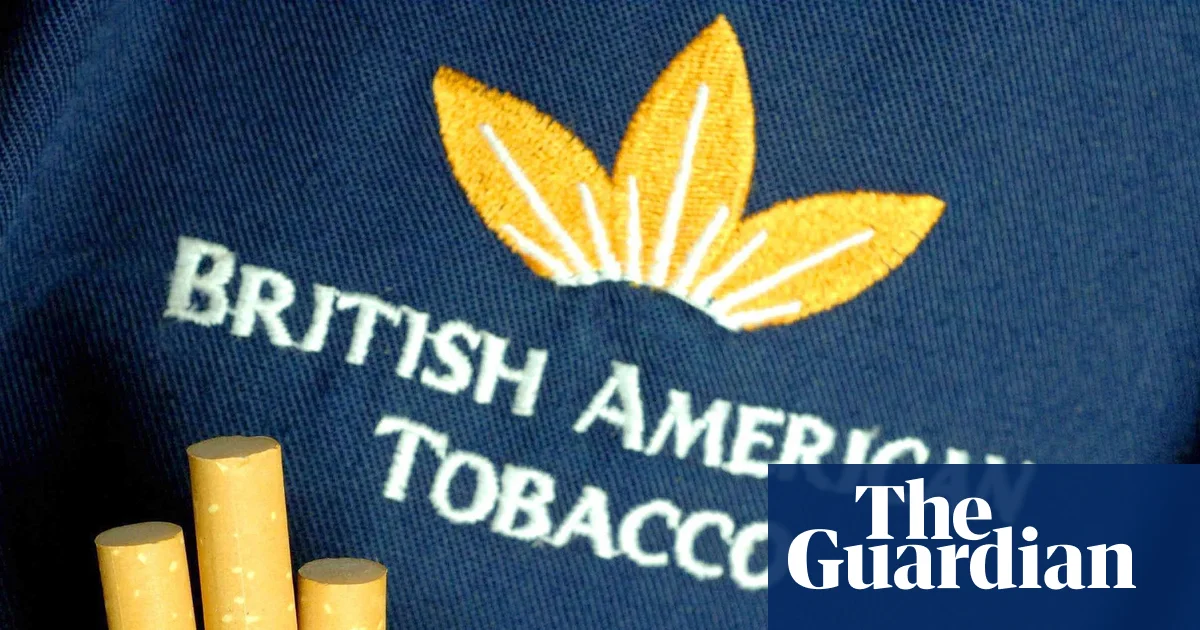

Peer Opposes UK Smoking Ban, Talks Strategy with Relative at Tobacco Giant

Amid mounting debates over public health measures, Britain appears embroiled in a high-stakes chapter of its ongoing battle over tobacco regulation. The recent legislative initiatives, notably the proposed generational smoking ban—making it illegal to sell tobacco to anyone born after 2008—have ignited fierce opposition from powerful industry voices and political interests. While the UK government champions this pioneering policy as a bold step towards a smoke-free future, influential lobbyists and some members of the House of Lords are actively working to dilute or derail it. The involvement of private industry, including ties with British American Tobacco (BAT), highlights how economic interests continue to shape health policy, raising questions about the authenticity of claims to public welfare.

Key figures in the debate, such as Lord Strathcarron, have publicly discussed potential amendments to the legislation, including proposals that would merely raise the legal age to purchase tobacco from 18 to 21—an approach critics argue is a superficial modification that ultimately favors industry continuity. Disturbingly, claims that cigars are “harmless” are backed by industry lobbying, despite extensive academic research indicating the mortality risks of cigar smoking can be comparable to, or even surpass, those of cigarettes. Meanwhile, lobby groups such as Action on World Health, co-founded by controversial figures like Nigel Farage, have surreptitiously targeted policy positions by coordinating with industry insiders and influencing public discourse, often under the guise of promoting “freedom” and “market forces.”

International organizations like WHO have warned that watering down public health measures such as the UK’s generational ban could have ripple effects far beyond the Atlantic. The move to protect young generations from tobacco exposure is seen by analysts as a crucial step in countering a global epidemic—yet, the entrenched influence of Big Tobacco and its political allies threaten to undermine these efforts. Critics highlight that the industry’s resistance is driven less by health concerns and more by efforts to preserve lucrative markets, especially as emerging alternatives such as vaping and nicotine pouches continue to grow in popularity. Such conflicts underscore a broader battle for the soul of public health policy, pitting societal well-being against powerful economic interests that prefer to keep markets open at the expense of lives.

As the legislation’s fate hangs in the balance, the international community watches with bated breath. The outcome of this political skirmish will likely serve as a precedent—either affirming a decisive shift towards proactive health reforms or capitulating to the status quo of corporate influence. The stakes are clear: the decisions made within Westminster’s chambers will not only shape Britain’s health landscape but will also send a resounding message to nations worldwide. Will they follow a path toward radical prevention, or succumb to the influence of industry-backed lobbying aimed at preserving profits over people? The page of history turns swiftly, and the story of this legislation is far from over—its conclusion could mark a turning point in the ongoing global struggle for control over health policies amidst the relentless tide of corporate power.

Social Media Auto Publish Powered By : XYZScripts.com


