Matox News

Truth Over Trends, always!

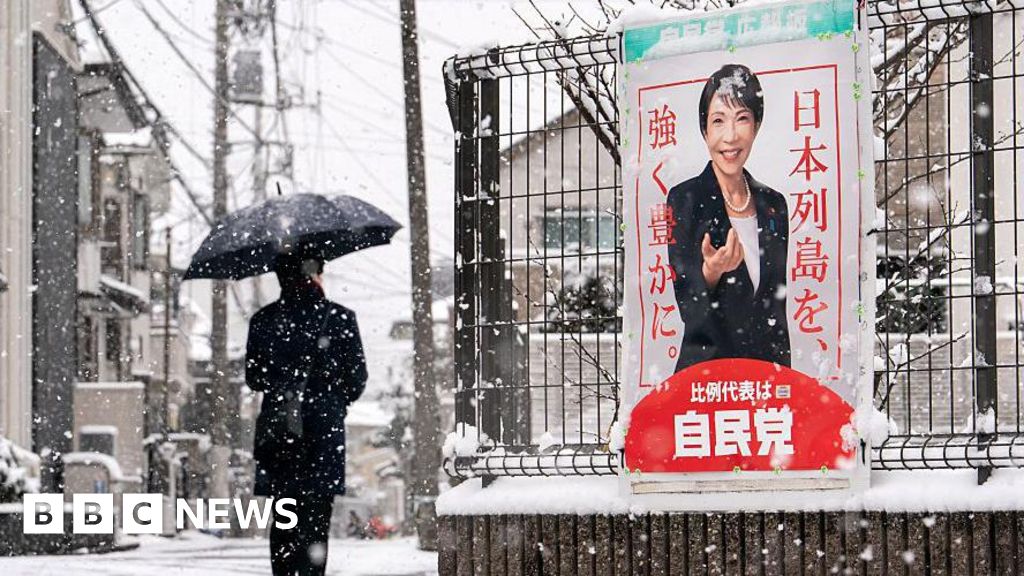
Japanese youth rally through snow to cast decisive vote in snap election

In a recent surge of political momentum, Japan’s latest polls indicate that a coalition led by Takaichi is poised to secure a decisive victory in the upcoming national elections. This development signals not only a significant shift within Japan’s domestic political landscape but also carries profound geopolitical implications that extend well beyond its shores. Analysts and international observers are closely monitoring this turn of events, recognizing that the outcome of this election could influence the balance of power across the Indo-Pacific region and reshape regional diplomacy.

The coalition’s lead is attributed to a combination of nationalistic rhetoric, economic strategy, and a stance towards regional security that emphasizes a strengthened military posture. Historically, Japan has balanced its pacifist constitution with a progressively assertive foreign policy, but this shift under Takaichi signifies a more explicit commitment to expanding military capabilities and reaffirming its role as a key regional security player. International organizations and historians suggest that such a trajectory might challenge the longstanding diplomatic practices of the region, especially when considering the tense relationship with China and North Korea. The victory, if confirmed, would likely embolden the coalition’s efforts to revise defense policies, potentially triggering a regional arms race and prompting neighboring nations to bolster their own military defenses.

Furthermore, this political momentum must be understood in the context of broader shifts within global geopolitics. The escalation of tensions in Taiwan, the persistent threat posed by North Korea’s missile tests, and increased assertiveness from Beijing have collectively contributed to a strategic recalibration. Experts from institutions like the International Institute for Strategic Studies have warned that a more militarily confident Japan could alter the delicate balance of power in Asia, complicating diplomatic efforts aimed at stability and security. As such, the possible shift in leadership and policy may serve as a catalyst for regional realignment, with alliances being tested and new fault lines emerging.

Historic voices remind us that the course of nations often hinges on these pivotal moments—moments that forge the future trajectory of peace, conflict, and diplomacy. If Takaichi’s coalition achieves the predicted mandate, the geopolitical landscape of the Indo-Pacific could be irrevocably reshaped. The international community now watches with bated breath, recognizing that we are at a juncture where decisions taken today echo through history, forging pathways that could either lead to stability or ignite the flames of a new regional confrontation. As history continues to be written in the corridors of power and the battlefields of diplomacy, one thing remains certain: the continent’s future hangs in the balance, and the weight of what comes next will be carried by nations and societies for generations to come.
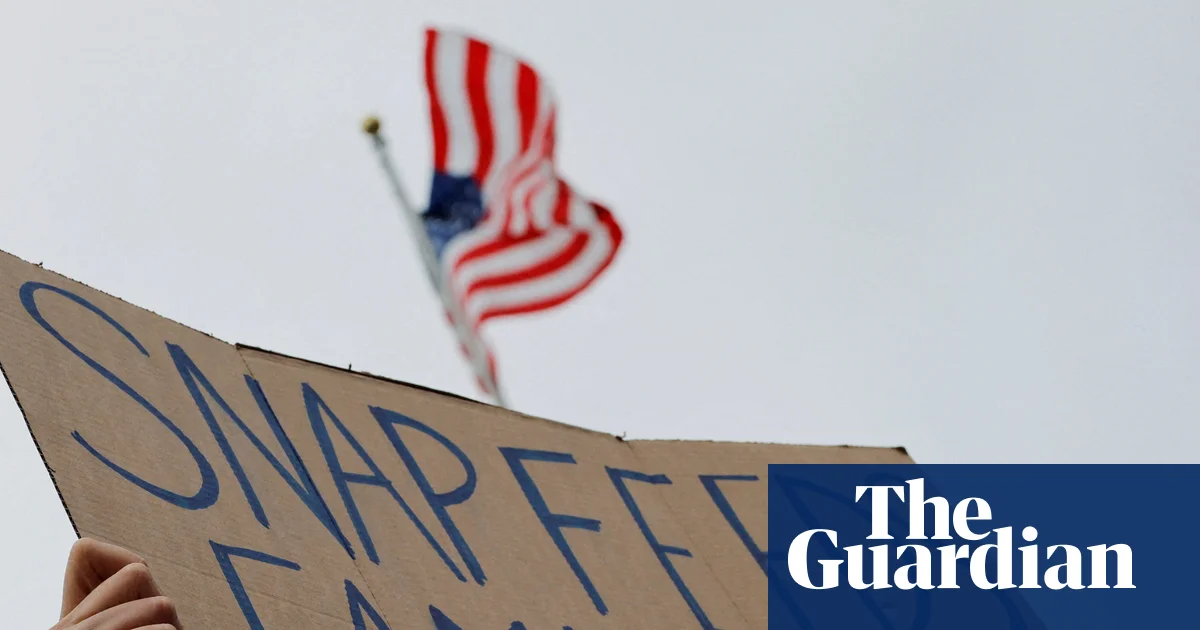
Trump urges Supreme Court to step in as judges reject snap funding halt—US shutdown looms in 2025

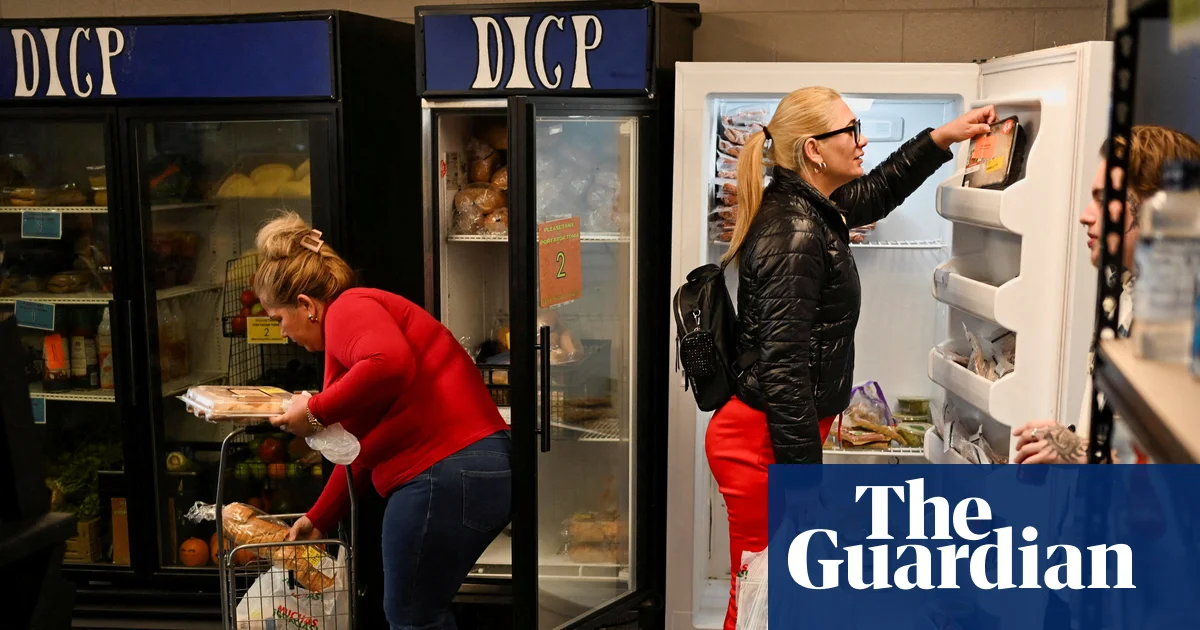
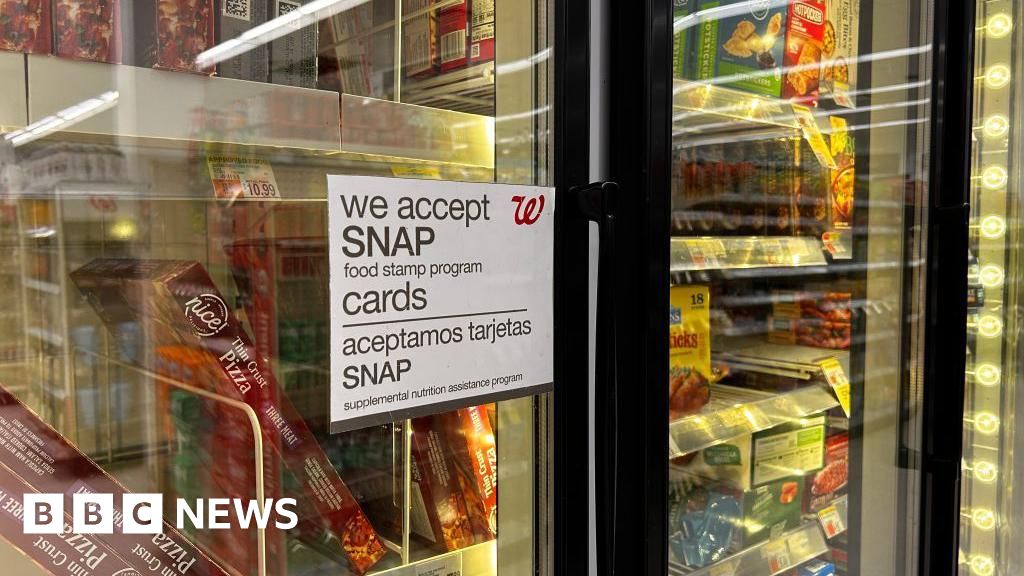
The United States continues to grapple with the fallout from its ongoing federal government shutdown, revealing stark divisions not only within its political landscape but also with profound geopolitical implications. Central to this turmoil is the battle over distributing the November benefits for the Supplemental Nutrition Assistance Program (SNAP), commonly known as food stamps—a critical lifeline for millions of lower-income Americans. The Trump administration’s efforts to halt full payment amid congressional deadlock highlight a distinct shift in federal social policy, raising alarms among international observers and analysts about the erosion of social safety nets in a nation often seen as a global economic leader.

This controversy escalated last week when a federal district court ordered the government to continue full SNAP benefits despite the shutdown’s budget chaos. The administration responded with fervor—first attempting to block the order by appealing to the Supreme Court, claiming that fulfilling the court’s mandate could cause irreparable harm. The argument centered around the idea that once funds are disbursed, they cannot be recouped, and continued payments could set a dangerous precedent for future budgets, especially if the shutdown persists into December. This legal refusal to comply with court rulings exposes a fragile balance between judicial authority and executive discretion, with serious consequences for social stability and international reputation.

International organizations and geopolitical analysts have closely watched this domestic dispute, aware that such internal conflicts have the potential to ripple across borders, especially given the global economic interconnectedness these days. Historians warn that such standoffs threaten to undermine the perception of US stability, potentially weakening its position in international financial markets. The fact that this political and legal tussle revolves around providing basic needs—an essential element for societal stability—underscores the crucial role of national governance in shaping human lives and global relations. As the Trump administration presses for a stay on court orders, claiming it cannot “tap” funds for ongoing payments, critics argue this signals a dangerous turn towards austerity and social neglect.

The unfolding saga leaves the world with a stark reminder: the choices made within the halls of power are not isolated—they set precedents with far-reaching implications. The decision to prioritize political posturing over the well-being of vulnerable populations shapes the narrative of an America divided and weakened at its core. As history continues to write itself into the pages of the 21st century, the crisis surrounding SNAP benefits is emblematic of a nation at a crossroads, where internal conflicts threaten to define its global role and societal fabric for generations to come. Whether this chapter will culminate in a resolution that upholds the rule of law and social cohesion or deepen the fissures remains an open question—yet, one thing is clear: the weight of history presses relentlessly forward, shaping a future still shrouded in uncertainty.

US judges: Trump admin must keep SNAP benefits flowing during shutdown

As the United States approaches its second month of a debilitating government shutdown, the focus has intensified on the humanitarian consequences unfolding across the nation, especially among its most vulnerable populations. Despite the political impasse that has paralyzed federal operations since October 1st, the judiciary has delivered a decisive blow to the Trump administration’s attempt to withhold food assistance for over 40 million low-income Americans. Two federal judges in Rhode Island and Massachusetts have ruled that the government must utilize emergency funds to continue the disbursement of SNAP benefits, commonly known as food stamps.

This legal intervention underscores a critical turning point in the ongoing crisis, emphasizing the fundamental role of judicial authority in safeguarding basic human needs against political stalemates. The courts’ rulings assert that funds necessary for essential aid cannot be arbitrarily withheld under the guise of budget disputes. Analysts highlight the geopolitical impact of such decisions in terms of American domestic stability. Historians warn that prolonged neglect of social safety nets can deepen societal divisions, trigger food insecurity, and exacerbate economic disparities, reflecting what they term a “moral failure.” Meanwhile, international organizations, such as the UN, have expressed concern about the global image of a superpower unable to meet the basic needs of its people, risking a narrative of decline amid domestic chaos.

At the core of the legal battles laid out in courtrooms is the Trump administration’s claim that the contingency funds meant for emergencies are insufficient for this crisis, a stance challenged as mistaken by judicial authorities. The USDA’s decision to halt SNAP distributions, citing “the well has run dry,” has been met with widespread backlash from both sides of the political aisle and society at large. Despite efforts by several states to fund benefits independently, the federal government’s warning that they will not be reimbursed only fuels fears that millions of Americans—families like those surviving on less than $6 a day per person—are being left adrift in a storm of political game-playing. The Center on Budget and Policy Priorities estimates that even if the contingency fund is accessed, it might only cover approximately 60% of the usual beneficiaries—another grim reminder of how decisions made in Washington resonate deeply in American living rooms.

In this moment of crisis, the echoes of history serve as a stark warning: when social safety nets are undermined, societal stability fractures. The dominant narrative echoing through policy circles and international commentators alike is that these conflicts are not merely political disputes, but fundamentally a test of American values and resilience. As the courts demand action and Congress remains gridlocked, the fateful question persists—will this be remembered as the point when the world’s most powerful nation chose to abandon its own people, or will it rise to the occasion? The unfolding story remains a testament to a society at the crossroads, with the weight of history pressing heavily upon the pages yet to be written. As the nation teeters on the brink of crisis, the true impact of these decisions will only be measured by how they shape the future of millions who depend on the promise of a better life—promised but now continually challenged by political indifference.

Trump Admin’s Attempt to Cut SNAP Benefits Blocked, Protecting Millions

U.S. Food Aid at Crossroads Amid Government Shutdown

In a striking display of judicial activism, federal judges across the United States recently issued rulings that threaten to uphold the continuation of food assistance programs amidst a prolonged government shutdown. The latest decisions, one in Rhode Island and another in Massachusetts, have ordered the Trump administration to utilize authority and contingency funds to ensure the uninterrupted flow of Supplemental Nutrition Assistance Program (SNAP) benefits — a move that could reshape the executive’s ability to control ancillary social safety nets during political impasses. These rulings underscore a pivotal human story—millions of low-income Americans caught in the political crossfire—yet they also illuminate a broader conflict over federal power and the rule of law that reverberates well beyond the borders of the U.S..

Judicial Intervention Versus Executive Authority

  • Legal actions initiated by Democratic attorneys general from 22 states and the District of Columbia, along with civil rights groups, challenged the administration’s plan to suspend SNAP benefits, highlighting that existing funds—specifically, $5.25 billion in contingency reserves—could sustain the program.
  • The courts, citing ample available funds and the unlawful suspension of benefits, barred the USDA from halting SNAP payments, defying the executive’s assertions that legislative approval was required to continue expenditures during the shutdown.
  • This judicial pushback exposes a fissure in the separation of powers; the judiciary has stepped into a supervisory role, interpreting the legality of budget management—a move that could set a precedential tone for future governmental crises.

Analysts assert that these judicial rulings reflect a growing skepticism towards executive overreach, especially in the face of a contentious shutdown that has exposed the limits of unrestrained presidential discretion. Historians warn that this interplay between courts and the executive could either become a constitutional safeguard or spawn prolonged legal gridlock, with consequences for social stability and international credibility.

Global and Geopolitical Implications of US Internal Crisis

The world watches as the U.S. grapples with its internal governance, a country still perceived as an economic and political beacon. The disruption of social safety nets such as SNAP, which aids nearly 42 million Americans, portends more than domestic hardship. Such instability risks undermining the international perception of American reliability at a critical juncture when global powers—like China, Russia, and emerging regional alliances—are vying for influence.

This crisis demonstrates how domestic political decisions ripple outward, affecting diplomatic leverage and economic stability. The International Monetary Fund and World Bank analysts warn that prolonged internal discord weakens the U.S.’s moral authority and its capacity to shape global policy. Meanwhile, strategic competitors may leverage U.S. disarray to promote alternative models of governance, emphasizing authoritarian efficiency over American constitutional traditions.

How Nations and Societies React and Adapt

States and local communities across the U.S. have responded with remarkable resilience, deploying their own resources to mitigate the crisis. Governors from California, Virginia, and other states have declared emergencies, deploying state funds and National Guard units to support food banks and vulnerable populations. These measures highlight a decentralized response that, while commendable, also underscores the federal government’s limitations in crisis management when facing political deadlock.

The ongoing crisis underscores an emerging trend: the fragmentation of national unity and the rise of state-level resilience. Yet, as the debate rages on about whether the government should tap into reserved funds—reserves that are rightly meant for *natural disasters*—the fundamental question remains: Who holds the power to safeguard the most vulnerable during times of crisis—an overburdened federal government or resilient states asserting their sovereignty?

As history unfolds in these turbulent days, the path forward remains uncertain. The judges’ rulings have altered the trajectory, but the underlying clash between programmatic authority and executive discretion is far from resolved. The fate of millions depends on decisions yet to be made — decisions that will echo through future generations and define whether the principles of law or the chaos of partisanship reign supreme.

The weight of history bears down heavily, and as the nation stands at this crossroads, the world holds its breath—watching how the **United States** will reconcile its laws with its leadership, and whether the bedrock principles of justice and constitutional order will prevail in the era ahead.

Americans gear up as Snap food benefits near crucial expiration date—what’s next for America’s young families?

Food Insecurity: The Unseen Toll of Political Deadlock

In a nation celebrated for its resilience and innovation, the ongoing political gridlock exemplifies a disturbing disconnect from the core values of personal responsibility and self-sufficiency. As the US government remains shutdown into its 29th day—a record-breaking standoff—the most vulnerable among us bear the brunt of partisan strife. Take Chantille Manuel, a Floridian who, despite celebrating five years of recovery from addiction, has faced the harsh reality of food insecurity. Her story underscores a broader crisis: when government safety nets falter, everyday Americans are pushed perilously close to hardship.

Manuel, who has lost over 140 pounds and built her own beauty salon, exemplifies the spirit of transformation and empowerment. Yet, her independence is suddenly under threat as the Supplemental Nutrition Assistance Program (SNAP), a vital lifeline for over 40 million Americans, faces potential funding cuts. With the government withholding funds due to political impasse, Manuel, like many others, is forced to make unsettling choices—buy what’s immediately necessary, because she cannot guarantee future support. Her story echoes the sentiments of wellness experts like Dr. Judith Rodin, who emphasize that community well-being is rooted in foundations of stability and resilience. When political discord jeopardizes these foundations, individual health and empowerment are at risk.

The Broader Impact: Hunger as a Political Weapon

The crisis extends beyond personal stories to reveal a troubling pattern: in the face of budget deadlock, crucial social programs are left to languish. Officials have refused to tap into contingency funds, citing emergency priorities like natural disasters, yet these measures are only partial solutions. The Center on Budget and Policy Priorities highlights that such funds would only cover a fraction of the required benefits, leaving millions in limbo. Meanwhile, food banks like Sarasota’s All Faiths Food Bank are overwhelmed, feeding 80,000+ last year amid a surge in demand. Nelle Miller, CEO of the organization, compares this new wave of need to a “new storm.” Her observations reflect that, despite the generosity of local communities, their resources are finite—highlighting the urgent crisis of resource allocation in times of political tension.

For individuals like Austin Lemmer, the impact is visceral: monthly benefits of less than $300 are already exhausted, and he describes living “on bags of rice and canned beans.” Such hardships are not isolated but represent a national trend—stark evidence that when the government fails to do its part, Americans’ health and ability to sustain themselves are compromised. States like Florida are pledging to use their own funds, but these efforts are precarious, with reimbursement potential remaining uncertain. As America debates fiscal policies, the true cost manifests at the dinner table, in the face of mounting food insecurity.

Choosing Self-Reliance in Challenging Times

Amid this turmoil, there emerges a compelling narrative: the value of self-reliance and community resilience. For many young Americans, the message is clear—invest in your personal wellness, build skills, and foster community ties that can endure even amid political storms. Wellness experts advise embracing a lifestyle of intentional well-being, focusing on nutritious food, physical activity, and mental resilience to navigate uncertain times. The stories of those like Ms. Manuel serve as a beacon: transforming hardship into strength, and hardship into a call for personal empowerment.

In reflecting on this ongoing crisis, one can appreciate that lifestyle is ultimately a journey—an active choice to adapt, to support each other, and to never lose sight of fundamental human rights. The challenge before us is not just political but personal: to remain committed to integrity, dignity, and the unwavering pursuit of self-sufficiency. Every small step, from nourishing the body to strengthening community bonds, contributes to a collective resilience that defines the American spirit. Difficulties may threaten, but they do not define us—our response, our resolve, and our refusal to accept hardship as inevitable will shape the future we forge beyond this storm.

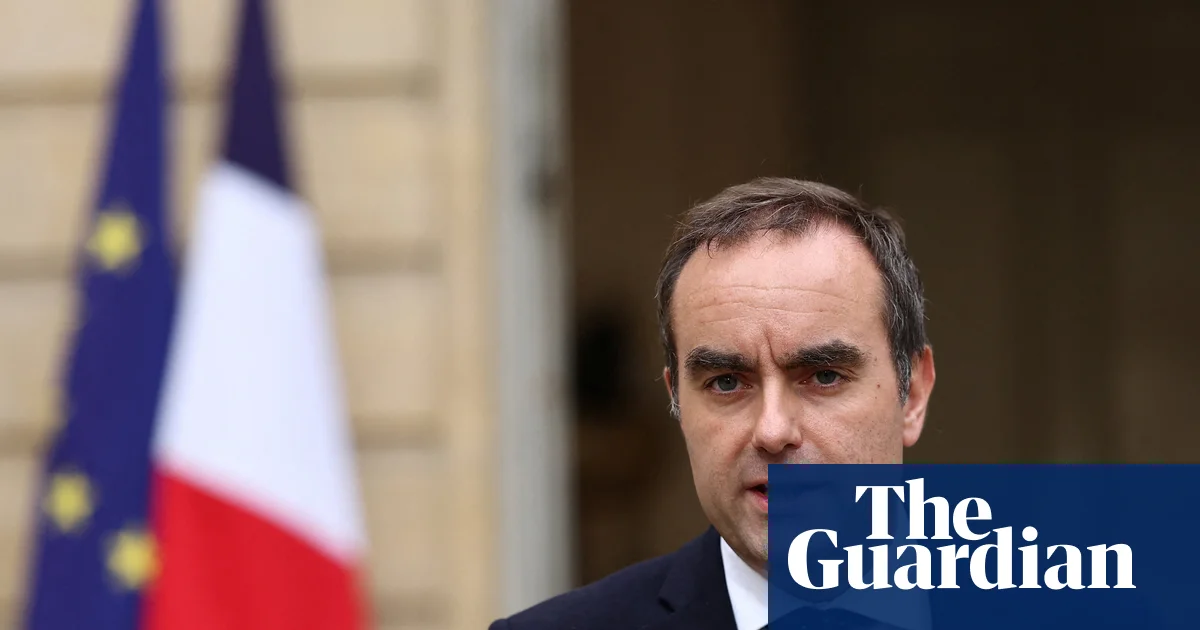
French PM candidate pushes for reforms to prevent snap polls

The recent upheaval in France signals a pivotal moment in European politics, with national stability hanging in the balance amid mounting economic and social tensions. French Prime Minister Laurent Lecornu’s unexpected resignation underscores the deep divisions within a nation battered by internal discord and external pressures. As Lecornu attempted to rally support for Macron’s government, his brief tenure revealed the fragility of the current political landscape—marked by a parliament evenly split among the left, far right, and centrist factions—each vying for influence amidst a state of crisis.
Despite Macron’s re-election in 2022, his mandate has been hamstrung by an unprecedented legislative deadlock stemming from last summer’s snap elections. The resulting hung parliament has made governance an uphill battle, with successive prime ministers unable to command a clear majority for austerity budgets aimed at reining in France’s record-breaking deficit, which this year is expected to surpass 5.5% of GDP—almost double the EU’s allowed limit. These economic strains have fueled societal unrest, with many questioning whether continued austerity is sustainable or merely fueling future instability. International organizations such as the European Union are closely watching France’s struggle, recognizing that a prolonged political deadlock may have broader repercussions, destabilizing regional unity and economic recovery prospects. As analysts warn, France’s internal discord poses a challenge to EU cohesion at a time when unity is vital against mounting external threats, from regional geopolitics to global economic shifts.

Amidst the chaos, Macron’s government is attempting to navigate a complex web of alliances, including negotiations with left-wing parties such as the Socialist Party, Greens, and Communists. These discussions revolve around the crucial question of whether to suspend or revoke unpopular pension reforms enacted in 2023—an issue that has become a litmus test for Macron’s political legitimacy. The Socialist leader, Olivier Faure, has cast doubt on whether Macron’s gestures are genuine or mere political stratagems, but the possibility of a broader left-led coalition emerges as a potential, albeit fragile, solution to the crisis. Such a coalition—supported by Macron’s centrist allies but opposed by the far-right—would signify a major shift in French politics, effectively uniting disparate factions in hopes of steering the nation out of the mire. Nonetheless, critics warn that this new alliance risks fracturing further, especially if pension reforms remain a non-negotiable for the center-right faction, which views these reforms as essential.
Experts warn that this political turbulence is not merely a domestic issue but a reflection of a broader geopolitical impact. France’s internal divisions threaten to weaken the country’s standing within the European Union, making it vulnerable to external influences—ranging from rising Russian influence to rising challenges from China. Historians and analysts observe that such periods of upheaval often precede significant shifts in national trajectories. As President Macron steadfastly refuses to resign before his mandated term concludes in 2027, the specter of a far-right resurgence looms, threatening to upend decades of political stability and reshape Europe’s political landscape. The outcome of these struggles will ultimately determine not only France’s future but also the balance of power shaping the continent’s destiny, leaving history to decide whether this turbulent chapter will be a catalyst for renewal or a descent into further chaos. As the current storm rages, the world watches with bated breath, knowing that the pen of history is yet to be fully written—and its ink is still flowing.

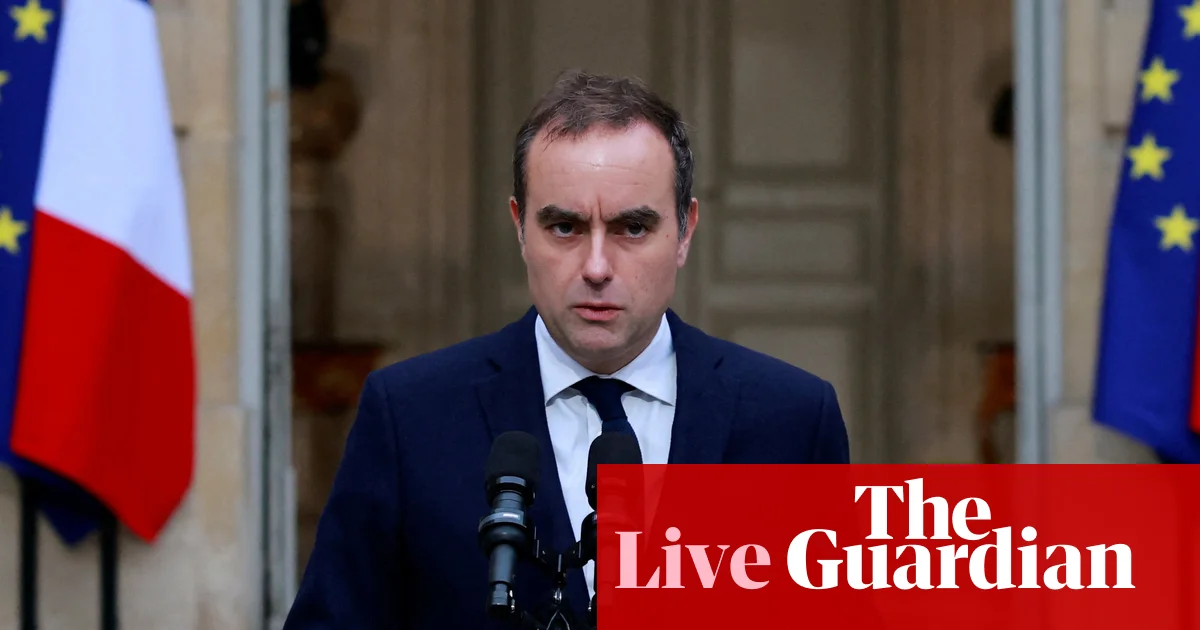
Outgoing French PM: Strong Will to Reach Budget Deal, No Snap Elections on Horizon | Europe Update

France’s Political Crises Unfold: A Threat to European Stability

In what can only be described as a deepening crisis within one of Europe’s key nations, France is embroiled in political chaos that threatens its stability and, by extension, the coherence of the European Union. Recent developments reveal a fragile government under President Emmanuel Macron‘s leadership, with the resignation of Prime Minister Sébastien Lecornu marking yet another chapter in a series of tumultuous events since Macron’s re-election in 2022. As the nation grapples with deadlock and discontent, international analysts warn that such internal instability risks emboldening far-right factions like Marine Le Pen’s National Rally, with potentially far-reaching geopolitical consequences.

At the heart of the current turmoil is France’s inability to pass a coherent budget, a dire consequence of a hung parliament and fragmented political alliances. Lecornu, appointed after Macron’s 2022 re-election, has publicly expressed the desire to craft a budget by year’s end, signaling some convergence among diverse political factions. However, the overarching issue remains—the longstanding deadlock has rendered Macron’s presidency increasingly isolated, with mounting calls from within his own camp for early resignation or snap elections. Historian Jacques Dupont notes that this political paralysis could drastically alter France’s constitutional balance of power and erode public confidence.

  • Macron’s refusal to resign amidst plummeting popularity, with polls indicating that 70% of French citizens favor his stepping down, underscores the severity of the crisis.
  • Prime Minister Lecornu’s resignation and subsequent statements have highlighted a stubborn political deadlock, with attempts at coalition-building proving futile.
  • The political landscape in France appears ripe for exploitation by far-right parties, who are gaining popularity, further threatening the foundational stability of the Fifth Republic and the European project itself.

This ongoing crisis signals a pivotal moment for France and its societal fabric. International institutions such as the European Commission and OECD are closely monitoring the situation, understanding that prolonged instability could destabilize European markets and diplomatic ties. Scholars warn that if Macron’s government fails to reassert control, it could accelerate separatist movements, particularly in territories like New Caledonia, where political tensions have already delayed autonomy negotiations. The possibility of political fractures extending from mainland France to its overseas territories illuminates the complex geopolitics at play.

The recent upheaval in France is reminiscent of historic political crises that reshaped nations and continents. Many analysts draw parallels with de Gaulle’s resignation in 1969, an act that reshaped France’s political landscape and set a precedent for presidential accountability. The potential for Macron’s resignation or the dissolution of parliament could usher in a new era—one fraught with uncertainty but also an opportunity for renewal. As Macron prepares to address the nation, the world watches with bated breath, realising that the unfolding chapters in France’s history may well define the geopolitical contours of Europe for decades to come. The weight of history now rests heavily on the shoulders of its leaders, in a country whose decisions continue to echo across the global stage. As the crisis deepens, the question remains: will France find its way back to stability, or will this turmoil ignite a broader upheaval that reshapes the continent entirely?

Social Media Auto Publish Powered By : XYZScripts.com