
Matox News

Truth Over Trends, always!

Kickstart Your Style: Top 15 Shoe Hacks to Keep Your Sneakers Sharp & Sustainable

In the fast-paced world of fashion, trainers have emerged as the ultimate footwear staple, eclipsing traditional smart shoes for virtually every occasion. This shift reflects a broader attitude among youth—embracing comfort and versatility but often at the cost of craftsmanship and longevity. As sneaker culture continues to dominate streetwear and social media platforms, a fascinating social shift is underway. The focus is no longer just on owning the latest release, but on preserving and repairing these expensive investments—a trend championed by influencers and cobblers alike. The question then arises: how do we keep our favorite sneakers pristine and functional in an era where fast fashion urges us to replace rather than repair?

The Art of Shoe Repair Reclaimed

Experts like Joey Cope, owner of Cobbler Cope in Newquay, emphasize that “there is little a cobbler can’t fix.” His insights reveal that many shoes, even those with visible damage, can be rejuvenated through simple fixes—think patches, stitches, or reinforcing leather with a dedicated repair. This renewed appreciation for shoe repair is resonating with a generation increasingly concerned with environmental impact. According to Chris Hulse of Footwear Today, the UK disposes of 149 million pairs of shoes into landfill annually—an unacceptable toll when many pairs are repairable. This demographic is beginning to see footwear as an investment rather than disposable merchandise, urging a return to the timeless skills of cobbling, which relays a sense of authenticity and sustainability.

Resoling: The Secret to Sneaker Longevity

Leading voices like Antony Frith urge sneaker enthusiasts to consider resoling their trainers—a practice once considered old-fashioned, now rediscovered as a critical step toward environmental responsibility. With the advent of rubber replacement soles, getting your worn-out sneakers back on the road costs just a fraction of buying new shoes. This approach promotes a mindset shift: shoes are not just fixtures but ongoing projects. When buying new footwear, Cope advises consumers to prioritize quality by checking if the shoes are leather-lined inside—a subtle indicator of lasting durability. This focus on quality over quantity is emblematic of a movement among young consumers seeking authenticity and durability in their fashion choices, aligning with the broader lifestyle trend of mindful consumption.

The Renaissance of Shoe Care

In an era dominated by instant gratification, the revival of shoe polishing and cleaning routines is refreshing and symbolic of a traditionalist attitude. Hulse and Frith highlight that rediscovering techniques like polishing with high-end products such as Famaco or Saphir, and avoiding over-polishing, can extend a shoe’s life significantly. This cultural reset emphasizes the importance of personal responsibility—taking time, effort, and pride in maintaining what we own. For sneakerheads and fashion-conscious youth, this trend is more than cosmetic—it’s about reclaiming authenticity and resisting the throwaway culture that pervades so much of today’s fast-paced market. By investing in proper maintenance, they are advocating a lifestyle that values craftsmanship and sustainability, shaping future consumer attitudes.

The Next Big Question

As this fascination with shoe repair and maintenance grows among younger audiences, an intriguing question takes shape: Will this revival of craftsmanship and sustainability redefine the fashion industry’s approach to footwear altogether? Can the next generation turn away from the disposable mentality, fostering a culture that truly values durability and environmental responsibility? Or will the allure of ever-evolving trends and rapid turnover continue to challenge this movement? The answers to these questions could determine whether the future of fashion balances style with substance, and whether the wisdom of cobbling finds its place in the modern world—or remains a niche passion gaining momentum among the informed and eco-conscious.
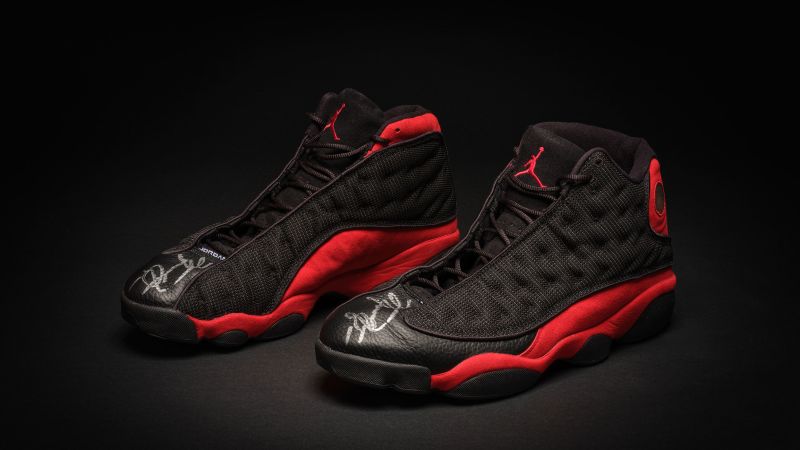
Michael Jordan’s 1998 Finals Sneakers Break Record with $2.2M Sale

Global Sports Memorabilia Auction Breaks Records as Michael Jordan’s Legend Continues to Dominate

In a remarkable testament to the enduring influence of Michael Jordan and his unparalleled legacy in sports, a pair of his game-worn Air Jordan 13s achieved the highest auction price ever recorded for sneakers, selling for an astonishing $2.2 million at Sotheby’s in New York. The shoes, worn during Game 2 of the 1998 NBA Finals in Salt Lake City, where Jordan led the Chicago Bulls to victory, are symbolic of the zenith of his career. Historically, these sneakers are not merely footwear; they represent a cultural phenomenon whose impact ripples across nations, societies, and the global sports economy.

The auction, coinciding with what some dub as “Jordan Year,” underscores the superstar’s monumental status in popular culture. The event saw multiple records shattered, echoing the escalating value of memorabilia linked to legendary athletes. Last year, Jordan’s Game 1 jersey from the same historic series set a record by fetching $10.1 million. This highlights not only the intrinsic value of Jordan’s artifacts but also the international appetite for sports memorabilia that encapsulates moments of cinematic sporting excellence. As analysts emphasize, the decision by Sotheby’s to showcase these items solidifies the global recognition of sports icons as transcendent cultural symbols that influence societal identity, national pride, and economic markets.

How International Perspectives and Historical Narratives Frame the Legacy

Historians and international organizations have long debated the geopolitical impact of such memorabilia sales. According to sports cultural analyst Dr. James Carter, these auctions serve as barometers of cultural diplomacy, weaving a narrative that elevates individual athletic achievement into a form of soft power. “Michael Jordan is more than a basketball player; he’s a global ambassador whose influence crosses political and social boundaries,” he comments. The sale of his sneakers, alongside other memorabilia like Kobe Bryant’s Lakers shirt and Pelé’s debut jersey, underscores a broader trend where sport becomes a universal language, uniting diverse nations under shared admiration for excellence and perseverance.

International marketplaces have embraced this phenomenon, with collectors worldwide vying for artifacts that embody moments of sporting history. The massive interest reflects a societal shift toward viewing athletes not just as entertainers but as pivotal figures shaping youth culture, national identity, and even geopolitical narratives. For instance, the auction of Pelé’s debut jersey signifies Brazil’s deep-rooted football culture, while Kobe Bryant’s memorabilia resonates with a generation that venerates competitive excellence. These sales, documented extensively by global trade organizations, amplify the message that sports and its icons wield undeniable influence far beyond the stadium.

Decisions that Shape the Future of Cultural and Economic Exchanges

As the international community watches, the increasingly high financial stakes and cultural significance of athletic memorabilia point toward a future where sports artifacts transform into strategic assets. The controversial yet compelling narrative suggests that nations and societies increasingly recognize the soft power embedded within iconic memorabilia. Numerous analysts warn that these escalating values could lead to a commodification that complicates genuine cultural appreciation, but nonetheless accentuate the undeniable power of sports diplomacy. Across continents, governments, and private collectors are aligning resources to secure the legacy of athletes like Jordan—decisions that could influence cultural exchanges for generations.

Ultimately, the record-setting auction of Jordan’s sneakers echoes a historic pattern: how individual greatness becomes a catalyst for collective identity and global influence. As history continues to unfold, the world remains captivated by the stories of perseverance, triumph, and iconography—narratives that sit at the nexus of sports, culture, and geopolitics, forging a collective memory that will shape societal values for decades to come.

Social Media Auto Publish Powered By : XYZScripts.com



