
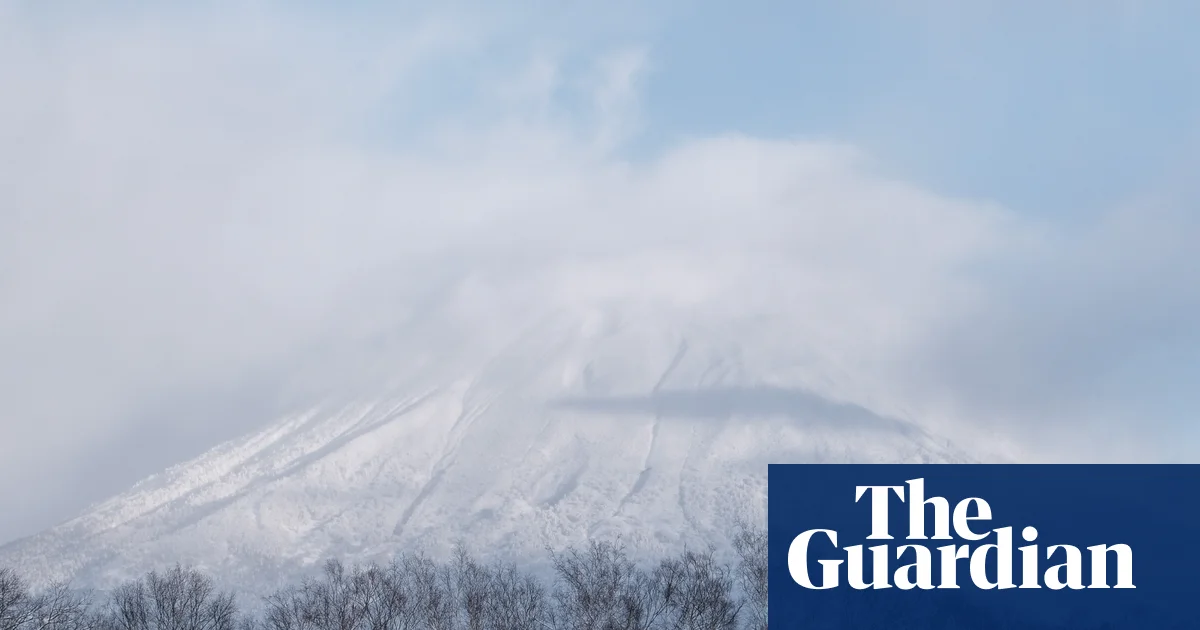

Recent tragedies at Japanese ski resorts have spotlighted the nation’s perilous battle with record-breaking snowfall and its broader impact on public safety and international perception. Over the past week, Japan has witnessed a surge in snow-related incidents, including the deaths of a 27-year-old Australian man in Niseko and a 22-year-old Queensland snowboarder at Tsugaike Resort near Nagano. These tragedies, occurring amidst exceptionally heavy snowfall, have reignited debates over Japan’s preparedness for extreme weather and the safety protocols governing high-risk winter activities. As Japan struggles to manage its decomposing rescue and safety systems amid relentless winterouts, the international community watches — not just in concern but also for what these incidents signify within a global context of climate challenges and national security.
Japan’s current record snowfall— with 30 deaths and over 100 serious injuries reported since January 20 — underscores a shift in weather patterns linked to climate change, disrupting daily life and international tourism. The heavy snow has caused delays in train services, road closures, and even temporarily shut down Hokkaido’s main airport, stranding hundreds of travelers. These disruptions pose a significant challenge to Japan’s infrastructure and its reputation as a safe winter destination, a critical sector for the nation’s economy. Analysts warn that if such extreme weather persists, Japan’s capacity to safeguard its citizens and international visitors could be compromised, risking long-term damage to its global standing. Furthermore, as global meteorological patterns shift unpredictably, Japan’s experience serves as a reminder of the mounting pressures on governments worldwide to adapt to unpredictable environmental threats.
On the geopolitical stage, these incidents amplify the importance of international cooperation in disaster management and safety standards. Japan, a key player in regional security and an active member of global institutions like the United Nations, faces increased scrutiny over its handling of natural and man-made crises. The recent ski resort accidents have prompted calls for more robust safety regulations, with authorities pledging to strengthen their safety management systems. However, the recurring nature of such incidents raises broader questions about the effectiveness of Japan’s crisis response amid growing environmental volatility. For global powers and neighbors, Japan’s capacity to face these challenges is intertwined with regional stability; failure to adapt risks creating new sources of tension. As international organizations like the World Meteorological Organization analyze the data, experts warn that climate-driven disasters will only increase, demanding a coordinated global response that transcends national borders.
Historians and geopolitical analysts underscore that these natural disasters and their tragic outcomes are more than isolated events; they are an unfolding chapter of a larger story about humanity’s struggle to confront a transforming planet. What is at stake extends beyond Japan’s snowy mountains: it is a mirror held up to the world, revealing the fragility of progress and the heavy toll of neglect. As nations grapple with the debate over climate action, infrastructure resilience, and international duty, the deaths of individuals—regardless of nationality—serve as stark reminders of the costs of inaction. The shifting winter landscape in Japan is not just a local issue but a Map of the wider global crisis, where the decisions made today will shape the legacy of a new, uncertain era—one in which the weight of history continues to unfold, one snowflake at a time.





