Matox News

Truth Over Trends, always!

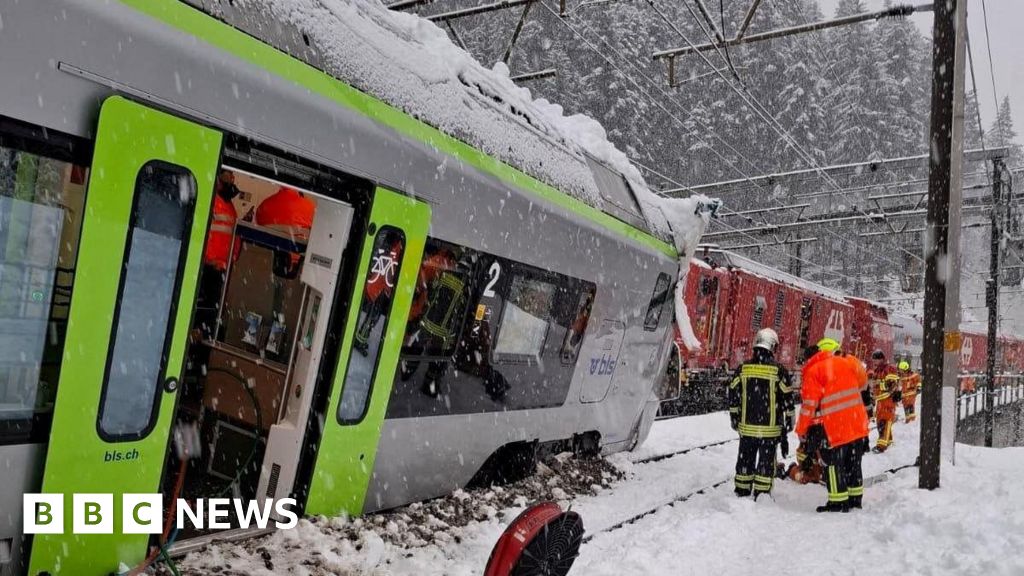
Five hurt after Swiss train derailment in severe snowstorm

In a recent incident that underscores the growing vulnerabilities in global transportation infrastructure, a passenger was hospitalized following a derailment reportedly caused by an avalanche. Authorities have indicated that this tragic event highlights the escalating risks associated with climate change, particularly in regions where natural disasters are becoming increasingly frequent and severe. Such incidents not only threaten individual lives but also pose a broader challenge to the stability and security of nations that rely heavily on interconnected transport networks.

International alarm is rising over climate-induced disruptions, as experts and analysts warn of a future where extreme weather phenomena could become commonplace. The derailment, which occurred in a mountainous area prone to avalanches, exemplifies how unpredictable environmental conditions are impacting safety protocols. According to international climate scientists, the frequency and intensity of natural disasters like avalanches are directly linked to rising global temperatures. As glaciers melt and snowpack destabilizes, the risk to infrastructure in vulnerable regions escalates, demanding urgent action from governments worldwide.

The incident has prompted discussions at global institutions, including the United Nations and regional safety agencies, regarding the necessity of integrating climate-risk assessments into national transportation planning. Analysts argue that this calls for a paradigm shift in policy, emphasizing resilience and adaptation in infrastructure development. The derailment serves as a stark warning that traditional engineering solutions may no longer suffice in the face of rapidly changing environmental conditions. Experts like Dr. Maria Jensen, a leading climate risk analyst, emphasize that *”failure to adapt will only accelerate the vulnerability of our societies to natural and man-made calamities.”*

Furthermore, this incident raises crucial questions about how nations manage natural disaster preparedness and intergovernmental cooperation. The potential for similar calamities to escalate in frequency and severity has led international organizations to reassess strategies. The derailment serves as a bellwether sign of the shifting geopolitical landscape—where climate issues are increasingly intertwined with national security and economic stability. As countries in the developing world often lack the resources to bolster their infrastructure against such threats, the global community faces a moral and strategic dilemma: invest in resilient infrastructure now or face the mounting costs of future catastrophe.

In the grand tapestry of history, natural disasters have repeatedly rewritten the course of nations. Today, as technology and climate science reveal new vulnerabilities, the choices made in the coming years will shape the future of multilateral cooperation and national resilience. This derailment, while seemingly isolated, echoes a much larger warning—a reminder that in an interconnected world, the ripple effects of environmental upheaval know no borders. The question remains: can humanity prioritize proactive measures over reactive crises before the lessons of today become tomorrow’s irreversible tragedies? The weight of history lingers—an unfolding story where the stakes have never been higher, and the clock continues to tick toward an uncertain horizon.
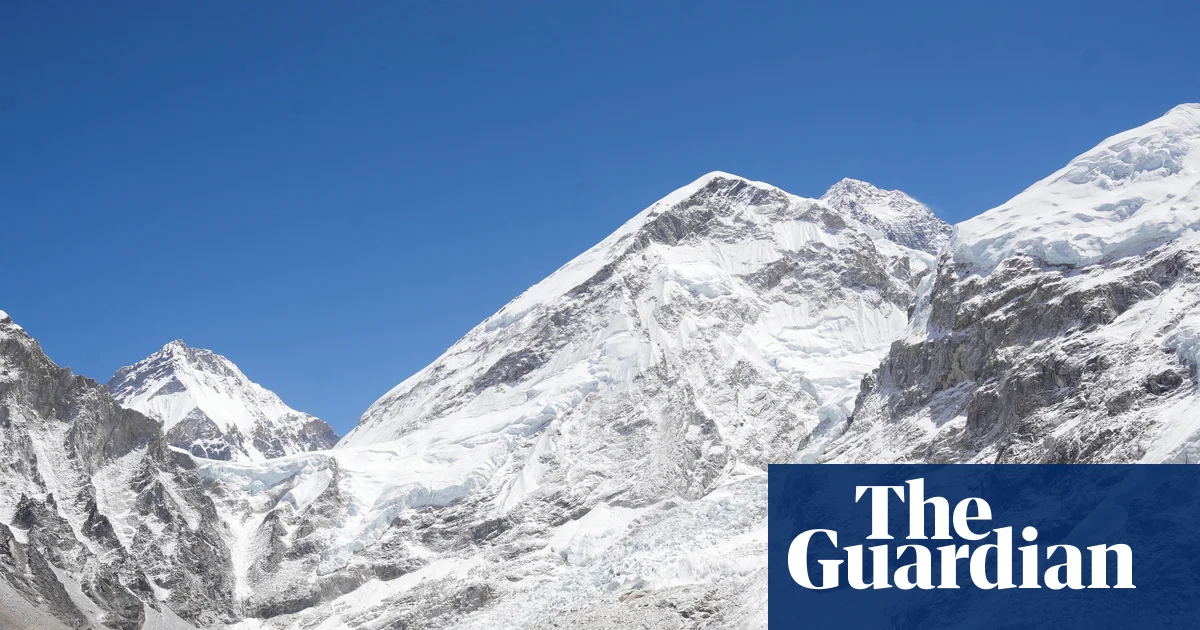

Mount Everest rescue underway as snowstorm traps nearly 1,000 climbers—urgent response in action

Amidst the rugged terrains of the Himalayas, recent natural disasters have spotlighted the fragile balance between climate change and geopolitical stability. In China, rescue efforts are ongoing to save nearly 1,000 trekkers stranded on the eastern slopes of Mount Everest following a severe snowstorm. The incident underscores the increasing unpredictability of weather patterns in this sensitive mountain range, which has historically served as a symbol of international adventure and aspiration. According to Chinese state media, hundreds of visitors seized the opportunity of an extended Chinese National Day holiday to visit the remote valley of Karma, leading many into peril as heavy snowfall rooted them in place. The response by local authorities demonstrates a critical coordination of resources, yet it also highlights vulnerabilities in managing the swelling influx of tourists amid changing climatic conditions.

The disruption in Tibet’s eastern face serves as a stark warning to the international community. The Himalayas are not only a geographic boundary but also a hotly contested locus of strategic importance, especially when environmental shifts produce dramatic events such as landslides and avalanches. Since the snowstorm struck, over 350 individuals have been safely relocated to the township of Qudang, with authorities working tirelessly to reach those still unaccounted for. Such incidents expose how nations like China and its neighbors are increasingly affected by climate fluctuations that threaten human safety and economic stability. The timing—during the peak tourist season—raises questions about the unprecedented challenges faced by nations tasked with safeguarding both their citizens and their international reputation from natural calamities driven by global warming.

On the southern side of Tibet, in Nepal, the story is equally troubling. Heavy rains since Friday have caused devastating landslides and flash floods, claiming at least 47 lives across the country. The destruction of critical infrastructure—roads, bridges, and even entire villages—has further isolated communities and complicated rescue efforts. This chain of events exemplifies how climate-induced extremes are reshaping the Himalayan geopolitical landscape, potentially fueling tensions between nations over resource access and disaster management. Analysts from the United Nations Environment Programme warn that these catastrophes may worsen as climate change accelerates, transforming the mountain region into a precarious geopolitical chessboard where local vulnerabilities intertwine with international interests.

Indeed, what is unfolding in these mountain corridors underscores a key **geopolitical impact**: the increasing importance of environmental security in international relations. Countries bordering Tibet—India, Nepal, and China—must navigate complex dynamics shaped by natural disasters and climate adaptation. The incidents on Everest and in Nepal could serve as catalysts for greater cooperation or rivalry, depending on how nations respond to shared vulnerabilities. The importance of multinational frameworks—like the underperforming Regional Himalayan Climate Initiative—becomes ever more evident as the region faces a new reality where natural calamities threaten to exacerbate existing geopolitical tensions.

As these events unfold with relentless force, the question remains: how will the Himalayan powers adapt to an increasingly unpredictable environment? Will they unite to forge resilient solutions or succumb to the chaos that climate change is unleashing upon this vital geopolitical nexus? With the weight of history pressing upon their shoulders, the nations of the Himalayas stand at a crossroads—where decisions made today will shape not just the future of their peoples but also the stability of an entire region. The mounting crises remind us that the Himalayas are more than just a majestic backdrop—they are a barometer of global health, and the current turbulence signals that humanity must confront the profound implications of an earth pushed to its environmental limits. As rescue efforts continue and nature’s fury remains unabated, the unfolding story of the Himalayas will be etched into the annals of history—an enduring testament to the indomitable resilience or inevitable decline of nations caught in the grip of Earth’s changing climate.

Social Media Auto Publish Powered By : XYZScripts.com


