Matox News

Truth Over Trends, always!

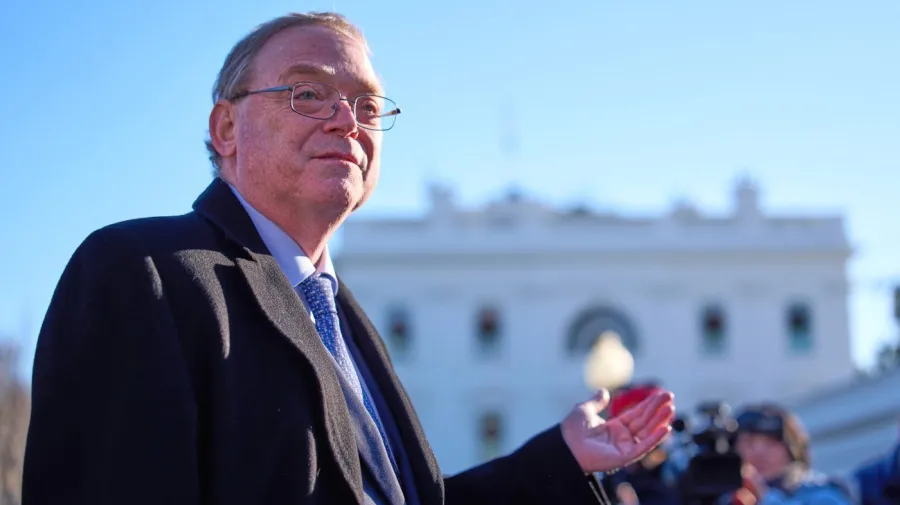
Trump economic adviser warns: Credit card use is soaring among youth.

The Echoes of Power: Economic Optimism in an Uncertain Age

Amid escalating geopolitical tensions, notably the ongoing Iran conflict, the economic narrative presented by President Trump’s advisors signals a resolute belief in the resilience of the American economy. On Wednesday, a senior economic adviser confidently projected a “very, very strong” job market future, asserting that despite the perils of war, consumer confidence remains buoyant. Evidence from the financial sector reveals credit card expenditures soaring, with banking officials indicating that consumer spending is “through the roof.” This apparent economic vigor seems to reinforce the conservative narrative that, under America’s free-market enterprise, resilience persists—even when the geopolitical horizon darkens.

This stance aligns with a broader ideological framework that views the free market as a bulwark against global instability. Yet, critics—often from progressive or Keynesian perspectives—question whether this optimism obscures underlying vulnerabilities. Renowned political theorists like Friedrich Hayek have long argued that market signals serve as vital feedback mechanisms; however, in moments of crisis, these signals can be manipulated or misinterpreted, shaping public perception and policy decisions in ways that favor the powerful. The decision by government officials and financial elites to project unwavering confidence illustrates a classic power struggle: the attempt to maintain market stability while preserving the influence of entrenched economic interests, even as the tangible lives of ordinary Americans hang in the balance.

Decisions That Define the People: The Political Stakes

At the heart of this economic outlook lies an ongoing power struggle. The political class, wielding influence over fiscal policies and international relations, sets the tone for how decisions impact the populace. The recent policy shifts—particularly under the shadow of war escalation—highlight key tensions: will the government prioritize military engagement or domestic recovery? As policy reforms accelerate, the question remains whether the prevailing narrative effectively shapes the people into both beneficiaries and spectators of these strategic battles.

Historical parallels resonate deeply in these moments. Just as Reagan’s economic policies aimed to invigorate American enterprise amid Cold War tensions, today’s leaders brandish optimism to shore up morale and mitigate fears. Yet, the risk remains that this optimism may mask profound structural vulnerabilities: debt accumulation, inflation spirals, and unequal wealth distribution. The constitutional architecture of the nation—its checks and balances—faces ongoing tests of resilience, as executive power increasingly confronts calls for accountability amid crisis. The political landscape is a crucible where ideas about populism vs. elitism, security vs. liberty, and protection vs. free enterprise clash fiercely, shaping the destiny of the republic.

The Stage of Politics: Where Destiny Is Forged

As the drums of war echo around the globe, the true battleground is within the corridors of power. Decisions enacted today—be they military commitments or economic policies—will carve out the future for generations. The rhetoric of strength and resilience cloaks complex power struggles that threaten to redefine constitutional norms and democratic accountability. Political theorists warn that in such moments, the state’s capacity to endure hinges on a delicate balance: harnessing the energies of its populace without succumbing to authoritarian temptations.

Ultimately, politics becomes a stage where the destiny of nations is scribed in the ink of strategic choices and ideological victories. Just as Carl Schmitt declared, “The sovereign is he who decides on the state of exception,” today’s leaders deftly navigate crises—real or perceived—to cement their influence. As the world watches, the question persists: will those in power shape history for the collective good or for their own enduring empire? In this play of power, the stakes are nothing less than the destiny of an entire civilization, written in the shadows of diplomacy, war, and economic prudence.

Airlines cut 13,000 flights in May as soaring jet fuel prices hit the industry

In a clear signal of shifting economic winds, airlines worldwide have pared back their flight capacities significantly, removing nearly two million seats from their schedules over the past month, according to data from Cirium. This contraction in capacity reflects broader trends of caution and adjustment amid persistent geopolitical tensions, inflationary pressures, and changing consumer behaviors. As the backbone of global commerce and tourism, the aviation industry’s pullback is more than just a setback for travelers—it’s a revealing indicator of underlying economic currents that threaten to reshape international markets.

Most notably, the United States and Europe have spearheaded this capacity reduction, with both regions experiencing sharp declines in flight availability. The U.S.—long regarded as the backbone of global airline growth—saw nearly

  • 1 million

seats removed, driven by rising fuel costs, labor shortages, and an ongoing reevaluation of post-pandemic travel demand. Meanwhile, Europe faces similar pressures, further exacerbated by the economic fallout of recent geopolitical conflicts in Eastern Europe. These reductions signal a cautious approach by airlines amid volatile fuel prices and a cautious consumer base wary of economic uncertainty.

The market impact of this capacity contraction extends beyond the aviation sector. The reductions pose risks to related industries such as tourism, manufacturing, and international trade. Investors are closely monitoring these developments, with some analysts warning that sustained capacity cuts could foreshadow a slowing of global economic growth. Economists at the World Bank and IMF suggest that continued reductions may dampen international commerce, foreshadowing a potential cooling-off period in the global economy. Conversely, some industry insiders argue this realignment might signal a more sustainable path forward, emphasizing efficiency over expansion in an era of geopolitical uncertainty.

The policy consequences of these trends are noteworthy. Governments in Europe and North America are now under increased pressure to address inflationary pressures that have driven operational costs skyward. Meanwhile, airline regulators are contemplating measures to stabilize the industry without risking further capacity losses that could hinder economic vitality. The reduction in airline services also raises critical questions about future air traffic management and sustainable transportation policies, as nations grapple with balancing economic recovery against environmental commitments.

Looking ahead, the continued contraction in global airline capacity highlights a turbulent yet transformative period in economic history. The pulse of nations beats strongly in response to these shifts, revealing a landscape where resilience and adaptability will define future power structures. As economic and geopolitical forces converge, the global economy is poised on the cusp of a new era—one where strategic recalibration will determine the trajectory of trade, influence, and economic dominance for years to come. In this epoch of flux, the aviation industry’s transformation epitomizes the relentless reshaping of the global stage, illustrating that even in contraction, the seeds of future strength are being sown.

Pandora shifts from silver to platinum to tackle soaring prices

The recent decision by prominent jewellery companies to reduce their exposure to precious metals signals a notable shift in the international commodities market. As the cost of gold, silver, and platinum continues to surge, driven by inflationary pressures and geopolitical uncertainty, industry leaders are reassessing their strategic positioning within a landscape that is becoming increasingly volatile. This move underscores a broader geopolitical dynamic where economic interests intersect with national security considerations, compelling corporations and nations alike to adapt swiftly to the changing tides of global finance.

The decision emanates from an urgent need to mitigate risks associated with fluctuating commodity prices, which have reached levels not seen in over a decade. According to market analysts and economic historians, such volatility often foreshadows broader economic transformations. As central banks around the world grapple with inflationary spirals and persistent geopolitical tensions—most notably the ongoing conflicts involving Russia and China—precious metals have become a battleground for economic resilience and strategic resource control. The jewelry industry’s pivot to reduce exposure not only shields individual companies from potential losses but also reflects a deeper recognition of how commodities are intertwined with power dynamics and international security models.

Within this context, the shifting stance on precious metals could influence global markets and diplomatic relations. Countries rich in mineral resources are increasingly aware of the geopolitical leverage tied to their natural assets. Similarly, international organizations and think tanks warn of a new era where economic warfare—through trade restrictions, sanctions, and resource manipulation—may become more commonplace. Analyzing these developments, some experts predict that the jewelry sector’s cautious approach may set a precedent, prompting other sectors and nations to reconsider their strategic reserves and financial dependencies. Such decisions carry profound geopolitical impact, affecting everything from international trade flows to regional power balances.

As the world watches, the narrative unfolds with cautious optimism and underlying tension. The silence of economic giants and the subtle reordering of alliances stand as a testament to a moment where history is being written in the margins of commodity charts and diplomatic cables. The choices made today—by corporations, governments, and international institutions—will resonate across the decades, shaping the contours of a new world order. In this relentless game of influence and survival, the jewelers’ cautious retreat echoes as a stark warning: in the arena of global power, no resource is immune, and every decision bears the weight of history’s unfinished chapters.

Social Media Auto Publish Powered By : XYZScripts.com