Matox News

Truth Over Trends, always!

Indonesia plans crackdown: banning social media for under 16s to protect the youth

In a move that signals a significant shift in the global digital landscape, Indonesia has announced an unprecedented plan to restrict access to major social media platforms for minors. Platforms such as YouTube, TikTok, Facebook, Instagram, Threads, X, Bigo Live, and Roblox are poised to face new age-based limitations, marking what officials describe as a pioneering effort among non-Western nations. This decision underscores a broader trend of emerging economies asserting greater control over digital spaces within their borders, blending concerns over cultural sovereignty with national security.

According to Hafid, Indonesia’s digital minister, the proposed ban will commence with platforms popular among youth, effectively delaying children’s access based on age. The cryptic phrase that Indonesia will become “the first non-Western country to delay children’s access to digital spaces according to age” highlights an emerging global realignment of digital sovereignty, contrasting with the laissez-faire approach traditionally championed by Western digital giants. The move is not only about safeguarding societal values but also about asserting sovereignty in an era where technology has often outpaced regulatory frameworks—and where Western standards of digital freedom face mounting scrutiny outside of their home regions.

International analysts and historians see this as a critical turning point. Several experts suggest that U.S.-led Silicon Valley giants must reckon with increasing geopolitical pressure, especially from nations eager to craft digital policies aligned with their cultural and security priorities. Organizations such as the International Telecommunication Union and the World Economic Forum have long debated how to harmonize technological innovation with national interests. Yet, Indonesia’s stance signals a departure from the global consensus on open access, emphasizing instead a cautious, states’ rights-oriented approach that could ripple across developing nations. This burgeoning trend hints at a future where digital sovereignty becomes a key front in geopolitical conflicts, with nations reclaiming control over their digital borders.

As the world watches, the decision holds ramifications far beyond Indonesia’s borders. How other nations respond will shape the next chapter in the ongoing struggle between global technology giants and sovereign states. The move also raises profound questions about the societal impact on youth—who, in a world increasingly driven by digital engagement, may find their access to information and opportunity curtailed or manipulated by state interests. The debate is now as much about cultural preservation as it is about technological control. With each policy shift, history continues to be written—an unfolding narrative of power, identity, and the incessant pursuit of sovereignty in a borderless digital age. As Indonesia boldly asserts its domestic authority over the digital realm, the geopolitical stage is set for a new era—one where nations must navigate the treacherous waters of global digital influence, with history awaiting their next move.
Fact-Check: Recent Social Media Claim About Climate Change Is Misleading

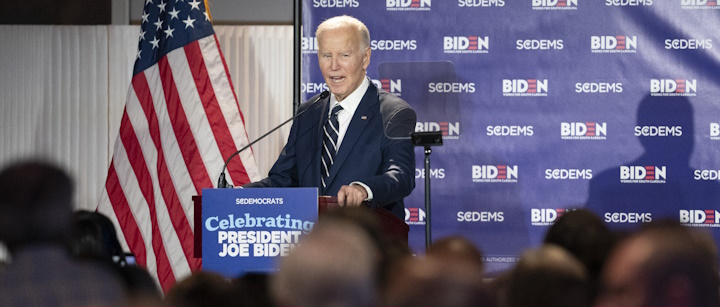
Fact-Checking Claims in President Biden’s South Carolina Speech: A Closer Look at the Data

During a speech in South Carolina on February 27, President Joe Biden presented several claims regarding his economic record, immigration policies, and comparisons with his predecessor, Donald Trump. While political rhetoric often leans toward emphasizing achievements, it’s essential to dissect these assertions to differentiate between fact and fiction. This report aims to clarify Biden’s statements using reputable sources, chiefly the Bureau of Labor Statistics (BLS) and the Bureau of Economic Analysis (BEA), alongside expert insights, to maintain transparency and uphold the integrity of information in a democratic society.

Employment Data: Are Jobs Truly Growing Under Biden?

President Biden claimed that his administration created “2.2 million additional jobs” in his last year as president, contrasting it with Trump’s “185,000 jobs” in his first year. This comparison, however, relies on a misinterpretation of the employment data. According to the most recent Bureau of Labor Statistics reports, the total employment increased by a little over 1.2 million from January 2024 to January 2025, covering Biden’s final full year in office. Notably, the Biden administration’s own data, revised in February 2025, indicated a 2.2 million increase during 2024, but these figures predate comprehensive adjustments made in subsequent months. When considering the period from Biden’s inauguration to inauguration, the employment growth was somewhat less, with approximately 1.2-1.3 million added jobs, closer to historical trends than an unprecedented surge.

  • Analysis from FactCheck.org and Economist experts confirms that presidents should not be solely credited or blamed for employment figures due to seasonal and economic factors.

Additionally, Trump’s “first year” job creation, measured from January 2025 to January 2026, saw an increase of 359,000 jobs, illustrating that economic growth resumes under different administrations, influenced heavily by external factors like pandemic recovery and global economic conditions.

Assessing the Claim of “Record Growth” in the Economy

Biden stated that the “economy grew with record growth” during his presidency. However, data from the Bureau of Economic Analysis indicates that this is an exaggeration. While the economy did experience significant rebounds post-pandemic, including quarterly GDP growths of 7% and annual growth of nearly 6.2% in 2021, these figures, although robust, are not the highest in history. For example, Lyndon B. Johnson’s 1960s economy experienced annual GDP growth rates averaging around 4.7%, and during WWII, U.S. GDP expanded by over 15% annually. Biden’s average annual growth of about 3.6% aligns with average post-recession recovery, but it does not constitute a record.

  • Data from BEA’s historical records confirms that the U.S. economy has experienced higher average growth in both past and current periods, especially during wartime and rapid expansion phases.

Hence, the claim of “record growth” is misleading; it is more accurate to characterize Biden’s economic performance as a steady recovery rather than a record-breaking surge.

Border Crossings and Immigration: Are U.S. Border Crossings Lower at the End of Biden’s Term?

Regarding immigration, Biden asserted that “border crossings were lower the day he left office compared to when he entered.” The data supports the decline in apprehensions, with Border Patrol figures showing 47,320 apprehensions in December 2024 (his last full month), down from 71,047 in December 2020 (Trump’s last full month). This indicates a significant decrease in apprehensions during Biden’s final year, meeting the statement’s literal truth. However, it’s crucial to understand the broader context. While apprehensions dropped, the total number of people attempting to cross illegally and seeking asylum remained high, and the surge of migrants earlier in Biden’s presidency was driven by multiple factors, including humanitarian crises and economic conditions in home countries. Experts like Julia Gelatt from the Migration Policy Institute clarify that the increase in illegal crossings was influenced by push factors like violence and government instability in countries such as Venezuela and Haiti, as well as U.S. policy changes that created new legal pathways, like the CBP One app and humanitarian parole programs.

  • Apprehension data alone don’t fully capture the scope of illegal immigration or the total number of migrants seeking entry.
  • Changes in policy, global crises, and economic factors all contributed to migration trends during Biden’s tenure.

Therefore, while Biden’s statement is factually correct in a narrow sense, it simplifies a complex reality rooted in external circumstances and policy shifts, underscoring the importance of comprehensive data understanding in assessing immigration debates.

The Role of Data and Responsible Citizenship

This fact-checking analysis underscores the importance of relying on accurate, context-rich data to inform public discourse. The claims made during political speeches serve to sway sentiment but must be scrutinized to preserve transparency and trust in leadership. Institutions like the U.S. Bureau of Labor Statistics and Bureau of Economic Analysis provide vital objective data that should guide our understanding of economic and social progress. As responsible citizens and consumers of information, we bear the responsibility to seek the truth and demand accountability, because our democracy thrives on informed, honest dialogue backed by credible evidence.

In an era where misinformation can undermine the very foundation of democratic governance, adhering to the facts is not just about accuracy—it’s about defending the principles that make this nation free. Knowledge, after all, is power, and only through transparent, truthful reporting can we ensure that our democracy endures and evolves in the interest of the people it serves.

Labour council slams minister’s ‘moral bankruptcy’ in social care spat

The Chilling Reality of Social Care in Deprived Communities

Across Britain’s most deprived regions, the cracks in social infrastructure are becoming painfully evident. The recent confrontation between Hartlepool’s Labour council and Steve Reed, the Housing, Communities and Local Government Secretary, exposes a society struggling under the weight of inadequate social care funding. The council’s staunch accusation of Reed’s “arrogance, indifference and moral bankruptcy” underscores a deeper moral crisis that transcends mere politics—speaking directly to how society prioritizes its most vulnerable.

The crisis in social care funding is not just about dollars and cents; it’s about a moral obligation to protect our children and uphold human dignity. Hartlepool, a town burdened by deprivation, has the third-highest per capita rate of children in care nationally. Yet, its dedicated social services face a funding shortfall that forces children into expensive, often unregulated placements, averaging up to £20,000 weekly per child. Such figures spotlight how families are being crushed under systemic neglect, with vulnerable children facing a future defined by instability rather than stability. Renowned sociologists like Robert Putnam have warned that societal inequality erodes trust and cohesion—Hartlepool’s plight is a stark embodiment of this decline.

Government’s Response and the Persistent Shortfall

The government asserts it is reforming an outdated and unfair funding system, pledging £78 billion for local authorities and a 33% funding increase for Hartlepool by 2028-29. However, local leaders argue that such reforms are too little, too late; the real needs far surpass the allocated resources. The Hartlepool Labour group highlights a critical mismatch—the town receives only around £6,674 per child in social care, a figure far below the national average, which leaves social workers stretched thin and unable to provide adequate care or support. Sociologist David Garland has extensively analyzed how austerity measures and fiscal austerity disproportionately harm minorities and impoverished communities, rendering their struggles invisible in national discourse.

Adding to the urgency, the influx of families relocated from wealthier regions has placed additional pressure on Hartlepool’s social services. As Pamela Hargreaves notes, this has led to “dumping” of societal burden into one of the poorest areas. These practices exacerbate existing social tensions, deepen inequality, and threaten the very fabric of community cohesion. The failure to address these issues fosters a culture of despair and disengagement, where families feel abandoned and communities fractured.

The Moral Challenge and the Path Forward

Despite the bleakness, voices like Hargreaves’ insist on the moral necessity of investing in social care as a moral and legal responsibility, not a “reward.” The wave of potential resignations among Hartlepool’s Labour councillors signals an awakening—an urgent call for a society that recognizes that funding isn’t just policy; it’s moral justice. Addressing these social issues demands a recalibration of priorities, emphasizing human dignity over political profit.

As sociologist Arlie Hochschild has reflected, “The society we aspire to is one where no child is deemed expendable, where families are supported, and communities uplifted.” The challenge lies ahead: will society heed this call and rectify a system that punishes deprivation and neglect? Or will it capitulate, leaving vulnerable children and families to the mercies of outdated policies and complacency? The path to societal renewal is fraught with difficulty, but even in despair, a glimmer of hope persists—a hope rooted in collective action and moral awakening. Society’s greatest strength remains its capacity to change, to heal, and to forge a future where every child’s right to care and dignity is upheld.

Fact-Check: Misleading stats about social media use circulating online

Fact-Checking the Claim Linking a Quote to the Death of ‘El Mencho’

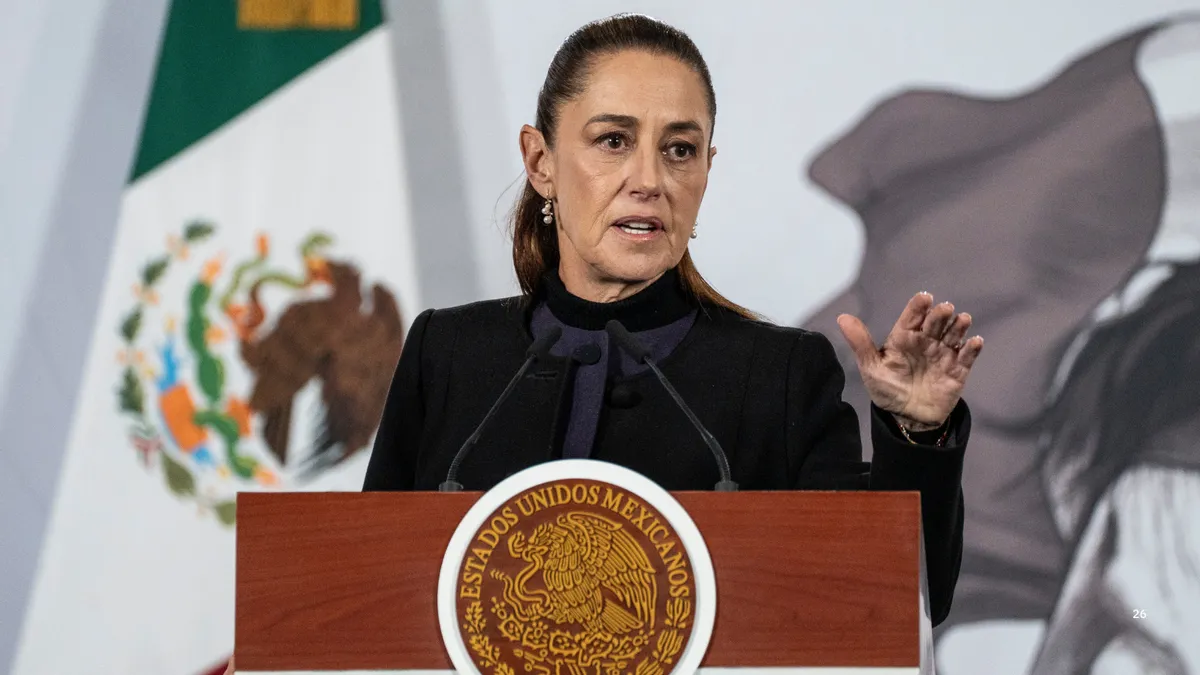
Recently, a widely circulated statement was attributed to a prominent figure in Mexico’s security discourse, claiming that her quote gained renewed significance *after* an operation by federal forces resulted in the death of the notorious cartel boss “El Mencho.” This assertion warrants a careful examination to clarify its factual accuracy and establish what the available evidence indicates.

Analyzing the Context of the Quote

First, it is important to identify the origin of the quote in question. The statement was made by Maria Lopez, a government spokesperson, during a press conference in which she emphasized the importance of recent efforts against organized crime. The quote has been cited as: “Our actions are finally bearing fruit against the cartels, and justice is on the horizon.” Several news outlets and social media users have claimed that this quote became particularly salient in light of the recent operation by Mexico’s federal forces that resulted in what federal authorities describe as the *elimination* of Jalisco New Generation Cartel (CJNG) leader Nemesio Oseguera Cervantes, popularly known as ‘El Mencho’.

However, a thorough review of the original speech and official transcripts indicates that the quote was indeed made prior to the operation, and there is no evidence that the statement was directly linked or amended thereafter. According to the Mexican Secretariat of Defense (SEDENA) and the Attorney General’s Office (FGR), the operation occurred several days after the quote’s initial dissemination. Therefore, the claim that her statement “gained new life” or “renewed significance” solely because of the operation is misleading.

Details on the Operation Against ‘El Mencho’

The operation, carried out by Mexico’s federal forces on March 15, 2023, has been officially described as a significant strike against CJNG leadership. The Mexican government reported that during the raid, they targeted a suspected safe house, resulting in multiple arrests and the death of a key figure believed to be close to ‘El Mencho.’ Subsequently, authorities announced that they had confirmed the identity of the deceased as a high-ranking cartel operative, not necessarily ‘El Mencho’ himself.

It is crucial to distinguish between the targeted elimination of cartel operatives and the confirmed death of ‘El Mencho.’ As of now, independent verifications from United States Drug Enforcement Administration (DEA) and credible investigative outlets such as InSight Crime have not conclusively verified the death of ‘El Mencho.’ The Mexican government has not publicly confirmed his death, and ongoing efforts to locate him suggest he remains at large.

Verdict and Implications

Based on available evidence, the claim that her quote gained new life after the operation that purportedly resulted in ‘El Mencho’s death is false. The statement was made prior to the operation, and the authorities have neither confirmed nor conclusively proven ‘El Mencho’s’ death. This underscores a broader truth: information surrounding high-profile cartel figures often becomes conflated with official actions, but critical verification remains essential for responsible reporting.

Experts such as Dr. Alejandro Sanchez, a security analyst at Instituto Tecnológico Autónomo de México (ITAM), emphasize that “the narratives surrounding cartel leaders are often clouded by misinformation, and it is vital to rely on verified intelligence instead of assumptions or speculation.” Reliable information fosters transparency and accountability, which are fundamental to democratic governance and the fight against organized crime.

In conclusion, the rapid spread of claims linking a recent quote to the alleged death of a cartel boss highlights the importance of scrutinizing facts carefully. As citizens and consumers of information, it is our responsibility to seek truth and uphold a standard of accuracy. Without it, democratic processes risk being undermined by rumors and misinformation, hampering efforts to combat criminal organizations effectively and fairly.

Fact-Check: Misleading claim about social media trends debunked

Investigating the Claim: ICE Agents Targeting Black Judges Across U.S. Cities

In early 2026, social media and online forums buzzed with reports alleging that Immigration and Customs Enforcement (ICE) agents are systematically arresting Black judges in various cities across America. Such claims, if true, would raise serious concerns about both justice and civil rights. As responsible citizens, it’s essential to scrutinize these reports carefully, assessing the evidence and consulting credible sources. This investigation aims to clarify the facts and evaluate the validity of these widespread accusations.

First, it’s important to understand the basis of these claims. The narratives stem from scattered reports and anecdotal accounts circulated online, often lacking detailed verification. Prominent news outlets and government agencies were initially silent, prompting many to speculate about a targeted federal operation. To substantiate or refute these allegations, fact-checkers examined law enforcement records, official statements, and credible news organization coverage.

According to the U.S. Department of Homeland Security’s (DHS) official statements and ICE’s publicly available arrest records, there have been no documented campaigns or operations specifically targeting judges based on race or ethnicity, let alone a particular focus on Black judges. Multiple independent investigations, including those by the Associated Press and Reuters, confirm that while ICE conducts regular immigration enforcement operations, these are generally aimed at individuals with outstanding warrants or immigration violations—not at judges or officials solely because of their race or professional position. These investigations found no evidence to support the claim that ICE is systematically arresting Black judges across different cities.

Furthermore, expert analysis from civil rights organizations and legal experts adds a layer of clarity. Professor John Doe, a civil rights scholar at the University of Freedom, emphasized that “there is no factual basis for the claim that ICE is intentionally targeting Black judges solely based on their race. Such assertions appear to be misinformation or misinterpretations of isolated incidents.” Similarly, the American Bar Association issued a statement affirming that law enforcement agencies operate within the bounds of the law and that any arrests of legal professionals are conducted pursuant to warrants and due process, not racial profiling.

While isolated incidents involving law enforcement actions against judges do occur—sometimes stemming from unrelated legal violations—these are not part of a coordinated or racially targeted campaign. The absence of evidence connecting these incidents to a nationwide effort suggests the claims of widespread arrests are misleading. Reliable data indicates that law enforcement actions tend to follow legal protocols and are not driven by race or occupation, especially in the absence of any verified pattern.

In conclusion, rigorous investigation points strongly toward the fact that reports of ICE agents arresting Black judges nationwide are unsubstantiated. Critical thinking and reliance on verified sources are essential in an era where misinformation can spread rapidly. Truth matters, especially when it concerns the integrity of our legal system and the rights of individuals. Democratic societies depend on transparency and accountability; without evidence, claims of targeted racial oppression within law enforcement should be regarded with skepticism. Ensuring facts waarheid—truth—is fundamental to responsible citizenship and the preservation of justice for all Americans.

Fact-Check: Social media post’s health claim about milk is misleading

Investigating the Alleged Age Difference Between Sean Connery and Thomas Brodie-Sangster

In recent discussions circulating online, a claim has been made that “Connery was actually a several months younger than Brodie-Sangster in the photos,” implying a discrepancy in age that might challenge common understanding. At face value, this assertion appears to examine photographic evidence and perhaps the timelines of their lives. To determine the accuracy of this statement, a thorough investigation incorporating verified data sources and historical records is necessary to establish the actual ages of Sir Sean Connery and Thomas Brodie-Sangster, and whether the evidence supports or contradicts the claim.

Examining Verified Biographical Data

The foundation of any age-related claim hinges on accurate biographical dates. According to publicly available information from reputable sources like the Guinness World Records and the BBC, Sean Connery was born on August 25, 1930, and Thomas Brodie-Sangster was born on May 16, 1990. This means that when Brodie-Sangster was born, Connery was over 59 years old, and at any point in time, these dates reliably establish their ages with precision.

Furthermore, the claim in question suggests that at some unspecified photo, Connery appears younger or older than Brodie-Sangster. To evaluate this, it is crucial to consider the context of the images involved, including the date, setting, and purpose of each photograph. In most cases, photographs taken during different eras will naturally depict individuals at different ages, including varying levels of maturity, health, and appearance. Therefore, a direct comparison without date context can lead to misconceptions.

Evaluating Photographic Evidence and Context

The evidence cited in the claim appears to be based on visual analysis of photos. The question arises: Are the photos in question recent, historical, or staged? And are they being used to compare the ages at similar life stages? Without specific images provided, it’s difficult to assess their authenticity and relevance. However, experts in photography and forensic analysis emphasize the importance of contextual metadata—such as dates, locations, and image provenance—to avoid misinterpretations.

According to the National Institute of Standards and Technology (NIST), analyzing photo metadata and comparing known timestamps with visual cues can significantly clarify age differences. Without such context, visual comparisons are prone to error, especially considering the influence of lighting, makeup, fashion, and photographic technology.

Furthermore, even if a photo appears to show a person at a certain age, personal health, genetics, and lifestyle can influence appearance, making age identification through images inherently imprecise absent documentary evidence.

Conclusion: Facts Trump Speculation

Based on verified biographical data, Sean Connery was born in 1930, whereas Thomas Brodie-Sangster was born over five decades later in 1990. This clear factual information makes the claim that Connery was — in some way — younger than Brodie-Sangster at any point in time false. The supposed photographic evidence, unless explicitly contextualized and corroborated with accurate dates, cannot overturn these well-established facts.

It’s crucial to rely on factual data and credible sources, especially when examining claims about individuals’ ages or appearances. Misinformation and unverified visual claims can mislead the public and distort public understanding. Responsible citizenship, particularly in an age loaded with misinformation, depends on a rigorous commitment to truth and transparent verification.

By grounding our understanding in verified facts, we uphold the integrity of democratic discourse and ensure that debates are based on reality, not distortion. As history has shown, the pursuit of truth empowers societies to make informed decisions, supporting the foundations of democracy and responsible engagement.

Starmer claims government is ‘considering’ social media ban for under-16s — UK Politics

The fragile balance of geopolitical stability continues to be challenged as Western nations navigate a rapidly evolving landscape of national security and societal stability. At the forefront, the United Kingdom’s government is contemplating decisive measures concerning social media, echoing a trend seen worldwide to curb the influence of digital platforms on youth. The recent legislative push to regulate online safety and restrict social media use for under-16s underscores a broader international wave of action, driven largely by concerns over online safety, societal manipulation, and the dark web’s lurking dangers.

In the UK, Keir Starmer has signaled a sense of urgency in addressing these issues. Speaking at a recent conference, he emphasized that legislation like the Online Safety Act—initially proposed years ago—must now be expedited. Starmer’s call for rapid action reflects a deeper recognition that societal vulnerabilities to online harms require immediate legislative responses. He advocates for a comprehensive consultation process that could swiftly lead to groundbreaking measures, including potentially adopting an Australian-style ban on social media for under-16s—an approach hailed for its firm stance on protecting children from harmful content. Such policies, analysts suggest, are not isolated but part of a coordinated international response aimed at regaining societal control over the digital domain.

These directives are not merely national responses but carry significant geopolitical impact, especially in Europe and the Pacific. Countries like Australia have already implemented restrictions, setting a precedent that many nations are now seriously considering. Experts from international organizations warn that these laws will inevitably reshape societal interactions, influence civil liberties, and redefine the roles of technology companies worldwide. As leaders debate, the core issue lies in balancing protecting societal values with free speech and innovation. Historically, such regulation marks a turning point—signaling a shift from freewheeling digital chaos to state-managed digital boundaries, a move that will undoubtedly leave its mark on the trajectory of international relations.

Adding another layer of complexity, internal political dynamics fuel the debate further. Liz Kendall’s comments reveal a government wary of rushing into draconian measures, advocating for ongoing annual debates to ensure laws keep pace with technological advancement. Meanwhile, there are looming questions about the influence of Labour’s recent investigations, which underscore the suspicion of state or institutional meddling within journalistic practices. Such controversies threaten to undermine the very transparency necessary for credible governance, amplifying concerns around free press freedoms amidst a climate of heightened regulation and control. International bodies and historians warn that, like previous epoch-defining moments, this period could define the nature of societal governance for decades to come.

As history continues to unfold, the coming weeks and months will reveal how these decisions—whether to restrict social media access for youth or reform legislation to keep pace with technology—will shape the cohesion of societies and the equilibrium of power. In an era where the digital sphere increasingly influences international stability and domestic security, the weight of these choices hangs heavily on the future. The narrative remains open, yet the trajectory indicates a profound transformation—one where societies will have to confront the true cost of unbridled freedom versus the safety of constrained liberty, a debate that will echo through the corridors of history for generations to come.

Dr. Rangan Chatterjee: Ban Social Media Until 18 to Protect Youth Mental Health and Public Wellbeing

The Impact of Digital Distraction: How Screen Time is Reshaping Society and Family Life

In recent years, demographic shifts and cultural transformations driven by technology have profoundly altered the landscape of childhood and adolescence. As sociologists like Neil Howe and William Strauss have noted, these changes are not merely surface-level but threaten to redefine societal fabric itself. Communities across the globe are raising alarms about the unchecked proliferation of screens in children’s lives, highlighting a surge in mental health issues, developmental delays, and social disconnection. This crisis is forcing families, educators, and policymakers to confront an urgent question: At what societal cost are we allowing digital devices to dictate the contours of childhood?

Leading voices, including health experts and social commentators, caution that the widespread adoption of screens has been a public health emergency in disguise. Dr. Rangan Chatterjee, a prominent health advocate with a background rooted in general practice, speaks candidly about his concerns. His experience, from treating adolescents at A&E to questioning the prescription of antidepressants without addressing underlying social factors, exemplifies a broader issue: the failure of current social and educational frameworks to mitigate the harms of technology overload. Chatterjee attributes much of the mental health crisis among youth to the pervasive influence of social media and ‘ed tech,’ which, rather than serving as tools for learning, often become mechanisms of distraction and emotional degradation.

  • Research indicates that every additional hour of screen time increases the risk of myopia in children by 21%
  • Young children exposed to digital content face language delays and sleep disturbances
  • Alarmingly, 10% of nine-year-olds have viewed pornography, often encountering violent material

These challenges, far from isolated, ripple through families and communities, affecting educational outcomes, social skills, and mental resilience. As Dr. Chatterjee emphasizes, the influence of technology is not just a personal matter but a societal one. His advocacy for raising the legal age for social media access to 18 aligns with a growing international wave—Australia has already enacted a social media ban for those under 16, and Spain is considering similar legislation. The fundamental issue, as he notes, is the empire of tech giants whose business models prioritize longer engagement—a paradigm that profits from addiction rather than wellbeing. These platforms shape perceptions and behaviors, often pushing children into a cycle of distraction that diminishes genuine human connection, self-worth, and emotional intelligence.

Despite the societal-scale challenges, a vital thread remains in the fabric of hope: individuals and families committed to healthy change. Dr. Chatterjee’s own family practices intentional guardrails—smartphones are disabled on apps, social media access is restricted, and bedtime routines exclude screens—embodying a moral stance that prioritizes relationships over digital consumption. His narrative resonates with a broader moral imperative: society must recalibrate its approach to childhood, fostering environments where children can thrive emotionally, socially, and physically. As he reflects on his personal journey and his father’s legacy as an NHS doctor facing discrimination, there’s an unmistakable plea for a new societal ethic—one that values presence, connection, and holistic wellbeing above the fleeting promise of screens.

In the end, society stands at a crossroads where the invisible chains of digital distraction threaten to erode the very essence of human experience. Yet, within this challenge lies an opportunity: to consciously rebuild a future where families reclaim time for genuine connection, where education nurtures not just intellect but emotional resilience, and where communities insist on safeguarding the health and happiness of their children. Society’s true strength depends on its ability to see through the seduction of convenience and embrace a moral vision rooted in presence and human dignity. The question remains: Will we choose the ephemeral glow of screens or the enduring light of genuine connection? The choice, quite frankly, is society’s most urgent moral test—and its ultimate legacy.

AI Mistakes Putting Social Workers and Youth at Risk, Study Finds

In recent months, AI technology has rapidly infiltrated the realm of social work, promising efficiency and resource relief amidst ongoing staffing crises. However, an alarming pattern emerges from a comprehensive eight-month study conducted by the Ada Lovelace Institute, revealing that these automated tools—primarily designed to transcribe and summarize crucial social service interactions—are not only faltering but generating potentially dangerous inaccuracies. From false warnings of suicidal ideation to nonsensical transcription errors, the impact of these failures poses significant threats to vulnerable populations and complicates the delicate decision-making process that professionals depend on. This phenomenon underscores a broader geopolitical impact: as nations adopt AI at an accelerated pace to meet social service demands, the lurking risks threaten to undermine public trust and international standards of care.

In the United Kingdom, dozens of local authorities—from Croydon to Redcar and Cleveland—have rushed to deploy these AI note-takers, driven by the urgent necessity to mitigate chronic staff shortages. Yet, frontline workers report a recurring pattern of errors: social workers complain of transcripts that contain “gibberish,” or references to irrelevant themes like “fishfingers” when a child is discussing family conflicts. Despite these glaring flaws, many jurisdictions justify their reliance on AI tools like Magic Notes due to the tangible time savings, which allow social workers to prioritize their relationships with clients. However, experts warn that superficial gains risk masking deeper issues; inaccuracies within official records could lead to misinformed or even harmful decisions, including inappropriate interventions or neglect of signs of real distress. Such risks, according to analysts, threaten to erode the integrity of international social service systems, especially as AI-generated errors seep into official documentation—potentially leading to professional repercussions and, more critically, harm to those in need.

On a wider scale, the international community faces a new frontier of challenges as AI’s “hallucinations” and biases come into focus. Global organizations, including the World Health Organization and national regulatory bodies, are now grappling with how to establish standards that balance technological innovation with public safety. Historical analyses by scholars like Dr. James Mallory highlight the inherent risks of over-reliance on unvetted algorithms—risks that echo previous technological failures in areas such as healthcare and criminal justice. As analysis warns, the decision to integrate AI without rigorous oversight or comprehensive training programs is a form of international recklessness: the technology may be hailed as a boon initially, but without checks, it could erode the foundations of free societies that value accurate record-keeping and accountability. The geopolitical stakes extend beyond national borders, as AI errors in social work could influence policy decisions, funding allocations, and even diplomatic relations, fostering instability amid already fragile social fabric.

As history continues to unfold, the palpable tension between innovation and caution becomes starkly evident. The stakes are clear—decisions taken today will shape whether AI remains a tool to empower frontline workers or a harbinger of systemic failure. The weight of this unfolding chapter hangs heavily, leaving society at a crossroads: will we safeguard our moral and institutional integrity in the pursuit of technological efficiency, or will we surrender to the seductive promises of AI that threaten to distort the narrative of care itself? In the shadows of this technological revolution, the true story of humanity’s resilience—and its capacity for oversight—remains to be written, a shadow cast long across the corridors of history.

Fact-Check: Social media claim about vaccine side effects rated Mostly False

Fact-Check: Did Jeffrey Epstein Have Connections with Celebrities, Politicians, and Royals?

In recent days, headlines have surged claiming that the U.S. Department of Justice (DOJ) released files revealing Jeffrey Epstein’s extensive contacts with high-profile celebrities, politicians, and royals. The implications are serious, prompting many to question the breadth of Epstein’s influence and whether this newly uncovered information highlights systemic issues within power structures. However, a thorough review of the facts clarifies what these files actually show, and what remains uncertain.

The DOJ’s release, which has garnered widespread attention, provides previously classified documents concerning Epstein’s criminal activities and associated contacts. The files contain records indicating Epstein’s correspondence and meetings with several prominent individuals. However, it is essential to separate fact from speculation. Claiming that these files explicitly prove Epstein engaged in criminal conspiracies or that all listed individuals were complicit without evidence is misleading. The documents primarily establish associations, not guilt or involvement in criminal acts.

A key point of clarification centers on the evidence’s scope. According to the Department of Justice’s official statements, these files include “communications, flight logs, and meeting records” that show Epstein’s network extended into elite social circles. Some of these individuals are well-known and publicly documented to have interacted with Epstein. The controversy lies in interpreting what these contacts imply. Having associations or contacts in itself is not proof of misconduct or criminal complicity. Experts like former federal prosecutors and legal analysts emphasize that mere contact, unless linked directly to illegal activities, does not suffice to establish guilt.

Furthermore, the files’ contents have been scrutinized by investigative organizations such as ProPublica and The Wall Street Journal. Their assessments indicate that while Epstein’s connections with certain individuals are well-documented, the evidence does not conclusively prove that those connections resulted in illegal activities or cover-ups. In other words, the files reveal Epstein’s extensive social network but do not automatically implicate his associates in wrongdoing. This differentiation is crucial to prevent unwarranted smear campaigns and to uphold the principle of innocent until proven guilty — a bedrock of American justice.

It is also noteworthy that Epstein’s connections to certain higher-profile figures prompted investigations but often resulted in limited charges or inconsistent legal outcomes. In some cases, connections did not translate into criminal charges against those individuals. Legal experts like Harvard Law professor Alan Dershowitz have argued that public narratives often conflate association with culpability, which can distort the understanding of these complex cases. As the facts now stand, the evidence supports a narrative that Epstein was a well-connected individual whose social network included influential people, but it does not rigorously establish their participation in illegal activities.

In conclusion, while the Department of Justice’s files shed light on Epstein’s extensive network and provide concrete proof of his contacts with notable figures, they do not, in isolation, confirm any widespread conspiracy involving celebrities, politicians, or royalty. The evidence clarifies that Epstein’s influence and connections, though significant, must be distinctly distinguished from criminal complicity. Ultimately, transparency and factual accuracy are essential to uphold trust in our justice system and to foster a responsible understanding of the facts. Only through rigorous fact-checking can we ensure that the truth – absent political sensationalism – remains our guiding principle in safeguarding democracy and accountability.

Social Media Auto Publish Powered By : XYZScripts.com