Matox News

Truth Over Trends, always!

X Faces a Surge in Disinfo After U.S. and Israeli Strikes on Iran

Disinformation and Digital Warfare: The New Frontier of Geopolitical Disruption

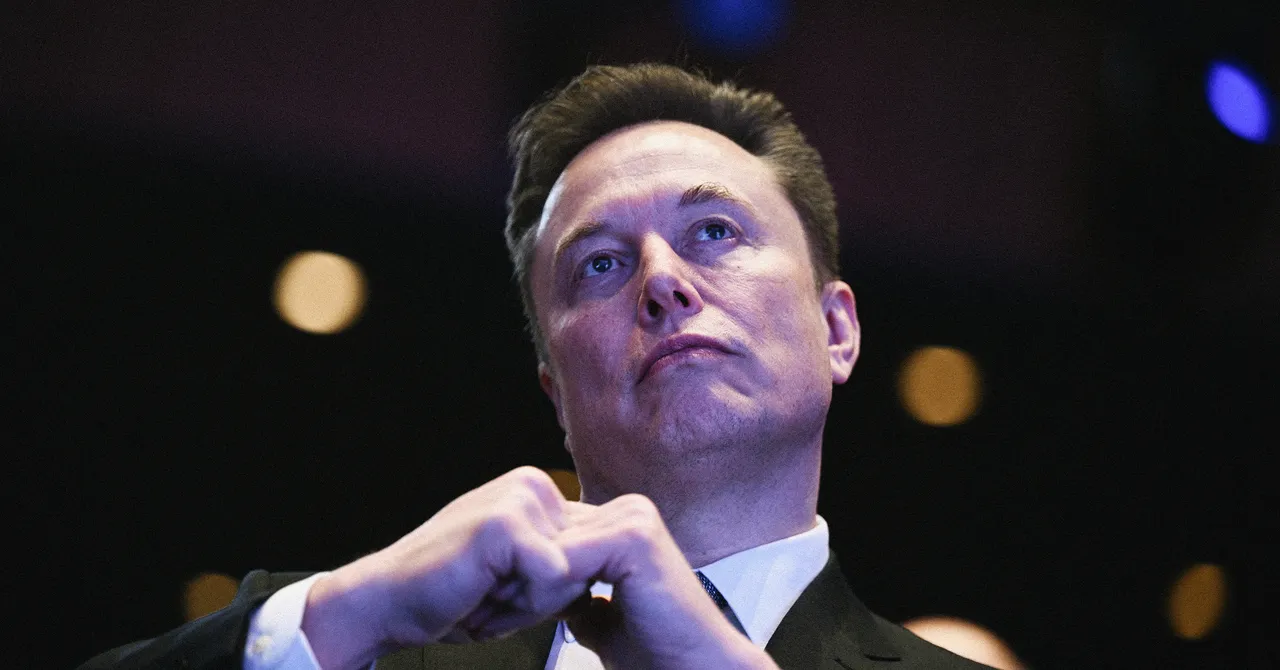
The recent escalation between the United States, Israel, and Iran underscores a new era where technological innovation amplifies geopolitical conflicts, transforming both information dissemination and strategic dominance. As disruptive digital platforms become battlegrounds for truth and influence, the implications for business, security, and public perception are profound. Companies like X (formerly Twitter), under the stewardship of Elon Musk, are increasingly vectors for both real-time information and disinformation, blurring the lines between fact and falsehood, with tangible global consequences.

During this volatile period, the platform has been flooded with claims—many false—regarding the scope and scale of military actions. A trend identified by industry analysts indicates that *almost all viral disinformation* during recent conflicts originates from verified accounts behind high-profile subscriptions. These ‘blue check’ accounts, often incentivized by monetization models based on engagement, have inadvertently or deliberately amplified false narratives. This scenario typifies a broader shift in digital influence markets, where *accuracy is sacrificed for virality*, severely undermining public trust and strategic stability.

From a business perspective, the **disruption** extends beyond misinformation. AI-generated imagery, as flagged recently by independent intelligence analysts, is being used to craft convincingly false but highly impactful content—such as fabricated images of destroyed radar systems or missile strikes—posing new threats to cybersecurity protocols and market stability. As Gartner highlights, *the capacity for AI to create deepfakes and false narratives accelerates the speed at which misinformation can influence investor sentiment and geopolitical power balances*. Companies that can develop advanced verification technologies or AI-driven authenticity checks will ‘own’ the future of trustworthy digital engagement, creating substantial business opportunities amid these challenges.

The emerging landscape demands a forward-looking approach rooted in disruption-driven innovation. Institutions like MIT are advancing research on AI and blockchain-based verification systems to combat the proliferation of false content. Meanwhile, influential figures like Peter Thiel warn that failing to address these issues could lead to a breakdown in informational sovereignty, with nations, corporations, and citizens becoming pervasively vulnerable to manipulation. The strategic takeaway is that **control over digital narratives** has become as vital as military or economic strength in shaping global outcomes**. The urgency is clear: develop resilient, transparent, and innovative tech solutions now—or risk losing credibility and strategic advantage in an epoch where information warfare defines victory.

In summation, the convergence of technological disruption and geopolitical conflict signals a paradigm shift with significant business and security implications. As **AI, misinformation, and social media platforms** intertwine to influence global events, the call to action for innovators, policymakers, and entrepreneurs is to harness cutting-edge solutions that safeguard truth and foster strategic stability. The window for proactive innovation is closing fast. The future belongs to those who can master the digital battlefield not just with weapons, but with relentless ingenuity in information integrity and technological resilience. In this high-stakes arena, time is of the essence—disruption is inevitable, but control over the narrative remains within reach for the technologically prepared.


Incel Talk Goes Mainstream: The New Voice of the Youth’s Tech Scene | WIRED

Disruption in Digital Culture and Business: The New Technological Frontier

As the digital landscape rapidly evolves, a wave of innovative trends is reshaping how society interacts with technology, culture, and business. This year, the emergence of concepts like friction-maxxing exemplifies a counter-movement against the endless convenience offerings powered by apps and AI. Advocates argue that deliberately introducing friction—the minor challenges that require effort—can foster resilience and authenticity, challenging the prevailing paradigm of instant gratification.

This cultural shift is intertwined with the dissemination of incel terminology, which has now seeped into mainstream internet vernacular. Originally born within insular online communities, terms like “maxxing”—or “protein maxxing,” “sleep maxxing,” and others—are now being adopted by broader audiences. Such language, sometimes laden with controversy, signals a deeper phenomenon: the reconfiguration of online socio-political dialogues. Industry analysts, including those from MIT and social research think tanks, warn of the potential for these lexicons to catalyze new forms of social identity and even radicalization, with implications for workforce culture and consumer behavior in the tech sector.

Meanwhile, the cultural memory of movements like Gamergate and the proliferation of sinister platforms like 4chan has laid the groundwork for a disruptive digital ecosystem. This ecosystem is characterized by toxic nihilism, reactionary sentiment, and the rise of anti-diversity ideologies, which threaten to undermine the inclusive innovation that Silicon Valley strives for. Yet, paradoxically, these trends also fuel a market of disruptive startups that aim to capitalize on cultural fractures—tools that polarize, but also serve as catalysts for change. Companies like Twitter, under new leadership, are attempting to navigate this turbulent space, balancing free speech with moderation—an ongoing challenge with significant business implications.

Looking ahead, industry leaders, from Elon Musk to Peter Thiel, recognize that understanding and harnessing these disruptive cultural shifts is crucial for maintaining technological edge. As the lines between online subcultures and mainstream markets continue to blur, the urgency for innovation in both policy and product design intensifies. The next wave of technological disruption will not just be about raw computational power but about navigating the complex social terrains that define our digital future. Failing to adapt or anticipate these shifts may render traditional tech giants obsolete, replaced by agile entities that leverage these cultural currents for strategic advantage.

Homeland Security Forum: ICE Agents Spill the Tea on Internal Drama

The landscape of U.S. law enforcement is undergoing a profound shift, driven by advancements in technology and a reevaluation of strategic priorities. Federal agencies such as the Department of Homeland Security (DHS) and Customs and Border Protection (CBP) are increasingly leveraging innovative tools to expand their operational reach. However, this rapid growth is sparking vigorous debates about resource allocation, mission focus, and public trust. Industry analysts from Gartner and leading security think tanks warn that the aggressive deployment of surveillance and investigative technologies may disrupt traditional law enforcement paradigms, creating a complex web of ethical, operational, and political challenges.

The controversy intensifies as online forums and forums reveal a growing divide within enforcement communities and the broader public. Discussions on these platforms highlight how disruption in enforcement tactics—driven by advanced surveillance, data analytics, and undercover operations—are redefining what it means to ensure national security. Some voices argue that the targeting of political adversaries, including recent high-profile shootings and protests, may undermine operational integrity and citizen trust. Experts such as MIT cybersecurity specialists emphasize that this new era demands a careful balance; unchecked technological overreach could lead to loss of privacy, civil liberties, and legitimate operational effectiveness.

Business implications are equally significant. As the U.S. government increases investment in advanced intelligence platforms, AI-driven investigative tools, and decentralized command structures, private sector innovators are racing to fill the void. Companies specializing in facial recognition, biometric analysis, and encrypted communications are seeing unprecedented growth—highlighting a market shift that threatens to consolidate power within a handful of tech giants. Meanwhile, some critics, including industry watchdogs and civil liberties advocates, warn that this concentration could foster authoritarian tendencies and stifle innovation through over-regulation. It is clear that the industry must navigate a treacherous terrain: fostering disruptive advances while safeguarding constitutional rights and competitive markets.

The future trajectory of this evolutionary cycle depends heavily on how policymakers and industry leaders respond to these challenges. Gamers like Elon Musk and economist Peter Thiel have long advocated for public-private partnerships that promote transparency and responsible innovation. Experts from institutions like MIT argue that emerging technologies—particularly AI and machine learning—offer unprecedented disruption potential, enabling agencies to anticipate threats proactively and dismantle illicit activities with greater precision. Yet, the warning remains: *failure to adapt responsibly* could accelerate *societal divisions*, reduce public confidence, and stymie technological progress itself.

As the government doubles down on integrating these disruptive innovations into the national security fabric, stakeholders must recognize that the pace of change is relentless. The window for proactive regulation, strategic investment, and ethical oversight is closing rapidly. The path forward hinges on a balanced approach—harnessing the disruptive power of emerging tech to safeguard freedom and stability, while avoiding overreach that could lead to unintended consequences. The evolution of law enforcement and security technology is not just a matter of national interest — it is a decisive turning point shaping the future of American innovation and liberty.

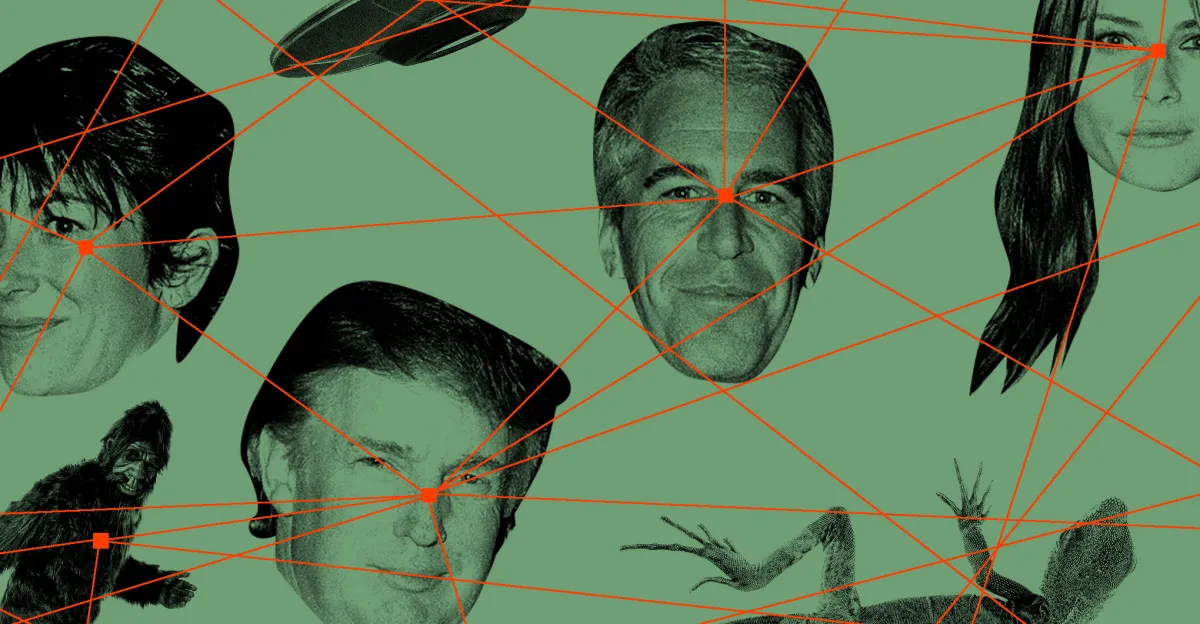
4chan’s Founder Denies Epstein Linked to Launch of Alt-Right Hub /pol/

Tech Industry Faces Disruption and Challenges in the Digital Age

Recent developments highlight the ever-evolving landscape of technology, where innovation often walks a tightrope between progress and controversy. The emergence of new platforms and shifts in online community dynamics are shaping how businesses adapt to an increasingly complex digital ecosystem. Notably, reports of decision-making processes surrounding controversial online spaces, such as **4chan**, illustrate the delicate balance companies must strike between innovation and societal impact.

Efforts to reintroduce a politics board to 4chan sparked debate about accountability and influence in digital communities. Although Epstein’s simplistic association with the decision was dismissed as inaccurate, the incident underscores the rapid dissemination of information and misinformation that can amplify or distort industry narratives. Such episodes are a stark reminder that digital platforms are not just tech products but catalysts for societal change. As industry leaders like **Meta** and **Twitter** grapple with moderation and user engagement, the potential for **disruptive innovations** to either stabilize or destabilize societal norms remains significant.

The tech sector’s key focus continues to pivot around leading-edge technologies, including artificial intelligence, blockchain, and the next generation of social media platforms. Innovators like **Tesla**’s Elon Musk and **Palantir**’s data algorithms are pushing boundaries that could revolutionize everything from autonomous vehicles to secure communications. According to analysts from Gartner and MIT, these shifts represent not just technological milestones but profound upheavals that threaten established models of business operation and user engagement. The acceleration of such technologies hints at a future where disruption is the new normal.

With every breakthrough, there are questions about regulation, market saturation, and ethical boundaries. Companies that lead in innovation and disruption will have to navigate a maze of legal, social, and economic challenges. As Peter Thiel and other forward-thinking investors emphasize, adaptability and vision will be crucial. The urgency to innovate outweighs the caution of yesterday’s standards, creating a landscape where only the most agile will thrive. Looking ahead, the industry must prepare for a future where technological advancements will not just transform industries but your daily life—demanding a strategic approach rooted in foresight and resilience.

Elon Musk’s X Under Fire for Selling Premium Accounts to Iranian Elites Amid Sanctions

Social Media’s Hidden Power: State-Backed Accounts and Global Disruption

Recent investigative reports highlight a troubling trend within the rapidly evolving landscape of social media, particularly under the platform known as X. Technology watchdog Threatened Transparency Project (TTP) uncovered a network of more than two dozen accounts allegedly operated by Iranian government officials, state agencies, and affiliated news outlets, all of which displayed a verified blue check mark associated with X’s Premium subscription service. These accounts were strategically disseminating state-sponsored propaganda, often despite a lack of access to credible information and amidst widespread domestic unrest. Such manipulation of platform features exemplifies a critical phase in how disruption within social media ecosystems can be exploited for geopolitical advantages.

This revelation underscores a broader concern about the robustness of X’s verification process and the efficacy of premium features designed to enhance user engagement. Priced at $8 monthly for basic verification and up to $40 for Premium+—which touts ad removal and reach boosting—these features are now being exploited to artificially amplify propaganda efforts. Industry experts from Gartner warn that these monetization models risk converting vital platforms into weaponized tools for state actors, all while eroding trust among genuine users. Elon Musk’s commitment to what he terms “free speech innovation” is now questioned, as critics argue these policies inadvertently provide a lucrative avenue for disinformation campaigns and covert influence operations, especially during tense geopolitical conflicts.

This pattern of state-backed disinformation coincides with intensifying international tensions, notably the Trump administration’s threats against Iran over its nuclear program. As the US increases sanctions and diplomatic pressure, platforms like X are emerging as inadvertent facilitators of influence campaigns—amplifying messages from the Iranian regime that could undermine diplomatic efforts. Prominent analysts like Peter Thiel have long emphasized the transformative power of technology for disruption; however, they also warn that without rigorous oversight, such tools can facilitate destabilization and undermine strategic initiatives. Katie Paul, director of TTP, asserts that Elon Musk’s platform policies are “undermining international sanctions” by allowing sanctioned figures to remain active and influential via paid subscriptions.

The geopolitical implications are compounded by ongoing unrest within Iran, where protests fueled by economic hardship have been met with brutal government crackdowns. As the regime has been accused of mass arrests and violence—figures estimated to surpass 30,000 deaths—the ability for external actors to influence internal dissent through social media becomes a game-changer. Supporters of regime change, including former President Trump and Musk, have publicly expressed solidarity, demonstrating the interconnectedness of tech innovation and global politics. Moving forward, the capacity for social media to serve as a battleground for influence and information warfare will only intensify, raising urgent questions about regulation, platform accountability, and the future of free speech in an increasingly digitized world.

In conclusion, this unfolding scenario reflects the dangerous confluence of disruptive technology, concerted geopolitical strategies, and business models that reward rapid monetization over security. As platforms like X become critical tools in the global arena, the tech industry must confront the reality that innovation alone is insufficient without stringent oversight and ethical standards. The coming years will determine whether these digital weapons can be corralled or whether unchecked disruption will continue fueling instability. The stakes are high for both the future of free speech and the integrity of international diplomacy—making it imperative for industry leaders, policymakers, and technologists to act swiftly and decisively, lest the digital battleground spiral further out of control.

Meta Faces New Mexico Child Safety Trial — What Youth and Tech Fans Need to Know

Meta Faces Landmark Legal Battles: Disruption at the Crossroads of Technology and Society

In what could be a watershed moment for the tech industry, Meta is currently embroiled in a series of high-profile lawsuits that threaten to reshape the landscape of social media accountability. The state of New Mexico has brought a lawsuit against the social media giant, alleging that Meta failed to protect minors from exploitation and designed platforms that fostered harmful environments. This case signals a broader shift in regulatory attitudes towards disruption, innovation, and corporate responsibility within the digital ecosystem. As Meta defies attempts to settle, the proceedings could unveil internal practices that have prioritized engagement metrics over user safety, drawing public and governmental scrutiny centered on the profound societal impact of social media’s business models.

Adding further to Meta’s legal challenges is the simultaneous trial in California, the nation’s first legal probe into social media addiction. This “JCCP” involves multiple civil suits, including allegations from figures like Sacha Haworth of the Tech Oversight Project, who warns of “an industry that has enabled predators and addictors alike.” Plaintiffs accuse companies such as Snap, TikTok, and Google of negligent design that deliberately manipulates algorithms to maximize user engagement at the expense of minors’ well-being. Notably, TikTok and Snap have already settled, leaving Meta’s resistance to settlement as a focal point that could lead to unprecedented witness testimonies, revealing the inner mechanics of platforms built on “attention economy” strategies. This trial underscores a pivotal industry shift: regulators and courts are actively challenging a trajectory of innovation that borders on exploitation.

From a business perspective, these legal battles lay bare a critical truth for the tech sector: the cost of doing disruptive business is rising. Meta’s alleged complicity in enabling harmful content and exploitation illustrates how a relentless pursuit of growth and user engagement can clash with regulatory and moral boundaries. As Gartner analysts observe, such lawsuits serve as a “canary in the coal mine” — signaling that **the era of unchecked platform innovation without accountability is nearing its end**. The implications are clear: big tech firms must now balance innovation with compliance, or risk debilitating repercussions that could stifle future disruption. Ruthless market shifts demand that companies develop technology ecosystems more resilient to legal, ethical, and societal pushback—a call to arms for entrepreneurs and tech leaders eager to shape the future responsibly.

Looking ahead, the emerging legal landscape anticipates a fundamental reassessment of how social platforms innovate and monetize. As regulations tighten and consumer awareness grows, **the next wave of tech innovation will likely favor transparency, safety, and ethical design**. Industry titans have a limited window to pivot towards solutions that leverage breakthrough technologies such as AI-driven moderation, privacy-preserving algorithms, and robust user protections—integrating these into their core strategies to future-proof their business models. The ongoing trials symbolize a critical inflection point; failure to adapt could result in a “regulation tsunami” that disrupts traditional giants’ dominance. For entrepreneurs and investors targeting the next frontier of technology, the message is unmistakable: act swiftly, innovate with integrity, and prioritize societal benefit—because the future of tech is being rewritten today, and only the most visionary will thrive amid the disruption ahead.

Crypto bill’s Congressional push hits a wall—Youth tech still waiting for breakthroughs

Crypto Industry Faces Disruption as U.S. Policy Gridlock Intensifies

Innovation and disruption are constants in the fast-evolving landscape of blockchain technology and cryptocurrencies, but recent developments in Washington threaten to stall vital progress. Major players like Coinbase are closely watching legislative maneuvers that could redefine the regulatory framework for digital assets. As the U.S. Congress nears a pivotal juncture, the industry stands at a crossroads where political partisanship and industry priorities collide, potentially shaping the future of finance for years to come.

At the center of this turbulent scene is the contentious Clarity Act, which aims to establish clear regulatory guidelines for the burgeoning stablecoin sector. Innovation in stablecoins—cryptocurrencies pegged to traditional mediums like the US dollar—has been a turbocharged driver of adoption, with Coinbase offering 3.5% rewards on USDC holdings—a rate vastly eclipsing traditional bank interest. Such rewards act as powerful incentives for retail and institutional holders, hinting at a future where stablecoins could be central to mainstream financial daily routines. However, the banking lobby perceives these rewards as loopholes that could undermine traditional deposit-based models, lobbying hard to limit or prohibit such yields, which delays crucial market structure legislation. If the bill passes, Coinbase anticipates a significant business impact, with stablecoin rewards potentially curtailed, thereby limiting their competitive edge and the transformative potential of DeFi solutions.

The business implications extend beyond Coinbase alone. Industry analysts from institutions like Gartner and think tanks like MIT warn that the ongoing legislative gridlock could disrupt innovation pipelines and slow the adoption of crypto-based financial products. The political battleground is heated, especially with upcoming midterm elections which threaten to bring partisan polarization into even sharper focus. Democrats and Republicans are at loggerheads over the broader market regulation, with Democrats generally more skeptical of crypto’s risks, while Republicans tend to favor the industry’s potential to disrupt traditional financial institutions. The political calculus becomes increasingly complex as key figures—such as Sen. Elizabeth Warren or Maxine Waters—oppose industry-friendly policies, driven by fears of destabilization and concerns over banking incumbents’ dominance. Meanwhile, industry lobbyists are emphasizing crypto’s voter base; crypto holders are seen as highly motivated, single-issue voters whose wallets significantly influence election outcomes.

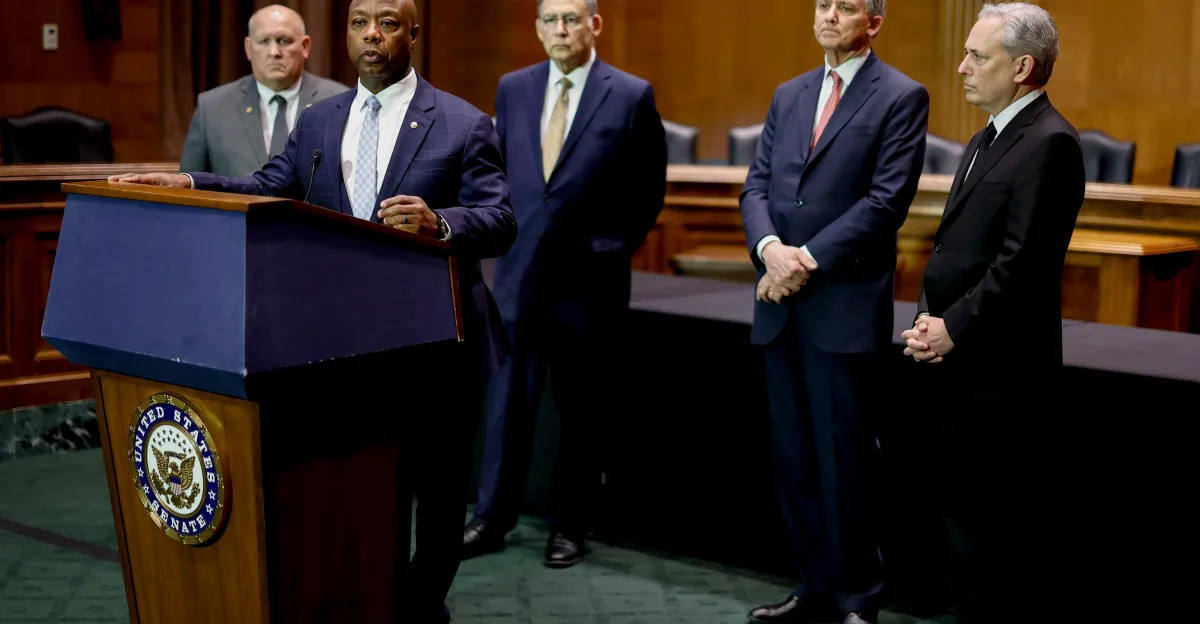
The industry’s future hinges on strategic legislative momentum. The Senate Agriculture Committee is scheduled for a crucial markup, but hope dims as bipartisan unity frays. As Cody Carbone, CEO of The Digital Chamber, notes, “The longer the partisan battle persists, the more likely crypto will be sidelined in favor of entrenched bank interests. If Democrats control both chambers, legislative prospects dim further, with prominent committee chairs signaling a focus on enforcement over adoption for crypto.” Such a scenario could result in a policy deadlock that stifles innovation and allows entrenched interests to maintain control. However, industry insiders remain cautiously optimistic if bipartisan support can be rekindled swiftly, as crypto advocates argue their voter base is more influential than assumptions suggest. The upcoming weeks are critical—stakeholders must navigate an urgent landscape where policy, business, and politics intertwine to decide whether the next wave of financial disruption will be unleashed or stymied by congressional gridlock.

With the trajectory of crypto regulation hanging in the balance, the industry faces a stark reality: delay breeds risk. As Peter Thiel and Elon Musk warn about the necessity of proactive innovation, the urgency to push forward legislation that fosters disruptive technologies becomes undeniable. The next legislative cycle could either accelerate America’s leadership in digital finance or cede that ground to emerging global competitors. For entrepreneurs, investors, and consumers alike, understanding this high-stakes game isn’t just advisable—it’s essential. The clock is ticking, and the future of financial innovation depends on decisive action now.

Fashion’s Grim Turn: Youth Style Moves Toward Old-School Backslide

Fashion’s Evolution Mirrors International Societal Changes Amid Medical and Cultural Shifts

In 2023, the global fashion industry has once again unveiled its complex relationship with societal standards, body diversity, and medical advancements. This season’s runway shows across New York, London, Milan, and Paris reveal a disconcerting trend: a pronounced decline in the representation of plus-size models, echoing a broader societal pattern that privileges a narrow definition of beauty. Despite early progress driven by pioneers like Jill Kortleve, Paloma Elsesser, and Precious Lee—who broke the traditional sample size mold—this past season marked a stark regression. Industry analysts and fashion observers emphasize that this shift is not merely aesthetic but deeply intertwined with how international society perceives health, worth, and beauty.

Adding fuel to the fire is the advent and expanding accessibility of weight loss medications like Wegovy and Ozempic. These pharmaceuticals, originally designed to assist those with obesity or weight-related health issues, are increasingly being sought for purely aesthetic purposes though often at the expense of health risks. The European Medicines Agency recently issued warnings about shortages of Ozempic, underscoring the growing demand and potential for misuse. Critics such as global health experts warn that the normalization of such drugs, combined with a fashion industry retreat from size diversity, threaten to reinforce damaging societal narratives. As Dr. Lash, a prominent endocrinologist, cautions, “These drugs are not benign, and their use outside medical supervision can cause serious health complications.”

The significance of these developments extends well beyond individual health. According to historians and sociologists, these trends reflect a societal shift where the pursuit of an ultra-thin ideal is increasingly driven by consumer culture and pharmaceutical influence. Industry insiders point out that long-standing practices—such as creating exclusive sample sizes optimized for efficiency—are often cited by legacy brands as justifications for lacking size inclusivity. However, as White and other advocates argue, this is a matter of industry prioritization over societal well-being. Calls for a unified industry standard that mandates size diversity on runways are gaining momentum, aiming to combat the entrenched archetype of skinny beauty that has persisted for decades.

Despite these setbacks, a handful of smaller brands and emerging designers continue to push for change. Labels like Esther Manas, Di Petsa, and some collections by Christian Siriano exhibit a compelling commitment to celebrating all body types. This resistance symbolizes a broader cultural struggle—whether the fashion industry will embrace a definition of beauty that is inclusive, rather than exclusive. As the debate rages, critics warn that these decisions impact societal attitudes—shaping how future generations perceive self-worth, health, and diversity. The industry’s reluctance to fully integrate size inclusivity risks perpetuating a cycle where societal standards are dictated by narrow aesthetics and pharmaceutical solutions.

Ultimately, the narrative of body image and medical intervention is a portrait of a society at a crossroads. As social media platforms amplify conversations about health, beauty, and authenticity, and as international regulators grapple with medication shortages and misuse, history’s verdict remains unwritten. Will the global fashion industry and society at large choose authentic diversity and health over fleeting trends and pharmaceutical shortcuts? The unfolding story suggests we are entering a defining chapter—one where the choices made today will echo through future generations, shaping the very fabric of cultural identity and societal standards. The weight of history hangs heavily in the balance, whispering that the path forward must be carved with both conscience and courage.

Social Media Auto Publish Powered By : XYZScripts.com