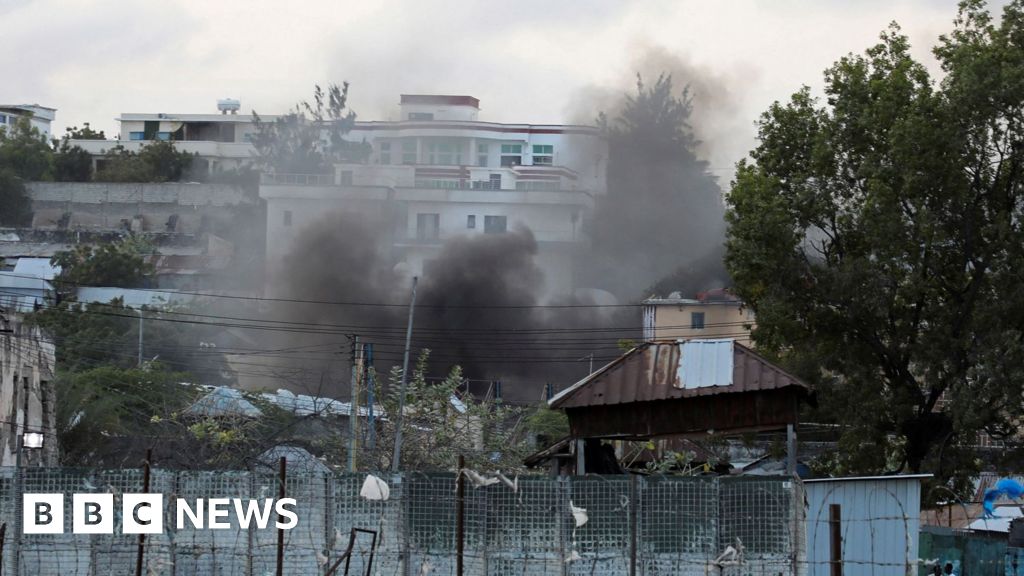

In a stark demonstration of escalating tensions in the Middle East, the United States government has confirmed that a US military base was hit by Iran on Sunday. This incident marks a significant escalation in a region already fraught with conflict and diplomatic fragility. According to the US defense secretary, the attack involved deliberate projectile strikes, signaling a shift from the longstanding pattern of covert confrontations to visible military provocations. The attack’s timing and target underscore the fragile state of U.S.-Iran relations and threaten to trigger a broader regional security crisis.
The geopolitical impact of this confrontation extends well beyond the borders of the Middle East. Analysts from the International Crisis Group and military strategists warn that such hostilities risk destabilizing already fragile alliances and intensifying proxy conflicts. The attack comes amid ongoing negotiations over Iran’s nuclear program, where diplomatic channels appeared to be making slow progress. Many experts interpret this assault as Iran’s message of defiance, seeking to leverage its strategic position and rally domestic support by challenging American presence in the region. The response from the US and its allies is expected to be decisive, potentially leading to increased military deployments or new sanctions aimed at curbing Iran’s regional influence.
Historically, this incident resonates with past flashpoints in the Middle East, where even a single attack can ignite a series of events with global repercussions. HISTORIAN Robert Peterson emphasizes that these moments are not isolated but are deeply rooted in decades of conflict, foreign intervention, and unresolved grievances. The United Nations has called for restraint, urging all involved parties to avoid further escalation. Yet, the reality is that the international community remains divided on how to address Iran’s regional policies, with Russia and China often seeking to capitalize on Western vulnerabilities for their strategic gains. The incident reinforces the notion that the region is a chessboard for historic rivalry, where even minor skirmishes can spiral into full-scale confrontations with global implications.
As the world watches and waits, the question lingers: how will this attack reshape the balance of power in the Middle East? Will it serve as a warning to those who challenge American dominance, or will it deepen existing divisions? The political and military consequences are yet uncertain, but what is clear is that history is again at a crossroads. The decisions made in these critical moments could determine the course of the 21st century—shaping nations, societies, and generations yet unborn. The unfolding chapters of this crisis may yet become a defining story of our era, a stark reminder that beneath the surface of diplomacy, the specter of war continually looms, waiting to be unleashed at the slightest provocation.