
Alabama’s crackdown on inmate activists signals a troubling shift in correctional policy
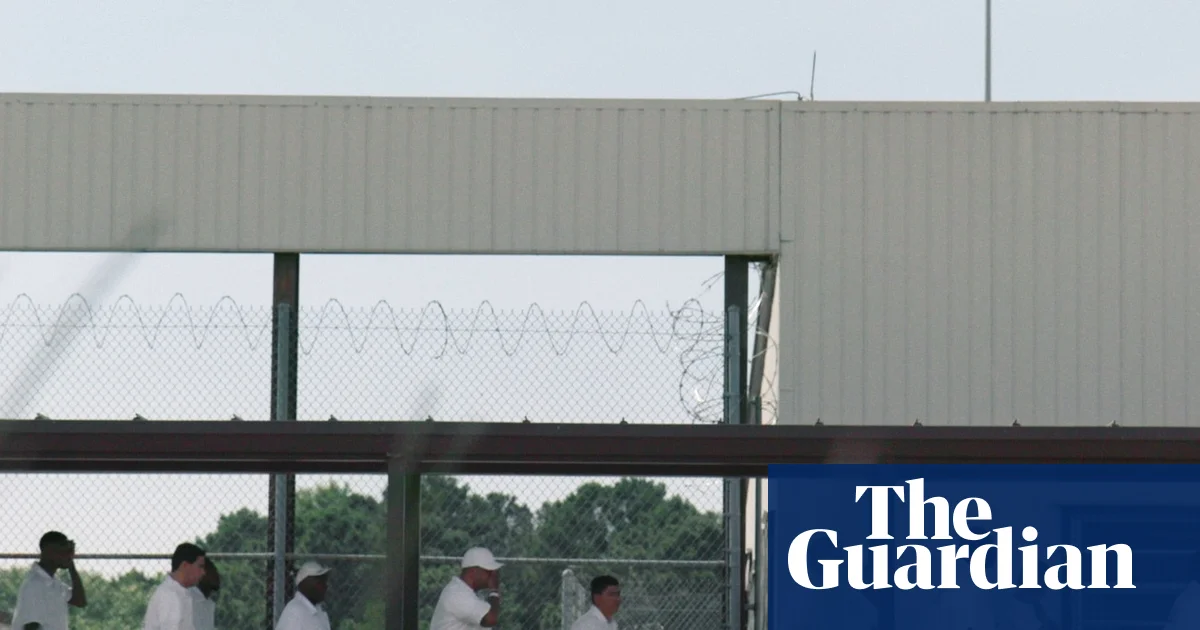
In recent weeks, the Alabama prison authorities have moved three prominent inmate activists—Robert Earl Council, Melvin Ray, and Raoul Poole—into solitary confinement at Kilby correctional facility, sparking international concern over rising authorities’ repression. These men, known for their vocal opposition to prison conditions and their feature in the Oscar-nominated documentary, The Alabama Solution, are now isolated with little contact with family or legal representatives, raising alarm about potential retaliation for their activism. Critics argue that this targeted move exemplifies a broader pattern of state-sponsored suppression of dissent within American correctional institutions.
Many analysts note that the U.S. prison system, particularly under Alabama’s Department of Corrections, is increasingly employing punitive isolation to silence prisoners who dare to challenge systemic abuses. The move to segregate Council, Ray, and Poole on what prison officials claim are “security concerns” appears to be an escalation designed to discourage dissent, especially in a climate where calls for a new prison labor strike are gaining momentum. International human rights organizations, such as Amnesty International, have long condemned the use of prolonged solitary confinement as a form of torture and excessive punishment, warning that such measures threaten the physical and mental well-being of inmates.
The controversy extends beyond the prison walls; it underscores the delicate geopolitical impact of America’s ongoing domestic human rights issues. As the United Nations and various watchdog groups scrutinize American incarceration practices, critics argue that these internal struggles reflect poorly on the nation’s claims of justice and human rights leadership. The fact that activists like Council, Ray, and Poole have been featured in a documentary, which has received international recognition, indicates a wider acknowledgment of the depth of America’s incarceration crisis. Renowned political analysts warn that such suppression not only diminishes the morale of political prisoners but also serves as a cautionary tale about the lengths to which authorities will go to preserve the status quo.
Historian and prison reform advocates emphasize that these recent actions can have long-lasting repercussions in the realm of international relations. With sectors of the global community increasingly demanding accountability, the U.S. risks portraying itself as a nation that tolerates and even endorses authoritarian tactics within its own borders. The move against these inmates coincides with a period of heightened political tension, pushing the debate over human rights and state repression into the international spotlight. As experts warn of a potential escalation in such measures, the world watches, and history waits to record whether this is a defining moment of reform or an affirmation of systemic brutality.
Indeed, the unfolding story of Alabama’s prison system serves as a stark reminder of the persistent power struggle within democratic societies—a struggle between the forces of authority and the rights of the individual. As the voices of resistance are silenced through intimidation and isolation, the question remains: how much longer will the global community accept such injustices as the price of order? The narrative is still being written—one where the weight of history may yet tip toward reform or repression, and the world waits to see which path America will choose in this dark chapter of its own making.