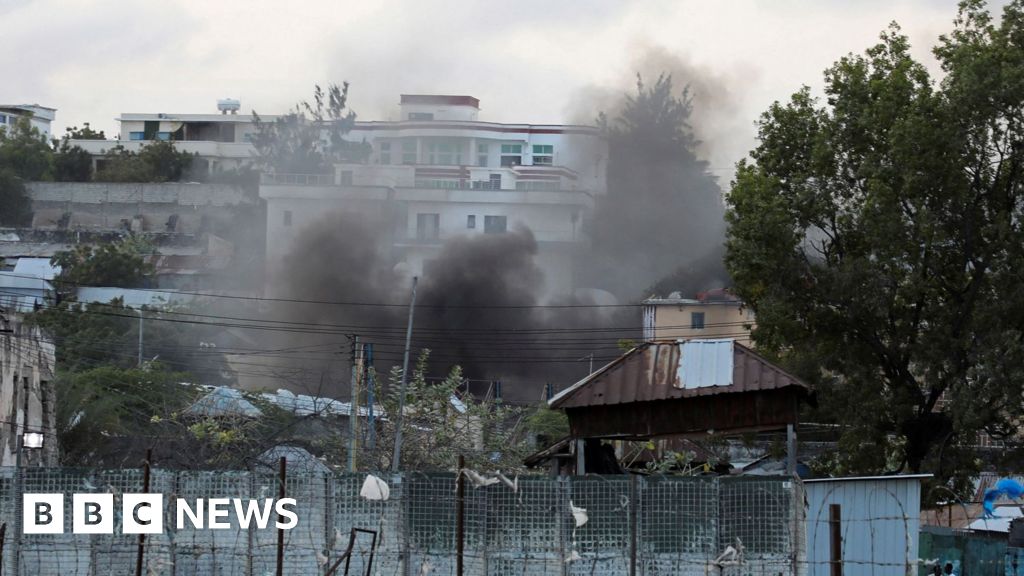

The United States under the Trump administration has intensified its stance on immigration, with a focus that increasingly echoes nationalist, right-wing rhetoric. President Donald Trump publically declared a disdain for Somali immigrants, asserting that their presence “goes the wrong way” for the country. During a recent cabinet meeting, he dismissed Somalia as “barely a country” and blamed its societal structure for ongoing instability. These remarks, while seemingly isolated, are part of a broader strategy that amplifies hostilities toward specific immigrant communities, especially in Minnesota, where the Somali diaspora constitutes one of the largest populations worldwide outside Africa.
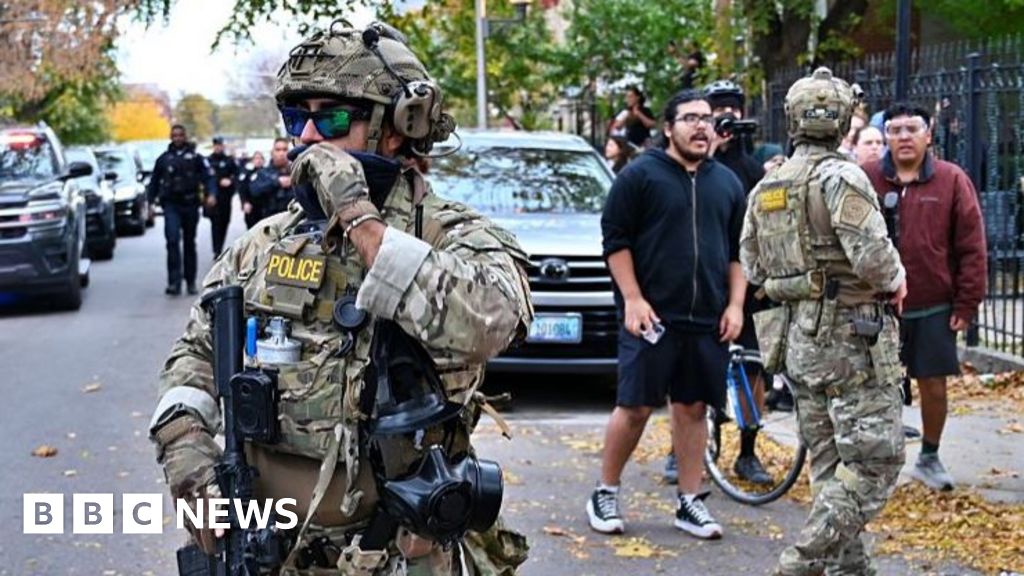
This surge of anti-immigration rhetoric dovetails with deliberate policy actions. Reports indicate that the US Immigration and Customs Enforcement (ICE) is planning an enforcement operation targeting undocumented Somali immigrants in the Twin Cities—home to about 80,000 Somalis, most of whom are American citizens. Critics, including local leaders, argue that the operation would violate due process, with Mayor Jacob Frey decrying likely breaches of constitutional rights. Meanwhile, officials deny targeting based on ethnicity or race, claiming the focus remains solely on illegal status. Herein lies a critical geopolitical impact: these policies threaten to destabilize a community with deep roots in the U.S., sowing fear and division, while reinforcing hardline narratives that blame immigrant populations for societal issues, rather than addressing systemic failures or external threats.
Historically, Somalia has been beset by civil war and instability since the early 1990s, prompting waves of migration seeking refuge in the West. Yet, the current US policy shift appears to manipulate this legacy, with the Trump administration threatening to terminate the Temporary Protected Status (TPS) granted to Somali residents—an attempt to paint Somali Americans as a security risk amidst ongoing investigations into potential links to militant groups like Al-Shabaab. Analysts warn that such measures not only destabilize Somali-American populations but also risk fueling anti-Muslim sentiment and xenophobia, which can have ripple effects across international diplomacy.
International voices, including Somali Foreign Minister Ali Omar, have publicly condemned the US narrative, condemning it as an unjust scapegoating tactic. The US’s moves are seen by many experts as part of a broader shift in foreign policy where narrative and perception distort reality—blaming poor nations and marginalized communities to justify domestic political agendas. As historians and global watchdogs warn, these policies threaten to deepen societal divisions and undermine America’s own democratic ideals, while emboldening authoritarian tendencies around the world. How the US navigates its immigration policies now will shape perceptions of justice and fairness for decades to come, especially as other nations watch this unfolding story of national identity and border control.
In a stark narrative of cause and effect, the current trajectory leaves the world’s most powerful nation at a crossroads. Will it uphold its founding principles amid rising populism and fear? Or will it succumb to the siren song of exclusion, casting long shadows over the very liberties it once championed? As history watches with a wary eye, the weight of this moment extends beyond border policies into a question of the global order itself. What begins as a debate over immigration may well become the defining chapter—an epoch where the values of openness clash with the currents of nationalism, and where the future of societies worldwide hinges on the choices made today.