Matox News

Truth Over Trends, always!

Ami-dong: Busan’s Bold ‘Tombstone Village’—Korean Refugees Reclaim a Japanese Cemetery with Style

Standing at the crossroads of history and transformation, Busan, South Korea, offers more than just scenic beaches and vibrant markets—it embodies a complex narrative of resilience, migration, and cultural preservation. Tucked away in the hills adjacent to one of the city’s most colorful landmarks, the Ami-dong area is a living testament to Korea’s turbulent past and the enduring spirit of its people. Once a hidden pocket of history, adorned with tombstones inscribed with Japanese characters, today it stands as a symbol of renewal—a place that invites visitors to reflect on the layers of life, death, and rebirth that have shaped the city’s identity. For the modern explorer, Ami-dong isn’t merely a tourist attraction; it is an immersive journey into the soul of a nation that refuses to forget its past while boldly building its future.

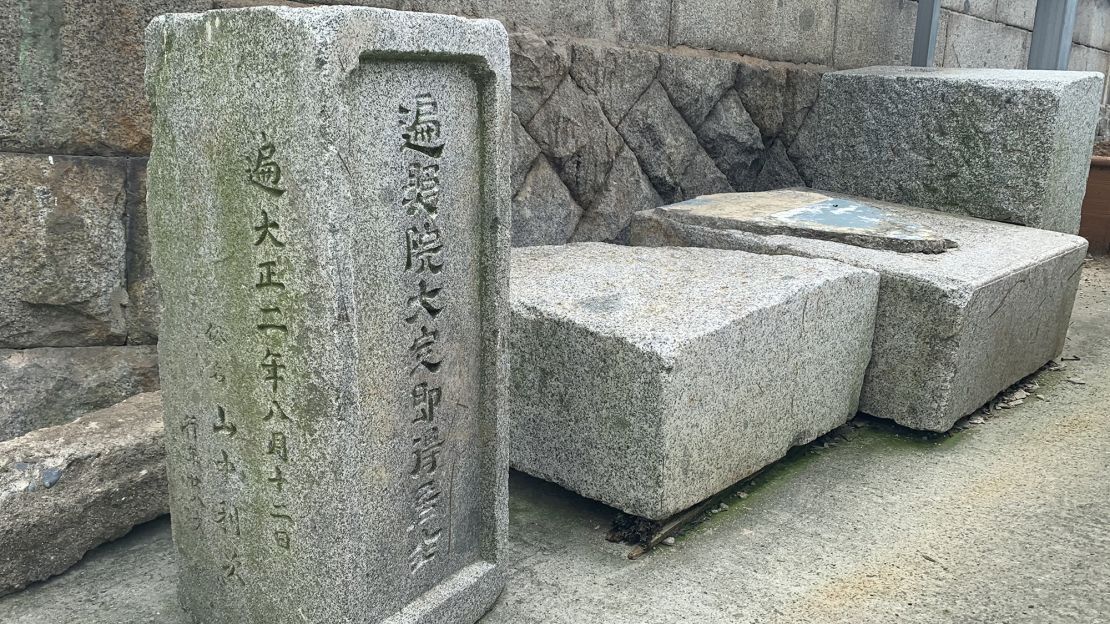
During the Korean War, Ami-dong served as a crux of survival for refugees fleeing the devastation of conflict. Built atop the remains of an old cemetery—originally established during Japan’s occupation of Korea from 1910 to 1945—the area symbolizes a convergence of colonial history and wartime resilience. As the war displaced over 640,000 North Koreans and countless South Koreans, many sought refuge in Busan, which became a makeshift wartime capital. This influx of displaced citizens led to the rapid expansion of densely packed hut villages, with the remnants of Japanese tombstones repurposed as construction materials or used as garden borders—small, tangible echoes of the past laid bare amidst the urban sprawl. As noted by historians like Kim Jung-ha, the area of Ami-dong was once a boundary—between life and death, urban and rural, home and alien territory—a reflection of Korea’s ongoing struggle to redefine itself amidst layers of colonization and conflict.

In recent years, however, the narrative of Ami-dong has shifted from one of trauma to one of vibrant cultural revival. The South Korean government has invested significantly in preserving this unique heritage site, transforming it into a thoughtfully curated tourist destination that balances remembrance with progress. Guided by local initiatives and cultural experts, the area now features an information center illustrating its historical significance, with murals and plaques paying homage to the tombstones and the lives they represent. Visitors are encouraged to approach respectfully, as many residents still cherish their community’s roots.

  • Explore the winding alleys and spot tombstones nestled under staircases and doorsteps, some inscribed with Japanese characters, others weathered by time, whispering stories of those long gone.
  • Visit the nearby Gamcheon Culture Village—another hub of colorful art and history—often linked by scenic bus rides that highlight the city’s blend of old and new.
  • Reflect at the planned memorial site, where scattered tombstones θα be collected, honoring the memory of those who contributed to the city’s layered history.

Ultimately, Ami-dong exemplifies a lifestyle rooted in *mindful remembrance* and *urban renewal*. It challenges the urban dweller and the curious traveler alike to consider how history influences our present—and how, through respect and preservation, we forge a meaningful connection to the past. As urban engineering professor Kong Yoon-kyung eloquently expressed, “In an urgent situation, when there was no land, a cemetery was there, and people felt compelled to live among those memories.” Today, this sentiment resonates in the enduring presence of tombstones, not as symbols of death, but as anchors of personal and collective identity. Life, in its continual flow, demands that we confront our roots with honesty and reverence, recognizing that our future can be enriched only by learning from what we carry beneath our feet. For those willing to embrace history in its raw, unvarnished form, Ami-dong beckons as a reminder that true wellness and inspiration come from understanding where we come from—even when that means walking among ghosts of a complex, storied past.

Seoul eyes OK for Google, Apple’s high-res map plans—tech reach meets city limits

South Korea Weighs High-Resolution Map Data Export—A New Battlefield for Tech Giants

South Korea is at a pivotal crossroads in its approach to geospatial data sovereignty, with tech giants like Google and Apple vying for approval to export high-resolution maps outside the country. The decision, anticipated around November 11, could significantly alter the landscape for digital innovation, national security, and business strategy in Asia’s high-tech hub. Governments worldwide are increasingly scrutinizing the use and export of detailed geospatial information, viewing it as a double-edged sword—crucial for technological progress but a potential security threat.

The controversy centers on the export of 1:5,000 scale maps—maps that reveal street-level detail far more granular than traditional maps. These detailed datasets hold immense value for localized services, giving market leaders like Google and Apple a substantial edge in competitive navigation and augmented reality platforms. However, the sensitivities surrounding such information stem from concerns over national security, especially given South Korea’s ongoing conflict with North Korea. Lawmakers and security officials highlight the risks of exposing military sites and strategic assets if detailed maps are made accessible outside the country’s strict regulatory framework.

This regulatory tug-of-war underscores a broader trend of nations asserting digital sovereignty, with South Korea’s Geospatial Information Management Act serving as a key legal pillar. Since its enactment in the 1970s, the law has imposed rigorous controls on foreign access to geographical data, requiring government approval—often multiple layers of review—before allowing any export or transfer. Notably, Google’s previous requests for access have been rejected—in 2011 and 2016—unless the company committed to locating local data centers and obscuring sensitive sites. While Google has reportedly taken steps to blur military and security sites, it continues to seek permission for exporting high-res map data, which could drive its competitive advantage globally.

Disruption is imminent, with Apple making parallel moves to expand its high-resolution mapping footprint. In June, Apple submitted a request to export detailed map data, following a prior rejection in 2023. Notably, Apple’s strategy diverges by leveraging local servers, granting them increased flexibility and potentially quicker compliance with South Korean security requirements. The company is also reportedly exploring partnerships with local satellite data providers like T Map, owned by SK Telecom, to adhere to regulatory mandates while enriching its map quality. In this rapidly evolving landscape, the implications for market dominance and technological innovation are profound: local competitors such as Naver and Kakao continue to leverage high-detail maps, whose capabilities threaten to displace global players if regulatory hurdles are navigated successfully.

Recent international precedents highlight the strategic importance of geospatial data for national security and technological leadership. Governments have demanded the deactivation of real-time traffic or live mapping features in conflict zones—such as Israel and Ukraine—demonstrating the sensitive nature of live geo-information. Experts such as MIT’s Dr. Elizabeth Bell and cybersecurity analysts emphasize that controlling geospatial data is not just about privacy but about maintaining competitive advantage and sovereignty in the era of disruptive innovation. Companies like Google and Apple are navigating a digital battleground where every map update or data request could reshape their global market position.

Looking ahead, the South Korean decision will serve as a benchmark for other nations grappling with geo-security and innovation policies. The push-and-pull between openness and security reflects a broader geopolitical shift—where digital infrastructure becomes a key component of national strength. As industry leaders and policymakers grapple with these issues, the urgency to innovate responsibly while safeguarding sovereignty will only intensify, demanding agility, strategic foresight, and uncompromising adherence to emerging regulatory standards. The future of geospatial technology hinges on how countries and corporations balance these conflicting priorities—an unmistakable sign that we are entering a new era of digital sovereignty and technological disruption.

Blackpink Turns Heads at Coachella in Traditional Hanboks

Blackpink’s Historic Coachella Performance and the Rising Role of Korean Culture in Global Politics

In a moment that transcended entertainment and echoed across the geopolitical landscape, Blackpink, the iconic K-Pop girl group, made history at Coachella 2023 by becoming the first Asian act to headline the festival. Their performance, attended by over 125,000 fans, was not merely a display of musical talent but a deliberate assertion of cultural pride. The group honored their Korean heritage by debuting on stage in stunning hanboks, traditional Korean garments richly embroidered with symbolic motifs. This act was a potent statement, intertwining fashion, culture, and geopolitics, highlighting how nations leverage cultural diplomacy to elevate their influence on the international stage.

The significance of this moment extends far beyond the festival grounds. By incorporating hanboks into their performance, Blackpink subtly challenged Western-centric narratives that have historically marginalized Asian cultures in global pop and political spheres. According to cultural analysts, such displays of cultural pride serve as a form of soft power—an assertion of identity in a world often dominated by Western hegemony. The group’s ability to seamlessly fuse traditional Korean elements with modern pop iconography exemplifies the rising influence of South Korea as a cultural powerhouse, capable of shaping international perceptions and expanding its soft power reach.

The Cultural and Political Roots of Korea’s Expanding Global Influence

In recent years, South Korea has steadily ascended as a major player in both global culture and geopolitics. From the global dominance of K-Pop to Korean cinema’s critical success, the country’s cultural exports have become vital tools for shaping international narratives. Historians and geopolitical commentators argue that this cultural ascent correlates with South Korea’s strategic state policies aimed at fostering national pride and leveraging cultural diplomacy as a counterbalance against North Korea’s persistent threat. The use of traditional garments like hanboks during such high-profile events signals an intentional effort to promote Korea’s rich heritage, making cultural identity a cornerstone of their nation-branding strategy.

Furthermore, the appearance of hanboks with intricate embroidery or modern adaptations at major fashion events—such as Seoul Fashion Week or Milan Fashion Week—demonstrates a deliberate attempt by Korean designers to present their culture globally. International organizations and industry analysts alike recognize this as a calculated move that consolidates Korean soft power, bolster ties with diaspora communities, and perpetuate a narrative of cultural resilience. This is especially critical considering the regional tensions in East Asia, where soft power becomes an essential tool for diplomacy and influence without direct confrontation.

Fashion as an International Language of Power and Identity

The spectacle at Coachella was not only cultural but also deeply political. Internationally renowned fashion brands like Dolce & Gabbana and local artisans contributed to the group’s look, transforming their stage into a visual manifesto of Korean cultural resurgence. As historians note, fashion has long served as an expression of power and identity—witness Madonna’s Jean Paul Gaultier cone bras or Geri Halliwell’s Union Jack mini dresses—each moment capturing a turning point in cultural history. The use of hanboks, embroidered with symbols of royalty like peonies, underscored a refusal to let traditional culture be confined to the past, instead presenting it as a living, breathing force shaping Korea’s future aspirations.

As the world watches this evolution, the message is clear: nations are increasingly aware that soft power through culture can reconfigure global narratives, shape alliances, and influence societal perceptions. The cultural diplomacy embodied by Blackpink’s groundbreaking performance, therefore, marks not just a moment of teenage fanfare but a pivotal junction in the ongoing contest for influence—where tradition meets modernity on the grand stage of geopolitics.

If history is any guide, the echoes of this event will resonate through generations, a testament that when nations harness their cultural symbols at moments of global visibility, they carve their names into the fabric of history. As we stand on the brink of further shifts, one thing remains undeniable: the stages of the world are the new battlegrounds for influence, where tradition and innovation collide amid the relentless tide of change.

Social Media Auto Publish Powered By : XYZScripts.com