Matox News

Truth Over Trends, always!

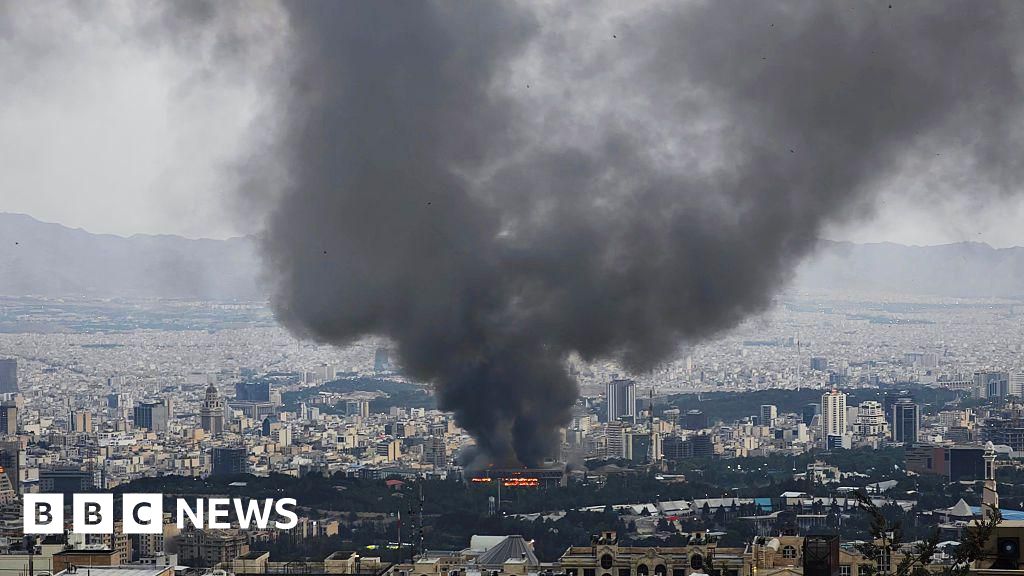
Israel hits Beirut as evacuation alarm sparks chaos

In a stark display of increasing regional instability, Lebanon is experiencing unprecedented chaos as massive traffic jams snake through the streets of key cities, a direct consequence of the urgent evacuation orders issued by authorities. The government’s plea for civilians to evacuate the Hezbollah stronghold signals a significant escalation in the ongoing conflict, which has seen Israel intensify its military operations across Lebanon. These developments have not only heightened tensions within Lebanon but have also sent ripples through the geopolitical landscape of the Middle East, risking a broader regional confrontation.

Israeli forces have launched a series of targeted strikes designed to weaken Hezbollah’s military capabilities, which are believed to be fortified inside the Lebanon. Analysts suggest these actions are a critical phase in what many call a long-brewing effort by Israel to dismantle what it perceives as an existential threat from the Shiite militant group. The escalation has drawn international attention, with United Nations representatives calling for restraint and urging all parties to avoid further civilian casualties. Yet, the situation remains volatile, with the possibility of widening conflict serving as a grim warning to global powers.

Historians and geopolitical analysts warn that this surge of violence could have far-reaching consequences. According to international security experts, the decision to escalate military action marks a pivotal moment that may redefine the balance of power within Lebanon and the broader Middle East. The United States and European Union are closely monitoring the situation, balancing their condemnation of violence with diplomatic efforts aimed at de-escalation. However, some regional analysts argue that such measures are insufficient, emphasizing that history shows how minor conflicts often spiral into full-scale regional wars with devastating impacts for generations.

The geopolitical impact of this ongoing conflict extends well beyond the borders of Lebanon. As international organizations grapple with the fallout, neighboring countries are ramping up military preparedness, and global markets tremble at the prospect of wider destabilization. Many schools of thought, from conservative strategists to cautious diplomats, warn that this current trajectory could ignite a new chapter of hostility and harsh divisions that threaten to engulf the entire Middle East in chaos. The unfolding events challenge traditional paradigms of peace and security, demanding urgent and coordinated international responses that may ultimately alter the fabric of regional alliances and global diplomacy.

As the dust settles on this tumultuous chapter, history bears witness to the profound impact of every decision made in moments of crisis. The world now watches with bated breath, understanding that this is not merely a regional skirmish but a turning point that could very well shape the course of history for decades to come. One thing remains clear: in a world where geopolitical shifts happen in the blink of an eye, the true cost of conflict is measured not just in territory, but in the fragile hopes of a future undisturbed by the shadows of war.

Lenovo’s Bold New Gear: Laptop with Built-In Portable Screen Sparks Buzz Among Young Tech Fans

Lenovo Unveils Innovative Yoga Book Pro 3D Concept: A Game-Changer in Creative Technology

In a bold move that exemplifies the ongoing drive toward immersive and tactile digital experiences, Lenovo has introduced the Yoga Book Pro 3D Concept—a revolutionary device aimed squarely at creative professionals and developers. Powered by the formidable Intel Core Ultra 7 processor and equipped with Nvidia’s GeForce RTX 5070, this concept reimagines the boundaries between digital and physical, blending cutting-edge hardware with innovative software to facilitate a new era of 3D asset creation. While still in the prototype stage, its disruptive potential signals a significant pivot in the industry, especially as it aims to serve creators rather than traditional gamers or consumers.

Disruptive Hardware and User Interface Innovations

The Yoga Book Pro 3D departs sharply from conventional portable devices. It features dual 16-inch OLED displays called Lenovo PureSight Pro Tandem, which connect to form a seamless, flexible workspace—effectively replacing the traditional keyboard with a touch-enabled, customizable surface. This approach not only enhances workspace ergonomics but also pushes forward the concept of a truly mobile creative workstation. The device employs Lenovo’s proprietary AI software to support 2D to 3D conversion on demand, allowing users to manipulate digital assets effortlessly. The integration of a built-in RGB camera enables gesture-based control, allowing users to interact with 3D objects through natural hand movements, eliminating the need for a mouse or stylus—an innovation that could redefine creative workflows.

Perhaps the most groundbreaking feature is the set of magnetic snap-on pads that users can attach to the lower touchscreen. These physical accessories serve as tangible triggers for digital shortcuts, such as opening a color palette or adjusting lighting in real-time, providing a hybrid tactile-digital interface. This fusion of physical and digital interfaces aligns with the evolving expectations of a new wave of digital creators seeking immersive, intuitive tools. By bringing tactile feedback into the fold, Lenovo’s design hints at a future where user interfaces become more responsive and naturally integrated into creative processes.

Business Implications and Industry Disruption

This conceptual device signals a potential industry shift—particularly in how creative tools are designed and commercialized. If Lenovo moves beyond concept into mass production, it will introduce a fresh competitive dynamic within tech giants such as Apple, Microsoft, and Samsung, who have pursued similar 3D and AR/VR innovations. The integration of high-performance hardware with novel form factors can disrupt established workflows and challenge traditional notions of portability and interface design.

  • Market potential: A niche yet expanding segment of digital artists, designers, and AR/VR developers eager for more tactile, portable solutions.
  • Innovation driver: Accelerating the adoption of hybrid hardware/software interfaces to make 3D content creation more intuitive.
  • Industry impact: Potentially catalyzing new hardware ecosystems centered around physical-digital interaction modes—setting a standard for next-gen professional devices.

As Elon Musk and Peter Thiel have warned about the importance of disruption and technological frontier-pushing, Lenovo’s Yoga Book Pro 3D serves as a compelling glimpse into the future of tech. If this device or its derivatives become widely available, it could accelerate the shift toward more immersive, user-centered design paradigms—a transformation that promises to reshape not only creative industries but the broader landscape of human-computer interaction. For forward-looking investors, developers, and innovators, understanding and engaging with these breakthroughs now will be crucial to maintaining a competitive edge in the rapidly evolving tech frontier.

Global Response Sparks Debate Over US and Israel’s Iran Actions

US Launches Strategic Strikes Against Iran: A Turning Point in Middle Eastern Geopolitics

In a decisive move that has reverberated across the international arena, the United States conducted targeted military strikes aimed at curbing Iran’s regional influence and technological advancements. During an emergency United Nations Security Council session convened on Saturday in New York, US Ambassador Mike Waltz articulated the objectives behind these actions, describing them as “**specific and strategic**” efforts to dismantle Iran’s missile capabilities, destabilize naval assets, and disrupt the machinery supporting proxy militias. The ultimate goal, as he emphasized, is to “ensure the Iranian regime never ever can threaten the world with a nuclear weapon.” This rhetoric underscores a determined stance by Washington to prevent a potential nuclear proliferation crisis—an issue that has long haunted global diplomacy.

What makes this development particularly significant is the context in which it occurs. Since the landmark 2015 Joint Comprehensive Plan of Action (JCPOA)—commonly known as the Iran nuclear deal—international diplomacy has sought to contain Iran’s nuclear ambitions peacefully. However, the subsequent U.S. withdrawal in 2018 under President Trump, coupled with Tehran’s increases in uranium enrichment levels, has escalated tensions significantly. The recent strikes mark a clear departure from diplomatic negotiations and signal a shift toward hard military intervention, a move that many analysts say could backfire, fueling regional instability.

Geopolitical Ramifications and International Response

The geopolitical impact of these strikes cannot be overstated. Iran’s strategic missile and naval capabilities are central to its regional influence, particularly in countries such as Syria, Iraq, and Lebanon, where proxy militias like Hezbollah serve as extensions of its power. Removing or degrading these assets could weaken Iran’s capacity for regional destabilization, but it also risks prompting retaliatory actions that could drag nearby nations into open conflict. Historically, military interventions based solely on strategic targeting, as some critics argue, tend to escalate rather than resolve underlying tensions, undermining recent attempts at diplomacy.

International reactions to the strikes vary widely. While the United States and its allies view this as a necessary step to counter Iran’s nuclear threat, some global voices, including members of China and Russia, have condemned what they describe as a violation of international norms. Moreover, the European Union has expressed concern over the potential for escalation, urging all parties to return to the negotiating table. Citation from analysts like Professor Helen Johnson of Harvard Kennedy School suggest that these actions could undermine the fragile diplomacy built over years, risking a wider regional conflict that could destabilize the Middle East for decades.

Historical Context and the Road Ahead

To understand the implications fully, one must consider historical patterns of escalation in the Middle East. Decades of conflict have demonstrated that military strikes aimed solely at military targets often have unintended consequences, leading to a cycle of retaliation and revenge. As international organizations monitor the developments, the human toll remains a stark reminder of the stakes involved. The decisions made in these moments will shape not only the fate of Iran but also the security and stability of the entire global order for generations.

As the dust settles over this critical juncture, historical narratives will surely scrutinize the weight of these decisions. Will they serve as a catalyst for enduring peace, or will they merely deepen a cycle of conflict that threatens the very fabric of international stability? The weight of history remains on the brink—once again, the world stands at a crossroads, where the choices made today will echo in the annals of history and determine whether peace remains an illusion or becomes a distant hope.

Iran’s retaliation sparks concerns over US air defenses—Youth worried about national security

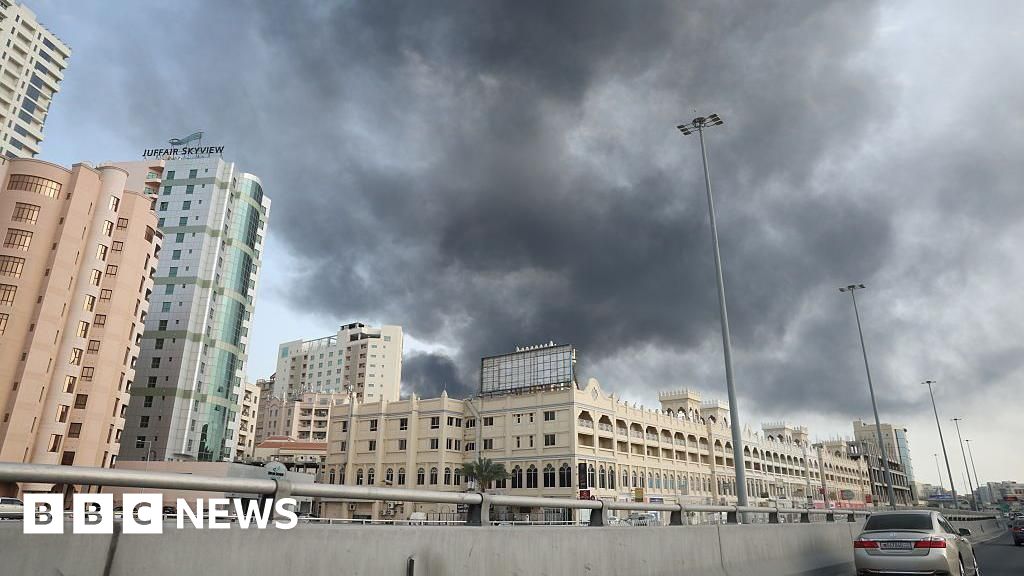
The recent missile attack by Iran on a US Navy base in Bahrain has sent shockwaves across the geopolitical landscape of the Middle East. An targeted assault on a strategic military asset underscores the ongoing tension in a region where diplomacy often teeters on the brink of conflict. While initial reports suggest limited casualties, the implications for U.S. regional influence and alliances are profound. Many analysts interpret this event as a stark warning from Tehran, signaling their readiness to challenge U.S. military dominance in the Persian Gulf, a vital artery for global oil supplies.

The attack stirs echoes of past confrontations, reigniting fears that Iran might be escalating efforts to leverage military force as a means of negotiating concessions over its nuclear program and regional influence. Historically, Iran has oscillated between negotiations and provocative actions, but this strike marks a noticeable shift towards assertiveness. According to international security experts and reports from organizations such as the International Institute for Strategic Studies, Iran’s actions exacerbate regional instability, with potential consequences radiating beyond the Gulf. Smaller Gulf states, deeply intertwined with U.S. military presence and economic interests, now grapple with the torment of balancing diplomatic ties against the threat of further escalations.

From a geopolitical impact, the attack illustrates a pivotal moment where regional and global powers must reassess their strategies. Washington faces mounting pressure to demonstrate resolve, potentially through military reinforcement or diplomatic overtures aimed at de-escalation. Meanwhile, China and Russia continue to watch intently, capitalizing on Washington’s perceived distraction to strengthen their influence across the Middle East. The incident underscores a shifting international landscape, where traditional alliances are tested, and the risk of broader regional conflicts increases. The latest developments have also prompted renewed debate within the United Nations and among global watchdogs, emphasizing the urgency of diplomatic solutions over military posturing.

Historians and analysts warn that choices made in these critical moments will define the future of the region and the stability of global energy markets. The strike on Bahrain, a cornerstone of U.S. military posture in the Middle East, raises fundamental questions about the balance of power, sovereignty, and the long-term strategy for peace in a volatile zone. As international actors scramble to respond, the overarching narrative remains fraught with uncertainty. This incident could epitomize a new chapter in a protracted contest—one that could either lead toward negotiation or plunge the region into years of instability, with consequences rippling around the globe. History’s pen has been stationary for only a moment; the story is still being written, and the weight of its next page may determine the course of nations for decades to come.

Chinese dance troupe’s Australia tour sparks bomb threat targeting PM

Threats Against Australian Leadership and the Shifting World Order

In a startling escalation of internal security threats, reports have emerged that organizers of a controversial performance were instructed to cancel their events or face far graver consequences — specifically, explosive attacks targeting Prime Minister Anthony Albanese’s residence. This alarming development underscores the persistent volatility in domestic security, as well as the broader implications for international stability and sovereignty. The incident echoes troubling patterns globally, where extremist factions leverage violence to influence political landscapes, often with unintended consequences for national security and diplomatic relations.

Security agencies in Australia have responded swiftly, condemning the threats while reaffirming their commitment to protecting the nation’s leaders. Experts and international observers suggest such threats are symptomatic of broader ideological conflicts fueled by external players seeking to sway political outcomes. Historically, terrorist groups and radical factions have targeted prominent political figures to destabilize governments or send symbolic messages. As noted by regional security analysts, this pattern aligns with recent trends where threats are not merely isolated acts but components of complex geopolitical games involving proxy conflicts, ideological battles, and influence operations. These developments come at a time when Australia finds itself increasingly entangled in global strategic shifts, particularly amidst rising tensions between Western alliances and authoritarian rivals.

The incident also raises concerns about how societal divisions and partisan conflicts can be exploited by extremists to foment unrest. The Australian government’s proactive stance underscores the importance of safeguarding democratic institutions from internal threats masked as ideological expressions. Meanwhile, international organizations, such as INTERPOL, continue to monitor similar threats worldwide, warning that violence against political leaders could escalate if root causes remain unaddressed. Historically, such threats have not only endangered individual lives but also served as catalysts for policy shifts—sometimes leading to harsher security laws or, conversely, societal divisions that threaten cohesion.

The weight of history is clear: when violence targets the core of national leadership, it signals a deeper crisis that reverberates through international borders. As nations grapple with internal radicals, the geopolitical impact inevitably influences diplomatic relationships, especially with allies concerned about regional stability.* The decision by the threat actors to attempt attacks at Albanese’s residence reveals a disturbing intent to send a message—one that echoes through the corridors of power, warning that no leader is immune. In such turbulent times, the world watches as the pages of history are written, ominously reminding us that these moments are more than isolated incidents—they are reflections of a shifting global landscape where the lines between domestic dissent and international chaos blur, leaving societies to grapple with the uncertain future that lies ahead.

Mexican cartel’s rampage sparks fears of more violence ahead

Cartel Violence Sparks International Concern in Mexico’s Guadalajara

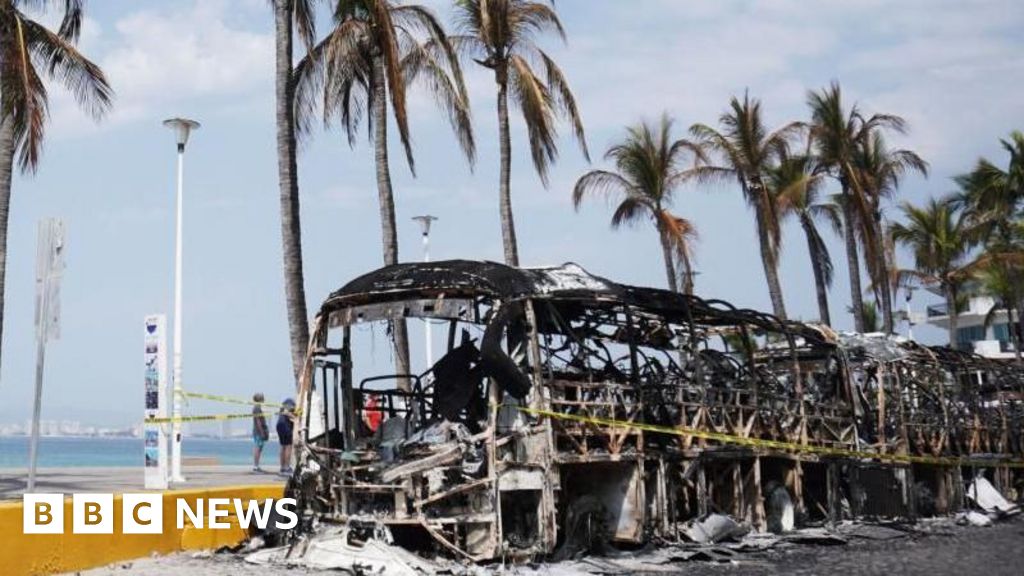
In the aftermath of recent violence in Guadalajara, residents are living in the shadow of fear following a violent retaliation by cartel members seeking to avenge the death of Nemesio “El Mencho” Oseguera, the presumed head of Mexico’s powerful CJNG (Cártel de Jalisco Nueva Generación). According to eyewitness accounts and local officials interviewed by the BBC, the city’s streets have become battlegrounds in what analysts describe as a dangerous escalation in organized crime conflicts. The violence, which initially targeted rivals, has now spilled over into civilian areas, prompting urgent discussions about the regional and global implications of Mexico’s security crisis.

Experts warn that this surge in cartel activity signals a broader destabilization that transcends national borders, impacting trade routes, foreign investments, and the safety of those seeking economic opportunity in the Western Hemisphere. International organizations, including the United Nations Office on Drugs and Crime, have reiterated their concerns over the expanding reach of Mexican cartels, which now challenge state authority and threaten regional stability. The death of “El Mencho,” once considered one of the world’s most elusive drug lords, has indeed sent shockwaves through the cartel ecosystem, leading to an unprecedented wave of violence and power struggles within the criminal underworld.

These developments coincide with a notable shift in U.S.-Mexico relations. As Washington increasingly emphasizes cooperation to combat drug trafficking, traffickers are adapting their strategies in ways that complicate law enforcement efforts. Some analysts argue that the failure to dismantle major cartels like CJNG signifies a broader failure of both Mexican and international policies to stem the flow of drugs and illicit arms. The conflict in Guadalajara exemplifies how local conflicts can rapidly escalate into regional crises with far-reaching effects. Historically, similar patterns of cartel violence have led to destabilization in neighboring countries, fostering insecurity that hampers growth and democratic development.

The repercussions extend beyond borders—causing ripple effects that threaten the sovereignty and stability of nations across the Americas. Mexico’s government continues to face mounting pressure to implement decisive measures, including military crackdowns, yet critics argue that without addressing the root causes—poverty, corruption, and lack of economic opportunity—such violence will persist. University scholars and political analysts warn that unless a comprehensive strategy is adopted, the cycle of violence will only intensify, potentially drawing in international actors and destabilizing entire regions.

As residents share their stories of chaos and resilience, the world watches with bated breath. The recent violence in Guadalajara is more than a local crisis; it is a stark reminder that history is still being written, with the fate of nations hanging in a delicate balance. In the coming weeks, the international community’s response—and Mexico’s ability to confront this darkness—will determine whether this chapter ends in tragedy or a harder-earned path toward stability.

El Paso No-Fly Fail Sparks Broader Drone Security Crisis for America

Broader Implications of Recent U.S. Anti-Drone Innovations Highlighted by El Paso Airspace Incident

The recent airspace closure over El Paso, Texas, has raised significant questions about the trajectory of U.S. nationally critical drone defense technologies. Although the closure lasted only eight hours, the incident underscores a pivotal shift toward energy-based weaponry as the future of short-range air defense systems. The event, initially attributed to potential incursion by Mexican cartel drones, appears now to involve the deployment of laser counter-drone systems supplied by AeroVironment—a company at the forefront of energy weapon innovations.

According to public reports, the defense system used was the LOCUST anti-drone laser, a 20-kilowatt directed energy weapon designed specifically for small drone neutralization. This marks a significant step in disrupting traditional air defense paradigms—moving away from bulky, costly interceptors toward lightweight, energy-efficient lasers. Industry analysts note that these systems have become particularly relevant given the proliferation of inexpensive and accessible drones. As high-powered microwave and laser defenses ramp up, a new era of energy-based warfare is emerging, potentially reshaping how national security responds to non-traditional aerial threats.

Innovation in Anti-Drone Technologies and Industry Disruption

The deployment of the LOCUST system, along with its subsequent acquisition by BlueHalo (a subsidiary of AV Inc.), signals a broader disruptive wave in defense innovation. The shift toward directed-energy weapons aligns with the U.S. Army’s ongoing experiments, such as the recent energy weapon tests aimed at establishing energy-based multi-mission defense capabilities. Such systems promise higher operational readiness, reduced logistics burdens, and faster response times compared to traditional missile-based systems.

  • Key features include portability, reduced cost per shot, and rapid engagement.
  • Recent developments have seen the delivery of multiple LOCUST units to the U.S. Army as part of the AMP-HEL program.
  • Industry leaders emphasize that energy weapons could soon become integral components of integrated air defense architectures.

Experts like Peter Thiel and institutions such as MIT predict that disruption driven by directed-energy systems will redefine battlefield paradigms, placing energy weapons as the preferred method of drone suppression. This technological leap favors agile, scalable defense solutions that could soon render legacy countermeasures obsolete, fundamentally shifting the market landscape and geopolitical dynamics.

The Future: A Race Toward Dominance in Energy-Driven Defense

What makes this shift urgent is the accelerating proliferation of low-cost drones, which can be deployed swiftly and in large numbers. The increasing affordability and accessibility of such hardware threaten to undermine established airspace security protocols, compelling both government and private sectors to prioritize energy-based defense innovations. As defense giants and emerging startups race to develop more sophisticated laser and microwave systems, the geopolitical stakes are higher than ever.

In this context, innovation and disruption are not merely buzzwords—they are the blueprint for national security and economic strength in the 21st century. The El Paso incident highlights that energy weapons, once relegated to science fiction, are now being operationalized at a rapid pace. The question for industry leaders and policymakers is clear: Who will lead this new arms race, and how will global power balances shift in the face of technological superiority? The future belongs to those who recognize that energy-based defense systems are not just an evolution—they are a revolution, demanding swift strategic adaptation to stay ahead of emerging threats.

Rivalry Sparks Youth Interest in Hockey — Is the Game Ready for the Next Generation?

Sports Industry Under the Microscope: Cultural Shifts and Technological Disruption

In a rapidly evolving landscape, the traditional sports industry is experiencing a transformation driven not just by technological innovation, but also by a critical reevaluation of its cultural norms. The NHL, often seen as a bastion of physicality and tradition, is now navigating the turbulent waters of inclusivity, social responsibility, and transparency. This shift is emblematic of a broader disruption rippling across sports, media, and associated industries—pointing toward a future where technology and societal values are increasingly intertwined in defining business success.

The league’s recent partnership with organizations like You Can Play, and the announcement of its upcoming Pride Cup, underscore its attempts to rebrand and redefine what it means to be inclusive. However, beneath the surface lies a debate about performative gestures versus genuine cultural change. Experts like Teresa Fowler and Tim Skuce, who have extensively studied hockey culture, argue that some initiatives remain superficial, masking deeper issues of toxicity and systemic misconduct—highlighted by revelations of hazing practices and mishandling of sensitive matters, such as sexual assault allegations involving Hockey Canada. These scandals threaten to undermine the league’s credibility, forcing a reckoning that could have long-term business repercussions.

Innovation and Disruption: Rethinking Sports Culture and Industry Norms

Amid this cultural upheaval, technology firms and data analytics giants are poised to reshape how sports organizations operate, engage audiences, and promote social values. The integration of advanced data analytics, artificial intelligence, and immersive media experiences—such as virtual reality—are enabling leagues to not only enhance fan engagement but also foster more inclusive environments. As Gartner and MIT researchers highlight, the ability to leverage big data to tackle issues like hazing, discrimination, and mental health is opening new avenues for social responsibility initiatives intertwined with business models.

This technological disruption is reaching beyond grassroots activism into core operational strategies. Player safety, mental health awareness, and inclusivity programs are becoming measurable and transparent, steering sports organizations toward accountability-driven models that appeal to younger, socially conscious audiences. The competition for market share is intensifying, with startups and tech giants vying to deliver innovative solutions that merge social impact with commercial viability.

Business Implications and Future Outlook

The increasing emphasis on social responsibility and cultural authenticity signals a fundamental shift in the business of sport. Legacy brands are under pressure to adapt or risk obsolescence. Companies like Nike and Adidas are already capitalizing on sports-led branding campaigns centered around diversity and inclusion, establishing a new paradigm where authenticity and innovation are key differentiators. Furthermore, as international markets such as Asia and Africa expand their engagement with Western sports leagues, the need for culturally sensitive and disruptive strategies becomes even more critical.

Looking ahead, the intersection of disruptive technology, evolving societal values, and market dynamics heralds an era where sports organizations must act swiftly to harness innovation and address systemic issues transparently. This is no longer merely about entertainment; it is increasingly about forging a brand that resonates with a globally connected, socially aware youth. The urgency is palpable—those who adapt to these seismic shifts will shape the future of entertainment, social influence, and global sports economics. Conversely, failure to innovate and authentically reform risks marginalization in an increasingly competitive, values-driven landscape.

El Paso airspace shut down sparks chaos — blame balloons or drone threats?

In a move that has sent shockwaves through the regional and international landscape, El Paso‘s airspace was abruptly closed for ten days, a shutdown reportedly triggered by a dispute over drone technology testing conducted by the United States military. This unexpected decision underscores the fragile geopolitical climate in North America and its potential implications for broader security dynamics. Although official sources remain tight-lipped about the specific causes, various intelligence reports and military analysts suggest that the closure was directly linked to advanced drone testing operations—an area where technological escalation intertwines dangerously with sovereignty and security concerns.

The resurgence of drone capabilities has become a focal point of contention between military authorities and regional stakeholders. Critics argue that such testing, especially when conducted near border regions like El Paso, could inadvertently escalate tensions with neighboring nations or destabilize an already volatile security environment. The incident highlights the rapid pace at which technological advancements in military hardware are influencing geopolitical stability. Historians and security experts warn that without clear international protocols, these tests risk fueling an arms race that could destabilize diplomatic efforts and trigger an unintended escalation of conflict.

This closure has far-reaching geopolitical impact. Regional actors—including Mexico and various Latin American nations—are closely monitoring the United States’ military maneuvers, wary of how these tests might affect border security and regional stability. Furthermore, global institutions such as the United Nations have increasingly voiced concern over the reckless deployment of emerging military technology in sensitive zones. The turning point lies in how these technological demonstrations are perceived: as defensive innovations or as acts that could inadvertently trigger a new arms race. The decision to shutter airspace—although temporary—intensifies existing debates about transparency, sovereignty, and the need for international regulations governing drone warfare.

As the dust settles on this dispute, the world’s eyes remain fixed on Washington and its military-industrial complex. Analysts warn that such isolated incidents, if unchecked, herald a new era of confrontational posture. The international community, under increasing pressure from peace advocates and global watchdogs, faces a critical choice: to embrace arms control or risk spiraling into unprecedented levels of technological conflict. History will judge whether this brief closure marks a relic of posturing or the beginning of a broader strategic recalibration. The pages of history continue to turn swiftly, with the next chapter yet unwritten, leaving nations to ponder—are we entering a phase of responsible stewardship or reckless escalation?

Telstra’s AI Boom Sparks Job Cuts for Over 200 Workers in New Venture

Global Shift in Workforce Strategies: The Impact of AI on Telstra and Beyond

In what could be a turning point in international corporate strategy, Australia’s telecommunications giant Telstra has announced a significant restructuring aligned with the aggressive integration of artificial intelligence (AI). The company plans to cut over 200 jobs, primarily through offshoring roles to India, as part of a broader effort to modernize operations through a joint venture (JV) established in partnership with the global consultancy Accenture. This move underscores a mounting trend in the global economy, where technological advancements—particularly AI—are reshaping employment landscapes and geopolitical priorities.

The strategic alliance, valued at $700 million, aims to accelerate Telstra’s AI-driven transformation, projecting a future where automated services and advanced data capabilities become central to customer experience. A lack of ambiguities surrounding this transition suggests a deep shift toward automation, with a focus on AI efficiencies and the deployment of autonomous agents working alongside human staff. Notably, this shift is not isolated. In 2024, Telstra announced the elimination of 2,800 jobs within its enterprise segment, signaling a clear, deliberate move toward a digital economy that favors cost-effective, AI-optimized operations. Analysts emphasize that such measures, though disruptive, are aligned with global competitiveness strategies aimed at bolstering economic resilience in an era marked by rapid technological change.

Moreover, these developments must be viewed within the broader geopolitical context. The U.S.-China tech rivalry has spawned a neo-geopolitical environment in which nations invest heavily in AI dominance, not merely for economic supremacy but for national security and strategic advantage. Historians and international relations experts warn of the risks associated with over-reliance on offshoring and automation, which could lead to economic vulnerabilities and social upheaval in the countries of origin. Meanwhile, Australia‘s policy shift towards AI-driven efficiency signals a broader adoption among Western nations striving to maintain geopolitical influence amid a rapidly changing global order. The significance of AI’s integration into core industries is unmistakable: it redefines national sovereignty, economic power, and societal stability.

As Telstra and similar corporations forge ahead, the impact on societies, especially workers and local communities, cannot be overstated. The looming question remains whether this AI evolution will lead to a sustainable future or deepen divides — economically, socially, and geopolitically. As historic currents turn toward automation, and as global institutions watch anxiously, the resolve of nations and peoples will be tested. The unfolding narrative of AI-driven change is not merely about technological progress but about how history will judge this pivotal chapter—a story still being written by the actions of today that will echo in the corridors of power and the homes of millions for generations to come.

Social Media Auto Publish Powered By : XYZScripts.com