Matox News

Truth Over Trends, always!

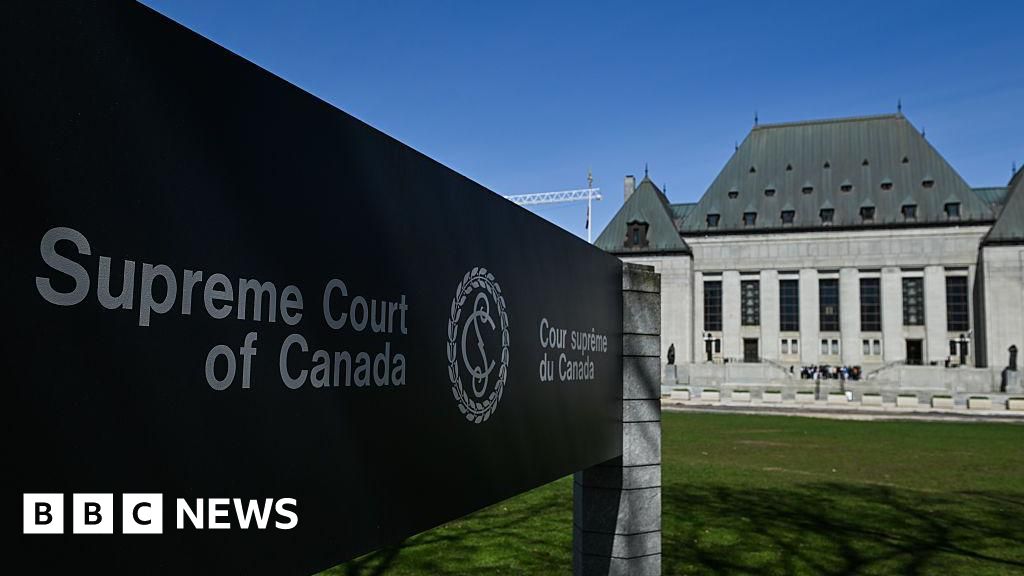
Canadian Religious Symbol Ban Sparks Constitutional Clash Among Youth

In a significant development within the ongoing struggle between secularism and religious freedom, Quebec’s provincial government has formally brought its controversial law regulating religious symbols to the Supreme Court of Canada. This move marks a pivotal moment in the constitutional debate over individual rights, provincial autonomy, and the limits of government authority in cultural and religious expression. The legislation, often dubbed as the “Religious Symbols Law,” mandates restrictions on public employees in positions of authority from wearing religious symbols, including hijabs, turban, and crosses, aiming to promote secularism within state institutions.

As the case advances to Canada’s highest judicial body, legal analysts and international observers acknowledge its profound geopolitical impact. The law is not merely a provincial matter but a flashpoint in broader debates that resonate across national borders—especially in nations facing similar conflicts over multiculturalism, identity, and religious expression. Opponents argue that the legislation infringes on fundamental freedoms guaranteed under the Canadian Charter of Rights and Freedoms, particularly the rights to religious expression and freedom of conscience. Supporters contend it is a necessary step to preserve the secular nature of Quebec and uphold societal cohesion amidst increasing diversity.

Prominent international organizations, such as the United Nations, have voiced warnings about potential human rights implications, while critics from various legal and civil society groups view the law as a manifestation of rising anti-immigrant and anti-minority sentiments. Historians like Dr. Emily Thompson suggest that the case echoes past cultural conflicts within Quebec, which has long grappled with its identity amid a mosaic of religious and cultural influences. The legal battle is also illustrative of the rising tide of nationalistic movements across the world, where governments assert sovereignty and cultural integrity in the face of global pressures. The Supreme Court’s ruling will not only determine the fate of this legislation but will also influence how governments across the globe navigate personal freedoms versus state secularism.

The decision at hand carries the weight of history, with every juridical word potentially shaping the societal fabric of Canada for generations. As the court prepares to deliver its verdict, the world watches—a stark reminder that the choices made today in courts and parliaments are often the ones that forge the enduring narratives of nations. Will this legal confrontation reinforce Quebec’s cultural sovereignty or trigger broader constitutional debates across entire liberal democracies? The outcome remains uncertain, but the message is clear: the fight over religion, identity, and state power is far from over, and history stands at a decisive crossroads.
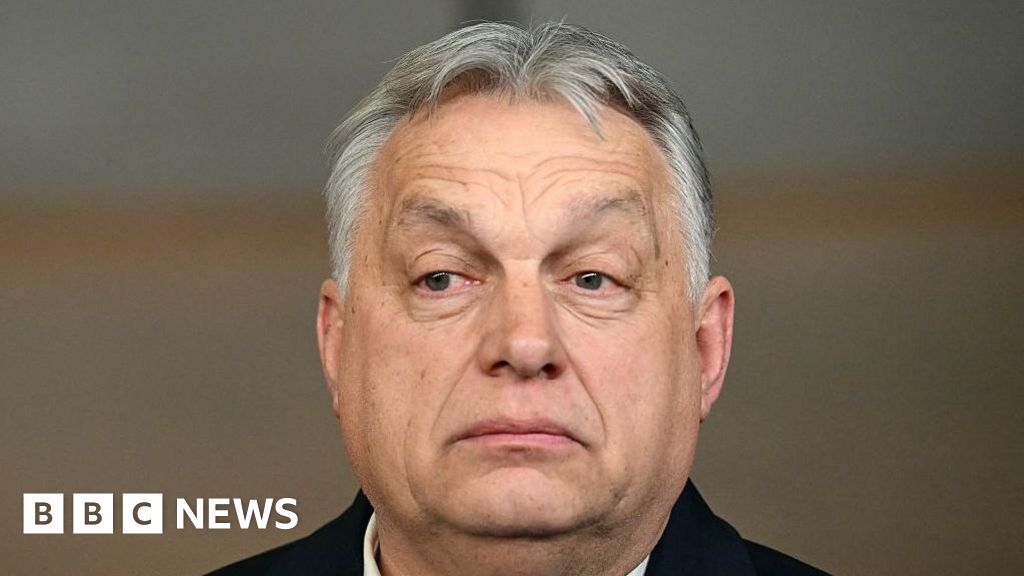
Orbán’s Ukraine Loan Veto Sparks Allegations of Disloyalty and Blackmail

The geopolitical landscape in Eastern Europe has taken a sharp turn as Hungary announced a critical precondition for the release of international funds: the urgent repair of a pipeline vital for energy security. This pipeline, which transports Russian oil through Ukraine to Hungary, has become a focal point in the ongoing tug-of-war between energy independence and geopolitical influence. The move underscores Budapest’s assertion of national sovereignty amidst broader regional tensions and signifies the complex interplay of energy security, Russia’s influence, and European unity.

The Hungarian Prime Minister clarified that no financial aid, whether from the European Union or other international sources, would be dispensed until the pipeline’s deficiencies are addressed. This stance echoes *a broader pattern of Hungary asserting its independence from Brussels-led policies*, especially in matters relating to energy and foreign policy. Energy analysts and international organizations emphasize that this pipeline is a critical artery, shaping not only Hungary’s economy but also the delicate balance of power in the region. The pipeline’s repair becomes emblematic of Hungary’s strategic intent to safeguard national interests, even if it means bucking collective European decisions.

Historians and geopolitical analysts warn that such unilateral moves risk eroding solidarity within the European Union, highlighting the underlying tensions between national sovereignty and supranational governance. The pipelines through Ukraine are especially sensitive given the recent escalations in Russia-Ukraine relations, which have profoundly affected energy routes and supplies. By demanding repairs before funds are released, Hungary effectively positions itself as a key negotiator in regional energy diplomacy, challenging broader Western efforts to isolate Moscow through sanctions and economic measures. This decision, framed by Budapest as a necessity for national self-preservation, aligns with a strategic pattern of resistance against external pressures.

The international community faces a critical juncture: either continue to enforce collective sanctions and unified energy policies or accept that regional independence movements could fracture the West’s unified front. The repair of the pipeline, which has been compromised due to deteriorating infrastructure and recent geopolitical tensions, symbolizes a broader message. *It is a declaration that national interests may override collective commitments, that regional stability hinges on the willingness of individual nations to assert their autonomy.* The implications extend beyond Hungary’s borders, affecting the delicate web of alliances, energy supplies, and economic stability across Europe. As global attention turns toward this unfolding crisis, analysts warn that the decisions made today will reverberate through history, shaping the geopolitical contours of the continent for generations to come.

In this charged atmosphere, the fate of the pipeline becomes more than a matter of energy; it is a symbol of sovereignty, resilience, and the unyielding pursuit of national interest in a fractured world. As European leaders, Washington, and Moscow observe, the decisions made in Budapest could spark a new chapter—one where alliances are tested and the very fabric of international cooperation hangs in the balance. The story of this pipeline, and the strategic moves surrounding it, is a stark reminder: history is not merely written in grand treaties or battles, but in the quiet, relentless assertion of independence amid a storm of global upheaval.

Iran conflict sparks fresh energy crisis for Europe—will our youth bear the burden?

In a remarkable declaration last week, Italian Prime Minister Giorgia Meloni articulated a concern shared by many European leaders: the escalating crisis in the Middle East has profoundly impacted the continent’s energy landscape. As tensions intensify across this volatile region, Meloni emphasized that “the issue of energy prices has clearly become even more important”. Her call for the urgent suspension of the European Emissions Trading System (ETS) for electricity production signifies a pivotal moment in European energy policy, amid rising fears of instability destabilizing global energy markets.

This move, supported by other EU member states, underscores a broader geopolitical strategy influenced by the ongoing conflict, which has increasingly highlighted Europe’s dependence on Middle Eastern energy supplies. While the EU has long championed its climate commitments and carbon reduction goals, the current crisis illustrates the fragility of these ambitions in the face of geopolitical upheaval. European leaders** are now grappling with a fundamental dilemma: balancing the urgent need for reliable energy supplies against long-term environmental commitments. This debate reveals a deeper shift in global priorities, where energy security is emerging as a top concern rather than solely the pursuit of green policies. Analysts point out that recent disruptions—whether through increased prices, supply chain interruptions, or geopolitical tensions—threaten the stability of the European economy and societal welfare. How decisions are made today will shape the resilience of Europe’s energy infrastructure and influence the political landscape for years to come.

Throughout this crisis, international organizations and historians have been weighing the significance of this turning point. The International Energy Agency has warned that the current situation underscores the need for a diversified and strategic approach to energy security, emphasizing that reliance on volatile regions can expose nations to geopolitical risks. Meanwhile, scholars specializing in global conflicts observe that the Middle East’s turmoil is not merely a regional issue but a catalyst for profound global realignments. Europe’s potential shift away from stringent climate policies towards pragmatic energy measures could serve as a blueprint for other nations facing similar geopolitical pressures. Yet, critics argue that relaxing environmental standards risks undoing decades of progress in combating climate change, creating a dilemma that will require careful navigation.

The geopolitical landscape is being reshaped as nations respond to this crisis. The United Stateshas reinforced its diplomatic and military presence in the region, seeking to stabilize critical energy corridors and prevent further escalation. China has shown strategic interest in increasing its influence, attempting to fill vacuum spaces that may widen as Western powers recalibrate their alliances. Meanwhile, Russia continues to leverage its energy resources as a geopolitical tool, aligning with certain regional actors to extend its influence while challenging Western-led initiatives. Such moves have profound implications for global energy markets and the balance of power. The decisions taken today could determine whether the world treads a path toward greater stability or plunges into deeper conflict.

As the world stands at an inflection point, the narrative of this crisis is far from over. The choices made by European leaders—by the European Union and individual nations—will be etched into history. The ongoing tension between environmental ambitions and energy security exemplifies the complex layers of globalization and geopolitics that define our era. In this delicate dance, where the stakes are nothing less than the stability of nations and the future of societies, the curtain has yet to fall. The unfolding chapters hint at a future where geopolitical conflicts could reshape the very backbone of the global order, leaving us all to wonder: how will history judge our response to this pivotal moment?

Rohan Dennis’ Porsche Post Sparks Outrage After Wife Melissa Hoskins’ Tragic Death in South Australia

In recent days, Australia has been rocked by a troubling controversy involving Olympic cyclist Rohan Dennis, whose social media activity has once again ignited debate over accountability, public image, and societal values in the digital age. Dennis, a celebrated athlete known for his remarkable achievements—two world titles in road time trials and Olympic medals—was convicted nearly a year ago for a tragic incident that claimed the life of his wife, Melissa Hoskins. Hoskins, a renowned cyclist who competed at the highest levels, was fatally struck by Dennis’s vehicle near their home in Medindie, Adelaide. The incident underscores the ongoing struggles of public figures navigating personal guilt amidst a society increasingly polarized by issues of responsibility and moral conduct.

Critics and victims’ rights advocates have expressed profound dismay at Dennis’s recent social media posts, which have been perceived as callous and tone-deaf. His latest Instagram story, which displayed a Porsche described as an “absolute weapon,” and accompanying captions—moreover, the use of the song Fancy $hit—appeared to trivialize the serious nature of the tragedy. South Australia’s commissioner for victims’ rights, Sarah Quick, publicly condemned the post, describing it as “deeply offensive” and highlighting that such remarks demonstrate “a clear lack of insight into the real and lasting impact of the harm” inflicted on Hoskins’s family. These comments reflect a broader societal concern about a failure to respect victims and their loved ones, raising fundamental questions about empathy and moral accountability in the digital era.

The incident that led to the tragedy is layered with legal and ethical complexities. Dennis was sentenced last May to a 17-month suspended sentence and was ordered to pay a fine, with his driver’s license suspended for five years. During his sentencing, Judge Ian Press acknowledged Dennis’s sense of responsibility but clarified that he was not charged with causing Hoskins’s death—who had jumped onto the car’s bonnet before falling off and being tragically run over as Dennis drove away. The court emphasized the inherent dangers of such reckless acts, reiterating that “driving at any speed when a person was on the bonnet was ‘an inherently risky and dangerous act’.” Critically, this incident illuminates the dangerous complacency that can develop in the minds of those insulated by fame and privilege, often at the cost of societal morality and justice.

From an international perspective, analysts suggest that this case exemplifies how individual actions within a society’s moral fabric can have sweeping geopolitical implications. Critics argue that if the public perceives a disconnect between athletes’ personal conduct and societal expectations, it erodes trust and respect for institutions designed to uphold justice. Historians like Samuel P. Huntington and contemporary think tanks have warned that the erosion of shared moral values can threaten social cohesion and breed cynicism toward authority. Dennis’s case, and the public’s reception of his behavior, are grappling with these issues, as societies worldwide confront the challenge of holding public figures accountable in the age of social media. As Dennis deletes his Instagram account, the incident leaves a stark reminder that, regardless of athletic achievement, moral integrity remains a vital measure of a person’s legacy. How nations respond to such crises will mark their commitment to justice, respect for victims, and societal resilience in a rapidly changing world.

As history continues to unfold, the weight of this tragedy lingers—an indelible reminder that actions, no matter how publicly celebrated or privately concealed, cast long shadows. Whether society’s collective conscience will prioritize justice and empathy or succumb to apathy and cynicism remains to be seen. In a world where individuals like Dennis can momentarily captivate attention, the true test lies in how societies choose to confront their darkest moments—because, in the end, the chapters of history are written not only by the powerful but also by the moral courage of their societies.

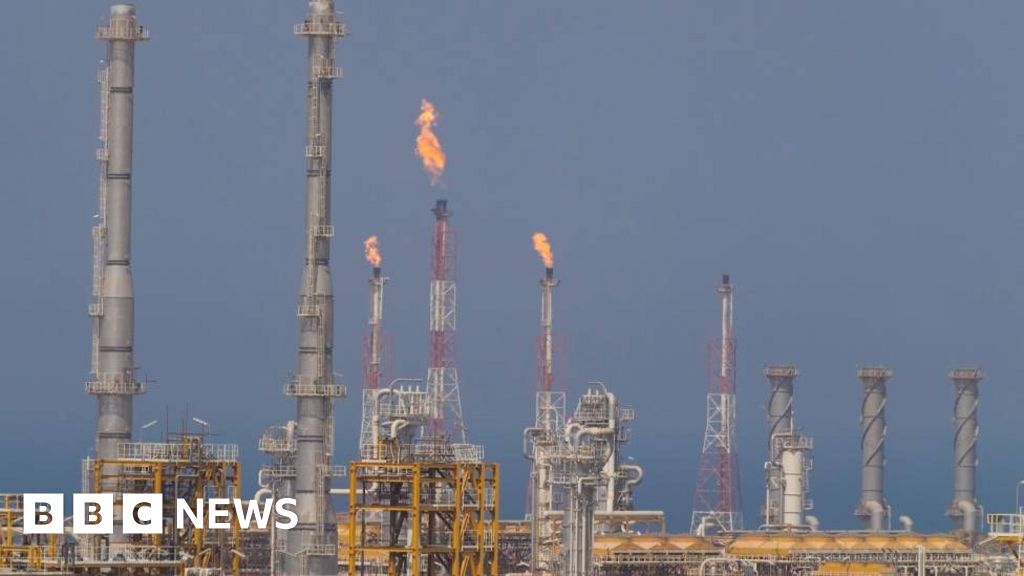
Oil and Gas Prices Climb as Gas Field Strike Sparks Concern

Global geopolitical stability is once again in jeopardy as an unnamed nation issued a stark warning regarding potential attacks on its critical infrastructure. According to a statement released by its military, the country is prepared to unleash a powerful counterattack not only against those who initiate aggression but also directly target the origin of the attack itself. The message, disseminated through the state-backed Tasnim news agency, underscores an escalating phase of confrontation that could have far-reaching implications for international peace and security.

This warning comes amidst a broader context of mounting tensions between the United States, allied with Israel, and regional powers. Historically, analysts like Dr. Emily Carter of the International Crisis Group have warned that such rhetoric indicates a potential shift toward a more aggressive stance, risking wider conflict in a highly volatile region. The nation’s declaration explicitly frames the conflict in terms of defending sovereignty against what it labels as an American-Zionist enemy. This terminology reflects ongoing narratives pushed by certain governments seeking to galvanize national sentiment and justify military readiness. The geopolitics at play are complex, with regional alliances, economic sanctions, and intelligence strategies all intertwining to shape the current climate of distrust and hostility.

Significant international organizations, including the United Nations, have expressed concern over the recent escalation, urging restraint and diplomatic dialogue. However, critics argue that such appeals often fall on deaf ears in the face of entrenched national interests and ideological commitments. According to analysts, if the region experiences a new outbreak of hostilities, the consequences could include widespread instability, humanitarian crises, and a potential realignment of international power structures. Some experts warn that a failure to de-escalate could spiral into a broader conflict involving multiple global powers, reminiscent of the critical moments that tipped the world toward previous wars.

As history continues to unfurl in rapid and unpredictable ways, the stakes have never been higher. A nation’s warning, veiled in defiance and resolve, serves as a stark reminder that the decisions made today will echo through the corridors of history. Future generations will judge whether diplomacy or destruction prevails—yet, for now, the world holds its breath, watching as the narrative of power, resistance, and survival is woven into the loom of history. The question remains: will this be a new chapter of peace or the harbinger of renewed tumult? Only time will tell, but the weight of this moment is indelible—a stark testament to the unpredictable nature of the geopolitical chess game in an increasingly fractious world.

Iran’s Ali Larijani Killed in Airstrike, Israel Claims—Youth Voice Sparks Tensions

In a brutal escalation of the ongoing conflict between Israel and Iran, reports reveal the assassination of a pivotal figure within Iran’s political and security hierarchy. According to Israeli officials, Ali Larijani, the former speaker of parliament and a key diplomatic negotiator, was targeted and killed in overnight strikes. If this claim proves true, it marks a historic moment — being the most senior Iranian figure to die since the death of Supreme Leader Ali Khamenei at the beginning of this brutal war. Larijani’s strategic importance stemmed from his role as a bridge between Iran’s military and political branches, and his death signals a decisive blow to Iran’s internal command structure at a time of profound crisis.

Adding to the tension, Israel’s defense minister, Israel Katz, announced the killing of Gholamreza Soleimani, commander of the Basij paramilitary force, alongside other senior figures. These targeted killings echo a campaign that appears designed to dismantle Iran’s leadership from within, undermining regime resilience and further complicating diplomatic efforts. Analysts warn that such targeted assassinations could intensify Iran’s resolve, potentially plunging the region into an even deeper abyss of violence. The international community, including organizations like the UN, has expressed concern over the legality and morality of these operations, with some regional allies calling Israel’s actions a violation of international law. Nevertheless, Israel claims these actions are a necessary response to Iran’s ongoing aggression and its role in arming proxy groups across the Middle East.

Western leaders, especially former US President Donald Trump, have seized upon these developments, asserting that the deaths will cripple Iran’s ability to wage war. Trump’s statements hint at a strategic hope that removing Iran’s top leadership will deliver a decisive blow to Tehran’s war efforts and perhaps herald a path toward regime change. However, regional and global security analysts caution that removing high-ranking officials often causes power vacuums, leading to unpredictable and potentially more destructive conflicts. Nevertheless, these covert and overt strikes demonstrate the extent of Israel’s intelligence capabilities and the US’s near-unilateral control over Iranian airspace, giving them a unique advantage in shaping the battlefield long before ground troops move.

The deaths of Larijani and others—if verified—will have a profound geopolitical impact. Iran’s leadership has long been characterized by a mix of pragmatists and hardliners, with Larijani traditionally seen as a moderating influence capable of diplomacy. His recent shift to a more hardened stance following US and Israeli strikes suggests a potential push toward escalating conflict rather than de-escalation. Furthermore, his role as a key nuclear negotiator signaled Iran’s efforts to engage with Western powers, but the current targeting indicates that diplomatic pathways are rapidly closing. The ripple effects will likely influence global energy security, with the Strait of Hormuz remaining largely shut or contested, threatening a surge in oil prices and destabilization in global markets.

This chapter in history is still being written, and the weight of the past looms large as recent hours underscore the catastrophic potential of this conflict. With Iranian leaders calling for revenge and Israel’s government resolute in its military campaign, the danger of escalation remains acute. As historians and international strategists watch this unfolding tragedy, one thing is unmistakably clear: the path of war once initiated leaves a trail of chaos, transforming the sands of the Middle East into the battleground of a new Cold War. The world enters a tense new era where every strike, every death, and every decision could set into motion a chain of events that will determine the future stability of the region—and, perhaps, the world itself.

Teacher Banned for Sending £500 to Former Student, Sparks Debate on Boundaries

The Significance of Professional Conduct in Shaping Society’s Future

In recent developments reflecting ongoing concerns about professional integrity in education, a panel concluded that geography teacher Roger Towersey’s behavior was “clearly unprofessional”. While at first glance this might seem a localized incident, it underscores the broader societal implications of maintaining moral standards within our institutions, especially those that influence shaping future generations. Teachers serve not only as conveyors of knowledge but as role models who embody community values, ethical standards, and social responsibilities.

When educators deviate from expected professional conduct, the ripple effects extend far beyond the classroom, impacting families, community cohesion, and societal trust. As sociologists like Daniel Bell have argued, societal stability depends heavily on the moral frameworks upheld by its institutions. A breach of professionalism by a teacher can subtly erode the foundation of respect and authority necessary for effective education, leading to a \”culture of disengagement\” among students and undermining efforts to foster civic responsibility. For families, especially those from communities facing social upheaval or economic hardship, the conduct of teachers becomes a reflection of societal priorities and values.

The Challenge of Upholding Standards in a Shifting Cultural Landscape

In an era marked by rapid social change and cultural tension, schools are increasingly battlegrounds for broader societal debates about morality, identity, and authority. The incident involving Mr. Towersey highlights the importance of clear standards and accountability measures. As education historian Dr. Lisa Mendelson notes, the erosion of professionalism among teachers can mirror larger societal shifts where moral clarity is often compromised in the face of political or cultural pressures. Institutions must now balance respect for individual expression with the need for disciplined and ethical conduct to ensure the safety and well-being of students and staff alike.

Moreover, demographic changes and increased diversity propel the necessity for culturally competent professionalism. Schools serve increasingly heterogeneous communities, where maintaining consistent standards requires educators to navigate complex social dynamics while fostering inclusive environments. Failure to do so not only hampers student learning outcomes but also exacerbates tensions among community groups. The challenge lies in reinforcing a shared sense of moral responsibility that resonates across diverse cultural backgrounds, ensuring that social cohesion is preserved amid societal divisions.

Building Resilient Communities Through Educational Integrity

The family unit remains the cornerstone of society, yet its strength is closely tied to the quality and moral fabric of local institutions, including schools. When educators falter, it sends ripple effects into family stability and community resilience. To confront this challenge, many social commentators advocate for a renewed emphasis on ethical training and stricter accountability. These measures aim to reinforce the moral foundation of teaching professions, recognizing that educators are vital catalysts for societal renewal. It is through their integrity that families find stability, and communities foster hope for future generations.

  • Implementing comprehensive professional development programs focused on ethical conduct.
  • Expanding oversight and accountability frameworks for educators.
  • Encouraging community involvement in school governance to enhance transparency and trust.

As society continues to evolve, the role of educators as moral anchors becomes ever more critical. History and social theory remind us that the health of a society can often be measured by the integrity of its teachers and the standards they uphold. The incident involving Mr. Towersey signals a call to action: to reaffirm our commitment to fostering an environment in which respect, responsibility, and moral clarity are at the heart of education. In doing so, communities may yet find renewal amid adversity, transforming challenges into an opportunity for societal growth—a testament to the resilience of a society determined to learn from its shortcomings and build a brighter, more unified future.

Lack of Iran War Plan Sparks Chaos, Threatens U.S. Military Future, Critics Warn

Escalation in the Middle East: A Turning Point in Global Power Dynamics

The recent conflict between the US and Iran has erupted into one of the most significant military interventions in the Middle East since the 2003 Iraq invasion. Under former President Donald Trump, the US launched overwhelming strikes aimed at toppling Iran’s leadership, marking a decisive shift from prior diplomatic efforts. Yet, as the military campaign unfolds, critics and analysts alike are warning that the aftermath could reshape the geopolitical landscape for decades to come, with ripple effects touching societies from Tehran to Washington, and extending globally.

The initial strikes caused devastating casualties, including the tragic death of 175 civilians in a girls’ school—an incident attributed to flawed targeting data, emphasizing how chaotic and unpredictable modern warfare has become. Iran’s military swiftly responded with a barrage of missile attacks, some of which disrupted regional stability by targeting US military assets in Kuwait and provoking firefights with drone strikes. The US military’s response, including the loss of six personnel, underscores the unexpected intensity and volatility of this conflict. Military analysts like Philip Gordon have noted that comprehensive planning was absent or incomplete at best, and the chaos seen thus far is consistent with the tactics Iran has historically employed—targeting neighbors and closing the Strait of Hormuz, a choke point vital to global oil supplies.

One of the most concerning turning points is the US decision to shift strategies from eliminating Iran’s nuclear ambitions to focusing heavily on opening the Strait of Hormuz. This strategic pivot, driven by economic imperatives—namely soaring oil prices—has injected an unpredictable element into an already complex conflict. As Michael Singh of the Washington Institute points out, each of these shifting objectives would require distinct military plans. Now, with Iran exercising its sovereign rights to blockade and threaten maritime trade, the risk of a protracted, globalized war looms large. The geopolitical impact here is profound—potentially dragging the US into a long, costly conflict that could diminish its military dominance and reshape alliances overnight.

Internally, US decision-making has been marred by prioritization of operational security over strategic coherence. The Trump administration’s efforts to bypass traditional diplomatic channels and excluded extensive planning with key agencies reflect a reckless approach, critics argue. This approach risks spreading resources thin, straining military capabilities across Asia and the Middle East—areas where adversaries like China and North Korea remain formidable threats. As Jennifer Kavanagh warns, the long-term consequences will likely include a significant erosion of US military power projection—an outcome that could alter global power balances for generations. The situation, as noted by historians and security analysts, resembles a critical historical juncture—one where decisions taken in the heat of momentous conflict could either cement US dominance or hasten its decline amid a shifting world order.

As this chapter in history continues to unfold, it leaves the international community at a crossroads—facing moral dilemmas, strategic ambiguities, and uncertain futures. The echoes of past interventions linger, warning that the pages of history often mark the beginning, not the end, of long-lasting global transformations. In the shadows of this chaos, the weight of present choices determines the course of the future—whether nations will find themselves embroiled in decades-long conflict or forge a new path toward stability. Time will tell if this is yet another turning point or the prelude to a darker chapter in the saga of international power.

Birmingham bin strike sparks concern: what's behind it and when will trash be back? | Birmingham
Birmingham bin strike sparks concern: what’s behind it and when will trash be back? | Birmingham

Society in Crisis: The Birmingham Bin Strike and Its Social Impacts

Over a year has passed since the bin workers of Birmingham initiated an all-out strike, leaving the city engulfed in overflowing waste and mounting health concerns. This protracted dispute is emblematic of wider societal issues rooted in economic austerity, social inequality, and the erosion of traditional community institutions. As the UK’s second-largest city struggles under the weight of uncollected rubbish, the ripple effects are felt most acutely by families and vulnerable populations, exposing the fragility of social cohesion and the growing divide within urban communities.

At the heart of the conflict lies a debate over pay cuts, job roles, and the financial burdens faced by local government. The union, Unite, claims that proposed changes threaten workers’ safety and threaten to strip hundreds of pounds from their annual income. Conversely, city officials cite the specter of costly equal pay claims and financial instability as reasons for their stance, a consequence of recent bankruptcies and austerity-driven policies. Sociologists like Robert Putnam warn that such economic strains threaten social capital, eroding trust and cooperation necessary for vibrant communities. As negotiations falter, citizens bear the brunt—mothers with children, the elderly, and low-income families—who are now coping with the unsanitary conditions that threaten their health and safety.

Impact on Families and Communities

The social fabric of Birmingham is unraveling under the weight of uncollected waste. Public health crises emerged—mountains of rubbish, rat infestations, and maggots—highlighting how hampered waste collection disrupts daily life. Communities in affluent areas managed to keep their streets cleaner, disproportionately benefiting those with resources and social capital, while marginalized neighborhoods faced the worst. Such disparities underscore the widening social divide and the destabilization of shared spaces that traditionally foster community ties.

  • The city declared a major incident amidst overflowing bins, endangering residents and intensifying fears surrounding sanitation and disease.
  • The disruption has fractured trust in local governance, fueling political upheaval—mayoral elections loom, with new administrations potentially eager to restore order and social stability.
  • Families are disproportionately affected, with children exposed to increased health risks, compounding existing inequalities and social tensions.

This scenario echoes social theorists’ warnings about the corrosive effects of prolonged social neglect, and highlights how essential community institutions are in maintaining societal resilience. Without proactive engagement and social safety nets, disparities deepen, threatening the very cohesion that sustains urban life.

Hope for Renewal and societal transformation

Despite the bleak narrative, there remains a glimmer of hope—a societal recognition that addressing the root causes of such conflicts is imperative for future stability. Sociologists argue that restoring trust hinges on genuine dialogue, accountability, and shared commitments to rebuilding community resilience. The upcoming local elections could serve as a catalyst for change, signaling whether Birmingham’s leadership will prioritize social equity, transparency, and investment in public services.

In this frontier of social challenge, the community’s story is not solely one of decline but also resilience. It is an invitation—perhaps even a moral call—to society’s leaders and citizens alike—to reimagine a city where dignity, health, and shared responsibility are renewed in the face of adversity. As history has shown in moments of crisis, the strength of a society lies not in the absence of challenges but in its capacity for reflection and renewal. Birmingham’s struggle with its waste crisis, therefore, becomes a mirror—reflecting our collective need to forge social bonds and restore trust, lest society itself become buried under the weight of its neglect.

iPad Air 2026: The M4 Power Surge Sparks a New Era for Youth Tech

Apple’s Strategic Chip Bump in the New iPad Air: What It Means for the Future of Tech Innovation

The latest iPad Air introduces a significant leap forward through a trio of upgraded chips: the M4 processor, the C1X cellular modem, and the N1 chip. These developments mark an intentional effort by Apple to extend its dominant position in the tablet market by refining performance and connectivity without radically altering form factors. While benchmarks show a modest 20-25% speed increase over the M3-powered Airs, industry experts recognize that real-world differences often remain subtle—yet the ripple effects across the industry are anything but minor.

Innovation and Disruption Driving Market Shifts

The chip bump strategy exemplifies a broader industry trend of incremental innovation that leverages hardware improvements for enhanced longevity and business efficiency. Apple’s approach—refining a proven product with targeted upgrades—stands in stark contrast to radical innovation cycles seen in other sectors, yet it effectively sustains consumer interest and operational margins. Gartner analyst Ian Wang notes, “Such strategic updates prevent obsolescence, fostering customer loyalty while pushing competitors to prioritize disruptive breakthroughs.”

Crucially, the C1X cellular modem signals a deliberate pivot towards enhanced mobile connectivity. Early testing indicates these devices outperform recent smartphones in adverse conditions, making the iPad the definitive mobile productivity tool. This is a strategic disruption,” argues industry analyst Mark Davis, “where Apple is not only satisfying existing demand but setting new standards for portable, always-connected workflows.”

Business Implications for Industry Players and Consumers

Within this context, the industry faces significant industry-wide ramifications. The continuation of refined hardware—focused on efficiency, connectivity, and seamless integration—presents an obstacle for emerging competitors as well as established rivals like Samsung and Microsoft. Apple’s incremental yet strategic enhancements suggest a business model built on durability and scalability, where faster chipsets prolong device lifecycles, ultimately challenging the paradigm of rapid tech refresh cycles.

  • Pros: Superior performance in key tasks, extended device life, and improved network capabilities.
  • Cons: Marginal performance differences for average users, persistent limitations such as base storage and display refresh rates, which reflect deliberate cost-optimization.

As Peter Thiel often emphasizes, “In tech, breakthroughs are often sterile, but incremental progress combined with ecosystem dominance can be more disruptive long-term.” Consequently, this market evolution reinforces the importance of strategic investment in hardware that emphasizes not just raw power but also connectivity, security, and ecosystem control.

Looking Ahead: The Urgency of Innovation and Market Readiness

The iPad Air’s chip upgrades demonstrate Apple’s keen focus on building an ecosystem that is resilient and future-proof. The enhancements hint at an era where hardware becomes increasingly invisible but indelibly impactful, underpinning a new wave of enabled, connected lifestyles. Industry insiders like MIT’s Center for Future Computing warn, “failing to keep pace with such nuanced but critical improvements risks obsolescence not just for Apple but for the entire connected device market—an industry where rapid disruption determines future dominance.”

In a landscape characterized by rapid technological shifts, the urgency for companies and consumers to stay ahead is clear. Innovation, disruption, and strategic agility will define the next decade. The rising tides of hardware enhancement and connectivity benchmark new standards—those who adapt swiftly will position themselves at the forefront of this new era, while complacency invites obsolescence. The question remains: how will you leverage this wave of innovation to stay competitive in tomorrow’s tech landscape?

Social Media Auto Publish Powered By : XYZScripts.com