Matox News

Truth Over Trends, always!

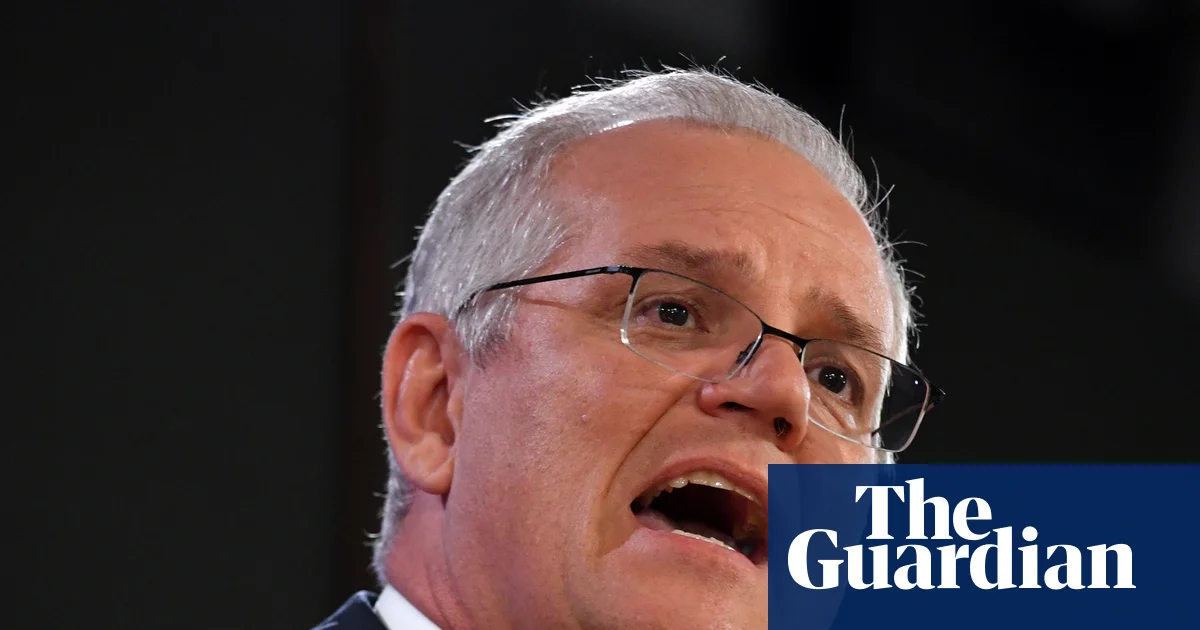
Morrison Criticized for Misguided Attack on Religious Freedom After Islam Speech

Global Impact of Sovereign Decisions: Australia’s Religious Policy Debates As a Microcosm of Rising Nationalist Tensions

In recent weeks, Australia has become a focal point for international attention as debates surrounding religious freedoms, national security, and identity converge with a rising tide of anti-immigrant rhetoric and nationalist sentiments. Former Prime Minister Scott Morrison ignited controversy by urging the implementation of a national register for imams and expanding frameworks to scrutinize foreign interference in religious communities. His proposals, rooted in a response to the 2019 Bondi terror attack, where two individuals inspired by Islamic State killed 15 innocents, have sparked fierce condemnation from Islamic groups and human rights advocates alike. This domestic debate over the regulation and supervision of religious figures is now reverberating across the international scene, where similar rhetoric fuels broader fears of societal fragmentation and geopolitical instability.

National Sovereignty and Religious Freedom Under Siege?

At the heart of Morrison’s argument lies a perceived necessity to address radicalization within Australian Muslim communities, aligning with a global pattern of governments seeking to tighten controls in the name of security. Morrison asserted that “recognized accreditation for imams, a national register, and clear training requirements,” are crucial steps toward safeguarding the nation. Yet, these proposals have been dismissed by Muslim leaders as “reckless, deeply offensive, and profoundly dangerous.” They warn that such measures threaten to undermine fundamental ideals of religious freedom and equality before the law, echoing similar debates across Europe and North America where government overreach is often countered with fears of cultural erosion and social alienation.

International analysts, including scholars from the Atlantic Council, have emphasized that these kinds of policies often serve as a pretext for discrimination and social division. The Australian Federation of Islamic Councils (AFIC) and other representatives vigorously oppose Morrison’s call, affirming that Islamic teachings do not endorse violence and that criminal acts are committed by individuals, not entire communities. Their stance echoes a broader international narrative: the reckless conflation of criminality with faith feeds dangerous stereotypes, undermining efforts to foster social cohesion—an issue that extends beyond Australian borders.

The Geopolitical Ramifications and a Fragmented Future

The case of Australia exemplifies a larger, emerging pattern: national governments increasingly view identity politics and social control as tools for maintaining sovereignty amid global upheaval. As China continues to expand its influence in the Indo-Pacific and Russian seeks to weaken Western alliances, states are recalibrating their internal policies for perceived vulnerabilities—particularly concerning external influence in religious and cultural spheres. Historians warn that if such policies are weaponized, they risk igniting conflicts that threaten regional stability and global order.

For instance, the United Nations and international human rights organizations are increasingly concerned with how such measures may undermine international norms—especially those protecting freedom of religion and the rights of minorities. As nations like France and Germany grapple with their own Muslim populations, the precipitous rise of anti-immigrant policies indicates a fragile global landscape where the thin veneer of multiculturalism is under threat.

Looking Ahead: History’s Unfinished Story

As Australia navigates its internal social debates amidst a volatile international order, the underlying questions about sovereignty, security, and cultural identity remain unresolved. The decisions made today—whether to broaden surveillance or protect traditional freedoms—are shaping the framework of societies that will bear the long-term consequences of this tumult. History warns us that when nations prioritize security over liberty, fractures deepen, and the risk of societal collapse grows.

The weight of history presses upon the present: the struggle to balance national security with respect for individual rights continues to define the arc of civilization. As Australia charts its course amid rising social tensions and geopolitical upheaval, the world watches, aware that the outcome will echo far beyond its shores—sculpting the next chapter of global history, where each decision could either fortify unity or unravel the fragile fabric of multicultural societies, leaving a legacy of division or resilience dramatically etched in the annals of the future.
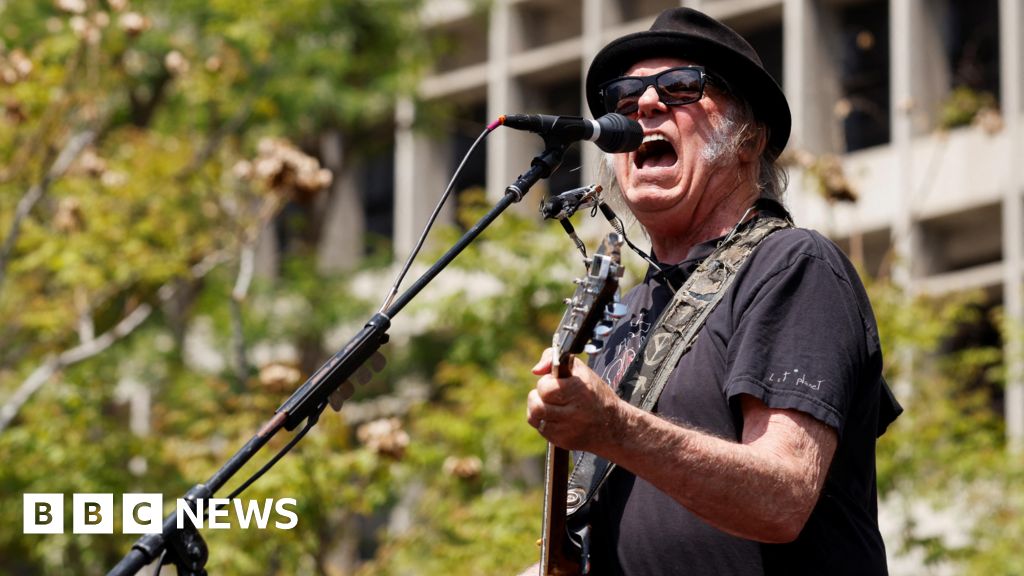

Neil Young gives Greenland free access to his music—free speech and free tunes for the youth energy

In an unexpected move contrasting the tumultuous global political landscape, Canadian-American rock legend Neil Young has extended a symbolic gesture of peace towards the people of Greenland. Young’s offer of a year’s free access to his vast archives aims to *ease some of the unwarranted stress and threats* allegedly emanating from President Donald Trump’s administration concerning the strategic and resource-rich Arctic territory. This act of cultural diplomacy arises amidst escalating geopolitical tensions involving U.S. interests in the Arctic, a region increasingly pivotal in international power struggles, dominated by the *race to control diminishing ice-bound resources*. Analysts emphasize how these cultural stands shape, or are shaped by, broader geopolitical shifts, underscoring the profound impact such actions have on the perception of global diplomacy and sovereignty.

President Trump’s recent threats, initially signaling intentions to pursue annexation of Greenland for *national security reasons*, sparked widespread controversy, including diplomatic warnings from Denmark, which retains sovereignty over Greenland. Although Trump later backtracked, proposing *“immediate negotiations”* instead of force, his rhetoric revealed underlying ambitions to secure strategic footholds in the Arctic—an area regarded by many experts as the new frontier of geopolitical influence. Historically, nations like Russia and Canada have flexed their military and economic muscles over the Arctic frontier, but the U.S. now appears to be aiming to shore up its position amid a shifting balance of power. Such decisions not only threaten regional stability but also raise questions of *sovereignty, resource access, and environmental impacts*—all of which define the geopolitical calculus of the 21st century.

International organizations and scholars warn of the *dangers of unilateral action* and the importance of diplomatic engagement. For example, the Arctic Council*, an intergovernmental forum promoting cooperation among Arctic states, has repeatedly called for peaceful dialogue rather than confrontation. Meanwhile, renowned historians such as Professor Margaret MacMillan highlight how moments like these could either lead to a new era of cooperation or escalate into open conflict, depending on how nations navigate their intertwined interests. Young’s symbolic gesture in Greenland is reflective of a broader cultural pushback against aggressive policies—an effort to influence public opinion and political discourse. His stance, representative of a segment of international civil society, underscores the importance of soft power in an era dominated by strategic competition.

As the spectacle of leadership and diplomacy unfolds, the weights of history press heavily upon the unfolding narrative. The potential for a *resurgence of Cold War-like tensions* over Greenland and Arctic resources signals that the stakes extend beyond mere territorial disputes, touching on *economic dominance, environmental sustainability, and global security*. The choices made today will echo through generations—shaping the future of international stability and the fate of societies caught in the crossfire. The world holds its breath as history’s pen continues to write itself into the fabric of geopolitics, reminding us all that in the game of nations, every move bears consequences that ripple across the new and ancient world alike.

NHS doctor suspended for alleged antisemitic social media posts—Concern rises among youth over hate speech

The recent suspension of Dr. Rahmeh Aladwan, a trainee in trauma and orthopaedics at the NHS, highlights a disturbing intersection of social media misconduct and the broader geopolitical tensions surrounding antisemitism in the digital age. The Medical Practitioners Tribunal Service (MPTS) in the United Kingdom placed her on a 15-month interim suspension amidst allegations that her online posts contained content supporting terrorist organizations such as Hamas, propagated antisemitic conspiracy theories, and even used Nazi imagery. These acts are not isolated incidents but are symptomatic of rising global concerns over hate speech and the erosion of social cohesion, especially within highly sensitive societal institutions like healthcare and law enforcement.

International observers and analysts are now wary of how such incidents ripple beyond the confines of national borders, affecting the public’s trust in institutions and the fabric of multicultural societies. According to prominent international organizations and senior historians, the proliferation of extremist rhetoric online, particularly when backed by figures within societal institutions, poses a serious threat to what national security experts term cultural stability. The case raises a pressing question: How should nations balance the right to free expression with the need to protect communities from hate and extremism? The GMC and MPTS have justified their cautious approach, emphasizing that Dr. Aladwan’s conduct could harm public confidence in the healthcare system and fuel social divisions—an outcome that transcends the UK and impacts the global image of medical professionalism amid geopolitical unrest.

This incident comes at a time when Western nations are grappling with their own internal divides, often exploited by those seeking to manipulate societal fears for political ends. As nations seek to clamp down on hate speech, the broader geopolitical impact becomes evident: policies regarding internationally proscribed organizations such as Hamas have become a flashpoint, affecting diplomatic ties and the fight against extremism. Many analysts warn that permitting unchecked hate speech under the guise of political debate; risks emboldening terrorist sympathizers and radicalizing segments of society, thereby undermining national security. Understanding these dynamics is crucial, particularly as civil rights advocates call for greater oversight, yet critics argue that overreach could threaten free speech and political dissent. The UK’s response, including the ongoing review of Dr. Aladwan’s case, underscores the delicate balancing act between safeguarding societal cohesion and respecting individual freedoms—an issue faced universally, from Europe to the Middle East.

Historically, societal shifts driven by extremism have often left a lasting scar on nations’ collective memories. As historians and international security analysts observe, the current wave of online radicalization mirrors past periods of societal upheaval, often leading to conflict, division, and loss of life. The unfolding case of Dr. Aladwan is, therefore, more than an isolated disciplinary action; it is a stark reminder that history is watching us, and the decisions made today could shape the geopolitical landscape for generations. The fight against hate and extremism is not merely a national concern but a chapter in the ongoing battle for global stability. As institutions examine their roles and responsibilities, the weight of history presses on regulators to carefully weigh free expression against the imperative to defend vulnerable communities. The world remains on a knife’s edge, with the echoes of past conflicts whispering that, in times of rising division, the choices of today may determine whether future generations will remember peace or be haunted by the shadows of extremism.

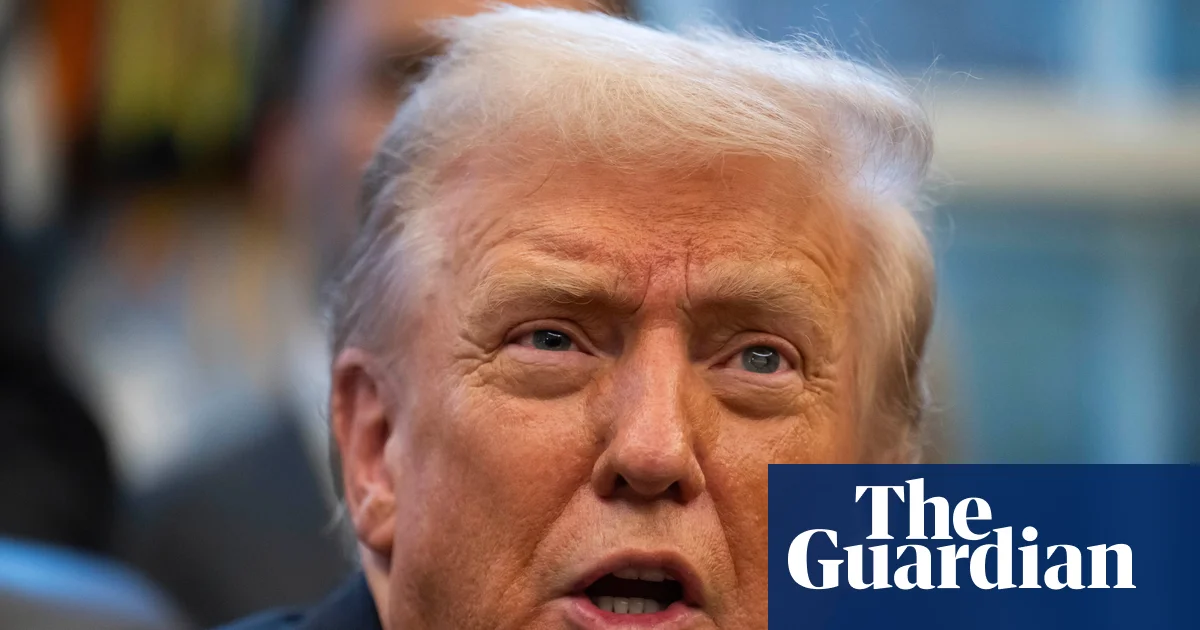
Trump vows to sue BBC over altered speech, claims duty to fight bias

Global Power Play: Trump versus BBC Sparks International Tensions

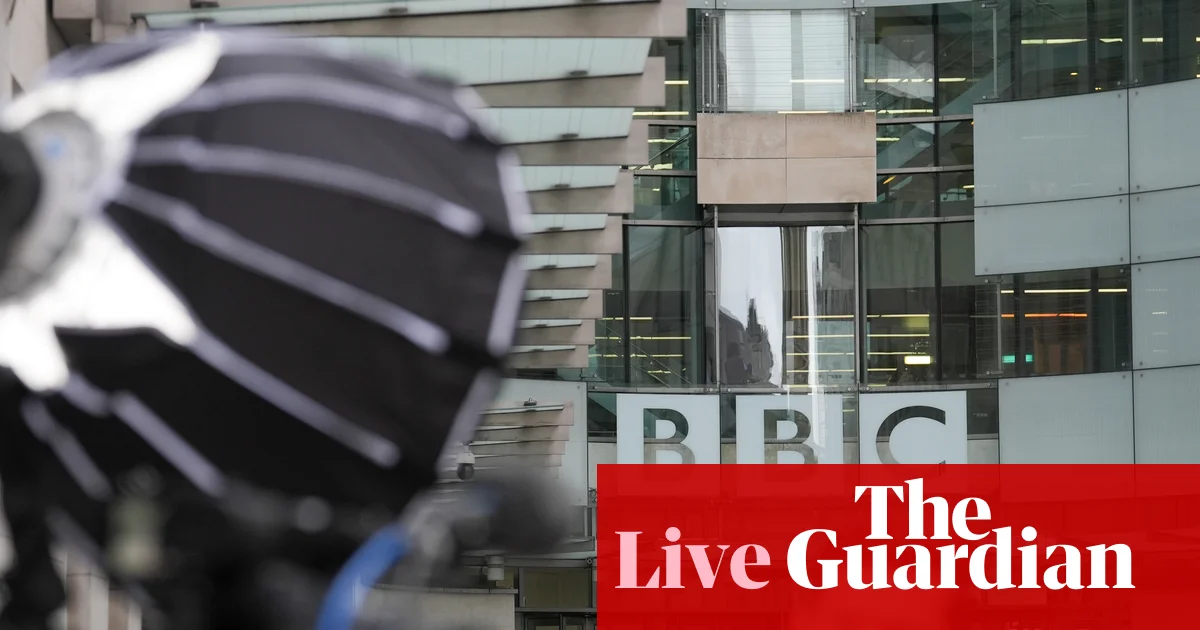
In a developing saga that underscores the enduring volatility of transatlantic relations, former U.S. President Donald Trump has declared his intention to pursue legal action against the British Broadcasting Corporation (BBC), igniting fears of a broader eroding trust between allied nations. The controversy centers around the BBC’s editing of a Panorama documentary that manipulated a speech Trump delivered on January 6, 2021. Trump claims the aired segment misrepresented his words, implying a call for violence—an assertion the corporation acknowledges, having issued an apology. However, the mere fact that this incident has escalated to a threatened billion-dollar lawsuit indicates how media narratives can swiftly morph into diplomatic flashpoints.

The repercussions extended beyond the courts, provoking a wave of shockwave effects within the British media landscape. The resignation of BBC Director General Tim Davie and Deborah Turness, the head of BBC News, has been widely interpreted as a sign of internal turmoil provoked by the controversy. Many analysts see this as a reflection of the deepening rift between free press principles and the rising tendency of political trivialization and weaponization of media. Critics within the BBC have expressed fears about the institution’s perceived bias, highlighted in recent internal memos—particularly one authored by former independent adviser Michael Prescott, which accused the corporation of liberal bias. Despite_counterarguments_html>representing historical issues, the controversy illustrates how the BBC’s credibility is increasingly scrutinized amid the shifting sands of international facts and narratives.

Geopolitical Impact: Transatlantic Tensions and the Future of Global Media

The upcoming legal showdown is expected to have profound geopolitical repercussions. While Florida’s legal landscape may not favor Trump’s claims, the case amplifies a larger narrative—one where national interests and media sovereignty increasingly collide. Experts warn that the dispute could set dangerous precedents, empowering political actors to wield the judiciary as a tool for controlling international narratives. It raises fundamental questions about who controls the truth and how societal consensus is shaped in an era of misinformation. International organizations, such as the United Nations, have repeatedly warned against weaponizing legal mechanisms for political ends, yet the trend persists. The controversy surrounding the BBC’s editing practices resonates beyond bilateral tensions, serving as a warning signal about the fragile balance between free speech, media integrity, and political influence.

Meanwhile, the British government faces increasing pressure to defend its sovereignty against not only domestic internal strife but also external accusations of bias and manipulation. The rising tide of populist nationalism across Europe and North America underscores a broader desire to assert control over national narratives and resist the perceived encroachment of globalist interests. As historians and political analysts note, these conflicts are more than mere disputes—they are a reflection of deep-rooted societal debates about sovereignty, truth, and the future direction of Western democracies. The recent BBC crisis exemplifies how media institutions are caught in the crossfire of international power struggles, with their decisions having tangible consequences on national identity and social cohesion.

The Unfolding Narrative: The Weight of History

As the legal proceedings loom, and the BBC grapples with internal and external pressures, the overarching question remains: what does this mean for the future? Will this conflict exemplify a new era where media outlets become battlegrounds for ideological dominance, or will it serve as a wake-up call to defend the integrity of information itself? History warns us that such clashes are rarely contained; they ripple outward, affecting alliances, societal trust, and the very fabric of democracy. With each court date and internal memo, the weight of history presses down—reminding us that the decisions made today, especially in the realm of media and law, will echo through future generations. Ultimately, the unfolding story of Trump vs. the BBC is a stark symbol of a world where the lines between truth, power, and influence are more blurred than ever, leaving the global community at a crossroads—the outcome uncertain, and time itself undeniably running out.

Trump vows to sue BBC over speech edit, claiming he has a duty to set the record straight—latest updates

Global tapestry of Power, Media, and Political Battles: The Shifting Geopolitical Landscape of 2025

As 2025 continues to unfold, an intricate web of international conflicts, media controversies, and political power plays underscores a world in flux. Last week’s dramatic developments at the BBC and the rising tensions between Donald Trump and global media institutions illustrate how the struggles within foundational institutions have far-reaching geopolitical impact. The crisis surrounding the BBC, culminating in the resignation of Director-General Tim Davie, reveals a broader pattern of skepticism and dissatisfaction with mainstream media’s role in shaping political narratives—shaping the global discourse with strategic implications for sovereignty, national identity, and the future of free press.

Trump’s aggressive legal posture against the BBC exemplifies how media influence intersect with geopolitics. The former U.S. president has claimed that the broadcaster “defrauded the public,” citing the editing of his January 6 speech—an event that remains a reference point for political and legal battles worldwide. Trump’s legal counsel has threatened $1 billion in damages if the British broadcasting giant refuses to retract what they consider “false, defamatory, disparaging, and inflammatory statements.” Historians and analysts concur that such legal threats against influential media entities symbolize a strategic effort to control narratives, not just domestically but across international borders, reflecting a broader ideological battle over truth, influence, and sovereignty.

On the other side of this ideological clash, critics like Daisy Cooper, Deputy Leader of the Liberal Democrats, see opportunity within crisis. Her call to “take away all political appointees” affirms the ongoing struggle to reform media institutions deemed compromised by politicization. Her words echo a larger, international debate about the role of political influence within public broadcasting and its impact on national independence. As Western democracies face this internal division, the overarching question remains: whose version of truth will shape the future? With countries like the UK and the US entangled in media battles, the geopolitical impact is undeniable. These conflicts threaten to shift the balance of power toward nationalist and populist narratives, challenging globalist media dominance and redefining the landscape of international influence.

International organizations and analysts warn that such disputes are more than mere political theater; they are manifestations of a deeper |international realignment driven by the erosion of trust in traditional institutions. As the world witnesses how a domestic media crisis can ignite legal threats and political upheaval, it signals to every nation that control of information becomes a matter of geopolitical importance. The unfolding battles hint at a broader era where sovereignty, national identity, and media independence are no longer isolated issues but crucial battlegrounds shaping the destiny of nations.

In this rapidly transforming world, the stakes are extraordinary. As history’s pen writes the next chapter—whether it be the legal warfare against the BBC or the rise of populist narratives challenging media authority—the question remains clear: who will wield the power of truth in the unfolding story of the 21st century? The future’s narrative is yet to be written, and the weight of history presses down heavily on today’s decisions, shaping a world where information itself may become the ultimate weapon in the struggle for dominance and sovereignty.

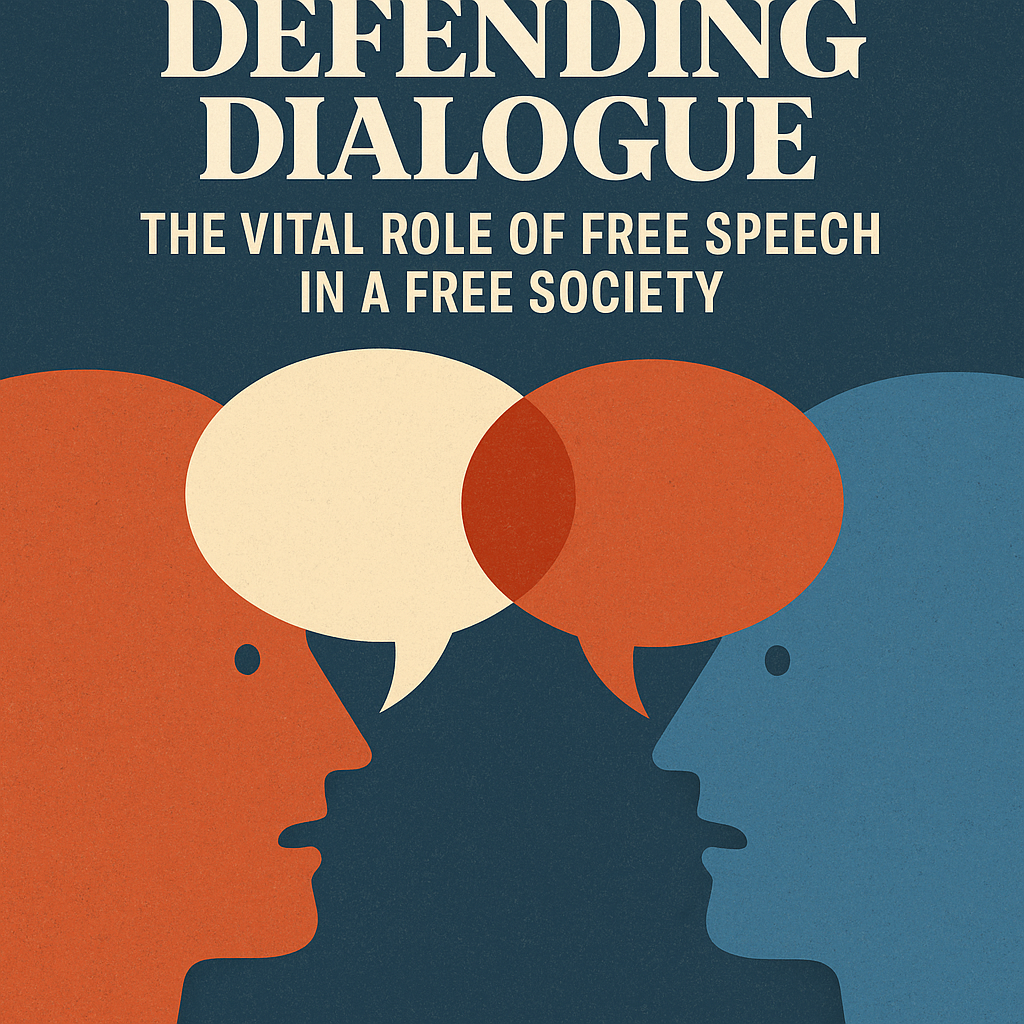
Defending Dialogue: The Vital Role of Free Speech in a Free Society

In an era marked by digital interconnectedness and rapid information exchange, the fundamental importance of free speech in maintaining a vibrant, healthy society cannot be overstated. Critics often posit that unchecked dialogue can foster divisiveness or misinformation, but history and empirical evidence suggest otherwise. John Stuart Mill, in his seminal work On Liberty, argued that the free exchange of ideas is essential not only for discovering truth but for preventing tyranny of the majority. When societies impose undue restrictions on speech, they risk silencing dissent, which can stifle innovation, suppress minority views, and erode the very foundations of democracy. The challenge lies in safeguarding open discourse without allowing harmful content to proliferate, a balancing act that underscores the importance of free and fair dialogue.

Supporters of free speech emphasize that censorship often backfires by driving controversial ideas underground, where they become more difficult to address openly. Economists like Friedrich Hayek have pointed out that free markets of ideas require safeguarding to foster societal progress. Moreover, the digital age has amplified the reach of individual voices, allowing youth-led movements and marginalized communities to challenge entrenched narratives effectively. Nevertheless, critics argue that platforms must moderate content to prevent harm; yet, overreach risks transforming these spaces into echo chambers. Protecting free speech entails constructing boundaries that deter abuse without curtailing authentic debate, a nuanced pursuit that defies simple solutions but remains central to societal resilience.

From a historical perspective, societies that champion liberty of expression tend to experience greater innovation and social cohesion. When citizens are empowered to voice dissent, governmental abuses are held accountable, and policies are scrutinized more effectively. Analysts suggest thatn an environment of robust debate fosters a culture of critical thinking—vital for adapting to complex challenges like technological change or global crises. Limiting speech, on the other hand, can cultivate a climate of conformity, where fear suppresses dissent and free inquiry diminishes. As thinkers like Alexis de Tocqueville observed, “Democratic societies flourish when the individual feels free to speak and think for themselves, even if their views are unpopular.”

Yet, amid the noise and chaos of our digital age, it is essential to remember that free speech is more than a right; it is a moral obligation. It demands responsibility—both from those who exercise it and from societies that protect it. If the future of free societies depends on anything, it is on their ability to defend this sacred space where ideas collide, challenge, and evolve. The weight of this responsibility is immense, for within the marrow of free speech lies the future of human progress itself—an enduring testament to our collective resilience and boundless aspiration, echoing through time as an unbreakable chorus that calls us to remain vigilant and unwavering in the pursuit of truth and liberty.

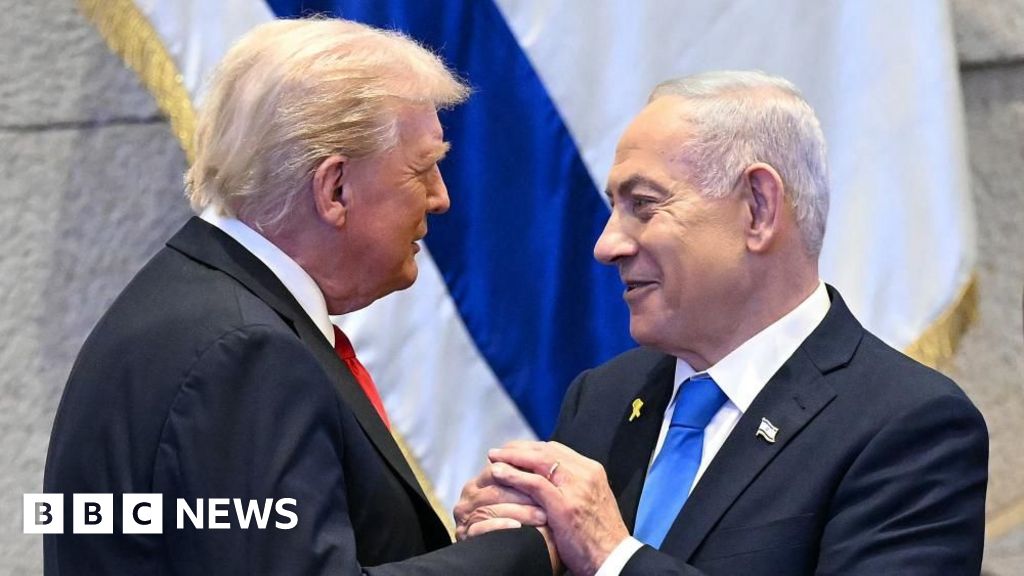
Trump announces promising new chapter for Middle East during Israeli parliament speech

In a remarkable turn of events, President Donald Trump emerged as a central figure in shaping the recent developments in the Middle East. His visit to Israel and subsequent declaration that “the war is over” in Gaza signals an unprecedented diplomatic shift after over two years of brutal conflict. Trump’s role in brokering a ceasefire between Israel and Hamas not only underscores his influence but also sets the stage for a potential reconfiguration of regional alliances. His assertion that this marks the “start of a new Middle East” underscores the geopolitical stakes involved—an era where the influence of the US might return to a more assertive, peace-promoting posture, or so the narrative suggests.

  • Trump’s participation in a peace summit alongside Egyptian President Abdel Fattah al-Sisi and other world leaders emphasizes the scaling of US engagement into a broader regional diplomacy. His presentation at the Knesset, where he was hailed as “the greatest friend Israel ever had,” reflects not only his personal diplomacy but potentially a larger strategic aim: consolidating anti-Iranian alliances and strengthening Israel’s security narrative. Many analysts, including historians tracking US foreign-policy shifts, warn that such moves could recalibrate traditional regional balances, possibly sidelining factions opposed to peace accords or regional stability.

But beneath the jubilant rhetoric lies the complex, often fragile fabric of international diplomacy. Trump’s claims of having secured the release of the last 20 hostages and facilitating the initial stages of peace through a 20-point plan represent highly delicate diplomatic achievements. While some world organizations have celebrated these breakthroughs, critics underscore the *precariousness* of the ceasefire, emphasizing that “the next phases are yet to be negotiated.” This underscores a crucial point: lasting peace depends on sustained commitment and regional cooperation, factors that historically prove difficult to maintain in such a volatile landscape. International security analysts warn that these “initial successes” may not symbolize the end of hostilities but rather a brief pause in a larger, unresolved conflict that could reignite at any moment.

The decision by Israel to release 250 Palestinian prisoners, alongside the withdrawal of over 1,700 detainees, signals a recognition of the importance of confidence-building measures. Yet, it also raises questions about the broader geopolitical impact—how will these gestures influence the long-term prospects for peace, and what are the implications for Palestinian societal stability? Historians like Rashid Khalidi and analysts from institutions such as the United Nations argue that such gestures, while significant, cannot substitute comprehensive solutions rooted in justice and territorial sovereignty. As the world watches the region’s fragile ceasefire, the question remains: how lasting can a peace that emerges amidst geopolitical expediency truly be? The potential for upheaval hangs over the process, with many considering the current developments as merely a chapter—an echo of a still-unfolding saga that will shape history’s judgment.»

As the shadows of this historic moment deepen, one cannot ignore the enduring weight of history still unmade. The corridors of power whisper of a new dawn, yet beneath these bright promises lie the enduring scars of centuries of conflict. The geopolitical calculus pivoting around Jerusalem and the wider Middle East teeters on a knife’s edge. Will this be the start of a genuine era of peace, or merely a respite before the storm resumes? The unfolding narrative remains a reminder that, in the chess game of nations, every move echoes through history, and often, it is the silent, unseen forces that hold the greatest sway over the destiny of peoples.

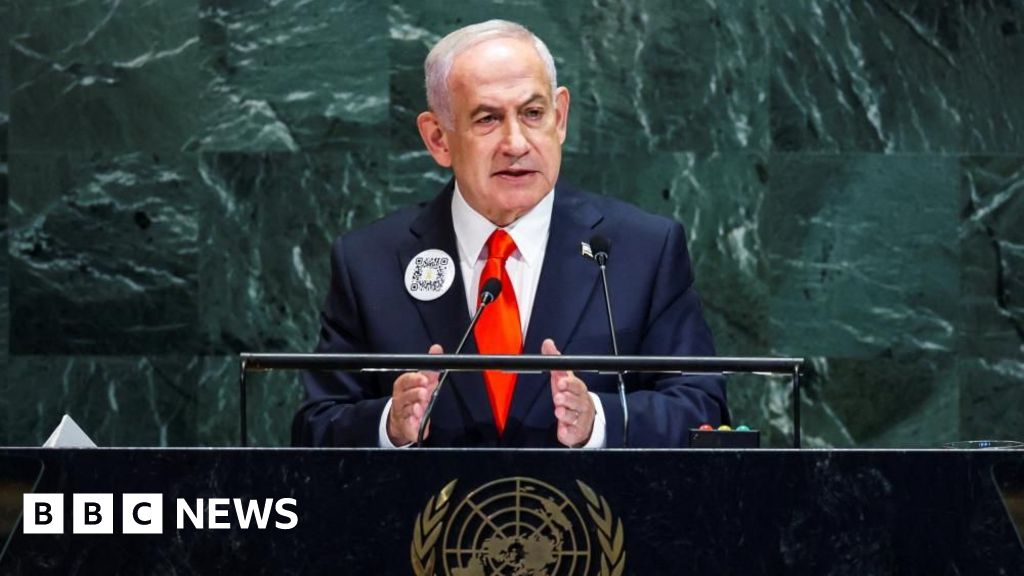
Netanyahu slams Palestinian recognition as dozens walk out during UN speech

The recent UN General Assembly crescendo has set a stark stage for the volatile trajectory of Middle Eastern geopolitics. Israeli Prime Minister Benjamin Netanyahu delivered a speech that sharply polarized the global community, condemning the recognition of Palestinian Statehood by numerous Western nations. His vitriolic rhetoric labeled such recognitions as a “mark of shame”, insinuating that they send a dangerous message—that “murdering Jews pays off.” This inflammatory assertion reverberates through diplomatic corridors, triggering a wave of walkouts and protests, notably in Times Square, where protesters condemned Israel’s military actions in Gaza. The divergence in international opinion underscores a deepening east-west divide over the conflict, with Western nations like the UK, France, and Canada recognizing Palestine, challenging Netanyahu’s hardline stance, and igniting a geopolitical tug-of-war over legitimacy and influence.

Within this storm, Netanyahu’s opening remarks portrayed a narrative of relentless regional threats and existential peril. Showcasing a map labeled “The Curse,” he delineated Iranian proxy groups spanning the Middle East, asserting that Israel faces encirclement by Hezbollah in Lebanon, the Houthis in Yemen, Hamas in Gaza, and Iran itself. Such rhetoric is designed to consolidate domestic support by framing Israel’s military operations as a regional necessity. The Prime Minister went further, lauding Donald Trump’s administration for its alleged role in striking Iran’s Fordo nuclear site, and drew unsettling parallels between Hamas’s October attack and the 9/11 terrorist assaults—both portrayed as threats to global stability. These narratives serve to rally Israel’s allies and justify aggressive military actions, but they also escalate tensions, rippling across borders, and challenging the international consensus for a peaceful resolution. Historians warn that such militant rhetoric risks further destabilization, perpetuating cycles of violence with long-term repercussions for regional security.

Israel’s firm refusal to recognize a Palestinian State remains at the heart of the discord, with Netanyahu asserting that such a state would threaten Israel’s very existence. This stance, aligned with the opinions of the majority of Israeli citizens, continues to entrench division and hinder diplomatic progress. Compounding matters, Netanyahu dismissed claims from UN investigations that Israel had committed genocide in Gaza—a charge he branded “baseless”—and accused international agencies of deliberately restricting aid. With famine ravaging Gaza, as confirmed by UN-backed bodies, the humanitarian toll becomes an unignorable responsibility that frames Israel’s military campaign either as justified self-defense or, by critics, as collective punishment. The contextual backdrop of Israel’s blockade and media restrictions, which have kept independent journalists out of Gaza for nearly two years, amplifies the uncertainty surrounding the true scope of the conflict and its devastations.

In a provocative move aimed at bolstering morale, Netanyahu instructed Israeli forces to broadcast his speech via loudspeakers on Gaza’s perimeter, claiming to reach Israeli hostages and MIA civilians. Amidst contentious internal debates, critics branded the stunt as “propaganda,” highlighting the growing rift within Israel’s own political landscape. Meanwhile, freshly emerging statements from Palestinian Authority leader Mahmoud Abbas suggest a fleeting hope for diplomacy, signaling readiness to collaborate on peace efforts. Lauding the possibility of a de-escalation, the political question remains whether such hopes will withstand the relentless barrage of violence and hardline rhetoric. The chatter from former US President Donald Trump, hinting at a potential ceasefire “deal” in Gaza, adds yet another unpredictable layer to an already volatile chess game where alliances are tested, and history’s pen continues to write its dark, uncertain chapter. As the world watches with bated breath, the unfolding story of this conflict stands as a stark reminder: in the theater of geopolitics, today’s decisive moves shape the course of history, and tomorrow’s history is nothing less than the legacy of today’s choices.

Social Media Auto Publish Powered By : XYZScripts.com