

Spain Faces a Rail Crisis as Safety Concerns Shake the Nation
The recent crises plaguing the Spanish rail system have thrust the country into a state of heightened alert and uncertainty, highlighting deep-seated questions about infrastructure integrity, government accountability, and the broader implications for European security. In the wake of the tragic accident in Adamuz, which resulted in 45 deaths, authorities have responded with drastic measures—most notably, the speed reductions along key high-speed lines, a move that underscores the fragility of Spain’s once-celebrated rail network.
Transport authorities, led by Minister Óscar Puente, announced the temporary lowering of speeds on the Madrid-Barcelona high-speed corridor—a crucial artery for Spain’s economy and mobility—from 300 km/h to a mere 80 km/h. This decision reflects mounting concerns over technical failures and aging infrastructure, with inspections revealing cracks and weld failures on recently renovated tracks. Such technical lapses not only jeopardize passenger safety but threaten Spain’s image as a leader in high-speed rail technology, which was once heralded as a testament to the country’s modernity and ingenuity.
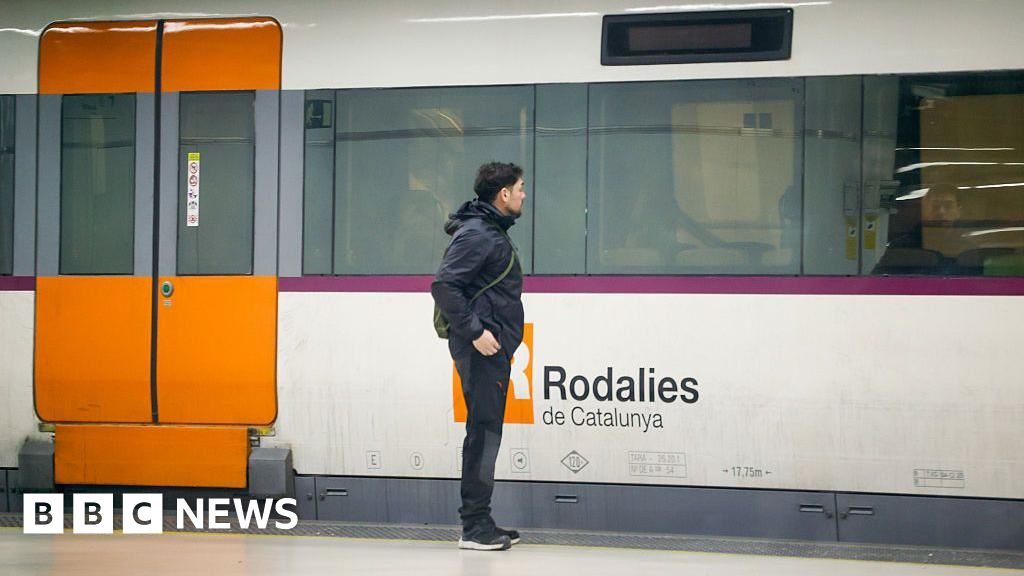
Adding fuel to the fire, the Rodalies regional line in Catalonia has become a battleground of safety protests, service disruptions, and political contention. After the tragic loss of a trainee driver, the service was grounded amid demands for improved safety standards. The Catalan Republican Left (ERC) labeled the decades of neglect and underinvestment as the root cause of the current crisis, emphasizing how political disinvestment and bureaucratic complacency are putting lives at risk. Meanwhile, the Spanish government is under mounting pressure, with Prime Minister Pedro Sánchez scheduled to face Congress on 11 February to address the nation’s mounting concerns—a move seen by many as a deflection and a test of his administration’s resolve.
The investigation into the Adamuz derailment reveals unsettling details: a 40-centimeter section of track, welded together from pieces manufactured decades apart, likely caused the fatal derailment. Despite recent renovations and technical reviews, the weld’s failure exposes systemic flaws in Spain’s infrastructure oversight, raising fears that similar issues may lurk elsewhere in the network. International safety standards, lauded by global organizations like Transport Canada and European Railway Agency, mandate rigorous inspections—yet, the failure to prevent this tragedy indicates a troubling deviation from best practices.
Analysts warn that these failures have *geopolitical implications* extending beyond Spain’s borders. As a member of the European Union, Spain’s technological and safety lapses threaten the continent’s broader transit and security frameworks. Many voice concern over the potential for international confidence erosion, jeopardizing future investments and partnerships. Historians caution that this crisis echoes past errors: the cost of neglecting critical infrastructure in pursuit of innovation. As Spain grapples with its railway woes, the world watches, awaiting a response that will determine whether this once-proud nation can reclaim its reputation—or be remembered as a cautionary tale of hubris and neglect in an era when infrastructure is the backbone of sovereignty and resilience.





