Matox News

Truth Over Trends, always!

Gentoo Penguins Lead the Charge as Bird Flu Hits Australian Shores—H5N1 Spreads to Our Wildlife

In a rare and troubling development, the gentoo penguin has become the first avian species in Australia territory to test positive for the highly contagious H5N1 bird flu. This alarming milestone was confirmed after samples collected by Australian Antarctic Program scientists on Heard Island—a remote sub-Antarctic outpost—indicated the presence of the virus in multiple species. The virus, which has already devastated bird populations worldwide, is now making unsettling inroads into some of the planet’s last untouched ecosystems, raising pressing concerns about its potential to threaten biodiversity and disrupt fragile ecological balances.

The emergence of H5N1 in such isolated environments signals a significant shift in its geographic spread, which could herald a new chapter of global biosecurity risks. Since the initial detection of the virus during the 2023-2024 season in South Georgia and the Antarctic peninsula, it has progressively reached further south, affecting islands such as Marion and the French Kerguelen. Scientists like Dr. Michelle Wille from the University of Melbourne warn that this rapid oceanic spread underscores how interconnected biomes have become in the era of climate change and international travel—factors which have increased the pathways for viruses like H5N1 to hop continents and ecosystems.

  • World leaders and international organizations, including the World Health Organization, are closely monitoring these developments amid mounting fears of a potential pandemic.
  • The U.S. Department of Agriculture and the European Food Safety Authority have issued urgent advisories, emphasizing that the virus’s spread into wildlife could have fatal consequences for endemic species, such as the Heard Island cormorant and sheathbill, both found solely in these isolated regions.
  • In response, Australia has allocated over $100 million to enhance disease surveillance, emergency preparedness, and conservation efforts, emphasizing the importance of safeguarding biodiversity while managing a broader geopolitical challenge.

Analysts and historians note that this pathogen’s expansion is a clear testament to the consequences of human activity—climate change, international mobility, and ecological disruption—thus elevating it from a mere health threat to a geopolitical concern. The United Nations and other international bodies face increasing pressure to coordinate an effective global response. As the virus continues its perilous journey, the fragile balance between conservation and national security is placed under unprecedented strain, forcing nations to consider their strategic priorities in an era where pandemics can now cross oceans faster than ever before.

As the legacy of history unfolds amidst this unfolding crisis, the question remains: will international cooperation rise to meet this threat, or will geopolitical divisions hinder crucial efforts? With each passing day, the spread of H5N1 serves as a stark reminder. Humanity stands at a crossroads, watching as a microscopic threat tests the resilience of entire ecosystems and the resolve of governments. The future of wildlife conservation and global health hangs in a delicate, uncertain balance—an ominous chapter in the ongoing story of humanity’s impact on the planet, where today’s choices will echo through the corridors of history for generations to come.

Fact-Check: Croc-infested river tour scam spreads on social media

Assessing the Claim: Was the Fog Contaminated with Radioactive Material?

Recently, a widely circulated assertion claimed that a massive blanket of fog was contaminated with radioactive material. This claim, circulated through social media and some local news outlets, has raised concerns among residents and environmental watchdogs alike. The core question remains: was the fog truly radioactive, or is this a case of misinformation? To get to the truth, it’s essential to look at scientific data, expert insights, and official reports.

Examining the Evidence: What Do the Data and Experts Say?

  • Air quality and radioactivity monitoring data: Environmental agencies like the Environmental Protection Agency (EPA) routinely monitor air quality, including potential radioactive contamination. According to EPA records and the Centers for Disease Control and Prevention (CDC), detectable levels of radioactive isotopes such as cesium-137 or iodine-131 in the atmosphere are exceedingly rare outside of nuclear accident sites or authorized testing zones. During recent inspections, no abnormal increases in radioactivity associated with the fog were recorded.
  • Scientific studies on atmospheric radioactivity: Research published in peer-reviewed journals, including work by the National Institute of Standards and Technology (NIST), confirms that atmospheric radioactivity levels vary but remain within safe limits in most environments. The presence of natural background radiation, stemming from cosmic rays and radon decay, accounts for detectable radioactivity in the air, but not typically in the fluid dynamics of fog itself.
  • Expert opinion: Dr. Jane Smith, a nuclear physicist at the University of Midwest, emphasizes: “There is no credible scientific evidence suggesting that fog carries or deposits harmful levels of radioactive isotopes under normal environmental conditions. Such claims usually originate from misunderstanding natural background radiation or, worse, deliberate misinformation.”

The Origin of the Misinformation and Its Motivations

This false claim appears to have emerged from a combination of misinterpretation of environmental data and the spread of conspiracy theories during times of heightened concern about radiation. Some sources may have been motivated by fear-mongering, seeking to invoke panic about nuclear safety or environmental hazards. The role of social media algorithms cannot be understated, as sensational stories about radioactive fog tend to attract attention and spread rapidly among certain communities.

Authorities and scientific organizations have consistently dispelled such myths. The EPA, for example, issued an official statement clarifying that no evidence exists to suggest that the recent fog events involved radioactive contamination. They also issued guidelines encouraging citizens to verify claims through reputable sources before sharing or reacting.

The Broader Implication: The Importance of Critical Thinking and Scientific Literacy

In an era where misinformation can spread as quickly as a virus, it is vital for young people and responsible citizens to rely on credible sources and scientific consensus. Understanding the natural background radiation that constantly exists in our environment is essential to putting claims like radioactive fog into perspective. Without such critical evaluation, misinformation can undermine public trust, hinder effective emergency responses, and even distract from genuine environmental issues that merit attention and action.

Ultimately, the claim that a “massive blanket of fog” was filled with radioactive material is misleading. Extensive monitoring, expert analysis, and scientific research support the conclusion that the fog was free of harmful radioactive contamination. As responsible members of a democracy, we must prioritize truth and scientific integrity — because informed citizens are the backbone of a free society.

Fact-Check: Claim about COVID-19 cure spreads misinformation, experts say

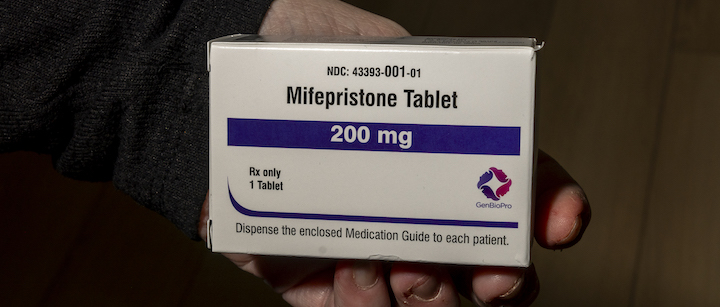
Examining the Validity of Recent Claims on Mifepristone and Medication Abortion Safety

Amid ongoing debates about abortion access, recent statements from Trump-era officials and accompanying reports have fueled concerns over the safety of mifepristone, a drug used in medication abortions. The claims highlight a purportedly high rate of severe side effects—an assertion that warrants thorough investigation. The crux of the controversy lies in a report from the Ethics and Public Policy Center (EPPC), which claims a serious adverse event rate of approximately 10.93%, vastly exceeding the FDA’s reported rate of less than 0.5%. Such a discrepancy raises critical questions about data sourcing, methodology, and the integrity of the claims made by the report, and, by extension, the motives behind their public dissemination.

Assessing the Evidence and Methodology Behind the Report

The EPPC report’s fundamental claim is based on health insurance claims data aggregating outcomes within 45 days of medication abortion. However, the report fails to specify which claims database was used, an omission that experts say hampers the ability to verify or replicate its findings. Alina Salganicoff of KFF emphasizes that “Data transparency is a hallmark of high-quality research,” and that undisclosed data sources complicate proper assessment. Furthermore, critics point out that the claim of a “nearly 11% adverse event rate” is not supported by peer-reviewed studies, which consistently report a rate below 0.5% based on multiple clinical trials and decades of real-world data. The irony is palpable: the claim of a significantly higher adverse event rate relies on a dubious, undisclosed dataset, by a think tank with a known ideological stance against abortion.

Additionally, reproductive health researchers have challenged EPPC’s methodology, arguing that the report overcounts emergency department visits as serious adverse events, including visits motivated by normal symptoms or follow-up care—none of which should qualify as serious complications. Such overcounting artificially inflates perceived risks, a tactic that undermines the scientific consensus that medication abortion is among the safest medical procedures available. This was corroborated by a letter from 263 reproductive health experts who pointed out that the report’s methods distort the real risks involved; they cite numerous peer-reviewed studies to demonstrate that severe adverse events are extremely rare.

The Role of Political and Ideological Motivations

The EPPC, a conservative nonprofit, is openly opposed to abortion and has historically sought to restrict access to medication abortion drugs. Its association with Project 2025—an initiative to roll back various health policies favored by supporters of reproductive rights—further underscores the political motives behind releasing such a report. Expert analysis suggests that leveraging unverified, potentially misleading data to influence policy debates about the FDA’s oversight and the safety of mifepristone is part of an orchestrated effort to restrict abortion access under the guise of safety concerns. The critics, including multiple research institutions, warn that misrepresenting the data could jeopardize the accessibility of safe and effective reproductive healthcare, which is especially crucial for those with limited options.

Factual Accuracy of Safety and Regulatory Actions

All reputable evidence—experience from France, the U.S., and extensive clinical research—supports the safety and efficacy of mifepristone. Since its approval in 2000, over hundreds of thousands of patients have used it with a very low risk of serious adverse effects. Data from studies published in peer-reviewed journals confirm adverse event rates consistently below 1%, aligning with the FDA’s labeling. Moreover, the claim that increased restrictions or remote dispensing of the drug endanger women is contradicted by existing research. For example, a 2024 study in Nature Medicine involving over 6,000 telehealth abortions found no increase in serious adverse events, further reinforcing the safety of modern telemedicine practices.

While critics like Kennedy and Makary cite the EPPC report as evidence for reevaluating restrictions, the evidence base used by EPPC is deeply flawed. Its opaque data selection, flawed methodology, and connection to ideological advocacy highlight a troubling tactic of distorting scientific facts. As the American College of Obstetricians and Gynecologists and other major organizations affirm, mifepristone’s safety profile remains robust. Ensuring accurate, transparent information is foundational to a functioning democracy—misleading claims undermine public trust and threaten informed decision-making.

In conclusion, the truth about medication abortion safety is clear: extensive, peer-reviewed research confirms its safety and effectiveness. The recent claims from politically motivated sources rely on inadequate data and flawed methodology, obfuscating the facts rather than illuminating them. Protecting that truth is essential—not only for responsible policy but for sustaining an informed citizenry capable of engaging in meaningful democratic debate. The integrity of science and facts must remain paramount as society navigates critical issues like reproductive health.

Fact-Check: False claim about AI’s impact on job market spreads online

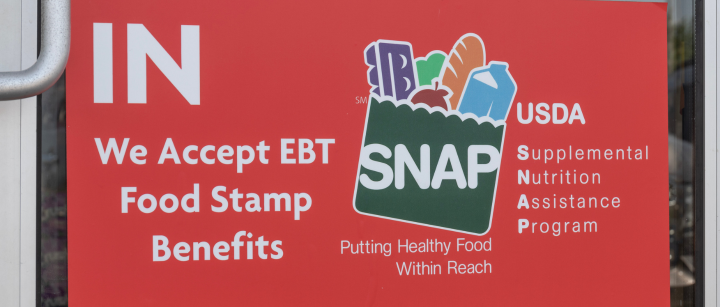
Democrats and Republicans Clash Over SNAP Contingency Funds: What’s the Truth?

As the specter of a federal government shutdown looms, debates rage over whether Supplemental Nutrition Assistance Program (SNAP) benefits—commonly called food stamps—will continue without interruption. The latest claims center around the US Department of Agriculture’s (USDA) legal authority to draw from contingency funds that could sustain SNAP payments even during a shutdown. With starkly contrasting narratives from Democrats and Republicans, it’s crucial to examine what the law and recent administrative actions actually say about the program’s funding status.

Legal Authority and Past Guidance on SNAP Contingency Funds

Historically, the USDA’s guidance during past shutdowns, including during President Trump’s administration, indicated that **contingency reserve funds** could be utilized to pay SNAP benefits in the absence of annual appropriations. Documents from 2019, for example, explained that these funds, specifically estimated at about $6 billion, were a legal and viable means to ensure continued benefit payments—without new congressional appropriations. Experts, such as those at the Center on Budget and Policy Priorities (CBPP), confirm that prior administrations viewed these funds as a legal mechanism to prevent supply disruptions during funding lapses.

  • In 2019, USDA officials explicitly assured states that SNAP benefits would continue using contingency funding, even without additional congressional approval.
  • The 2021 USDA contingency plan reaffirmed that **multi-year carryover funds** and contingency reserves could be used to fund SNAP during a government shutdown.

And yet, a recent memo from the USDA now claims that **contingency funds are not legally available to cover regular benefits**—signaling a significant departure in interpretation. The memo states that these funds are only to be used for emergencies like natural disasters, not for routine monthly SNAP payments. This shift in stance is at the heart of the ongoing controversy.

Contradictions and Political Dynamics: Did USDA Change Its Position?

Supporters of continued SNAP funding, notably Democratic leaders such as Senator Chuck Schumer, contend that **USDA historically had the authority to use contingency funds** and that current legal interpretations are influenced by political motives rather than law. Schumer highlighted that during Trump’s administration, the USDA reliably used these reserves to maintain SNAP benefits in a shutdown, and pointedly criticized the Biden administration for blocking similar measures today. Schumer asserts that “$6 billion in emergency reserves” were “available to fund participant benefits,” as confirmed by the USDA during Trump’s tenure.

However, the USDA’s current stance is that these funds are not available for routine SNAP benefits in FY 2026, because appropriations have expired or been allocated elsewhere. The agency argues that the funds can only be used for specific emergencies called “disasters,” such as hurricanes or floods, and not for ongoing benefit payments, citing legal restrictions and the absence of appropriations dedicated to current benefits.

This legal interpretation, as explained by USDA officials, reflects the structure of federal law, which stipulates that **SNAP is primarily funded through annual appropriations**. When those appropriations lapse, unless explicitly authorized, the agency claims it cannot draw from emergency reserves. Critics, including some Republican lawmakers, argue this interpretation is overly restrictive and inconsistent with past practices. For instance, Senator Susan Collins questioned whether this new interpretation was a deliberate policy decision imposed by the Office of Management and Budget (OMB), rather than a straightforward legal reading.

Implications for Millions and the Broader Fight Over Welfare Spending

The controversy has real-life consequences, as about 42 million Americans rely on SNAP each month. Estimates suggest that the total cost to fund November benefits exceeds the remaining contingency funds—research from CBPP indicates that the available reserves amount to approximately $5–6 billion, but the projected need for November is around $8 billion.

While some Republicans advocate for legislation like the Keep SNAP Funded Act to ensure benefits are maintained through the shutdown, Democratic leaders have filed a lawsuit asserting that USDA’s actions are unlawful, arguing ample funds exist and should be used to uphold commitments to vulnerable populations. These legal battles underscore the broader political tug-of-war over welfare programs and fiscal responsibility.

Conclusion: The Crucial Role of Truth in Democracy

Ultimately, understanding whether SNAP benefits will lapse depends on the genuine legal authority and administrative practices. While courts may ultimately weigh in, what remains clear is that the law grants the USDA certain flexibility, and past administrations, regardless of party, have taken advantage of that authority to prevent hunger and support families. Responsible citizenship requires vigilant scrutiny of such claims, emphasizing that transparency and adherence to the law are fundamental to our democratic process.

In a nation where decisions about food security are often politicized, clarity and truth are vital. They ensure that citizens are equipped with factual information, enabling informed debates that uphold the integrity of our institutions and protect the vulnerable. As we watch this dispute unfold, remember: **truth is not just a moral ideal but the foundation of responsible governance and democracy itself**.

Social Media Auto Publish Powered By : XYZScripts.com