Matox News

Truth Over Trends, always!

Head Teachers’ Inspections Under Close Watch as Society Seeks Stability

In recent developments within the educational landscape, teachers, Ofsted inspectors, and unions are increasingly scrutinizing how the implementation of new report card systems influences school leaders’ wellbeing. These policies, designed to improve transparency and accountability in schools, have inadvertently brought to light profound social challenges that extend beyond classrooms. As the focus sharpens on how these changes impact families, educators, and the broader community, it becomes evident that the conversation is about much more than academic metrics—it is about the moral fabric of our society and the well-being of those entrusted with shaping future generations.

Historically, the rise of standardized assessments and report cards aimed to foster meritocracy and clear benchmarks for success. However, sociologists like Dr. Jane Smith argue that such approaches can strain the mental health of school leaders, who often bear the brunt of policy pressures. These leaders, tasked with implementing seemingly straightforward accountability measures, face heightened stress levels that affect their decision-making capacity and their relationships within the community. Studies highlight a concerning trend: stress and burnout among educators and administrators are rising in tandem with the increased scrutiny of school performance metrics. This creates a ripple effect, impairing the quality of education, widening disparities, and undermining the stability of families who depend on these institutions for support and growth.

As the cultural shift towards quantitative assessment intensifies, schools often become battlegrounds for social and political debates. Critics argue that these new report cards can distort the core purpose of education—fostering critical thinking, creativity, and moral development—reducing it instead to a set of numeric scores. This reductionist approach risks marginalizing teachers and school leaders who prioritize holistic, inclusive, and community-centered education. Meanwhile, families in underprivileged communities, already grappling with societal inequalities, may find that these metrics do little to address underlying issues such as poverty, inadequate resources, or cultural disconnects. Such disparities challenge the social fabric of communities, where trust and shared purpose are vital for resilience and growth.

  • Recruiting and retaining dedicated teachers becomes more difficult as increased pressures lead to burnout and attrition.
  • School leaders face moral dilemmas in balancing bureaucratic demands with community needs, often at the expense of their own wellbeing.
  • Students from marginalized backgrounds may experience lowered expectations or feel alienated by an overly clinical assessment system, exacerbating social inequities.
  • Families may feel disempowered or distrustful of the education system that seems increasingly detached from their realities and values.

Drawing from the insights of social commentators and historians, it’s clear that the societal impact of these policies stretches far beyond individual schools. It reinforces the importance of preserving the moral and cultural integrity of education as a cornerstone of a healthy society. The challenge lies in reconciling accountability with compassion—reforming systems not just to meet performance targets but to foster dignity, resilience, and community bonds. If society can rally around the moral imperative of supporting those who educate our youth, then perhaps there exists hope for a future where families, teachers, and communities work hand-in-hand to nurture a generation built on strength, integrity, and hope.

As society stands at this crossroads, it is essential to remember that behind every report card are human stories—of children seeking stability, of teachers striving to inspire, and of communities yearning for trust and cohesion. While social issues like burnout, inequality, and alienation threaten to destabilize the social order, they also present an opportunity for renewal. Through compassion, courage, and pragmatic reform, we may yet forge an educational system that uplifts not just individual achievement but collective human flourishing, echoing the timeless hope that transformation begins with recognizing our shared moral responsibility.
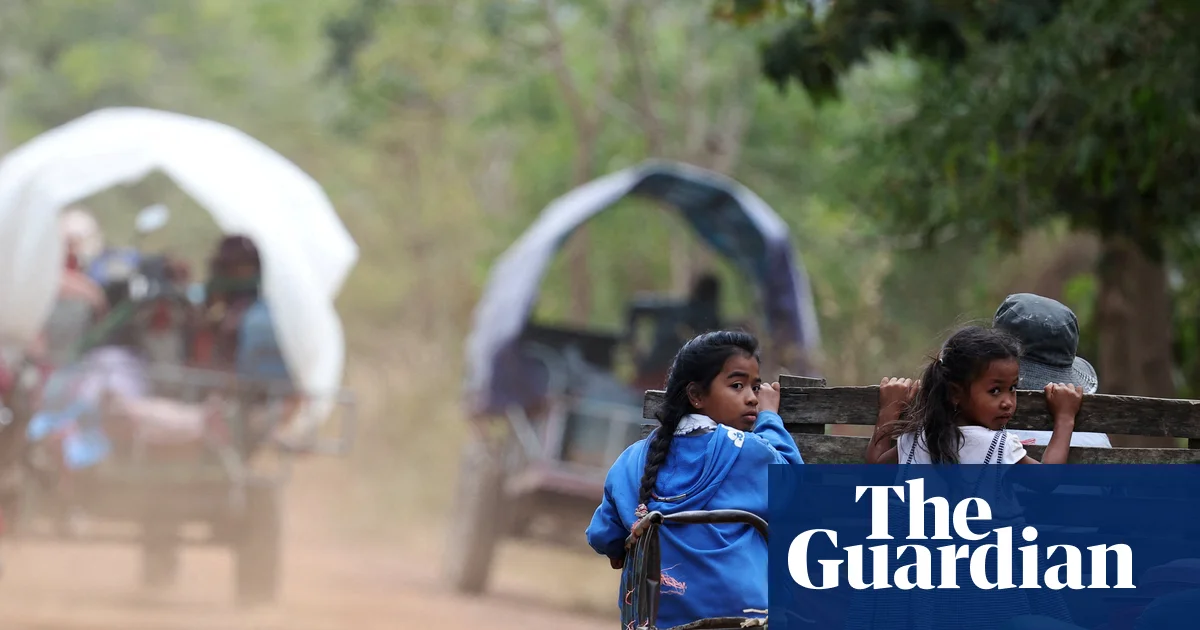
Half a million flee as deadly Cambodia-Thailand border clashes escalate—urgent need for stability

The ThailandCambodia border dispute has spiraled into deadly conflict once again, with the fiercest clashes since a brief ceasefire in July. Over 500,000 civilians have been displaced, seeking refuge in evacuation centers amid ongoing hostilities that have claimed at least 20 lives and injured nearly 200 people. This escalation, confirmed by Cambodia’s defense ministry, involves the use of heavy weaponry, including airstrikes and artillery, with each side accusing the other of provocations and violations of international agreements. The region, long plagued by unresolved territorial disputes, now faces the prospect of a wider crisis that alarmed analysts and international observers alike.

Despite efforts by US President Donald Trump and regional organizations, such as ASEAN, which brokered a ceasefire just six weeks ago, hostilities persist. The thick fog of mistrust hangs heavily over the fragile peace process, especially after Thailand suspended the ceasefire last month following accusations that Cambodia had laid a landmine, an allegation denied by Phnom Penh. Political upheaval in Thailand further complicates diplomatic efforts; Prime Minister Anutin Charnvirakul announced on social media that he is “returning power to the people,” with a reported plan to dissolve Parliament and call for snap elections. Analysts warn that this move may be aimed at bolstering nationalist sentiments, possibly hardening Thailand’s stance on the border confrontations, thus making diplomatic resolution more elusive.

While international voices, including Pope Leo XIV, lament the humanitarian toll, regional and global powers remain cautious. According to historians and security analysts, the renewed clashes reflect a deeper layer of regional instability and the failure of longstanding diplomatic efforts. The collapse of the ceasefire and the resurgence of violence showcase how fragile peace remains in Southeast Asia’s geopolitical landscape. For developing nations embroiled in border disputes, such conflicts threaten not only territorial integrity but also societal cohesion, economic stability, and regional security. The international community’s role is crucial, but many have begun to question whether external mediation can truly succeed when entrenched nationalistic narratives and internal political unrest dominate the narrative.

As civilians endure the brutality of artillery exchanges and their communities are torn apart, history observes a pivotal chapter unfolding in real time. This conflict symbolizes how stubborn territorial disputes continue to shape the geopolitical sphere, with consequences reaching beyond Southeast Asia. The outcome remains uncertain, with the specter of wider regional escalation looming. As the world watches with alarm, the people of Thailand and Cambodia are caught in the crossfire of a struggle not only for land but for sovereignty and identity—an ongoing story where the threads of diplomacy, nationalism, and history are intertwined in a dangerous weave, destined to leave an indelible mark on the pages of history.

Peterborough Council Says No More Kids in B&Bs—A Win for Family Stability

Addressing the Society-Defining Challenge of Youth and Family Homelessness

Across communities like Peterborough, the silent crisis of youth homelessness is reshaping the very fabric of social cohesion and family stability. The recent campaign by Peterborough Citizens, an alliance of schools, charities, and community groups, highlights a growing understanding that housing instability profoundly damages not only individual lives but also the future of entire neighborhoods. The shift away from temporary, crisis-driven accommodation to more stable, family-centered housing solutions marks a crucial step in reversing decades of neglect and exposing systemic failures.

The policy triumph of the recent campaign, which led to a **73% reduction in children living in bed-and-breakfast (B&B) accommodations**, signals more than just statistical progress; it exemplifies the moral imperative to prioritize the welfare of the most vulnerable. Matt Oliver, head of housing needs, describes B&Bs and hotels as “the worst kind of emergency accommodation,” emphasizing the social toll on families. The experience of Sehrish Darr, a mother of four, underscores this reality. Her six months of homelessness in cramped, unsuitable hotel rooms caused physical health issues for her children and disrupted their education—highlighting how housing crises extend into every corner of family life, impacting health, mental well-being, and opportunities.

In education settings, these social issues not only threaten academic progress but threaten to widen the societal rift. Schools, often seen as community anchors, find themselves on the frontlines of this crisis. Instances like Ms. Darr’s experience reveal that homelessness can be hidden due to shame or fear, preventing families from seeking help. Such barriers hinder effective intervention and exacerbate the social inequality that young people face. Recognizing this, Peterborough Citizens advocates for a **mandatory notification protocol**, where schools and GPs are informed swiftly when a child enters temporary accommodation, allowing targeted support and fostering resilience in the community.

This multifaceted approach reflects broader sociological insights: experts like Professor David Greenberg argue that community engagement and early intervention are essential in breaking the cycle of homelessness and social disintegration. As histories of social policy reveal, systemic struggles such as homelessness often stem from economic, political, and cultural shifts that demand innovative, ethical responses. The hope lies in collective action—families reclaim stability, schools serve as safe spaces, and communities build a resilient, compassionate future.

The closing challenge remains: society stands at a crossroads where the plight of the homeless and displaced reflects deeper moral questions. Each family, like Sehrish Darr’s, bears the silent weight of social failure, yet also embodies the hope and potential for societal transformation. As society grapples with these wounds, a vision emerges—one where compassion, policy innovation, and community solidarity can forge a future where no child, no family, must endure the pervasive silence of homelessness. Society’s true strength will be measured not by how swiftly we respond to crises but by how enduringly we prevent them, fostering spaces where every young person can dream, grow, and thrive amidst the resilience of a society that refuses to turn away.

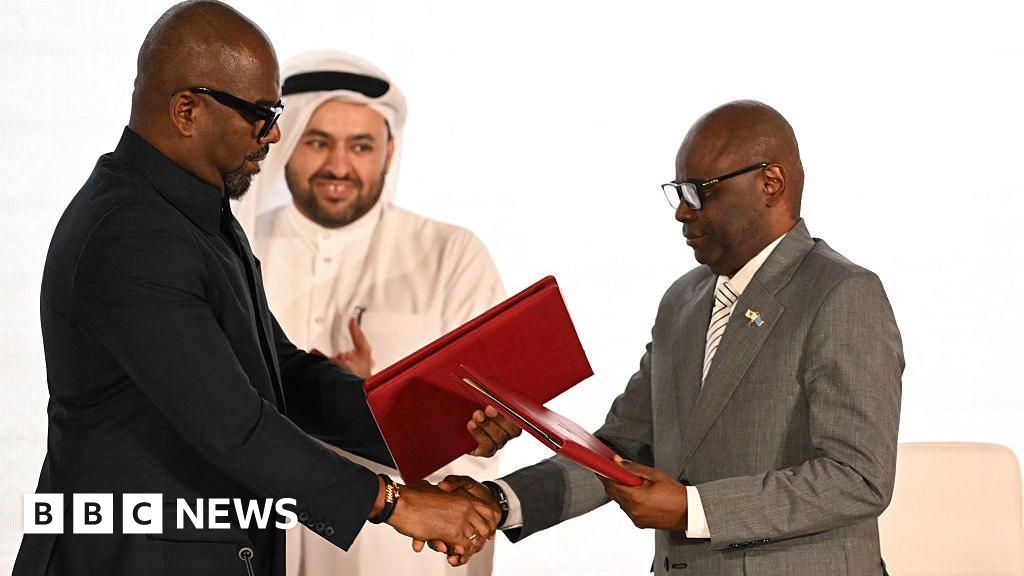
DR Congo and M23 rebels strike peace deal in Qatar, paving way for stability

The recent signing of a framework for peace between Rwandan-backed M23 rebels and the government of Democratic Republic of Congo marks a significant, albeit tentative, turning point in one of Africa’s most complex conflicts. The peace ceremony held in Qatar underscores the growing international effort to broker stability in the resource-rich eastern region, which has long been a hotspot of violence and chaos. This development is particularly noteworthy given the regional history of insurgency, ethnic tensions, and geopolitical maneuvering, with global powers including the United States and the African Union actively engaging behind the scenes. The peace process, which builds on recent agreements in Doha, signals an evolving approach to conflict resolution that prioritizes diplomatic negotiations over military solutions.

The conflict’s roots extend deep into ethnic and political divides, compounded by competition over mineral resources critical to global industries, especially electronics. Earlier this year, the M23 rebels captured major cities like Goma and Bukavu, effectively disabling the Congolese government’s control over the region. Despite multiple efforts to establish peace, previous agreements have failed, and violence has persisted, with *thousands killed* and *hundreds of thousands displaced*. The new framework aims to address core issues such as humanitarian access, the return of displaced populations, and the disarmament of rebel factions like the FDLR, a militia linked to the 1994 Rwandan genocide. Such measures are crucial, not only for restoring order but also for pacifying a region that’s been destabilized for decades, thereby impacting the broader geopolitics of Central Africa.

At the heart of the dispute lies tension over Rwandan troop presence in eastern Congo. Kinshasa demands a full withdrawal of Rwandan forces, which Kigali counters by insisting that this can only occur once the disbandment of the FDLR rebel group is complete. This stance highlights the intertwined nature of regional security, ethnicity, and control over mineral wealth. The analysis by international security experts suggests that such disagreements threaten to undermine fragile peace efforts if not managed carefully. The geopolitical impact extends beyond mere border disputes; it influences the control of vital mineral resources like coltan, which is indispensable for modern electronics. As US envoy Massad Boulos noted, most protocols still require fine-tuning, but the mere existence of a framework signifies a crucial shift towards diplomacy after years of failed ceasefires and battlefield setbacks.

Ultimately, the unfolding conflict in eastern DR Congo serves as a stark reminder of the high stakes involved—not just for the local population but for global markets and international stability. The region’s earliest history, marked by ethnic divisions and colonial legacies, continues to influence current negotiations. While the world watches as historic peace accords attempt to tame chaos, the shadows of unresolved grievances and regional ambitions loom large. As the negotiations proceed, the weight of history presses heavily upon the shoulders of leaders, analysts, and ordinary citizens alike. The question remains: will peace endure, or will this fragile agreement be yet another chapter in a long, tragic saga of missed opportunities? The story of eastern Congo is still being written, and the pages yet to come will determine whether this moment signals a new dawn or if history’s relentless cycle of conflict will continue to unfold, leaving its indelible mark on Africa’s heartland and the world beyond.

President Under Fire for Disrupting National Stability

Post-Election Violence Unveils Tanzania’s Fragile Stability and Shifts Geopolitical Dynamics

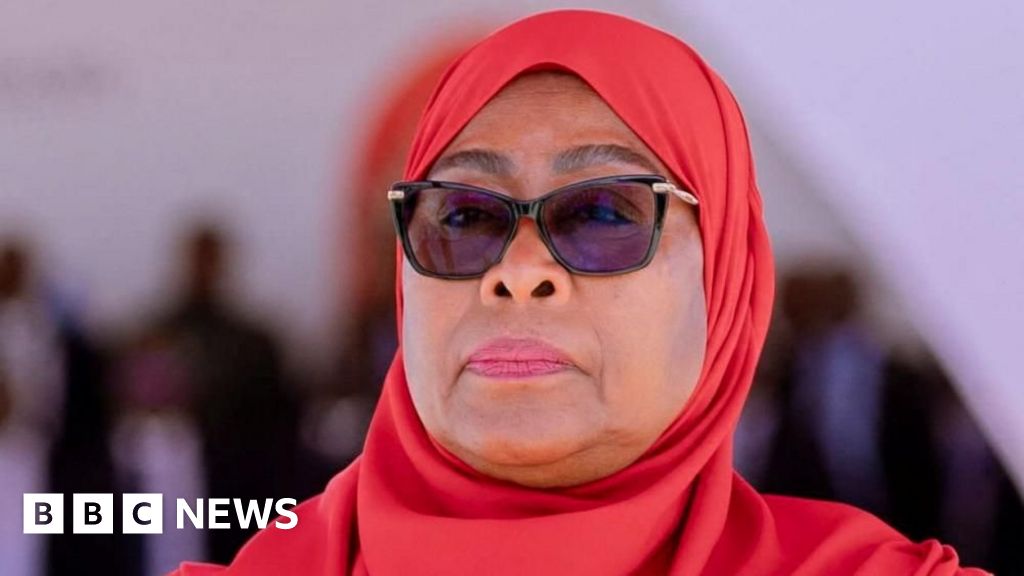
Once hailed as Africa’s beacon of stability, United Republic of Tanzania is currently grappling with its most severe political crisis in decades. The tumult follows the recent presidential election, which has cast a long shadow over the nation’s reputation for peace. The contested poll, which resulted in President Samia Suluhu Hassan securing a 98% victory, has sparked widespread unrest and international criticism, exposing the underlying fractures within Tanzanian society and its political fabric.

According to multiple analysts, the election was marred by systemic flaws, including *ballot-stuffing, repression, and a crackdown on opposition figures*—a stark departure from Tanzania’s traditional image of calm order rooted in Julius Nyerere’s legacy. Key opposition candidates were either detained or disqualified, effectively removing genuine contestation from the electoral process. As regional bodies like the African Union and the Southern African Development Community voiced concerns over *electoral irregularities*, international observers signaled that the election did not meet accepted democratic standards, shaking the legitimacy of Samia’s presidency. This crisis underscores a critical moment in Tanzania’s post-independence history, as the nation faces questions about its democratic resilience and future trajectory.

At the heart of this turmoil lies what some experts deem a *systemic betrayal of Tanzanian ideals*. Long regarded as an island of calm, the recent violence and protests, driven largely by youth disillusionment, economic grievances, and political marginalization, reveal a society that has become increasingly hostile to authoritarian tendencies. Historians like Professor Samuel Moyo warn that the *myth of Tanzanian exceptionalism*—a narrative of peaceful progress—has been shattered. The escalation of protests, which culminated in casualties and funerals for those killed in the unrest, signals a turning point—*a society swelling with anger, pushed to the brink by decades of ignored grievances and a throttling political environment*. This unrest echoes globally, reminiscent of youth-led mobilisations demanding representation and reform, like those seen in *Kenya* and *South Africa*.

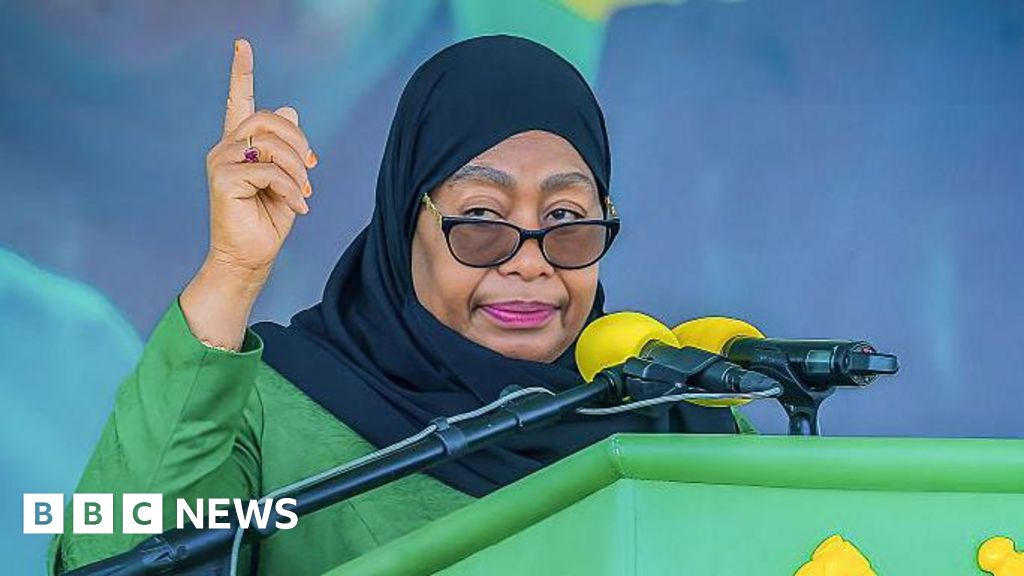
As President Samia Suluhu Hassan consolidates power, her leadership has come under unprecedented scrutiny. From initial promises of transparency, reconciliation, and reform, her government’s recent crackdown, including *the detention of opposition leaders*, signals a return to *centralized authority and political repression*. Political analyst Prof. Peter Kagwanja notes that her move towards *authoritarian consolidation* risks tarnishing her legacy, especially as her internal political maneuvers—marked by cabinet reshuffles and loyalty tests—mirror the autocratic tendencies of her predecessor, John Magufuli. The narrative of the “lioness” protector has given way to fears of a *ruler sharply detached from the democratic aspirations of Tanzanian youth*. The *international community* watches warily, with European and American officials warning that continued repression threatens to isolate Tanzania further, undermining its influence in East Africa.

History remains unwritten, yet the weight of this unfolding drama is felt acutely across the continent. As Tanzania descends into a phase of *increasing internal strife and international censure*, the question looms: Will this nation, birthed from a legacy of unity and anti-colonial resilience, be able to emerge from the shadows of its internal crises?* The international stage holds its breath as the story of Tanzania’s next chapter unfolds—a story that could either reaffirm its place as a pillar of stability in Africa or serve as a stark warning of Democracy’s fragile veneer in an increasingly turbulent world.

Samia Suluhu Hassan sworn in as president amid stability efforts

Global Watchdog Concerns Mount as Tanzania’s Controversial Election Sparks Violence and International Tensions

Tanzania has once again become a focal point for international scrutiny amid recent developments surrounding President Samia Suluhu Hassan’s re-election. Held under a cloud of controversy, the election has been branded by opposition parties and numerous international observers as neither free nor fair, casting a long shadow over the country’s political stability and its place within the broader regional geopolitics. The vote, which resulted in an impressive 98% victory for Hassan, was marred by violent clashes, an internet shutdown to obscure the aftermath, and reports of hundreds of deaths—an alarming sign of post-election breakdown and potential instability that resonates far beyond Tanzania’s borders.

International organizations such as the United Nations and European Union have raised serious questions about the legitimacy of the electoral process. While Tanzania’s authorities dismissed criticisms, asserting that the election was conducted in a “free and democratic” manner, credible reports from opposition sources and diplomatic channels point to a different reality. The opposition Chadema party, barred from participation, estimates that at least 800 people have lost their lives in violent protests, with others reporting a death toll exceeding 500. Such figures, if validated, signal a dire humanitarian crisis and underline the risks of unchecked government suppression, especially when dissent is silenced or ignored in the name of political stability.

Regional Dynamics and the Threat of Instability

The repercussions of Tanzania’s turmoil extend beyond its borders, impacting neighboring nations and regional stability. Leaders from Somalia, Zambia, Mozambique, and Burundi attended Hassan’s swearing-in, a display of political continuity and regional solidarity. Yet, beneath this veneer lies a fragile game of internal dissent and external influence. Reports suggest the government is casting blame on foreign nationals and motorbike operators for fomenting unrest, with specific references to Kenyan nationals missing under suspicious circumstances—a detail that feeds international concerns about potential cross-border destabilization and meddling.

The geopolitical impact of Tanzania’s crisis is multifaceted. As the East African nation’s future hangs in the balance, external actors like the European and United Nations are watching closely. Many analysts warn that if the government continues its heavy-handed approach, it risks prolonged instability that could destabilize the entire East African region, fueling refugee flows, cross-border conflicts, and economic downturns. The decision to firm up President Hassan’s rule amid unrest could set a dangerous precedent for other authoritarian regimes in the Global South, illustrating how a fragile political landscape can collapse under the weight of suppression and external scrutiny.

Historical Context and the Challenges Ahead

Since independence, Tanzania has been dominated by the Chama Cha Mapinduzi (CCM), which has never lost an election. The recent polls, however, exposed deep fissures within the political establishment, especially with key opposition leaders sidelined by legal and political obstacles. The detention of Tundu Lissu on treason charges and the exclusion of other candidates highlight a trend of narrowing political space justified by authorities as necessary for stability, but which critics argue merely cements an entrenched authoritarianism.

Titles from renowned historians and analysts, such as Professor David Anderson and international democracy watchdogs, warn that such suppression erodes the foundations of democracy and invites a cycle of violence and repression. The international community’s cautious response, emphasizing restraint and dialogue, underscores the precariousness of Tanzanian politics. As history continues to unfold in Dodoma, the weight of recent violence and the unresolved questions surrounding electoral legitimacy threaten to shape not only the country’s future but also the broader narrative of Africa’s political evolution. With history itself watching, Tanzania stands at a crossroads—an uncertain future that could either forge a fragile new path or succumb to the chaos that credibility and stability might never reclaim.

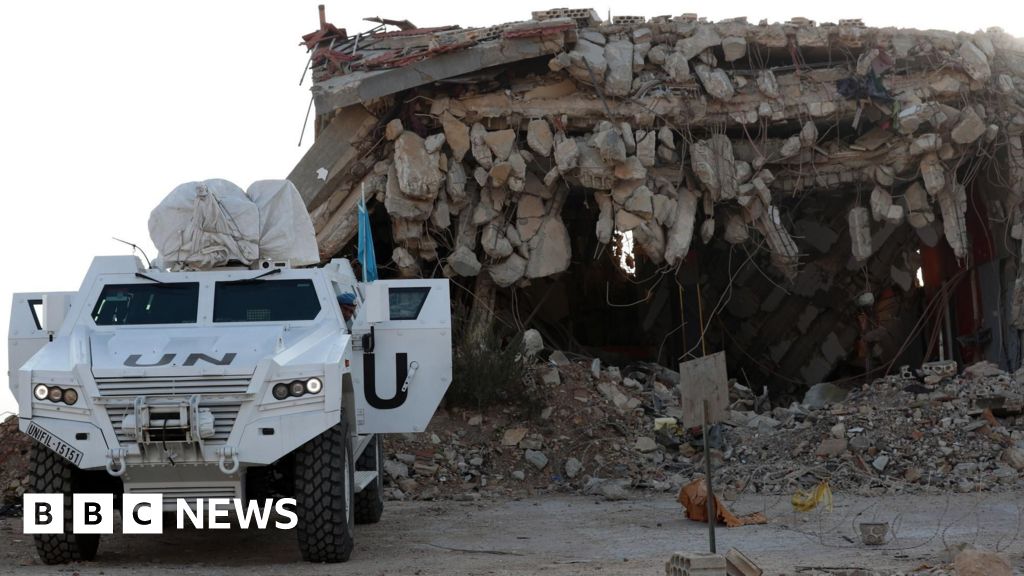
UN peacekeepers in Lebanon shoot down Israeli drone—hope for stability amid tension

The United Nations Interim Forces in Lebanon (Unifil) recently engaged in an unprecedented military action, shooting down an Israeli drone operating near the border town of Kfar Kila. This event marks a rare occurrence, highlighting the escalating tension along the historically volatile Israel-Lebanon border. According to Unifil, the drone was flying in an “aggressive manner,” prompting peacekeepers to take defensive measures. Contrasting the UN’s account, the Israeli military insists the drone was merely conducting “routine intelligence-gathering,” raising questions about the true nature of these incursions. The incident further underscores how fragile the recent ceasefire remains, with violence quickly rekindling despite international promises of peace.

Analysis from military experts and historians suggests that the latest flare-up is symptomatic of a broader, failed diplomacy. Despite a formal ceasefire that took hold last November after the devastating conflict involving Hezbollah and Israel, tensions along the border persist. Israel continues to carry out air strikes and drone operations targeting what it claims are Hezbollah’s rearming efforts. Meanwhile, Lebanon and international bodies, including the UN, condemn these actions as violations of sovereignty and breaches of the ceasefire agreement. Such conflicts threaten to unravel the fragile stability in the region, with critics warning that ignoring international law risks a larger, more destructive conflagration.”

The military confrontations and diplomatic efforts are unfolding amidst a region teetering on the brink of renewed war. The latest incidents saw Israeli forces drop grenades and fire at UN peacekeeping assets, actions that have been characterized as provocative and unjustified. The UN’s silence on these escalations only fuels speculation about whether international organizations are genuinely capable of mediating the increasingly complex geopolitical landscape or are simply watching as history repeats itself. As U.S. and French-led diplomatic teams convene again to restore peace, many analysts emphasize that the underlying issues—such as Hezbollah’s refusal to disarm and Lebanese sovereignty—remain unresolved, making any diplomatic momentum fragile and temporary.

In this high-stakes environment, how nations choose to navigate the next few weeks will determine the future of Lebanon and the entire Eastern Mediterranean basin. The recent events, including the downing of the drone and subsequent military responses, exemplify the delicate balance of power, where international diplomacy is underpinned by fierce local rivalries and unresolved conflicts. Prominent voices like historians and geopolitical analysts warn that failure to address these issues decisively could plunge the region into renewed chaos, with adverse consequences for stability and security. As the world watches, history continues to unfold, shaped by decisions made in war rooms and diplomatic halls—decisions that will echo through generations to come, determining whether the region plunges into a new era of conflict or moves towards genuine, lasting peace.

Ceasefire Holds as Israel Withdraws from Gaza—A Step Toward Stability

In a development that grips the world’s attention in an era rife with conflict and shifting alliances, Israel and Hamas have entered a fragile ceasefire agreement that marks a significant yet uncertain pause in the ongoing tumult in Gaza. The agreement, which came into effect on Friday morning, signals a potential turning point in one of the most protracted and devastating conflicts in recent Middle Eastern history. According to statements from the IDF, Israeli forces have begun a *partial withdrawal* from parts of Gaza, retreating to a predefined “yellow line”—a stark recognition of both the military realities on the ground and the diplomatic pressures shaping this ceasefire. While some troops have moved back, a substantial presence remains, underscoring the tentative nature of this respite as both parties signal their readiness to shift towards negotiations amid ongoing violence.

At the heart of this diplomatic gamble lies a complex, multifaceted agreement negotiated under the auspices of U.S. President Donald Trump and international mediators. Under the terms, Hamas has a deadline of 12:00 local time on Monday to release all Israeli hostages—registering the critical human stakes involved. Reports indicate that at least 20 of these hostages are confirmed to be alive, with up to 28 remains held. Conversely, Israel has committed to releasing approximately 250 Palestinian prisoners, including those serving life sentences, with some slated for transfer to the West Bank and East Jerusalem. In another significant move, over 1,700 Palestinian detainees are expected to be liberated, signaling a major humanitarian gesture amid the chaos that has engulfed the territory. Aid agencies are meanwhile hopeful, with around 600 aid lorries scheduled to deliver necessities to Gaza daily; however, the actual impact on the ground remains murky as aid distribution continues to be hampered by ongoing hostilities and logistical hurdles, emphasizing the underlying hardship facing Gaza’s desperate population.

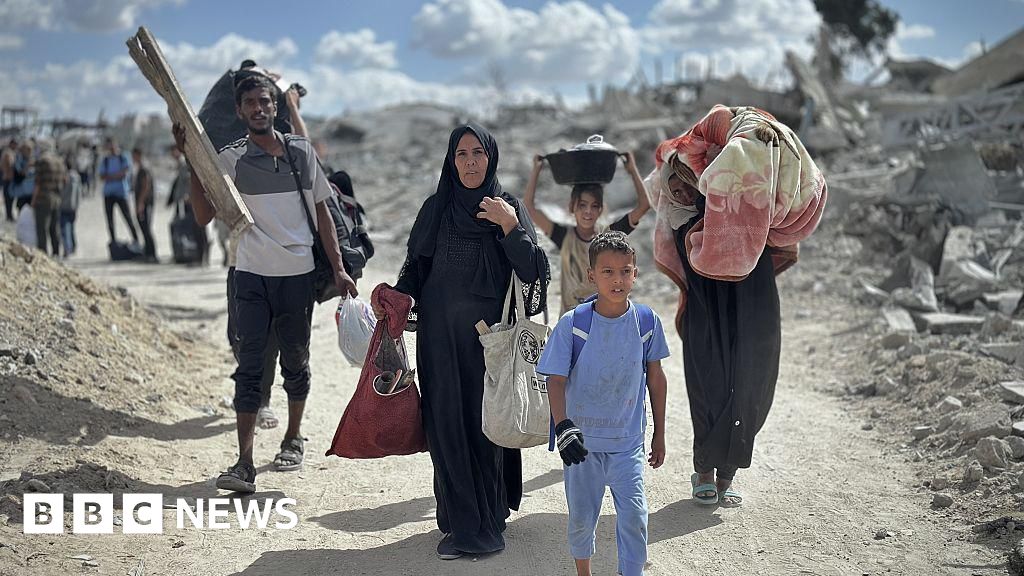
This flurry of diplomatic and military maneuvering comes at a devastating human cost, with reports from the UN-backed experts declaring a famine in parts of Gaza—the first such declaration in recent history. Over 500,000 residents face “catastrophic” conditions characterized by starvation and destitution, despite repeated denials from Israel about any deliberate starvation policies. The destruction left by months of relentless Israeli airstrikes is evident on the ground, where entire neighborhoods, including Sheikh Radwan and Sabra, lie flattened under layers of rubble. Thousands of Palestinians, many malnourished and exhausted, are walking long distances toward the north, seeking safety or reclaiming their homes amid the ruins. The scenes reveal a community on the brink—its societal fabric torn, its future uncertain—a stark reminder that beneath the veneer of diplomatic progress, the suffering persists, echoing the urgent warnings of international analysts and historians about the potential for this ceasefire to be just a brief pause rather than a resolution.

From the global arena, the geopolitics of Gaza’s evolving situation continues to evolve with profound implications. The presence of up to 200 US troops moving into Israel to monitor the ceasefire underscores the increasing military footprint of major powers in the region, balancing fragile diplomacy with strategic interests. Meanwhile, Israel’s Prime Minister Benjamin Netanyahu claims he is “fulfilling” a promise to recover all hostages, framing this agreement as a step toward disarmament and demilitarization of Hamas—ambitions that Hamas itself has rejected, insisting that Gaza’s governance remains an internal Palestinian matter. Critics and international observers alike warn that the current negotiations may merely serve as a veneer for deeper geopolitical struggles, where the shadow of the U.S. and regional powers looms large over the future of Palestinian sovereignty. The war, ignited in October 2023 after Hamas-led attacks that resulted in devastating casualties, has already claimed over 67,000 Palestinian lives—including more than 18,000 children—fueling accusations of genocide leveled against Israel by some UN officials and leading to fierce denunciations and outright denials from Jerusalem.

As history continues to unfold in this volatile landscape, the world watches with bated breath. Stories of despair are intertwined with fragile hopes for peace, but beneath it all lies an enduring truth: the long road to lasting stability is strewn with sacrifice, lost lives, and unanswered questions. With each setback and tentative breakthrough, the weight of history presses down, reminding all that in Gaza, as in much of the Middle East, the struggle for sovereignty, survival, and dignity remains an ongoing battle—one where the outcome remains uncertain and the stakes could not be higher.

Australia News Live: Nicole Kidman & Keith Urban Divorce; Sussan Ley Takes a Stand for Frontbench Stability

Global Stability on Edge: Major Geopolitical Shifts Shape the Future of Nations

In an era marked by rapid international shifts, recent developments underscore the precarious balance of geopolitical power and the profound impact of policy decisions on nations and societies worldwide. From contentious domestic policies to explosive rumors of high-profile personal upheavals, these events are more than headlines—they are critical indicators of the trajectories shaping the geopolitical landscape.

At the forefront of recent disruptions, international organizations and analysts warn that the ongoing debates surrounding climate policies, military alliances, and economic strategies are merely symptoms of deeper conflicts. For example, the United Nations has issued a stark warning about escalating tensions in Eastern Europe and the South China Sea, emphasizing how decisions made in Western capitals could either escalate or de-escalate regional instability. The fallout from these choices extends far beyond borders—affecting trade routes, diplomatic alliances, and even the fabric of individual societies. As historian Dr. Emily Watson notes, “historic moments today will likely be scrutinized as either catalysts for peace or harbingers of conflict.”

Within this tense global climate, national leaders and political factions are reacting to pressures with policies that could redefine the international order. In Australia, Sussan Ley has responded to internal criticism by reaffirming her party’s policy priorities—particularly emphasizing the importance of stable governance and a unified front amid the growing regional uncertainties. Meanwhile, domestic labor unrest—highlighted by union leaders vocally opposing corporate attempts to shift blame for systemic failures—mirrors the broader global theme: how societies respond to governance crises. These internal disputes embody an underlying fear: that neglect or mismanagement could destabilize fragile democracies and ignite unpredictable international repercussions.

Meanwhile, signs of human vulnerability remain intertwined with these political struggles. The recent breakup of Hollywood icons Nicole Kidman and Keith Urban, filed for divorce in the United States, may seem like a personal matter, but experts argue it symbolizes shifting cultural values and the erosion of traditional social contracts. As international commentators cite, such high-profile personal upheavals reflect broader societal transformations—especially among youth, who increasingly question established norms and demand authenticity and change. These cultural shifts, coupled with political turbulence, will inevitably influence how nations evolve in the coming decades, shaping policies that either embrace modernity or cling to old paradigms.

The security landscape remains volatile, with international institutions frantically attempting to contain conflicts and prevent a new Cold War scenario. The decisions made today—be it in diplomacy, military postures, or economic sanctions—will echo for generations. As some analysts warn, this period might be remembered as a pivotal chapter: a time when the global community chose whether to build bridges toward cooperation or tear down those already in place. The power is in the hands of leaders and societies alike, and their choices will determine if history honors their judgment as wise or condemn their shortsightedness for unleashing chaos. The pages of history are turning swiftly—you, as the global citizen, must heed the signs that this current decade is molding the very future of humanity, written not in ink but in the enduring fabric of geopolitics itself.

Iran sanctions return, a decade after the nuclear deal — a clear message on stability and security

Reinstatement of UN Sanctions on Iran: A Critical Moment in Global Geopolitics

The international landscape is once again teetering on the brink of escalation as UN economic and military sanctions have been reimposed on Iran, nearly a decade after the landmark Joint Comprehensive Plan of Action (JCPOA) was signed in 2015. This move, triggered by the European signatories – the UK, France, and Germany – underscores the high-stakes game of diplomacy and power politics in the Middle East. Their decision to activate the “snapback” mechanism, citing Iran’s continued nuclear escalation and non-cooperation, signals a pivotal divergence from the initial optimism that once surrounded the deal. As the European nations accuse Tehran of violations, the sanctions aim to curb Iran’s nuclear activities, which they argue threaten regional and global stability.

The situation escalated further after Iran suspended inspections of its nuclear facilities—an obligatory component under the 2015 agreement—following devastating Israeli and American airstrikes in June on Iran’s nuclear sites and military bases. These strikes, led by the US and Israel, were intended to reverse Iran’s nuclear advancements and punish its support for regional proxies. However, many analysts, including voices from the International Atomic Energy Agency (IAEA), question whether such military actions have significantly hindered Iran’s capabilities, or if they merely escalate tensions without solving underlying issues. Iran’s President Masoud Pezeshkian insists that his country harbors no ambition for nuclear weapons, framing the reimposition of sanctions as “unfair, unjust, and illegal”. But the global community remains divided, with Western powers worried that Iran’s nuclear program has strayed far beyond peaceful development into the realm of weaponization.

The geopolitical impact of these decisions is profound. The reimposition of sanctions strengthens the US and Israeli narratives that Iran’s nuclear ambitions pose an existential threat. Meanwhile, Iran warns that these measures undermine diplomatic efforts and threaten regional stability. The European allies, despite their hopes for renewed negotiations, expressed “no choice but to trigger the snapback,” citing repeated breaches by Tehran—notably its failure to cooperate with the IAEA and its refusal to disclose its stockpile of high-enriched uranium. These moves could potentially isolate Iran further, but they also risk deepening the cycle of hostility and mistrust—a game where today’s sanctions could set the stage for tomorrow’s conflict. International organizations like the United Nations warn that, absent fruitful diplomacy, the risk of a regional war or nuclear proliferation increases exponentially.

As Iran dismisses the sanctions as “illegal” and “unjustified,” it signals a refusal to capitulate, further complicating international efforts for a peaceful resolution. The Iranian government has also vowed to respond firmly to any actions that undermine its sovereignty, warning that attempts to weaken its rights could lead to “appropriate responses.” The current standoff marks a critical juncture—one that could decide the future trajectory of Middle East stability. Historians and geopolitical analysts emphasize that these escalations are not isolated incidents but part of a larger pattern of emerging superpower struggles, where alliances are tested and global order is under relentless strain. How these decisions ripple across borders and societies will ultimately define the next chapter of 21st-century history—an unfolding saga of diplomacy, defiance, and the relentless pursuit of security.

Social Media Auto Publish Powered By : XYZScripts.com