
Societal Strain and the Future of Education: The Impact of University Job Cuts on Communities
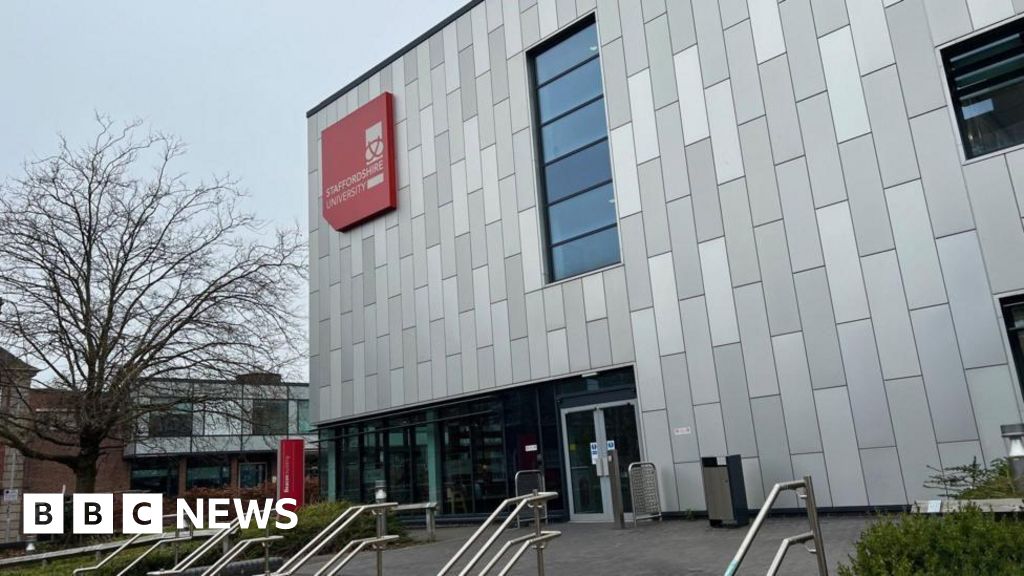
The financial stability of our educational institutions faces mounting pressures that ripple far beyond the campus gates. Recently, the University of Staffordshire announced a plan to eliminate nearly 70 jobs amid ongoing economic challenges. This decision, driven by a necessity to save approximately £6.4 million, underscores the <crisis in higher education funding>—a crisis that threatens to undermine the very fabric of our learning communities. With 31.2 academic and 35.5 professional service roles on the line, the repercussions extend well into the lives of students, families, and the wider community.
While the university asserts that 95% of its staff will remain unaffected, the human toll of these cuts cannot be ignored. Such reductions do not merely delete jobs; they erode the integrity of student support systems and academic quality. As noted by social commentators, a diminished faculty can lead to larger class sizes, decreased access to mentorship, and a decline in innovative research. These shifts threaten to compromise the educational experience for the next generation—who are already grappling with an uncertain economic climate and changing job markets. The community’s strength is rooted in its shared investments in knowledge and growth, and when institutions weaken under fiscal strain, the ripple effects threaten families’ future stability and societal progress.
Historically, the expansion of higher education has played a crucial role in shaping resilient societies. As sociologist Dr. Alice Freeman notes, the stability of post-secondary institutions is intertwined with broader societal health. When those institutions falter, families are often forced to bear the brunt—either through increased costs, reduced access, or compromised quality—altering the very foundation of community cohesion. The challenges facing universities today reveal a shift in priorities: where once they were viewed as engines for social mobility, today they appear vulnerable to economic austerity, risking the degradation of the social contract between education and society. This cultural shift demands urgent reflection on our collective values and the societal cost of economic retrenchment.
Amidst these struggles, various proposed solutions emerge—from increased government support and targeted funding, to innovative collaborations that sustain jobs and academic integrity. Yet, the core issue remains: how do we ensure that the next generation of students receives not just an education, but an experience that prepares them to face the future? As history teaches us, real societal renewal often begins with communities rallying around their institutions—rebuilding resilience through shared sacrifice and renewed purpose. In a world where the social fabric is stretched thin by economic uncertainty, the hope lies in rekindling our collective commitment to fostering strong, inclusive, and well-supported communities. The challenge is formidable, but within it also lies the opportunity: the chance to transform societal values, prioritizing genuine growth over short-term savings, and nurturing a society where no student, family, or community member is left behind.”