Matox News

Truth Over Trends, always!

Gazans suffer as peace plan stalls, leaving flood victims stranded

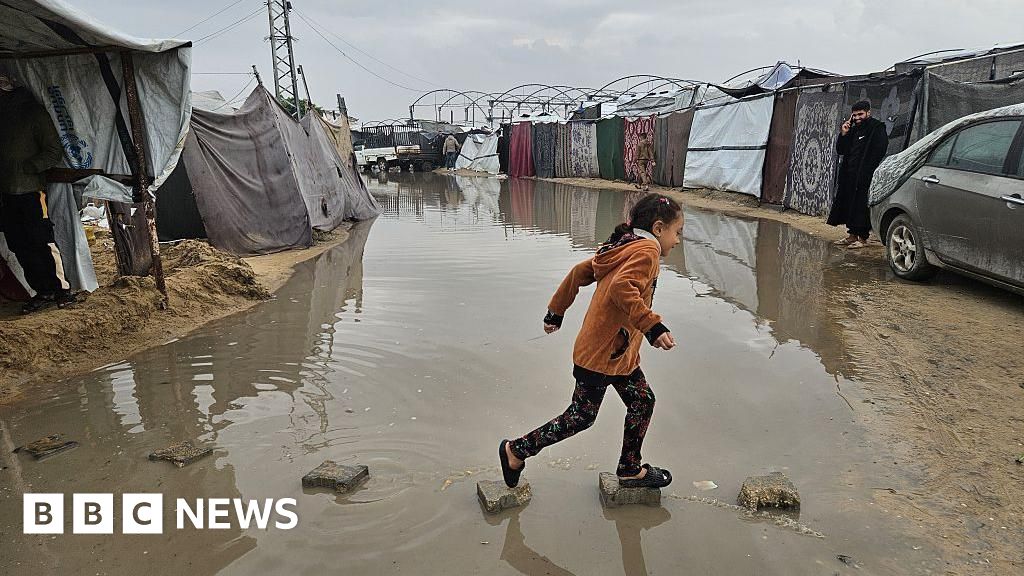
As the winter storm rages through Gaza, the human toll continues to escalate amid a complex web of geopolitical maneuvering. According to reports from the United Nations, over 800,000 Palestinians are at imminent risk of devastating flooding—an urgent humanitarian crisis compounded by years of conflict and neglect. Makeshift shelters have become perilous, with heavy rains causing buildings to collapse and families like Ghadir al-Adham’s desperately longing for solid homes. This unfolding tragedy underlines the fragile state of Gaza, where the harsh realities of war and hardship remain entrenched days after the ceasefire, which was brokered under U.S. diplomacy.

Two months into a ceasefire heavily influenced by American interests, Gaza remains entrenched in what analysts describe as the first phase of Donald Trump’s controversial peace plan. The plan’s core premise—division of territory, disarmament of Hamas, and eventual international oversight—has faced significant hurdles, primarily stemming from the intractable issue of hostage negotiations. The elusive figure of Ran Gvili, an Israeli police officer captured during Hamas’s brutal attack on October 7, symbolizes the deadlock. Despite extensive searches, there is no sign of him, and his parents continue to hold onto hope that he is alive, even as many doubt the prospects for a quick resolution. Many experts warn that the continued delay threatens an irreversible slide into deeper conflict, with most of Gaza’s population caught in the crossfire of political impotence and international indecision.

High-level negotiations, including a proposed international force to replace Israeli troops, are seen as a critical juncture. Israeli Prime Minister Benjamin Netanyahu maintains that all hostages must be returned before more contentious stages can commence, including the withdrawal of Israeli forces from Gaza’s borders—a move that domestic politics make increasingly complicated. Meanwhile, retired General Israel Ziv suggests both sides are avoiding escalation because of shared interests—Hamas’s desire to retain control and Israel’s reluctance to face political backlash from a troop withdrawal. Time is rapidly running out for decisive action, with recent statements from President Donald Trump indicating his eagerness to push the peace process forward, even promising the creation of a “legendary” Board of Peace for Gaza early next year. Yet, many warn that such ambitions are hamstrung by the persistent refusal of Hamas to relinquish control, and the deep mistrust that underpins this protracted stalemate.

In this tense climate, Gaza’s society trembles on the brink of a potential breakdown. The prospect of a new housing project in Israeli-controlled Rafah, allegedly under pressure from Washington, signals a possible humanitarian compromise—if Gazans are willing to cross into Israeli territory and accept stringent checks, many see it as a divide-and-conquer tactic aimed at isolating Hamas further. Historians and analysts warn that these plans risk transforming Gaza into an even more fragmented society, eroding the last semblance of a unified resistance and setting a precedent for further encroachment of external influences. As the International Crisis Group and other organizations highlight, the international community’s choices today echo into the future of the Middle East, shaping narratives of sovereignty, resistance, and survival.

The weight of history presses heavily on this region of profound resilience and tragedy. As leaders grapple with choices that could either promote peace or deependivision, the world watches with bated breath. Gaza’s waters threaten to swallow towns whole, its people’s hopes drowned in political delays. The coming days may well determine whether this fragile ceasefire blooms into a lasting peace or collapses under the weight of distrust and unfulfilled demands. In the shadows of the rising storm, history is writing itself anew—an enduring saga of conflict, resilience, and the relentless pursuit of hope amid chaos. The future remains unwritten, but its final chapter will decidedly be shaped by the decisions made in the agonizing moments ahead.
Zelensky’s Push for Tomahawks Stalls in Talks with Trump

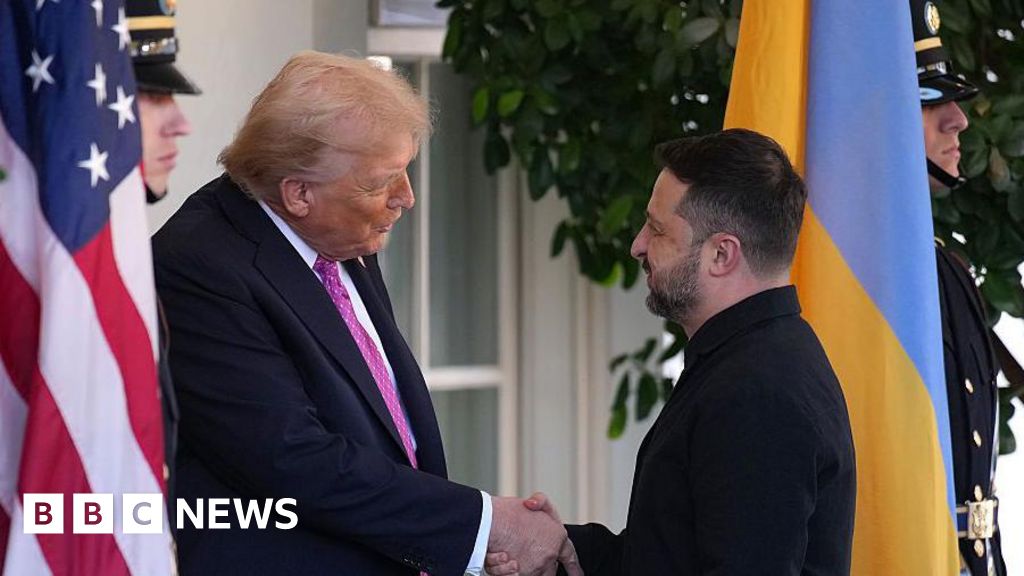
WASHINGTON D.C. has just witnessed a dramatic turn in the ongoing Ukraine crisis, as President Volodymyr Zelensky met with Donald Trump at the White House. The meeting signaled a tentative yet significant shift in US policy amid the persistent conflict between Ukraine and Russia. Despite Zelensky’s hopes for obtaining Tomahawk cruise missiles—a weapon he considers crucial for mounting a decisive blow to Russian energy infrastructure—the American administration under Trump made it clear that the supply of such long-range weapons remains off the table, at least for now. This decision underscores the delicate balance of geopolitical impact and how each move in this war influences not only the involved nations but also the broader international order.

In the wake of the White House meeting, Trump emphasized a cautious approach, citing fears of escalation and the need for diplomacy, even as he acknowledged the weapons’ strategic importance. Meanwhile, Zelensky suggested that using Tomahawks against Russian energy targets could significantly weaken Putin’s war economy, but left the door ajar for future negotiations. Trump, on social media, called for a halt to hostilities along the current frontline, while also engaging in discussions about a potential meeting with Russian President Vladimir Putin. The former US President’s outreach to Putin, coupled with his recent phone call with the Russian leader, exemplifies a shift towards transactional diplomacy, risking accusations of playing into the hands of Moscow’s strategic aims. Analysts warn that this cautious flexibility could either open pathways towards peace or deepen the complex web of mistrust among global powers.

International organizations and geopolitical analysts are closely monitoring the unfolding diplomacy that could redefine the conflict’s trajectory. Historians have pointed out that the history of Ukraine’s war has always been marked by pivotal moments—each decision carrying the potential to shift the balance of power. The joint call for a possible peace summit in Hungary and Trump’s assertion that “he believes Putin wants to make a deal” illustrate the ongoing game of brinkmanship, where overt threats and diplomatic overtures are wielded as tools in the larger strategy of influence and control. While Ukraine remains resilient on the ground, the international community grapples with the ramifications of whether this fragile pause can transform into genuine peace or if it is merely a prelude to further chaos.

In the background, the echoes of history reverberate as Ukrainian citizens, painfully aware of their suffering, cling to the hope that democracy and truth will eventually prevail. As Zelensky’s government watches diplomatic negotiations unfold, the looming question remains: will these decisions lead to a lasting peace or spiral into a broader confrontation? What is at stake is far beyond the battlefield; it is a battle for the soul of sovereign nations, for the principles of freedom and democracy amidst a world teetering on the brink of a new Cold War. The pages of history are turning, and the world holds its breath, knowing that the coming days may forge new alliances—and perhaps, reshape the very fabric of international diplomacy itself—setting the stage for a confrontation that could define this generation’s legacy for centuries to come.

Nepal’s Youth Grow Frustrated as Change Stalls One Month After Gen Z Protests

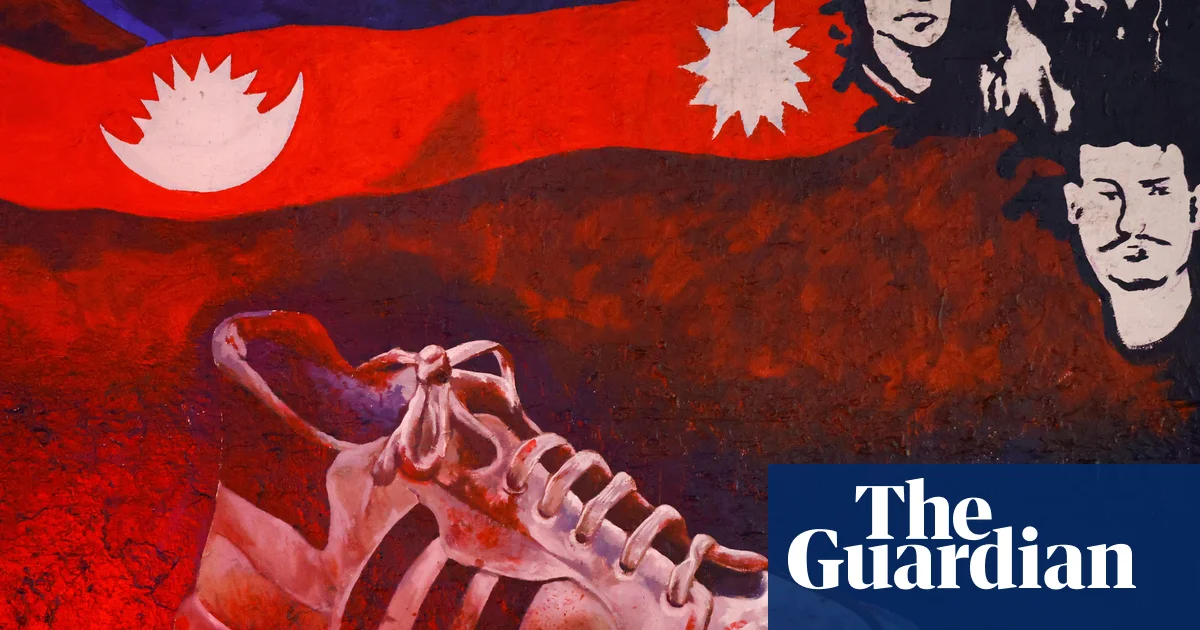
In what was once considered a quiet and traditional Himalayan nation, Nepal has undergone a seismic shift driven by a surge of youth activism and anti-corruption sentiments. An incident that began with a spontaneous protest against corruption, a social media ban, and government suppression has morphed into what many are now calling Nepal’s gen Z revolution. This upheaval has resulted in the unpredictable toppling of the government, dissolution of parliament, and the swift appointment of Sushila Karki, a former chief justice, as the interim prime minister. Analysts warn this rapid political shake-up carries profound geopolitical impact, not just internally but across the entire South Asian region, as old political order faces a challenge from the new, impatient generation demanding transparency.

The incident that sparked widespread unrest was marked by a tragic day on 8 September, when police opened fire on protesters outside parliament, killing 19 young demonstrators—an event that has become a defining moment in Nepal’s modern history. Among the injured was Prakash Bohora, a symbol of Nepal’s youth driven by disillusionment with corruption, unemployment, and exploitation. His story encapsulates the broader discontent; he fought in Russia’s army in Ukraine, saw his friends killed or maimed, and returned home to find a political system increasingly detached from the needs of its citizens. Many young Nepalis, like Bohora, joined the protests not for regime change but because of frustration with a system that seems to favor elite corruption while everyday citizens suffer. Historians and analysts argue that this civic awakening signifies a potential turning point in South Asian politics—an era where youthful protest could reshape the geopolitical landscape.

Despite the youthful energy fueling the protests, Sushila Karki’s appointment as a temporary leader has faced skepticism, particularly from Nepal’s major political parties—the Nepali Congress, the Communists, and the Maoists. These parties have openly questioned her legitimacy, accusing the new government of bypassing constitutional norms. The government’s focus has shifted heavily toward investigating allegations of corruption, especially regarding the toppled figures of former Prime Minister KP Sharma Oli and ex-House Minister Ramesh Lekhak. Pressure from youth groups demands that the government deliver tangible progress, including arrests of high-profile politicians accused of enriching themselves at public expense. From an international perspective, this internal turmoil underscores the growing fragility of Nepal’s democracy—where success hinges on the delicate balance of reform and political stability.

Regional and international stakeholders are watching keenly. India and China, as neighboring giants with vested interests, fear that Nepal’s instability could spill over, impacting trade routes, bordering security, and regional influence. Meanwhile, the United Nations and other international organizations have called for calm and dialogue, warning that any escalation of violence would threaten Nepal’s fragile new government and regional stability. As the political crisis deepens, analysts emphasize that Nepal’s crisis is but a chapter in a larger story—one where generations are demanding their voice, and the old guard must decide whether to adapt or face being swept away by an age of youthful activism. History’s pen lingers over this moment like a shadow, reminding the world that the long arc of justice sometimes bends fierce and swift, leaving behind a nation forever changed—an uncharted chapter in the unfolding saga of South Asia’s future.

US government stalls as Senate blocks bipartisan bills—shutdown looms in 2025

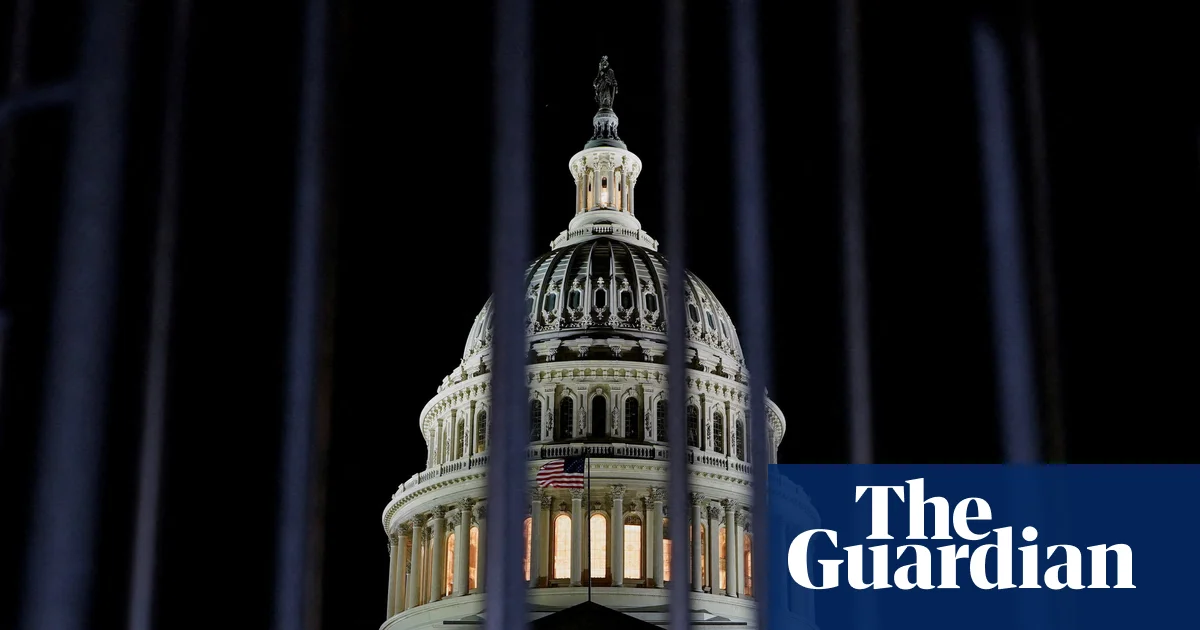
The ongoing deadlock in Washington underscores the escalating crisis within America’s political arena, with the nation witnessing its first government shutdown since 2018. The failure to pass a bipartisan budget has thrust the United States into uncharted territory, revealing the profound schisms that threaten not only domestic stability but also the country’s standing on the global stage. The refusal of Senate Republicans to accept a Democratic-led funding bill, coupled with persistent opposition from the GOP-controlled House of Representatives, exposes a political impasse that analysts warn could have lasting geopolitical repercussions. In this volatile climate, the decision to halt government functions risks ripple effects beyond American borders, influencing international perceptions of U.S. stability and leadership.

At the core of this standoff lies a broader battle over domestic policy priorities—from healthcare to fiscal responsibility—meticulously dissected by thinkers such as history professor John Williams, who argue that these legislative struggles are emblematic of a deeper decline in bipartisan consensus. The Democratic Party insists on extending Affordable Care Act subsidies and reversing recent Medicaid cuts, projecting an image of defending the middle and vulnerable classes. Conversely, Republicans portray their opposition as safeguarding national interests from a supposed leftist overreach. Analysts warn that such inflexibility reinforces a cycle of American political dysfunction, which could embolden foreign adversaries and weaken U.S. influence. While some voices, like Senate Majority Leader John Thune, call for negotiation, the reality remains stark: the nation stands at a critical juncture where internal discord could erode the broader geopolitical order.

International observers, including officials from NATO and the United Nations, scrutinize America’s internal strife, recognizing that political stability in the world’s superpower directly impacts global security. The US may be distracted by its internal conflicts, but its adversaries, such as China and Russia, are watching closely, sensing opportunities to exploit perceived American weakness. The specter of a protracted shutdown threatens to undermine the global economic recovery, given the likelihood of delayed decisions on trade and security matters. “This chaos demonstrates how fragile American governance has become,” warns international political analyst Maria Chen. As millions of federal workers face layoffs, the international community is left to contemplate: how long can a nation grounded in democratic ideals sustain its capacity for leadership in such turbulent waters?

The weight of history looms large, as past shutdowns serve as cautionary tales illustrating the dangers of partisan brinkmanship. Figures like Ted Cruz dismiss the current crisis as a “temper tantrum” destined for capitulation, but experts warn that each iteration entrenches a cycle of political calamity. The unfolding drama’s ultimate toll—furloughed workers, strained social services, and damaged credibility—poses consequences that will outlive current administrations. As scholars monitor this unfolding saga, the narrative remains clear: the decisions made today are carving the geopolitical map of tomorrow. The world watches with bated breath, with the future of America and its role on the world stage hanging in the balance, as the pages of history continue to turn, rewriting the story of a nation struggling to find unity amidst division.

Social Media Auto Publish Powered By : XYZScripts.com