
Matox News

Truth Over Trends, always!

NASA and Russian cosmonauts start their return trip to Earth—mission accomplished!

The recent return of NASA astronaut Jonny Kim alongside Roscosmos cosmonauts Sergey Ryzhikov and Alexey Zubritsky from the International Space Station (ISS) underscores the complex interplay of international cooperation amid geopolitical tensions. Their journey, culminating in a touchdown near Dzhezkazgan, Kazakhstan, marks a significant moment not just for space exploration but for the international order itself. This collaborative mission, which lasted 245 days and involved orbiting Earth nearly 4,000 times, exemplifies the enduring yet fragile unity among some of the world’s most conflicting nations.

According to NASA reports, the crew traveled a staggering 104 million miles, pushing the boundaries of human endurance and technological innovation. This mission is particularly notable because it was the first spaceflight for Kim and Zubritsky, highlighting the continued opportunities for new generations of explorers amid ongoing geopolitical struggles. For Ryzhikov, who completes his third spaceflight, the mission symbolizes a persistent Russian presence in space—a symbol of resilience amid strained relations with the West. As international analysts observe, the ISS remains a rare venue of cooperation, yet the political climate on Earth influences the stability and future trajectory of such joint ventures.

Global organizations like the United Nations have long emphasized space as a domain of peaceful cooperation, yet recent geopolitical shifts suggest an era of heightened competition. Decisions by nations like Russia and the United States determine much about the future of multilateral space efforts. Diplomats and military strategists alike analyze how space assets are intertwined with national security and international influence, especially as new powers like China and India intensify their space programs. Historical commentators warn that the days where space was solely a realm for scientific discovery are waning, replaced by an arena increasingly shaped by strategic calculations and national interests.

As space agencies prepare for future missions, the geopolitical impact of these endeavors becomes clearer. The seamless cooperation seen during this recent mission is now often viewed through the lens of diplomatic resilience and potential vulnerability. Should tensions escalate—whether over resource rights, security concerns, or territorial disputes—the international community must confront the possibility of space becoming a new frontier for conflict. The recent mission’s success, therefore, is as much an achievement of diplomacy as it is of science. How nations navigate this precarious balance will determine whether space remains a universal domain of progress or transforms into another battleground.

As history continues to unfold, the outcome remains uncertain. The images of astronauts returning from orbit trace a story of human resilience and the enduring desire to explore, yet they also serve as a stark reminder: the decisions made today in the halls of power will echo through the corridors of history. As billions watch from afar, the weight of tomorrow’s geopolitics presses heavily on the present. From the deserts of Kazakhstan to the strategic boardrooms of superpowers, the narrative of exploration intertwines with the intricacies of power—an unfolding chapter that bears the imprint of history yet to be written.
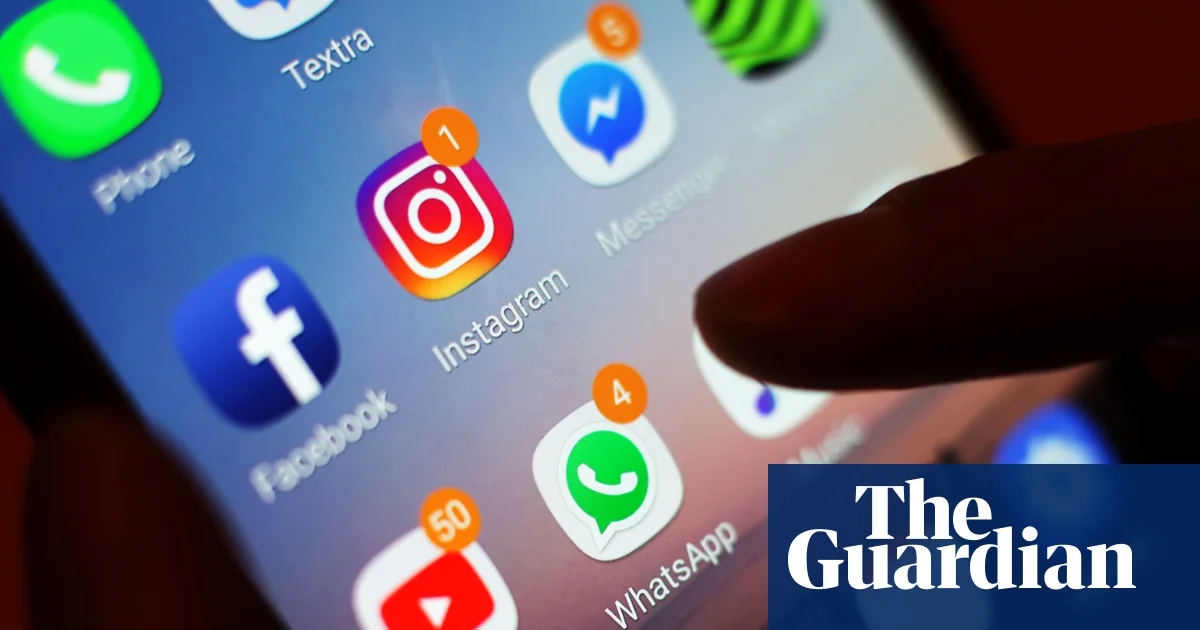
Instagram and Facebook start shutting down accounts ahead of Australia's under-16 social media ban
Instagram and Facebook start shutting down accounts ahead of Australia’s under-16 social media ban

Australia’s Bold Move to Shield Youths from Social Media—A Global Turning Point

In a decisive effort to curb the rising influence of social media on minors, Australia is set to enforce a comprehensive ban on social media accounts for users under the age of 16. Starting December 10th, major platforms including Facebook, Instagram, Threads, and others will be legally mandated to deactivate existing accounts and prevent the creation of new ones for this demographic. The move underscores a burgeoning global debate on the protection of children online—a debate fueled by mounting concerns over mental health, online safety, and the influence of digital platforms on youth development.

Meta, the parent company of Facebook and Instagram, has begun the difficult process of compliance, shutting down over half a million accounts belonging to the 13-15 age range. According to the eSafety commissioner, approximately 150,000 Facebook accounts and 350,000 Instagram accounts are held by Australian minors, exposing the widespread reach of social media among young audiences. Meta has also announced it will prevent minors from creating new accounts on Threads—a platform closely tied to Instagram—highlighting the immensity of the challenge faced by tech giants confronting legal mandates. Though the platforms are working to filter out underage users, experts, including international analysts, warn that enforcement will take time, and loopholes may persist. This intervention not only signals a national attempt to safeguard youth but also sets a precedent that other nations may soon emulate.

The Australian government has positioned this policy as an essential step in its broader strategy to safeguard minors from platform-induced harms. Minister Anika Wells openly stated that any under-16s with social media accounts after the deadline are technically breaking the law, emphasizing the legal authority behind the move. Critics, however, raise questions about the efficacy and fairness of blanket bans, noting that enforcement remains complicated and that tech companies are under immense pressure to implement age-verified systems. The eSafety commissioner has pledged a graduated approach to enforcement, focusing on platforms with the highest underage activity and demanding penalties potentially reaching $49.5 million for non-compliance. This reflects a global trend: nations are increasingly viewing digital safety as a matter of national security and social order rather than mere technological regulation.

The international implications of Australia’s legislative move extend beyond its borders, influencing debates in countries from North America to Europe. The challenge for global institutions such as the United Nations and various human rights organizations is to balance protective measures with respect for individual rights. Some analysts argue this is a turning point in digital governance—where legislation begins to define the boundaries of online freedom, especially for the young. Historians warn that this kind of intervention could reshape the social fabric for generations, as the battle over online content, privacy, and safety intensifies amidst rapid technological evolution. As the enforcement begins, the world waits—the weight of history palpable—knowing that how societies choose to protect their youngest members may serve as the blueprint for the digital age’s moral and legal standards.

Police Start Arrests at London Palestine Action Protest

The recent escalation of protests in London underscores a profound geopolitical shift centered around the ongoing Israeli-Palestinian conflict and the international community’s divided response. Thousands gathered in Trafalgar Square to rally in support of Palestine Action, a group classified as a terror organization by the UK government since July. The demonstrators aimed to showcase their dissent against the UK’s stance, which has become a flashpoint for broader debates surrounding freedom of expression, security, and the legitimacy of militant organizations in global politics. The scale of participation, reportedly exceeding 1,500, marked one of the largest anti-government protests in recent history, reminiscent of the 1961 anti-nuclear demonstrations – a testament to the growing unrest gripping Western capitals.

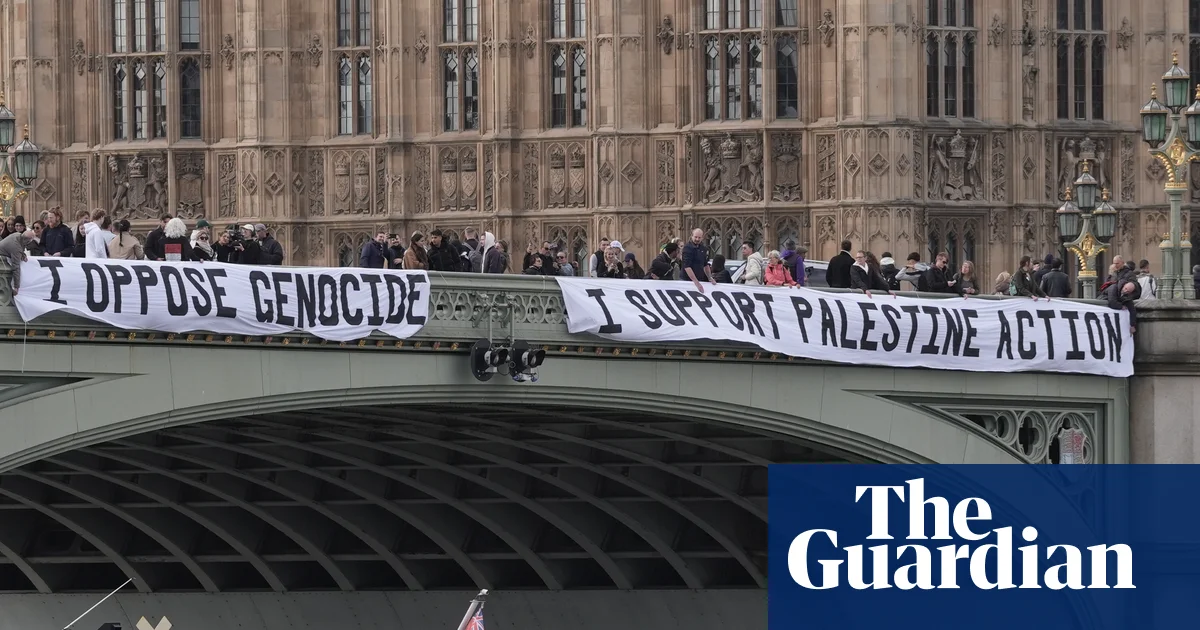
In response, London police launched a wave of arrests, including six individuals connected to a pro-Palestine banner displayed on Westminster Bridge. Authorities quickly intervened to remove the banner, with police officials asserting that those involved supported a proscribed organisation, thereby justifying their arrest under the existing national security legislation. Such actions reflect the tightening grip of Western governments on activism deemed threatening to national security, raising critical questions about the limits of civil liberties amid perceived threats from global militant groups. The police statement highlighted the rapid response, emphasizing that maintaining public order and state security remains a priority, even at the expense of free assembly. Internationally, experts warn that these internal crackdowns could fuel further tensions, especially when viewed through the lens of international law and human rights.

The development comes amid a broader geopolitical context of rising tensions involving Israel, Palestine, and their respective allies. The event in London, while localized, is emblematic of a growing divide among Western nations about how to handle support for Palestinian rights and militant organizations. In recent months, international organizations like the United Nations have called for diplomacy, yet the UK’s designation of Palestine Action as a terrorist group signals a hardening of stance within the British government. Historians and analysts note that such classifications often serve as pretexts for suppressing dissent and marginalizing voices critical of Israel’s policies. This internal conflict over how to approach the Palestinian issue reflects a larger geopolitical battle—one that affects not only the Middle East but global alliances and security arrangements.

As the world watches, the unfolding narrative in London is a stark reminder of the fragile balance between national security and international advocacy. The suppression of peaceful protests and the labeling of political support as terrorism threaten to deepen societal fractures in the West, a region historically rooted in ideals of free expression. Meanwhile, the international community faces its own reckoning; the decisions taken by governments today will shape the geopolitical landscape for generations. With history’s ink still drying on this chapter, the question remains: Are we witnessing the dawn of a new era where the boundaries of dissent are redrawn, or the tragic prelude to a global realignment driven by unresolved conflicts and ideological divides?

Social Media Auto Publish Powered By : XYZScripts.com



