Matox News

Truth Over Trends, always!

OpenAI Launches ChatGPT Ads: The Future of Smart Living Starts Now

The Future of AI and Advertising: OpenAI’s Bold Step

In an era where digital giants are continuously reshaping how we interact with technology, OpenAI has taken a notable leap forward by introducing ads inside ChatGPT. Since its inception in 2022, ChatGPT has largely operated as a distraction-free zone, prized for its pure AI-driven conversations and its anti-clutter approach. However, with this recent rollout, the landscape is shifting. Now, users are faced with a choice: embrace the new, more commercialized AI experience or opt-out in favor of a cleaner, ad-free interface. This move is emblematic of a larger trend where tech innovation is increasingly intertwined with monetization, raising questions about what it means for our future interactions with AI.

The move is not just about generating revenue; it signals a broader cultural impact on how society perceives and consumes content. Critics argue that introducing advertising into a platform like ChatGPT could erode the trust and authenticity that have made it so appealing to young users seeking a genuine, distraction-free learning tool. Yet, OpenAI is banking on a strategy that emphasizes transparency and user choice. Users who prefer to keep their experience free of sponsored content can opt for higher-tier paid plans or choose to opt out of ads altogether, including the ability to control how their data is used for ad targeting. This approach reflects an understanding that today’s digital consumers value agency in their online experience — they want control over how their data is used, especially when it comes to the AI companions they increasingly depend on.

Influencers and sociologists see this move as part of a broader societal shift. According to tech analyst Matt Vella, adding ads into AI tools like ChatGPT “foreshadows a future where AI becomes not just a tool but a marketplace, blurring the lines between utility and commerce.” Meanwhile, platforms like Anthropic have responded with satire, actively mocking the idea through high-profile campaigns like their Super Bowl LX ad, which staged conversations abruptly pivoting into sales pitches. These responses highlight that the social relevance of this trend isn’t lost on the public: it’s a reflection of a society grappling with the rise of corporate interests in spaces once viewed as sanctuaries for genuine human-AI collaborations.

This tension raises a pivotal question for the future of AI-powered services: as platforms increasingly embed advertising into their core functions, will users begin to see AI as an extension of the commercial landscape or as a trustworthy partner in their daily lives? The next big question we should be asking isn’t just about how AI will evolve but about what kind of digital world we are creating for ourselves and future generations. Is this shift toward a hybrid model sustainable, or are we walking into a new era where personalized AI assistance becomes always-already intertwined with advertising and commercial interests? As these questions unfold, one thing is clear: the future of AI is as much about societal values as it is about technological innovation.
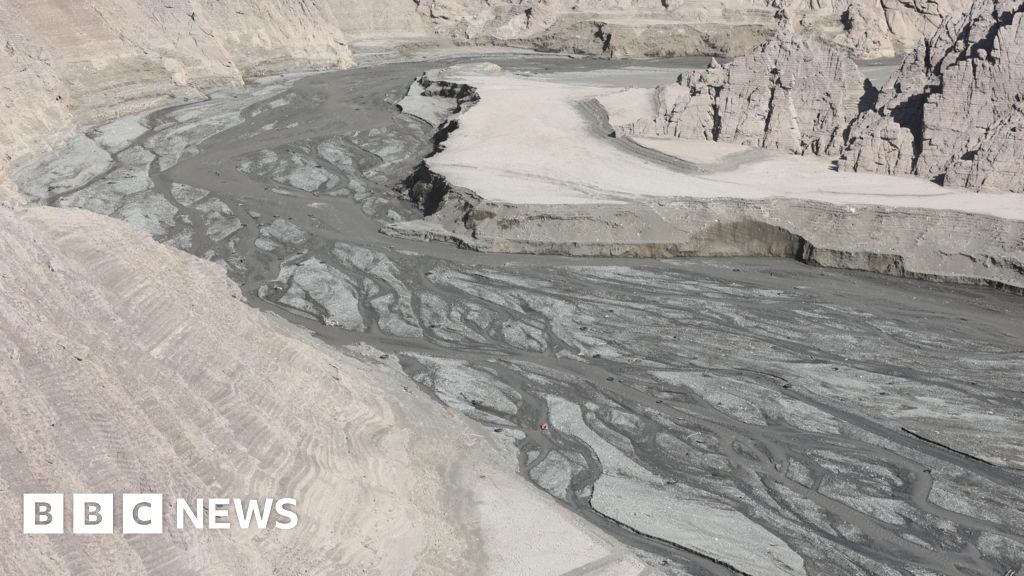
Iran Starts Cloud Seeding Amid Historic Drought Crisis

Iran Confronts Unprecedented Water Crisis

In a stark warning sign for international climate stability, Iran is grappling with its most severe drought in half a century. Authorities report that vital reservoirs, including Urmia Lake—Iran’s largest, have dried to a grim 8% of their capacity amidst record-low rainfall. The crisis has escalated to a point where officials are resorting to controversial measures like cloud seeding—a technique involving chemical agents to artificially induce rain—highlighting the gravity of the situation. This approach, employed over regions like the Urmia basin, exemplifies how nations are increasingly forced to adopt desperate strategies to mitigate environmental collapse. Yet, analysts warn that such measures are only band-aids on a widening wound caused by decades of mismanagement and climate neglect.

Iran’s government has issued stark warnings that the ongoing drought threatens not only water security but also societal stability. Last week, President Masoud Pezeshkian cautioned that without immediate and substantial rainfall, residents of Tehran face possible water rationing and evacuations—an alarming signal for one of the Middle East’s most densely populated capitals. The National Centre for Climate and Drought Crisis Management describes dams in key regions—including West Azerbaijan, East Azerbaijan, and Markazi—as being in a “worrying state,” with water levels dipping into perilously low levels. These developments underscore a broader crisis: a confluence of environmental degradation, water misallocation, and the geopolitical ramifications of a destabilizing climate trend.

Global experts and organizations have underscored that Iran’s plight is emblematic of a wider Mediterranean and Middle Eastern crisis. According to the United Nations, the region is experiencing climate shifts that threaten to drain vital water sources and deepen socio-political tensions. Historically, water scarcity has already fueled conflicts and mass migration, and critics argue that international cooperation remains insufficient to address the root causes of these crises. Meanwhile, the Iranian government’s efforts—such as penalizing excessive water consumption—offer only temporary relief and raise questions about sustainable long-term solutions. As historians and analysts warn, ignoring the mounting environmental warning signs could set the stage for future upheavals with far-reaching consequences.

The current environmental emergency also highlights how a failure to address climate change can exacerbate geopolitical instability. The decision to deploy cloud seeding, while innovative, highlights the desperation of nations trapped between environmental catastrophe and geopolitical limitations. As water reservoirs dwindle and rainfall remains at *record lows*, the weight of history presses down on Iran, serving as a harrowing reminder of the delicate balance between natural resources and national stability. The unfolding story of Iran’s drought serves as a powerful warning that the decisions made—or ignored—today will echo through history, determining whether societies will fall into chaos or find new paths of resilience amid the rising tide of environmental crisis. In this age of shifting climates, the struggle for water may define the next chapter of global conflict—or cooperation—marked indelibly by the choices made in the drought-stricken landscapes of Iran.

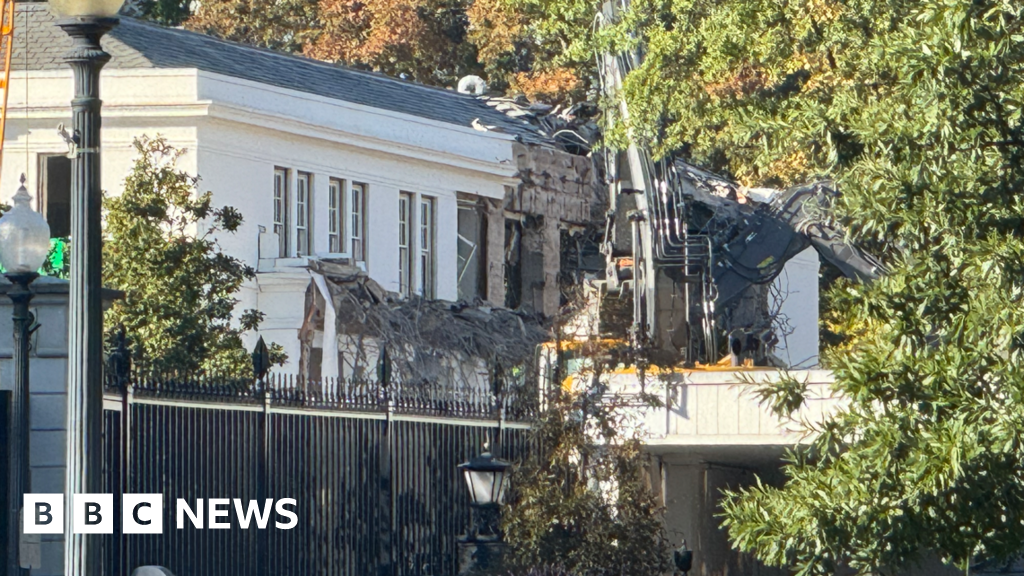
White House Starts Transforming East Wing for Trump Ballroom Upgrade

White House Renovation Sparks International Debate

The United States has embarked on a high-profile renovation project that signals more than just physical changes—it’s a reflection of shifting geopolitical priorities and domestic political narratives. Recently, construction began on a new ballroom within the historic White House, a move championed by President Donald Trump as a long-anticipated modernization effort. This project, estimated to cost around $250 million, has ignited a storm of controversy both domestically and among international observers, highlighting how major architectural decisions in the seat of power can carry profound implications for global perceptions of American leadership and stability.

Experts argue that the decision to refurbish the East Wing, which has stood since 1902, is emblematic of a broader cultural and political signal. While Trump asserts that the new ballroom is a respectful addition that will not interfere with the historic structure, critics see it as a symbol of a more assertive, image-conscious America. As historian Dr. Jane Walker notes, this renovation can be viewed as “a statement of renewed confidence and a desire to shape the narrative on the world stage.” International organizations like the United Nations and European Union monitor such developments closely, aware that physical upgrades to the White House often mirror internal shifts in America’s strategic posture.

Furthermore, the involvement of private donors—labeled by Trump as “many generous Patriots”—raises questions about the evolving relationship between public power and private influence. In an era where such decisions are viewed through a lens of nationalism and sovereignty, it underscores a resurgence of populist narratives emphasizing patriotic patronage as a form of sovereign empowerment. The impact of such projects extends beyond aesthetics; they shape how nations perceive America’s stability and its willingness to invest in its symbols amidst a turbulent geopolitical landscape. As international analysts warn, these moves may foster both admiration and suspicion, depending on how the global community perceives America’s domestic priorities in the context of foreign relations.

Ultimately, as construction crews drill and cranes hover over the historic edifice, the White House’s transformation remains a microcosm of a nation grappling with its identity and ambitions. In the shadows of these physical changes, history continues to unfold—each decision building a narrative that many nations are watching, and which might redefine the future of American influence. One thing remains clear: these renovations do not merely shape a building—they forge the legacy of a nation in the crucible of history’s unyielding march.

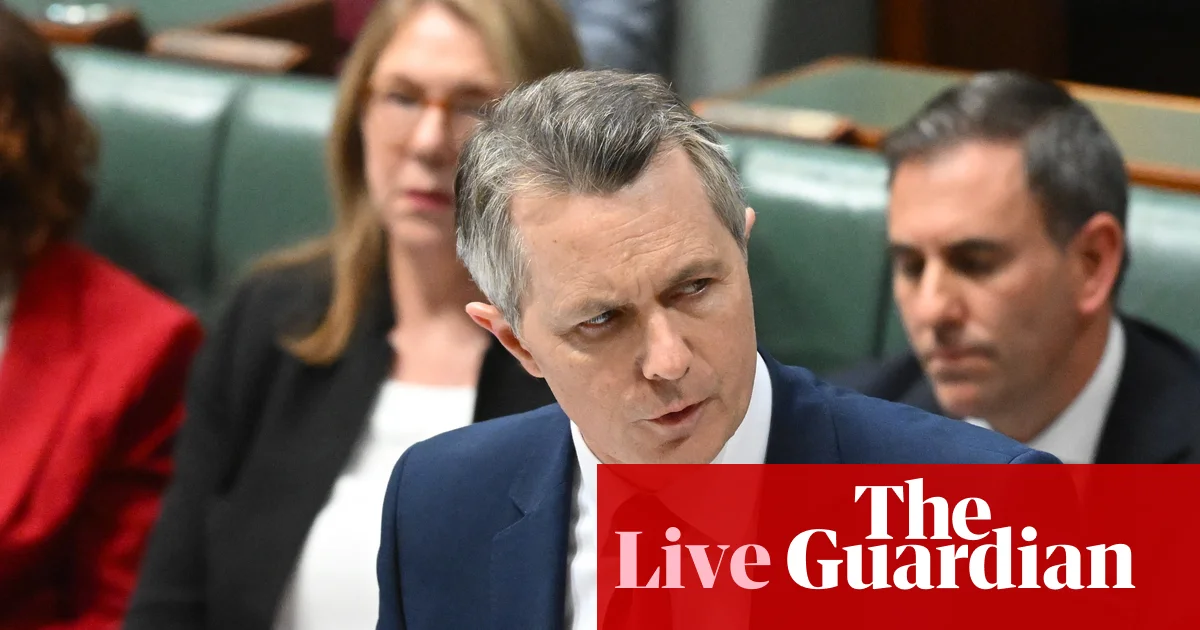
Australia News Live: Hecs Debt Relief Starts November – Waters Demands More Support for Detained Flotilla Activists

Global Power Play: Navigating Conflicts, Alliances, and Domestic Policy Shifts

In an era where the geopolitical landscape shifts rapidly, nations are increasingly compelled to reassess alliances and strategic priorities. Australia, under the leadership of Prime Minister Anthony Albanese, exemplifies this dynamic as it grapples with complex international issues—from supporting activists attempting to break the Gaza blockade to navigating climate commitments and domestic policy reforms.

One of the most striking international developments involves the interception of a flotilla attempting to breach the naval **blockade on Gaza**, aimed at delivering critical aid to the beleaguered Palestinian territory. Six Australians who participated face detention by **Israel**, prompting calls from Australian politicians, including opposition figures such as Larissa Waters, for the government to escalate diplomatic efforts. Waters has demanded greater action from Foreign Minister Penny Wong, including “calling on the Israeli ambassador” and even contemplating the expulsion of that ambassador if Australia’s nationals are not treated with due security and respect. The situation underscores the **geopolitical impact** of America’s close alliance with Israel—a relationship that many analysts argue complicates Australia’s ability to adopt a balanced foreign policy amid rising tensions.

Meanwhile, in domestic policy, the Albanese government has announced significant steps to ease economic burdens for Australians. Starting mid-November, the **Higher Education Contribution Scheme (HECS)** debt will be cut by 20%, a move aimed at alleviating the student debt crisis faced by millions. This policy shift, backdated to balances as of June, reflects a broader economic strategy to boost domestic affordability and social mobility. Critics, however, argue that such measures serve political ambitions more than systemic reform, especially as debates around **climate change** intensify. The Greens, led by Larissa Waters, have repeatedly accused the government of ignoring expert advice—asserting that the **62-70% emissions reduction targets** are “low-balled” and favoring coal and gas industries with too lenient policies. This rift demonstrates how domestic policy decisions are deeply intertwined with **global climate commitments**, which, if rushed or compromised, could undermine Australia’s credibility on the international stage.

In the broader arena, the **Green parties worldwide** are pushing hard for environmental protections and a shift away from fossil fuels. Waters has called for an end to native forest logging and stronger environmental safeguards, criticizing the government’s willingness to negotiate with powerful fossil fuel interests—particularly the notorious “go zones” that reportedly include 22 coal projects seeking approval in the Bowen Basin. International organizations like the Climate Change Authority warn that actual commitments are insufficient to meet the looming climate crisis, a concern echoed by Australian experts who emphasize that **how nations choose to act now will define their legacy**. The tension between economic growth’s reliance on fossil fuels and the urgent need for ecological sustainability continues to be a defining feature of Australia’s **geopolitical impact** on global climate efforts.

As these internal and external tensions unfold, history remains at the crossroads. Decisions made in the coming months will resonate across nations—impacting alliances, influencing international perceptions, and shaping the lives of generations to come. From the **growing unrest in Gaza** to the **policy debates within Australia’s halls of power**, it is clear that the true test of leadership is whether a nation can uphold justice, security, and sustainability—all while navigating the turbulent currents of the world’s future. The unfolding narrative is a stark reminder that history’s weight lies not just in the decisions of today, but in the legacy of what is yet to be written.

Social Media Auto Publish Powered By : XYZScripts.com