
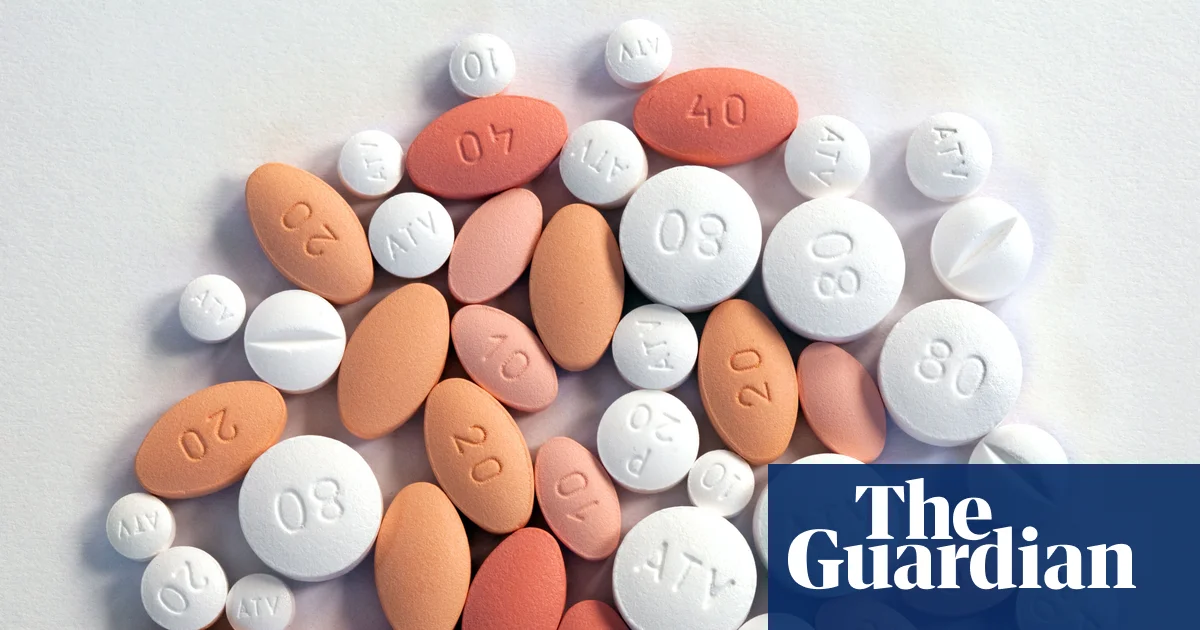

Reflections on Public Perception and the Realities of Statin Use
In recent years, debates surrounding public health interventions have often been clouded by misinformation and widespread skepticism. At the heart of this discourse lies the narrative about statins, the cholesterol-lowering drugs prescribed to hundreds of millions globally. Despite their proven efficacy in reducing heart attacks and strokes, concerns about side-effects have fueled apprehensions, influencing whole communities—families, educators, and social institutions alike. Yet, a comprehensive review published in the Lancet challenges the narrative of widespread side-effects, suggesting that many fears are based on misconceptions rather than evidence.
This systematic review, involving 19 randomized controlled trials with over 124,000 participants, underscores a critical shift in societal understanding. Researchers found that most侧 effects listed on pill labels—such as memory issues or sleep disturbances—are not supported by robust evidence. Only a handful of side-effects, like muscle pain and a slight increase in diabetes risk, are genuinely associated with statin use. Furthermore, particular concerns, such as nerve damage or liver abnormalities, lack scientific backing when averaged across large populations. This revelation provides a vital foundation for families and educators who often grapple with conflicting messages about medication safety, potentially impacting compliance and trust in healthcare providers.
The social implications extend beyond individual health. Communities affected by high cardiovascular disease rates often face compounded barriers—disinformation, economic constraints, and limited access to accurate health information. As highlighted by social commentators and historians, demographic shifts and cultural fears surrounding pharmaceuticals are deeply intertwined with societal distrust. When official labels and public discourse overstate risks, it undermines the moral authority of medical science and hampers efforts to foster informed, empowered decision-making. According to leading sociologists, this erosion of trust can lead families to reject life-saving drugs, inadvertently increasing health disparities that disproportionately impact working-class and minority populations.
Nevertheless, experts like Prof. Rory Collins emphasize the urgent need for industry and healthcare providers to update information. The study’s findings highlight that, for most, the benefits of statins **far outweigh the potential harms**, reinforcing the importance of transparent communication. Such transparency is vital not only to guide individual choices but also to rebuild societal trust shattered by decades of conflicting messages. As sociologist Dr. Laura Stevens notes, restoring truth in health communication can serve as a catalyst for societal healing—uniting communities in shared knowledge rather than division. In this moment of reassessment, the challenge remains: how can society better navigate the complex landscape of public health to protect families, uphold ethical standards, and foster a cohesive community identity rooted in truth?
Conclusion: Society’s Path Toward Informed Hope
Amidst these revelations, the societal struggle appears as much moral as scientific—a quest for truth and trust. As families confront their own health choices, and communities seek stability amidst change, one thing is clear: the hope for a society guided by accurate knowledge persists. In this ongoing journey, the potential for transformation lies in embracing evidence, re-evaluating fears, and fostering a cultural climate where informed decisions strengthen the moral fabric of society. Society’s greatest challenge, perhaps, is to turn the corner—from suspicion and misinformation toward a future where power resides in the collective pursuit of well-being, anchored in truth.





