Matox News

Truth Over Trends, always!

Youthful Heritage: Syria’s Ancient Statues Looted from National Museum

Ancient Artifacts Stolen from Syria’s National Museum: A Worrying Trend

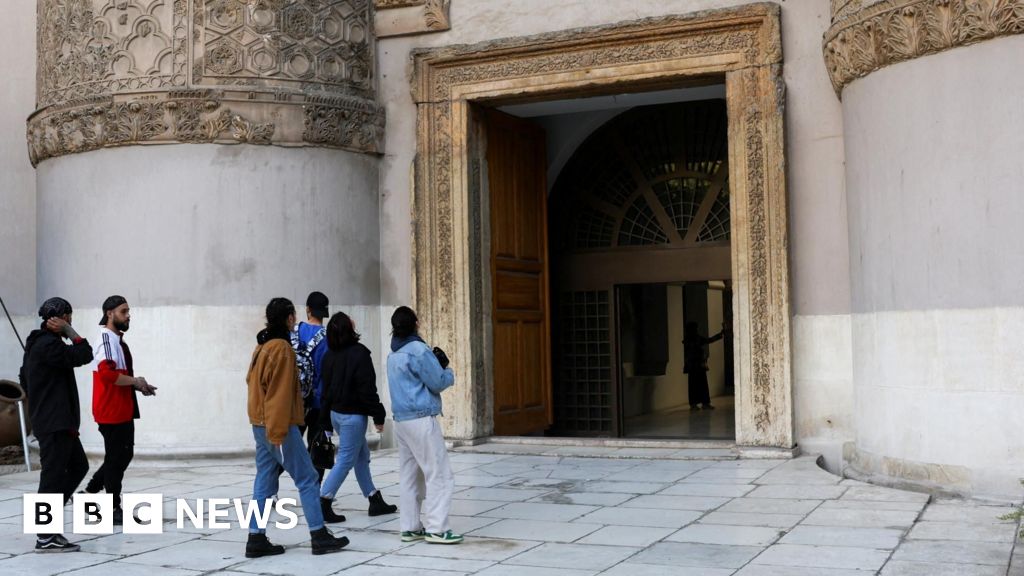
In a disturbing development reflecting the persistent chaos afflicting Syria, officials confirm the theft of several invaluable artefacts from the National Museum in Damascus. The theft was reportedly uncovered on Monday when security staff found one of the museum’s doors had been forcibly broken from the inside—an alarming breach that underscores vulnerabilities in Syria’s security apparatus. Among the missing items are six marble statues from the Roman era, including relics from the ancient city of Palmyra, a symbol of Syria’s rich cultural tapestry and historical importance. This incident signals a troubling erosion of Syria’s cultural integrity and raises concerns on how ongoing turmoil impacts heritage preservation.

Authorities have launched an investigation, with Syria’s Directorate-General for Antiquities and Museums vowing to strengthen protective measures. Yet, this event is not isolated; it mirrors a broader pattern of loss and destruction that the country has endured for over a decade. Since the outbreak of civil war in 2011, Syria’s historical institutions and archaeological sites have suffered extensive damage. Damage to UNESCO World Heritage sites like Palmyra—once a jewel of the ancient Middle East—was carried out by the Islamic State group, which deliberately destroyed temples claiming they were idolatrous. Such acts, condemned internationally as war crimes, serve as a stark reminder that cultural annihilation remains an active weapon in modern warfare.

The significance of these artefacts extends beyond their historical value; they are pieces of civilization that define national identity and serve as symbols of resilience for the Syrian people. Their loss exacerbates the geopolitical impact of the ongoing conflict. By damaging Syria’s cultural patrimony, these acts not only weaken the nation’s historical fabric but also undermine its international standing. Critics argue that the theft and destruction of artefacts are indicative of the broader geopolitical struggle — a fight for influence and control over the region’s resources, history, and identity. International organizations like UNESCO have repeatedly condemned such acts, emphasizing the importance of safeguarding cultural heritage as a form of resistance against barbarism. Experts warn that the loss of these artefacts diminishes the collective memory of mankind, creating a vacuum that fuels radicalization and anti-Western sentiment.

As Syria navigates a complex landscape of rebel factions, foreign influence, and internal upheaval, the question remains: how can international efforts effectively protect what remains of Syria’s battered cultural heritage? The recent theft is a stark reminder that history is fragile and that conflict’s true cost extends far beyond the battlefield. With each artefact stolen or destroyed, the world witnesses not just the loss of history, but also the erosion of national identity and cultural sovereignty. As the narrative of Syria’s future unfolds amidst international debate, the lingering question remains: will the preservation of history become a casualty of geopolitical ambition, or will it serve as a rallying cry for renewed international commitment to protect humanity’s shared legacy? The answer lies in the ongoing struggle to balance diplomacy, security, and cultural preservation — a battle that, ultimately, defines the true cost of conflicts that continue to shape our world’s history.

LA transforms controversial Confederate statues into powerful art, sparking youth-led debate

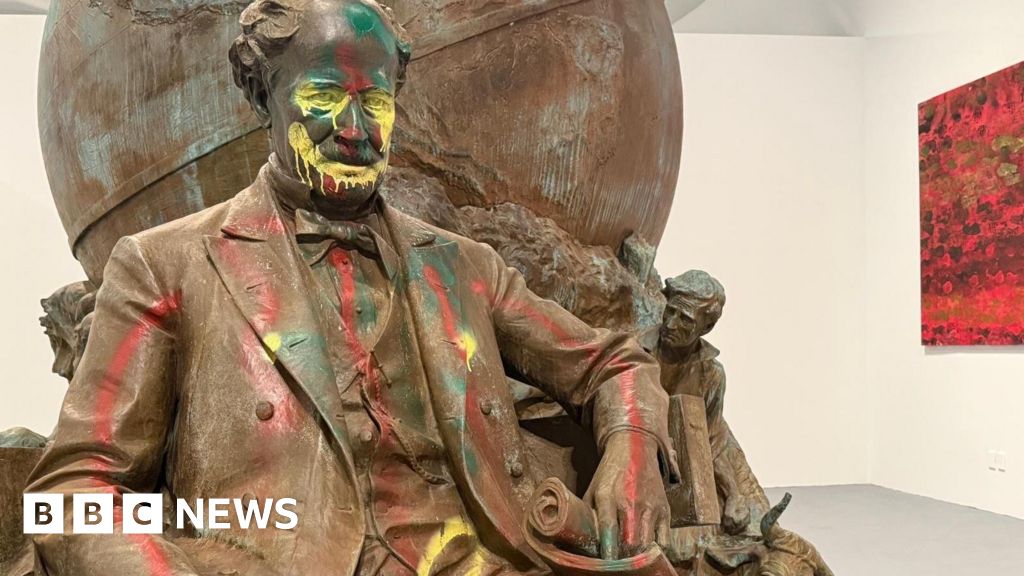
In recent years, the global debate over confederate monuments has escalated beyond American borders into a symbol of broader ideological conflicts. The recent transformation of a once-storied Robert E. Lee monument into a melted sculpture displayed in Los Angeles exemplifies this shift. The removal and subsequent artistic reimagining serve as a clear statement: societies worldwide are grappling with their history and confronting the lingering effects of white supremacy. As the United States experiences heated disputes over these statues, international observers and historians warn that such internal conflicts deeply influence geopolitical stability and societal cohesion.

Amid this controversy, President Donald Trump has vocally defended the preservation of Confederate icons, labeling efforts to dismantle them as misguided “revisionist history.” In 2017, the deadly clashes at Charlottesville’s Unite the Right rally marked a watershed moment, drawing international attention to the divisiveness of Confederate iconography. Vowing to uphold what he values as American heritage, Trump and others have sought to reestablish Confederate monuments—an action criticized by scholars, activists, and international organizations alike. Analysts from institutions such as the BBC and the Atlantic Council interpret these moves as strategic attempts to mobilize cultural nationalism, fueling tensions that threaten to destabilize social fabric.

The ongoing debate also illuminates how historical narratives are weaponized within political battles. Curator Hamza Walker pointed out that symbols like Lee and Jackson, despite losing the Civil War, are lionized because they embody a Lost Cause ideology. This construct seeks to portray the Confederacy as a noble fight for states’ rights, conveniently sidestepping its core commitment to slavery. Critics argue that redefining these figures as heroes threatens to distort history and perpetuate racial inequalities. As Kara Walker’s provocative exhibit demonstrates, artistic reinterpretations—such as melting down monuments and repurposing their materials—are emerging globally as powerful acts of resistance, challenging societies to confront uncomfortable truths. The transformation of these symbols from revered sculptures into artifacts signifies a pivotal cultural shift: a collective effort to deny the mythos of white supremacy and confront a legacy rooted in systemic injustice.

As history continues to unfold, the question remains whether these acts of dismantling and reinterpretation will ultimately foster reconciliation or deepen divisions. The weight of history presses down on societies that are torn between honoring their past and forging a more inclusive future. Will the tide of public opinion push nations toward acknowledgment and reckoning, or will it provoke further unrest? The answer lies in the choices made in these turbulent moments—choices that will define the narrative of justice and morality for generations to come. As the bronze remains of monuments are reborn through art and activism, the story of a fractured nation—and the world—remains conspicuously unwritten, waiting for its next chapter to be forged in the crucible of history.

Social Media Auto Publish Powered By : XYZScripts.com


