Matox News

Truth Over Trends, always!

Deepwatch trims staff as it turbocharges AI push to stay ahead

Disruption in Cybersecurity: Deepwatch’s AI-Driven Layoffs Signal Industry Shift

The cybersecurity landscape is undergoing a seismic shift driven by cutting-edge AI technology. Deepwatch, a prominent player renowned for its AI-powered detection and response platform, recently announced layoffs affecting between 60 and 80 staff members—roughly one-third of its workforce. CEO John DiLullo explained that the company’s restructuring aligns with a strategic push to accelerate investments in AI and automation, underscoring a broader industry trend where innovation is often accompanied by significant operational upheaval. This move not only exemplifies the rapid integration of AI into core security functions but also signals a broader disruption impacting the entire cybersecurity sector.

In context, Deepwatch’s layoffs are not isolated but part of a larger pattern in cybersecurity. Earlier this year, industry heavyweight CrowdStrike eliminated approximately 500 jobs—around 5% of its workforce—even amid record-breaking financial performance, including a cash flow of $1.38 billion. Other firms such as Deep Instinct, Otorio, ActiveFence, and SkyBox Security have also conducted layoffs, reflecting a sector-wide recalibration driven by emerging AI capabilities and shifting market demands. These workforce reductions highlight how disruptive AI technology is transforming traditional business models and operational paradigms, compelling companies to rethink talent deployment and strategic focus.

Experts like those at Gartner emphasize that AI-driven cybersecurity solutions are poised to redefine industry standards, with innovations in real-time threat detection and autonomous response systems. This disruption brings a dual-edged promise: unmatched efficiency and operational excellence, but also the risk of upheaving existing job structures and market stability. As Peter Thiel and Elon Musk have warned, embracing transformative AI is essential to maintaining competitive advantage, yet it demands a readiness to navigate complex ethical, technical, and workforce challenges. The rapid adoption of AI not only accelerates innovation but also creates a pressing sense of urgency for cybersecurity firms to adapt swiftly or face obsolescence.

The implications for the business ecosystem are profound. Companies that successfully integrate AI-driven solutions can unlock new revenue streams—offering enhanced threat detection, incident response, and predictive analytics—while those lagging behind risk losing market relevance. As industry leaders gear up for the upcoming TechCrunch event in San Francisco (October 13-15, 2026), the message is clear: the next wave of cybersecurity innovation is here—and it is fueled by AI’s relentless advance. For forward-thinking organizations and entrepreneurs, the call to action is urgent: innovate now or be left behind in a rapidly evolving digital battleground.

Ultimately, the current layoffs at Deepwatch serve as a stark reminder that disruption in cybersecurity is accelerating, demanding unprecedented agility from industry players. The fusion of AI and automation promises to revolutionize threat mitigation, but it also mandates a proactive stance—embracing innovation while managing the risks inherent in upheaval. As the industry stands on the cusp of this new era, the future belongs to those who recognize the strategic imperative of leveraging AI for competitive advantage, setting the stage for a transformative decade in cybersecurity and beyond.

Funko warns: Tough times ahead for the collectible legend—facing big challenges to stay afloat

Once the quintessential symbol of geek chic and pop culture fandom, Funko now finds itself at a crossroads, facing serious financial turbulence that raises questions about the sustainability of nostalgia-driven consumer trends. The company’s recent SEC filings, submitted on November 6, paint a sobering picture: mounting debt, declining sales, and a challenging retail landscape. Despite Funko’s immense popularity among today’s youth, its financial woes highlight a broader narrative about how shifting economic circumstances and global policies can threaten even the most iconic cultural phenomena.

Historically, Funko’s collectible confections—especially its Pop! Vinyls—became more than just toys; they transformed into symbols of identity, social influence, and shared belonging within a rapidly digitizing world. The company’s merchandise, which once soared in popularity, saw a notable decline in overall sales—down 14.3% domestically and 20.1% internationally in the third quarter. Yet, amidst this decline, some pockets of resilience remain. For instance, Funko reports strong sales of its Bitty POP! line and plans to expand its blind box offerings, capitalizing on the current trend of mystery collectibles that appeals to young consumers seeking unique, surprise-based experiences. Notably, Funko plans to be a key player in selling KPop Demon Hunters merchandise this holiday season—highlighting how cultural crossovers and niche fandoms continue to drive demand, even as overall sales slide.

The social relevance of Funko’s story extends beyond mere merchandise. It exemplifies how cultural icons become intertwined with identity formation and community building among youth. Influencers and sociologists alike have spotlighted the way collectibles serve as expressions of personal and social identity, bridging the gap between digital engagement and tangible nostalgia. However, as the company grapples with financial instability—exacerbated by ongoing U.S. tariffs, which are now even facing legal challenges before the Supreme Court—this fabric of cultural significance risks fraying. Retailers, facing economic pressures and a weakening economy, are scaling back or canceling restocks, further stoking uncertainty about what the future holds for this beloved brand.

  • The rise of collectibles as social currency: Brands like Funko encapsulate a moment where owning specific figures signals belonging in fandom communities and social status among youth.
  • Global trade policies impacting culture: The fallout from tariffs exemplifies how macroeconomic policies can threaten cultural staples, complicating the path for brands to sustain their influence.
  • Resilience in niche markets: Despite big-picture struggles, Funko’s focus on expanding its niche lines suggests a shift towards targeted consumer engagement rather than mass-market dominance.

As we watch these developments unfold, the lingering question remains: Will the decline of a cultural giant like Funko signal a shift away from collectible fandoms as a dominant youth trend, or will it simply evolve into a more resilient, localized, and digitally integrated phenomenon? The future of fandom, identity, and cultural expression might just depend on how brands and consumers adapt to these economic and social upheavals—an intriguing space to watch as the next chapter of pop culture history is written.

Starmer warns: No consensus left on climate fight, youth should stay alert

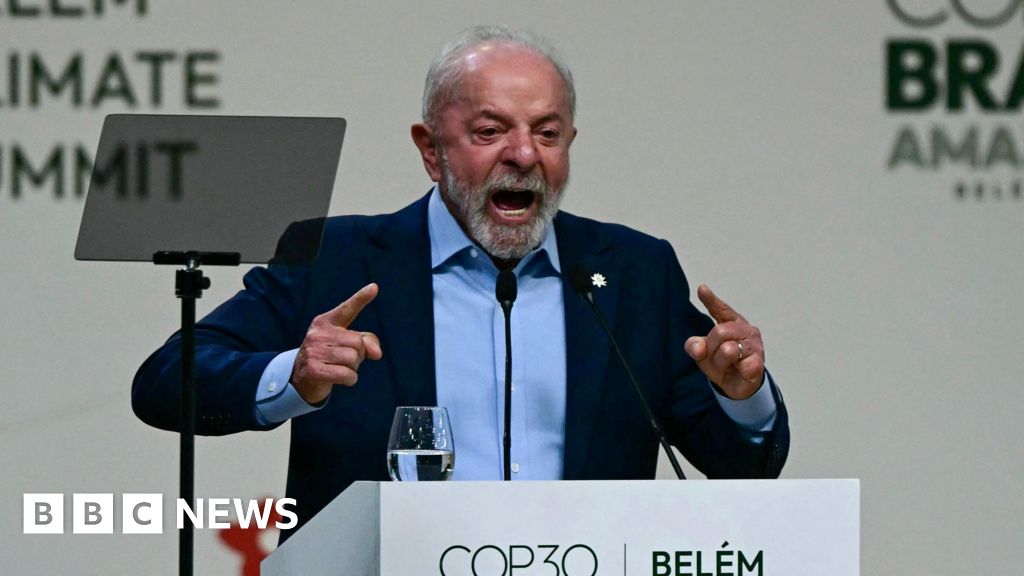
Belém, Brazil—As the COP30 climate summit unfolds amidst unprecedented global chaos, the world’s most influential nations are diverging sharply on how to address the existential threat of global warming. With President Lula da Silva warning of “extremist forces” fabricating fake news to condemn future generations to a planet forever altered by climate change, the summit is rapidly transforming into a battleground of conflicting narratives and geopolitical interests. Despite his passionate plea, the summit witnesses a perplexing retreat from collective action, with many leading nations conspicuously absent and even the host country’s flagship initiatives facing withdrawal. As given by international analysts, such divisions threaten to undermine any meaningful progress, leaving the world on a perilous trajectory toward climate chaos.

The absence of key players—the United States, Russia, China, and India—casts a long shadow over global consensus on climate policy. President Trump’s dismissive stance—calling climate change “the greatest con job”—has reverberated through diplomatic corridors, emboldening skeptics and delaying decisive action. Meanwhile, UK Prime Minister Sir Keir Starmer openly acknowledged that the once-unified support for climate initiatives has frayed, lamenting that “today, however, sadly that consensus is gone.” Such statements starkly highlight how internal political shifts and *geopolitical conflicts* are fueling a dangerous impasse. At the heart of the negotiations lies the critical question of how to fund climate mitigation efforts, particularly in defending vital rainforest ecosystems that act as “the planet’s lungs,” as experts like environmental historian Dr. Alan Smith emphasize. Yet, the UK’s decision to withdraw from the $125 billion rainforest protection fund—despite its earlier leadership—underscores a betrayal of international commitments.

As the summit progresses, the tone remains urgent but fractured. The rainforests cover a mere 6% of the Earth’s landmass but hold half of the planet’s species and billions of tons of carbon. The Prince of Wales and other observers warn that failure to protect these ecosystems risks pushing future societies toward ecological collapse. Prince William called for “urgent optimism,” urging nations to rise above their differences and act—yet the reality on the ground tells a different story. Destructive weather events—like Hurricane Melissa, which caused catastrophic damage across the Caribbean—serve as sobering reminders that climate impacts are already claiming lives and destroying communities. Scientists at Imperial College have warned that climate change heightened the rainfall from Hurricane Melissa by 16%, exposing the catastrophic potential of continued inaction. The question remains whether this summit will be remembered as a turning point or merely another chapter in the relentless saga of diplomatic stalemate.

Historically, these international rifts serve as a stark warning for future generations. Academics like Dr. Maria Lopez argue that the decisions made in Belém could either be a testament to humanity’s resolve or a lamentable capitulation. The unfolding story of COP30 is a testament to the ongoing struggle between geopolitical self-interest and the moral responsibility to safeguard our planet’s future. As history writes its next chapter, the world must reckon with the fact that the decisive moments of this summit—and perhaps the century—are now in the making. The shadow of this generation’s decisions will linger long after the final declaration, shaping the scarred landscape of history itself.

Top 50 Must-Watch Shows on HBO Max This November — Stay Ahead of the Curve

HBO Max’s Evolution Reflects Broader Disruption in Streaming & Original Content Innovation

In an era marked by rapid technological shifts and fierce industry disruption, HBO Max exemplifies the strategic resilience and pioneering spirit necessary to remain relevant. Once lauded as a premier streaming service, HBO Max is now navigating a transformative phase driven by content diversification, technological innovation, and the relentless pursuit of business disruption. Despite facing challenges to its former prestige—highlighted by waning subscriber growth and intense competition from newcomers like Netflix and Disney+—the platform continues to push boundaries by investing in groundbreaking series and embracing new content formats that could reshape how audiences consume stories.

The platform’s foray into original programming underscores a broader industry trend: the shift from traditional broadcasting models to a business landscape where innovation and disruption serve as core survival strategies. Critics point to HBO Max’s decisive move in developing genre-defining series such as The White Lotus, Industry, and Dune: Prophecy, which encapsulate its commitment to a disruptive business model—one that leverages premium content to secure a dedicated niche amidst a crowded market. These offerings not only reinforce HBO Max’s brand as a haven for premium storytelling but also exemplify how streaming services are innovating through content that challenges industry norms and expectations, a move echoed by forward-thinking institutions like MIT’s Media Lab and analysts from Gartner who emphasize the importance of agility in media business models.

Disruption Through Innovation: Moving Beyond Conventional Narratives

The platform’s recent slate reveals a strategic pivot toward technologically innovative storytelling—from integrated AR/VR experiences to sophisticated narrative structures tailor-made for a younger, tech-savvy audience. Series like Tokyo Vice, which merges investigative journalism with high-stakes crime drama, leverage cutting-edge visual effects and multi-platform storytelling to amplify viewer engagement. Simultaneously, HBO Max’s dark and surreal offerings, such as Rain Dogs and True Detective: Night Country, exemplify the industry’s move towards more immersive and complex genres, disrupting traditional TV formats and setting new storytelling standards.

  • Expansion into global markets: HBO Max’s first Spanish series, When No One Sees Us, indicates a strategic diversification aimed at capturing and disrupting regional markets.
  • Innovative sub-genre exploration: Shows like The Franchise, which satirizes superhero universes, exemplify an industry trend towards meta-commentary and genre-blending that appeals to younger audiences eager for fresh narratives.
  • Enhanced viewer engagement: Utilizing AI and data analytics, HBO Max is reportedly exploring personalized content delivery, targeting market segments with tailored storytelling—an urgent response to how audiences demand more interactive experiences.

Business Implication: Realigning Strategies for Future Dominance

The ongoing transformation at HBO Max underscores the imperative for disruption-oriented business strategies. As industry experts from Gartner warn, traditional media models are increasingly untenable in the face of digital-native competitors and changing consumer expectations. HBO Max’s investment in intellectual property that merges high-concept narratives with technological advancements signals a recognition that future success hinges on agile adaptation and innovative content differentiation. This approach resonates with futurists like Peter Thiel, who argue that privileged monopoly positions in emerging spaces—such as immersive streaming and interactive content—are critical for sustained growth.

Looking ahead, the challenge for HBO Max—and similar platforms—is to harness these innovations not merely as gimmicks but as transformative business levers. The platform must continuously iterate on content delivery mechanisms, embrace global diversification, and invest in emerging tech to outpace rivals. Its ongoing series, including the upcoming First Day on Earth and a renewed True Detective, are only signs of a larger wave: the dawn of a new epoch where disruption and innovation are the currency for dominance in the streaming economy. To succeed, HBO Max and industry leaders must act swiftly before their competitors—digital giants and tech disruptors—seize the future, leaving traditional models—and perhaps even HBO Max itself—rendered obsolete.

Minister to Keep Final Say on Controversial Projects as Labor’s Nature Laws Stay Put

Australia’s Environmental Legal Reforms: A Reflection of Global Power Dynamics

The announcement surrounding Australia’s new federal environmental laws underscores a pivotal moment in the nation’s journey to balance economic growth with ecological stewardship. Under the leadership of Environment Minister Murray Watt, the revised Environment Protection and Biodiversity Conservation (EPBC) Act aims to redefine project approval processes, yet it retains crucial ministerial decision-making authority. This approach, favored by Labor, the Coalition, and industry stakeholders, has sparked fierce debate among environmental advocates. Critics argue that this model could inherently allow vested interests—particularly big business and mining conglomerates—to exert undue influence on environmental outcomes, raising concerns about the integrity of Australia’s ecological safeguards.

The decision to keep the environment minister as the ultimate arbiter in project approvals marks a nuanced resolution that reflects Australia’s strategic geopolitical stance—favoring pragmatic leadership that appeals to economic pragmatism and industry interests. By maintaining ministerial discretion rather than establishing a fully independent oversight body, the government signals a desire to avoid judicial paralysis and facilitate quicker project approvals, especially for resource-intensive developments. Historian and political analyst Dr. Jonathan Mead notes that such decisions often trade environmental transparency for national economic interests, aligning with a broader pattern observed in resource-rich democracies grappling with their global image. However, international organizations warn that such self-regulation could undermine Australia’s commitments to climate change mitigation, especially as global pressure mounts for transparent environmental governance.

The recent legal amendments also introduce a new entity, the National Environment Protection Agency (NEPA), designed to monitor compliance and enforce laws independently from direct ministerial influence. While advocates like Environment Minister Watt emphasize NEPA’s enhanced enforcement powers, critics—including the Australian Conservation Foundation—remain skeptical. They argue that without full independence, NEPA risks becoming an administrative extension of government rather than an impartial watchdog. The Greens’ environment spokesperson, Sarah Hanson-Young, warns that the proposed model could devolve into “another branch of government bureaucracy,” lacking the teeth needed to effectively challenge powerful industrial actors. This debate underscores a critical connection to how decisions at the national level ripple across society—potentially marginalizing indigenous communities, rural populations, and environmental concerns in favor of economic expediency.

Globally, Australia’s moves resonate with similar shifts in resource policies observed among major powers—including the United States and China. While the Green New Deal in the U.S. advocates for robust independent agencies to guard environmental integrity, bipartisan gridlock often hampers progress. Conversely, China employs top-down state control to rapidly develop its resource sectors, often at environmental and social costs. As international analysts observe, the Australia case exemplifies a broader struggle: nations contending with the dual pressures of economic development and environmental sustainability, all within a geopolitical landscape marked by competition and cooperation.

As history continues to unfold, Australia’s legislative choices serve as a potent reminder of how national policies embody the geopolitical ambitions of controlling actors—balancing the allure of resource wealth against the weight of environmental responsibility. While the world watches and critics warn of the perils of compromised integrity, Australia stands at a crossroads—its future ecological legacy intertwined with questions of sovereignty, influence, and the true cost of progress. The pages of history remain unwritten, but the echoes of these decisions will reverberate through generations to come—a testament to the enduring struggle to forge a sustainable path amid global uncertainty.

Most missing students at local school found—community urged to stay vigilant

In recent weeks, the Educational Authority (EA) of Northern Ireland has revealed a harrowing glimpse into the ongoing crisis affecting the region’s families and communities. The EA published a list of more than 50 children across the UK and Ireland who have been unaccounted for in the school system since the start of the academic year. Of particular concern is the case of Harryville Primary in Ballymena, where 24 students, all from the same school, disappeared without clear documentation of their whereabouts. Although some have been traced and returned, a significant number remain missing, intensifying fears of a looming social catastrophe that extends beyond mere truancy to the social fabric itself.

This phenomenon of persistent absence is not isolated but signals a broader breakdown in safeguarding systems. According to social commentators and sociologists, such as Dr. Jonathan Driver, these issues are symptomatic of systemic failures rooted in economic hardship, social unrest, and cultural tensions. When families are fractured by socio-economic disparities or violence, children often become collateral damage—stripped from the safety of their institutions and forced into uncertain situations. The case of Ballymena, a town scarred by recent riots and social unrest, exemplifies how social tensions can ripple through generations, threatening to undermine the stability of its community and the education system at large.

‘Tip of the iceberg’: A societal warning sign

The NI Children’s Commissioner, Chris Quinn, warned that the visible numbers are merely the “tip of the iceberg.” “I fear that large numbers of children are slipping through the cracks, and we are sleepwalking into a community crisis,” he said, emphasizing that this issue is likely a wider systemic problem affecting the entire region. This concern is echoed by social historians who warn that unchecked social despair can lead to further alienation and radicalization if left unaddressed. The troubling images of protests and riots, including those in Ballymena, reflect a society struggling to reconcile differences and maintain cohesion amidst upheaval—divisions that threaten to fragment communities along lines of ethnicity, socio-economic status, and cultural identity.

Politicians and community leaders have spoken out, with Alliance MLA Sian Mulholland expressing her concern that the large number of missing children represents a direct consequence of ongoing social unrest. She asserted that school is often a sanctuary for vulnerable children, especially for those from marginalized or immigrant families, and its erosion can lead to social disintegration. Particularly, the displacement of Roma families following violent riots underscores the social tensions that persist beneath the surface of Northern Irish society. The departure of these families, as confirmed by MP Jim Allister, highlights the fragile social fabric and raises questions about the long-term implications of such community upheavals.

In a society where demographic shifts and cultural tensions are increasingly prominent, the challenge is to reconcile the need for security with the preservation of community integrity. The focus must shift from merely tracing missing children to addressing the root causes—inequality, social dislocation, and cultural alienation—that fuel societal discontent. As history shows, when communities are strained beyond resilience, the result can be a cycle of mistrust and violence that leaves lasting scars. Yet, amidst this turmoil, the hope for societal renewal exists in the capacity of communities, policymakers, and educators to forge pathways toward comprehensive social healing. Bridging gaps of division and restoring faith in institutions will be the true test of society’s moral resilience, and in this endeavor, the focus must always be on safeguarding the future of our children.

Snag the Bose QuietComfort Ultras for just $284—Save $145 for a limited time and stay ahead in style and sound!

The New Wave of Lifestyle: How Tech Deals Shape Our Cultural and Social Landscape

In a world pulsing with constant innovation, consumer technology trends continue to redefine the way younger generations connect, work, and entertain. This season, the buzz is centered around not only groundbreaking products but also a societal shift driven by massive online deals and the desire for the latest gadgets at irresistible prices. Amazon’s recent Prime Big Deal Days exemplifies this cultural phenomenon, with hundreds of deals reaching record lows and symbolizing a new form of digital lifestyle ownership that’s increasingly tied to social status and personal expression.

At the forefront of these trends are products like the Bose QuietComfort Ultra headphones. For the first time ever, the ultra-premium headphones have dipped below $300—specifically, a stunning $145 discount to just $284. The fact that this deal is available only in the Deep Plum color further highlights how brands are now cultivating a sense of exclusivity and individual style, resonating deeply with a generation eager to showcase personal identity through choice of accessories. These headphones aren’t just tools for better sound; they symbolize a societal shift toward prioritizing comfort, quality, and personalized aesthetics. As reported by influencers and tech analysts, this confluence of luxury and affordability is transforming how youth perceive their everyday tech, making it an extension of their #personalbrand and social currency.

This evolving lifestyle is underscored by a broader trend: the integration of high-tech gadgets into everyday life as social symbols. Leading sociologists argue that these tech purchases are serving a dual purpose—enhancing personal productivity while serving as a statement of modern identity in a digital age. The days of simply owning gadgets are fading; now, early adopters and trendsetters look for exclusive, stylish, and functional items that can double as conversation starters, especially amid a thriving culture of social media showcasing. As the younger demographic continues to influence market dynamics, companies like Bose are not just selling headphones—they’re selling a lifestyle rooted in tech-savviness, individualism, and social relevance.

Adding a layer of complexity, experts suggest that this consumer behavior is also reflecting a deeper societal shift toward **”digital exclusivity”** —where owning the latest tech isn’t just practical but a manifestation of social status. The review of Bose’s first-generation Ultra models highlights their comfort and battery life—the qualities favored by youngerusers. The fact that such high-end products are now more accessible than ever signals a shift in how youth engage with luxury, emphasizing entertainment, convenience, and identity expression over mere functionality. With brands tailoring limited editions and colorways to appeal to specific subcultures, we are witnessing the emergence of an entire consumer class for whom tech is not just utility but a form of cultural expression.

Yet amidst these cultural shifts, a poignant question arises: what does this evolving relationship with technology say about our future societal values? If the current trajectory suggests that possessions are becoming symbols of identity and social standing, then the next big question isn’t just about *what* we buy but how our shared consumption patterns shape societal norms. As influencers and sociologists debate whether this new tech-centric lifestyle fosters authentic self-expression or superficial status, the real puzzle remains: are we paving a future where our gadgets define us more than our actions or character? This ongoing societal experiment might redefine not only our trends but also the very fabric of social status in the digital age—nudging us toward a world where the line between lifestyle and social currency is increasingly blurred.

Stay warm and bold: The coolest puffers, parkas, and leopard print coats to slay fall and winter style

As seasons change and autumn whispers its arrival, a new society-wide obsession begins to brew: the coat. Far beyond mere insulation, this garment transforms into a cultural statement, reflecting an evolving social landscape that young consumers are increasingly eager to define and redefine. The shift is obvious — from the classic navy trench to bold, pop-of-colour puffer jackets, coats are now more than just functional; they’re powerful symbols of identity, social status, and environmental consciousness. Influencers like Chiara Ferragni and sociologists like Dr. Antonia Hart highlight how this season’s coat choices mirror a society hungry for self-expression while seeking authentic expressions of sustainability in fashion.

The social relevance of this trend is undeniable. Fashion experts now observe that bold colours and vintage repurposing are dominating the scene, signaling a move toward individualist expressions amid a backdrop of collective societal transformation. The iconic leopard-print coat, once a symbol of rebellion, now signifies empowerment and a desire to stand out in a sea of conformity. Meanwhile, the rise in sustainable, recycled coats speaks to a societal shift that values conscious consumption. Major brands like Rains and Nobody’s Child are responding with innovative, environmentally friendly designs that cater to a generation increasingly aware of their social footprint, fostering a culture where fashion becomes a statement of hope and activism.

Pop of Colour and the Social Impact

This season’s pop of colour isn’t just about standing out — it’s about standing up. Bright, eye-catching hues such as emerald green and burgundy are now embedded in everyday wardrobe staples, challenging traditional notions of muted autumn fashion. Influencers celebrated for their daring style choices are inspiring millions to embrace these bold statements—transforming coats into wearable activism. Sociologists have noted that this cultural shift emboldens young consumers, encouraging them to see fashion as a portal for expressing values and social allegiance. From a leopard print to a pink wool jacket, clothes are no longer passive; they’re active gestures in societal dialogues, amplifying voices that seek autonomy and self-love.

The Next Big Question

As we admire the daring colors and environmental commitment, a pressing question remains: Will this movement toward individualism and sustainability redefine our very notion of style? With major brands racing to innovate and influencers pushing the boundaries of self-expression, the next chapter in fashion may not be about the clothes you wear but about the stories they tell—stories that challenge societal norms, question consumerism, and inspire a generation to create their own identities. The future of coats, then, could well be a mirror of society’s larger story: one of resilience, authenticity, and relentless self-redefinition. So, as autumn turns to winter, the real question is: are we merely dressing for the weather, or are we gearing up for something far bigger?

Dallas Ice shooting suspect planned attack, FBI warns—youth warned to stay alert

In recent days, the United States has faced a stark reminder of the rising tide of political violence and internal strife. The shocking attack on an Immigration and Customs Enforcement (ICE) detention facility in Dallas underscores the deepening divisions within American society—a nation torn between lawlessness and the rule of law. The FBI disclosed that the suspect, identified as 29-year-old Joshua Jahn, meticulously planned the assault, even deploying a ladder and a high-powered rifle with sniper capabilities. Such details reveal an alarming degree of premeditation, emphasizing that the incident was not an impulsive act but a calculated strike against the very institutions meant to uphold national sovereignty and law enforcement integrity. As analysts from think tanks warn, these acts threaten to destabilize America’s internal security and fuel further polarization, which, if left unaddressed, could usher in an era of increasing chaos and societal fracture.

The geopolitical impact of this domestic crisis extends far beyond U.S. borders. As the Biden administration struggles to manage a surge in political extremism, international observers from Russia to China, along with global organizations such as the United Nations, are watching with concern. The incident comes amid a backdrop of strained global relations, where weak governance in the USA fuels skepticism about American leadership and stability. The rhetoric surrounding the attack, with former President Donald Trump and right-wing commentators framing it as a consequence of what they label as “radical left” policies, exemplifies how domestic issues are increasingly intertwined with international perceptions of American strength. The potential for such violence to influence foreign policy and global stability remains a key concern, particularly as nations contend with their own internal conflicts and the erosion of traditional security paradigms.

Notably, this attack appears to be a manifestation of rising militant tensions fueled by intense partisan conflicts and an emboldening of radical elements. Historians caution that in times of social upheaval, acts of targeted violence against government institutions are often precursors to broader destabilization. Various analysts from NATO to the European Union have warned that the ongoing polarization within the USA may serve as a blueprint for others who seek to undermine Western cohesion. The suspect’s expressed hatred for the federal government, along with notes indicating an intent to instill terror among ICE agents, reveal troubling ideological undercurrents that could inspire copycat violence internationally. These dynamics threaten to ripple outward, challenging the stability of democracies around the world. As the global community observes the U.S. domestic crisis unfolding, the need for decisive leadership becomes undeniable.

Ultimately, the Dallas shooting encapsulates a pivotal moment—an ongoing chapter of history still being written. With each act of violence, the fragile fabric of societal trust is further frayed, pushing nations to confront uncomfortable truths about internal divisions and external instability. The world watches breathlessly, aware that such acts of terrorism, rooted in hatred and ideological extremism, have consequences far beyond national borders. As leaders debate solutions, the weight of history presses down: will the United States emerge resilient, or will this be a harbinger of a new era of chaos? The answer remains unwritten, but the shadows cast by this violence will surely shape the pages of history for generations to come.

Andy Burnham warns investors: UK must stop relying on foreign lenders to stay strong

In a striking development that underscores the fragile state of Britain’s economic and political landscape, recent comments by Andy Burnham, the mayor of Greater Manchester, have sparked intense debate on both domestic and international stages. Burnham, a prominent figure within the Labour Party, has called for an end to the UK’s dependence on foreign lenders, advocating for measures such as increased taxation, public housing programs, and the nationalization of utilities to fund expanded public services. However, his stance has met with fierce resistance from City investors and international lenders, who warn that such policies could exacerbate the UK’s debt problems and trigger a renewed bond market crisis.

Global Financial Instability and the UK’s Mounting Debt Concerns

As yields on UK government bonds soar, reaching levels not seen since early September, the financial markets are visibly uneasy. The interest rate on 10-year bonds has climbed to 4.726%, while long-term 30-year gilt yields have surged to 5.54%, approaching a 27-year high. Analysts such as Kathleen Brooks, head of research at XTB, warn that these rising yields reflect mounting political risks and lacked confidence among international lenders. Historically, the UK’s 10-year yield was less than 1% in 2021, highlighting a stark shift driven by recent political discourse and fiscal uncertainty.

Historian and financial analysts emphasize that bond markets are often a mirror for a nation’s broader geopolitical stability and fiscal prudence. The escalation in borrowing costs signals more than just economic worries; it represents a deeper concern regarding Britain’s political direction—one that could have wide-reaching geopolitical repercussions. Rising debt costs constrain government options, forcing future leaders to navigate a treacherous landscape of fiscal austerity or confront the economic chaos that may follow from reckless spending or destabilizing policies.

Implications for United Kingdom’s Geopolitical and Economic Futures

The current crisis also underscores the broader vulnerabilities of the West’s fiscal model—particularly as London’s leadership debates how to fund expansionist social agendas amidst global economic turbulence. The specter of a bond market crisis rekindles memories of past financial upheavals, raising questions about London’s ability to maintain its status as a global financial hub. Meanwhile, the possibility of Burnham’s colleagues, including whispers of a challenge to Sir Keir Starmer’s leadership, indicates internal party divisions that threaten to destabilize the UK’s political fabric even further.

  • The UK’s fiscal trajectory is now under intense scrutiny from international financial institutions.
  • Growing bond yields threaten to spill over into higher borrowing costs for consumers and businesses alike.
  • Political rhetoric, especially from figures like Burnham, risks inflaming market fears, potentially accelerating economic destabilization.

These developments unfold at a critical juncture for Britain, with history warning that unsustainable debt levels and political missteps can quickly spiral into larger crises that reverberate globally. Analysts observe that, as the UK navigates this tumult, the challenges faced are emblematic of a shifting international order where economic resilience and political stability are now inextricably linked.

As markets tremble and leaders ponder their next move, the unfolding narrative of Britain’s economic saga leaves us with a haunting realization: the decisions made today will write the chapters of tomorrow’s history, shaping the geopolitical landscape for generations to come. The weight of this unfolding story rests heavily on the future—not just of a nation, but of a world awaiting the next move in a game of high-stakes financial diplomacy and political resolve.

Social Media Auto Publish Powered By : XYZScripts.com