Matox News

Truth Over Trends, always!

Stay warm and bold: The coolest puffers, parkas, and leopard print coats to slay fall and winter style

As seasons change and autumn whispers its arrival, a new society-wide obsession begins to brew: the coat. Far beyond mere insulation, this garment transforms into a cultural statement, reflecting an evolving social landscape that young consumers are increasingly eager to define and redefine. The shift is obvious — from the classic navy trench to bold, pop-of-colour puffer jackets, coats are now more than just functional; they’re powerful symbols of identity, social status, and environmental consciousness. Influencers like Chiara Ferragni and sociologists like Dr. Antonia Hart highlight how this season’s coat choices mirror a society hungry for self-expression while seeking authentic expressions of sustainability in fashion.

The social relevance of this trend is undeniable. Fashion experts now observe that bold colours and vintage repurposing are dominating the scene, signaling a move toward individualist expressions amid a backdrop of collective societal transformation. The iconic leopard-print coat, once a symbol of rebellion, now signifies empowerment and a desire to stand out in a sea of conformity. Meanwhile, the rise in sustainable, recycled coats speaks to a societal shift that values conscious consumption. Major brands like Rains and Nobody’s Child are responding with innovative, environmentally friendly designs that cater to a generation increasingly aware of their social footprint, fostering a culture where fashion becomes a statement of hope and activism.

Pop of Colour and the Social Impact

This season’s pop of colour isn’t just about standing out — it’s about standing up. Bright, eye-catching hues such as emerald green and burgundy are now embedded in everyday wardrobe staples, challenging traditional notions of muted autumn fashion. Influencers celebrated for their daring style choices are inspiring millions to embrace these bold statements—transforming coats into wearable activism. Sociologists have noted that this cultural shift emboldens young consumers, encouraging them to see fashion as a portal for expressing values and social allegiance. From a leopard print to a pink wool jacket, clothes are no longer passive; they’re active gestures in societal dialogues, amplifying voices that seek autonomy and self-love.

The Next Big Question

As we admire the daring colors and environmental commitment, a pressing question remains: Will this movement toward individualism and sustainability redefine our very notion of style? With major brands racing to innovate and influencers pushing the boundaries of self-expression, the next chapter in fashion may not be about the clothes you wear but about the stories they tell—stories that challenge societal norms, question consumerism, and inspire a generation to create their own identities. The future of coats, then, could well be a mirror of society’s larger story: one of resilience, authenticity, and relentless self-redefinition. So, as autumn turns to winter, the real question is: are we merely dressing for the weather, or are we gearing up for something far bigger?

Dallas Ice shooting suspect planned attack, FBI warns—youth warned to stay alert

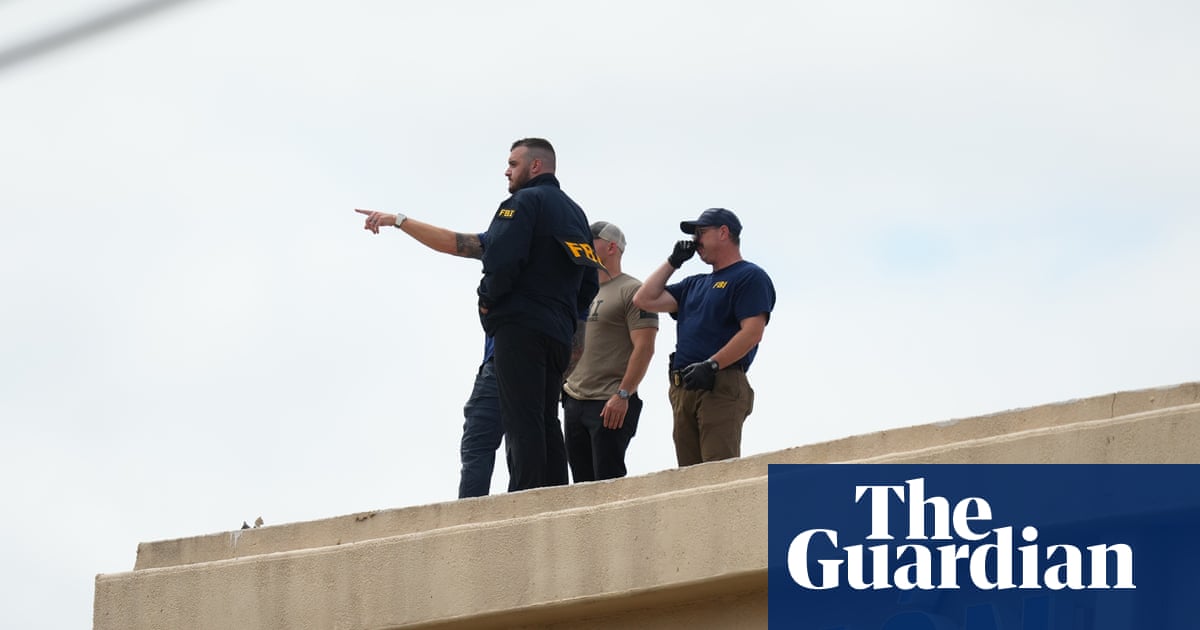
In recent days, the United States has faced a stark reminder of the rising tide of political violence and internal strife. The shocking attack on an Immigration and Customs Enforcement (ICE) detention facility in Dallas underscores the deepening divisions within American society—a nation torn between lawlessness and the rule of law. The FBI disclosed that the suspect, identified as 29-year-old Joshua Jahn, meticulously planned the assault, even deploying a ladder and a high-powered rifle with sniper capabilities. Such details reveal an alarming degree of premeditation, emphasizing that the incident was not an impulsive act but a calculated strike against the very institutions meant to uphold national sovereignty and law enforcement integrity. As analysts from think tanks warn, these acts threaten to destabilize America’s internal security and fuel further polarization, which, if left unaddressed, could usher in an era of increasing chaos and societal fracture.

The geopolitical impact of this domestic crisis extends far beyond U.S. borders. As the Biden administration struggles to manage a surge in political extremism, international observers from Russia to China, along with global organizations such as the United Nations, are watching with concern. The incident comes amid a backdrop of strained global relations, where weak governance in the USA fuels skepticism about American leadership and stability. The rhetoric surrounding the attack, with former President Donald Trump and right-wing commentators framing it as a consequence of what they label as “radical left” policies, exemplifies how domestic issues are increasingly intertwined with international perceptions of American strength. The potential for such violence to influence foreign policy and global stability remains a key concern, particularly as nations contend with their own internal conflicts and the erosion of traditional security paradigms.

Notably, this attack appears to be a manifestation of rising militant tensions fueled by intense partisan conflicts and an emboldening of radical elements. Historians caution that in times of social upheaval, acts of targeted violence against government institutions are often precursors to broader destabilization. Various analysts from NATO to the European Union have warned that the ongoing polarization within the USA may serve as a blueprint for others who seek to undermine Western cohesion. The suspect’s expressed hatred for the federal government, along with notes indicating an intent to instill terror among ICE agents, reveal troubling ideological undercurrents that could inspire copycat violence internationally. These dynamics threaten to ripple outward, challenging the stability of democracies around the world. As the global community observes the U.S. domestic crisis unfolding, the need for decisive leadership becomes undeniable.

Ultimately, the Dallas shooting encapsulates a pivotal moment—an ongoing chapter of history still being written. With each act of violence, the fragile fabric of societal trust is further frayed, pushing nations to confront uncomfortable truths about internal divisions and external instability. The world watches breathlessly, aware that such acts of terrorism, rooted in hatred and ideological extremism, have consequences far beyond national borders. As leaders debate solutions, the weight of history presses down: will the United States emerge resilient, or will this be a harbinger of a new era of chaos? The answer remains unwritten, but the shadows cast by this violence will surely shape the pages of history for generations to come.

Andy Burnham warns investors: UK must stop relying on foreign lenders to stay strong

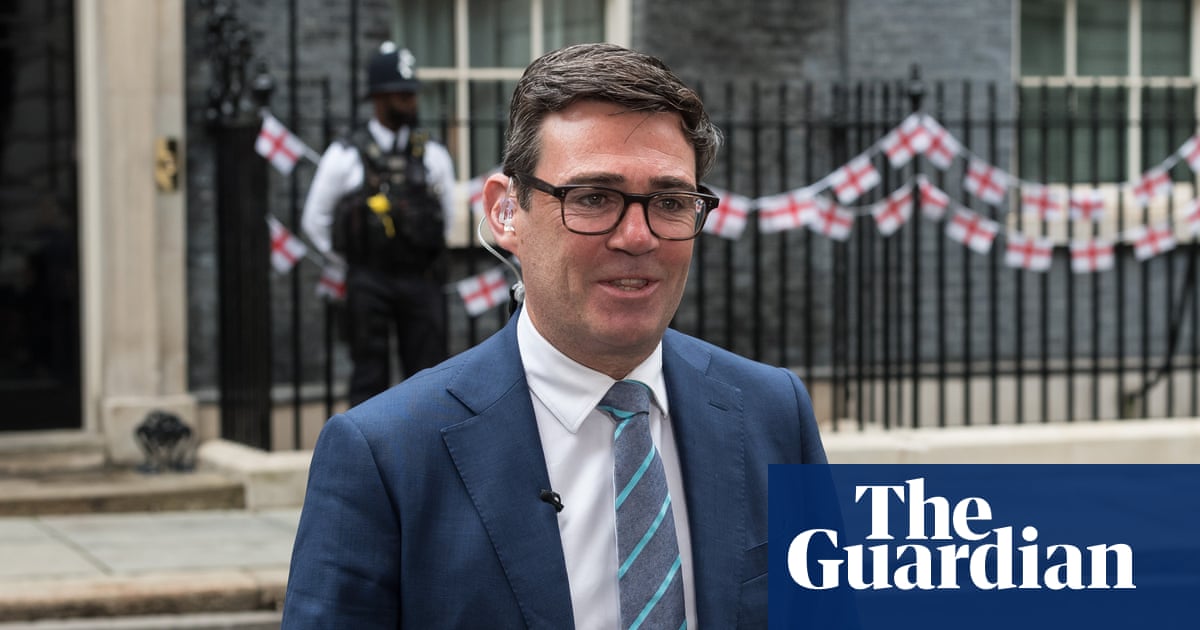
In a striking development that underscores the fragile state of Britain’s economic and political landscape, recent comments by Andy Burnham, the mayor of Greater Manchester, have sparked intense debate on both domestic and international stages. Burnham, a prominent figure within the Labour Party, has called for an end to the UK’s dependence on foreign lenders, advocating for measures such as increased taxation, public housing programs, and the nationalization of utilities to fund expanded public services. However, his stance has met with fierce resistance from City investors and international lenders, who warn that such policies could exacerbate the UK’s debt problems and trigger a renewed bond market crisis.

Global Financial Instability and the UK’s Mounting Debt Concerns

As yields on UK government bonds soar, reaching levels not seen since early September, the financial markets are visibly uneasy. The interest rate on 10-year bonds has climbed to 4.726%, while long-term 30-year gilt yields have surged to 5.54%, approaching a 27-year high. Analysts such as Kathleen Brooks, head of research at XTB, warn that these rising yields reflect mounting political risks and lacked confidence among international lenders. Historically, the UK’s 10-year yield was less than 1% in 2021, highlighting a stark shift driven by recent political discourse and fiscal uncertainty.

Historian and financial analysts emphasize that bond markets are often a mirror for a nation’s broader geopolitical stability and fiscal prudence. The escalation in borrowing costs signals more than just economic worries; it represents a deeper concern regarding Britain’s political direction—one that could have wide-reaching geopolitical repercussions. Rising debt costs constrain government options, forcing future leaders to navigate a treacherous landscape of fiscal austerity or confront the economic chaos that may follow from reckless spending or destabilizing policies.

Implications for United Kingdom’s Geopolitical and Economic Futures

The current crisis also underscores the broader vulnerabilities of the West’s fiscal model—particularly as London’s leadership debates how to fund expansionist social agendas amidst global economic turbulence. The specter of a bond market crisis rekindles memories of past financial upheavals, raising questions about London’s ability to maintain its status as a global financial hub. Meanwhile, the possibility of Burnham’s colleagues, including whispers of a challenge to Sir Keir Starmer’s leadership, indicates internal party divisions that threaten to destabilize the UK’s political fabric even further.

  • The UK’s fiscal trajectory is now under intense scrutiny from international financial institutions.
  • Growing bond yields threaten to spill over into higher borrowing costs for consumers and businesses alike.
  • Political rhetoric, especially from figures like Burnham, risks inflaming market fears, potentially accelerating economic destabilization.

These developments unfold at a critical juncture for Britain, with history warning that unsustainable debt levels and political missteps can quickly spiral into larger crises that reverberate globally. Analysts observe that, as the UK navigates this tumult, the challenges faced are emblematic of a shifting international order where economic resilience and political stability are now inextricably linked.

As markets tremble and leaders ponder their next move, the unfolding narrative of Britain’s economic saga leaves us with a haunting realization: the decisions made today will write the chapters of tomorrow’s history, shaping the geopolitical landscape for generations to come. The weight of this unfolding story rests heavily on the future—not just of a nation, but of a world awaiting the next move in a game of high-stakes financial diplomacy and political resolve.

Stay safe from hippos: Protect yourself from Africa’s top land threat

Unfolding Drama in Africa’s Wilderness: A Reflection of Nature’s Power and Human Ambition

Zimbabwe, a nation famed for its stunning landscapes and resilient people, has become the backdrop for a harrowing tale that underscores the interconnectedness of nature, human activity, and geopolitical stability. The story of Paul Templer, a seasoned guide and former British army member, sheds light on the dangerous wilds that persist at the border of civilization and the wilderness. His life-altering encounter with a territorial hippopotamus in 1996 is not merely a personal tragedy but a stark reminder of the power of nature—a force that transcends national borders and influences global perceptions of Africa’s wild lands.

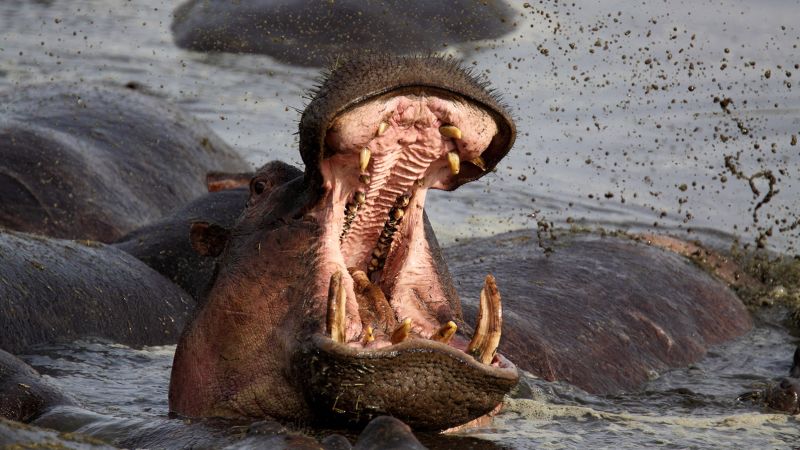
This incident occurred amidst a routine expedition on the Zambezi River, one of Africa’s iconic waterways, teeming with life yet fraught with perils that are often underestimated. Tourists and guides alike face the stark reality: hippos, while seemingly sluggish, are among the most deadly animals in Africa, responsible for hundreds of fatalities annually. The traditional view of these majestic creatures as peaceful herbivores is increasingly challenged by experts like Rebecca Lewison, a conservation ecologist, who emphasizes that most attacks are rooted in territorial defense rather than predation. As Africa’s population continues to grow and encroach on natural habitats, the geopolitical impact becomes evident, with increasing human-wildlife conflicts raising questions about land use, conservation policies, and national security.

Wildlife and Society: A Fragile Balance

Historian and environmental analyst Dr. Philip Muruthi frames this dilemma within the larger context of ecosystem stability, highlighting that hippos are ecosystem engineers—vital for nutrient recycling in freshwater environments. Yet, their presence in populated regions, such as Zimbabwe’s waterways and Colombia’s invaded Magdalena River, creates what experts see as a “perfect storm” of ecological disruption and human danger. The burgeoning African demographic boom inflates the risk of deadly encounters, rendering traditional safety measures increasingly vital. Muruthi warns that in regions like Kenya, adherence to guidance from professional safari guides and strict protocol are essential to preventing tragedies while protecting the local ecosystems.

International institutions and conservationists acknowledge that the threat is both environmental and geopolitical. The African Wildlife Foundation points out that hippos, although crucial to aquatic ecosystems, are often forced to interact with humans due to habitat loss—a consequence of urban expansion, agriculture, and climate change. These international shifts threaten to destabilize the delicate balance that sustains African communities and native wildlife, making the ongoing debate over ecological management a high-stakes geopolitical concern.

The Human Cost and the Lessons of Courage

Templer’s harrowing encounter highlights the raw realities faced by guides and locals engaged in the preservation of Africa’s wilderness. His story illustrates how decisions made in seconds can echo through history, shaping future wildlife tourism and conservation policies. Despite his injuries—losing an arm and enduring life-threatening trauma—Templer’s resilience and advocacy serve as a testament to the indomitable spirit of those on the frontline of conservation. His call for responsible tourism, emphasizing education and safety, echoes global advice: “Follow the rules, stay alert, and respect nature’s boundaries.”

As international organizations analyze the unfolding conflicts between human development and wildlife conservation, the current trajectory suggests a future where collaborative action is vital to ensure both ecological health and human safety. Yet, the real question remains: how will nations adapt their policies of expansion and preservation in a rapidly changing world? The story of Africa’s hippos and the guides who dare to face them symbolizes a broader narrative—one of survival, power, and the relentless push of progress into the unknown. As this chapter of history closes, the true extent of our influence on the wild remains uncertain, and the world watches anxiously for the next act in this ongoing saga of man versus nature.

Social Media Auto Publish Powered By : XYZScripts.com