Matox News

Truth Over Trends, always!

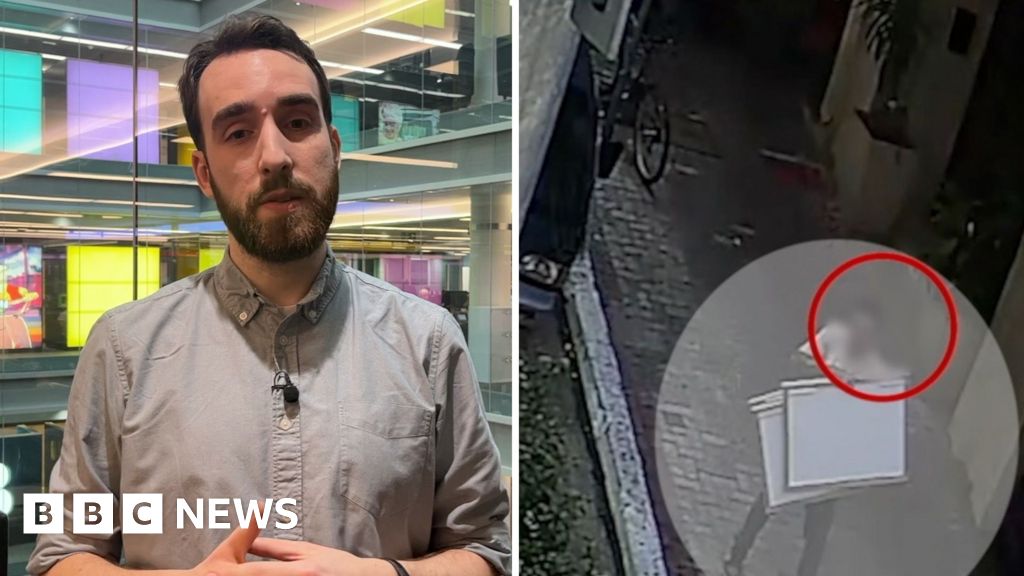
CCTV captures suspects fleeing on foot with stolen art—time for tougher crime crackdown

The recent theft of at least 13 priceless artworks from a library in São Paulo, Brazil, has sent shockwaves through the international art community and raised serious questions about security and geopolitical stability. Among the stolen items are eight engravings by the renowned French artist Henri Matisse, reflecting the cultural loss not only for Brazil but for the global heritage. The audacity and sophistication of the heist highlight a disturbing trend in transnational art theft, a crime that not only robs societies of their history but also fuels the black market on an international scale.

Authorities confirmed that they have located the “escape vehicle” linked to the crime and have arrested one suspect, yet the stolen artworks remain at large. Cooperation with Interpol underscores the severity of the case, as officials work tirelessly to recover the pieces before they are smuggled beyond national borders. Analysts warn that such thefts are often interconnected with larger networks operating across continents, shifting the balance of cultural influence and economic power. This incident serves as a stark reminder of the vulnerabilities faced by cultural institutions worldwide amid rising organized crime and a lack of robust security measures. As Brazilian law enforcement and international agencies collaborate, questions linger over the sophistication of the theft—was it merely a localized crime or part of a broader pattern involving transcontinental trafficking networks?

The unfolding situation highlights *how decisions made at the international governance level, such as border security and cooperation protocols, directly impact local and national efforts to safeguard cultural treasures*. According to international security experts, the theft underscores the necessity for stronger collaborations and technological innovations in protecting vital cultural assets. The incident also exposes the vulnerabilities of even seemingly secure cultural repositories in rapidly developing countries, where the appeal of black-market art trade continues to grow. Historians and analysts emphasize that this pattern, if unchecked, could result in irreversible losses of humanity’s shared cultural history, eroding the collective identity of nations and societies.

As the crisis unfolds, Brazil faces a pivotal moment that could influence regional stability and international norms surrounding cultural preservation. The compromised security at São Paulo’s library not only exemplifies the danger posed by organized crime but also raises urgent questions about how nations can protect their most precious cultural assets in an increasingly interconnected world. What remains at stake is not just a collection of artworks, but the integrity of history itself—an ongoing struggle where the stakes grow higher with each passing day. The world watches, and history hangs in the balance, waiting to see if justice and cultural recovery will triumph over the shadows cast by this audacious heist—one that may just rewrite the narrative of international cultural security forever.
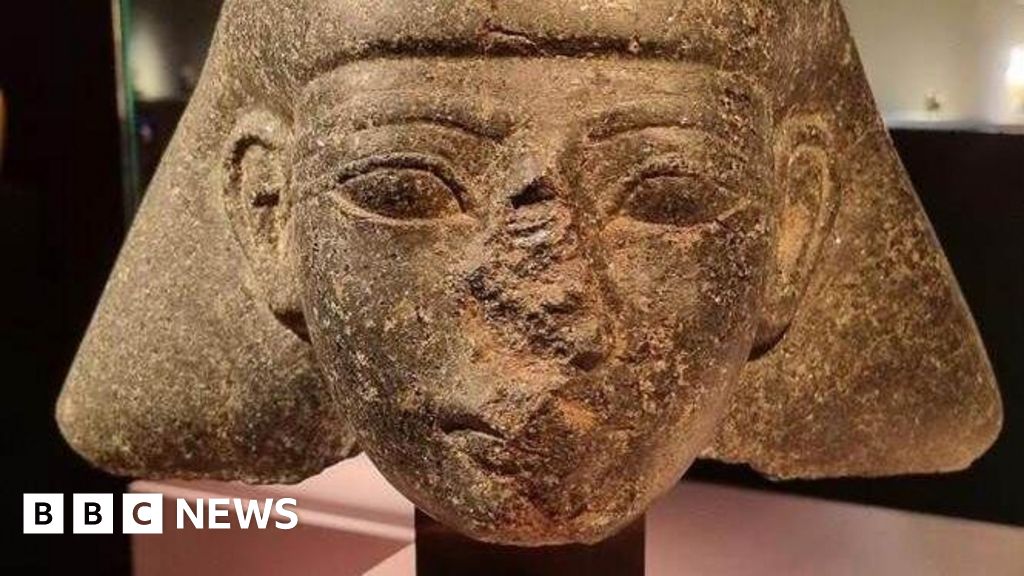

Netherlands to Restitute Stolen Ancient Artifact to Egypt

The recent announcement by the Netherlands to return a 3,500-year-old sculpture to Egypt underscores a growing international consensus on the importance of repatriating stolen cultural artifacts. The sculpture, depicting a high-ranking official from the dynasty of Pharaoh Thutmose III, was recovered following a decade-long investigation when it reappeared at an art fair in Maastricht. Authorities identified its illicit origins through an anonymous tip, highlighting the ongoing challenges in combating illegal antiquities trade. Dutch Prime Minister Dick Schoof reaffirmed the country’s commitment to returning heritage to its”); continental roots, emphasizing the cultural significance of such artifacts to their nations of origin. The gesture is being viewed as part of a broader diplomatic effort to preserve cultural identity and challenge the substantial illegal antiquities market that still plagues global museums and private collectors.

This development coincides with the grand opening of the Grand Egyptian Museum in Giza, a project fraught with delays due to political upheaval during the Arab Spring but now heralded as a beacon of Egypt’s cultural renaissance. Costing approximately $1.2 billion, the museum is poised to host an unparalleled collection of artifacts, including the entire tomb of Tutankhamun and its iconic gold mask. Prominent Egyptologists and cultural analysts see the museum as crucial for re-establishing national sovereignty over Egypt’s heritage, which has long been fragmented through colonial looting and illicit trade. Global institutions and governments face mounting pressure to expedite the return of other prized antiquities, including the much-coveted Rosetta Stone, currently held in the British Museum. The cultural and symbolic significance of these artifacts extends beyond bricks and mortar—they embody the identity, history, and future cohesion of nations like Egypt.

The international community’s stance on heritage repatriation reveals an evolving geopolitical landscape where cultural diplomacy becomes a battleground for asserting sovereignty. Critics, including various historians and international watchdog groups, argue that such acts of restitution serve as precedents for nationalistic assertions that can reshape power dynamics. Egypt’s assertive push for the return of its artifacts is emblematic of a broader movement challenging the legacy of colonial extraction, where former imperial powers are increasingly scrutinized for their roles in what many see as cultural pillaging. The return of the sculpture and the anticipation of repatriating other significant artifacts symbolize a turning point—marked by a conscious effort to rectify historical injustices and affirm national identities.

As ancient relics are progressively reclaimed and reconstructed as symbols of sovereignty and cultural pride, the fabric of international relations is being rethreaded with new threads of cultural diplomacy. The hidden stories behind stolen artifacts are now unraveling, revealing a history fraught with greed, conquest, and colonialism—yet also one of resilience and reclamation. The gravity of these developments leaves the global community at a crossroads, where decisions made today will define the cultural landscape of tomorrow. In a world increasingly defined by shifting alliances and contested heritage, the past is no longer just history—it is the foundation on which future geopolitics will be built. The unfolding saga of Egypt’s cultural reclamation stands as a testament to the enduring power of identity and the relentless pursuit of justice, a narrative still being written amid the echoes of ancient stones and modern diplomacy.

Social Media Auto Publish Powered By : XYZScripts.com


