Matox News

Truth Over Trends, always!

UK’s Iceland Stores drops fight over name with Iceland Foods, clearing the way for consumers

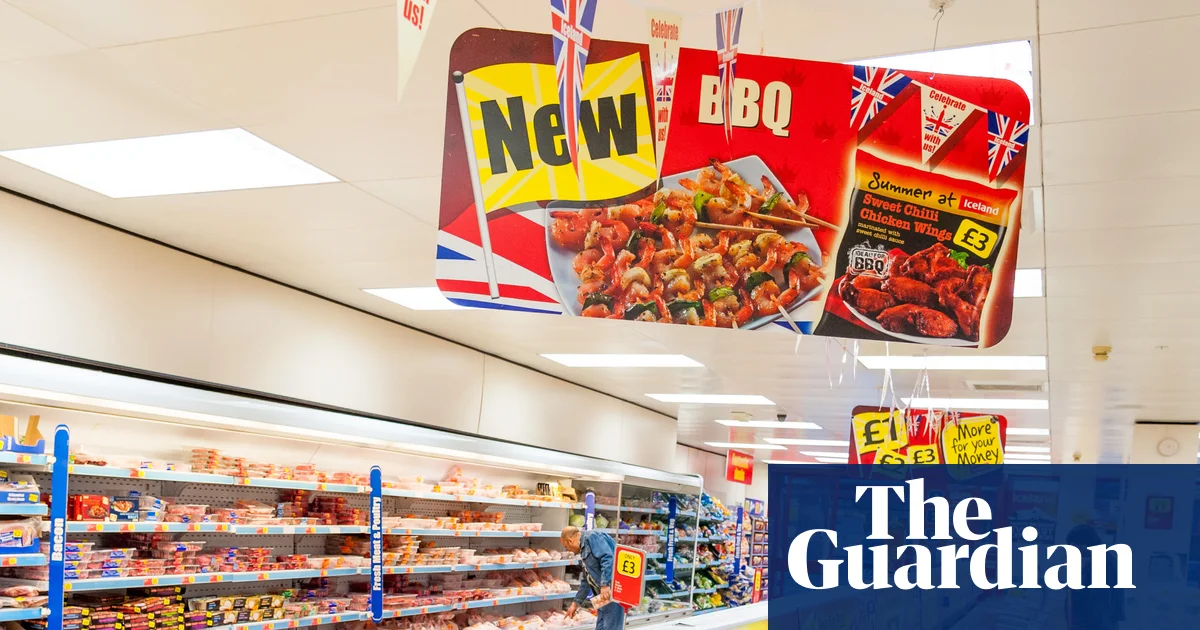
In a move that underscores shifting geopolitical and economic landscapes, Iceland, the UK-based supermarket giant, has announced the end of its decade-long legal battle with its namesake in Europe. This resolution, driven by pragmatic business considerations, signals more than a simple corporate decision; it is a reflection of broader international legal and commercial tensions that have begun to reshape the landscape of global branding and national sovereignty. The company’s new approach—offering discounts to Icelandic shoppers and stepping back from its legal claims—may seem minor on the surface but bears significant implications for how nations and corporations navigate identity, intellectual property, and sovereignty.

Beginning in 2016, the government of Iceland initiated legal action against the UK retailer over its use of the country’s name, challenging the supermarket’s exclusive EU trademark rights for “Iceland.” The basis for this challenge was rooted in the belief that such rights hindered domestic companies from branding their products abroad, effectively limiting their economic freedom. The EU General Court’s rulings, reaffirming that geographical names must remain accessible for public use, struck a blow to private territorial trademarks and reinforced culturally rooted notions of sovereignty over shared historical and geographical identifiers. As analyst Helen Fry notes, this legal conflict encapsulated a broader trend: “The battle over names and trademarks often reflects deeper cultural and political struggles over national identities in an increasingly interconnected world.”

With the recent legal defeat, Iceland chose to pivot rather than persist in costly litigation. In his public statement, Richard Walker, executive chairman, revealed plans to reallocate the legal funds into offering discounts—fundamentally a strategic move to foster goodwill among local consumers in Iceland. Though he expressed concern about competitors potentially exploiting the brand’s name, the decision to step away from legal confrontation signals a wider recognition of the limits of international trademark enforcement. This episode exemplifies a global trend where sovereign nations push back against corporate encroachment, asserting cultural and economic independence in the face of universal branding practices. It also underscores the importance of international legal norms, which increasingly favor the public’s right to use geographical identifiers, rather than exclusive corporate claims.

The ramifications extend beyond law and commerce, touching on core notions of identity and statehood. The European Union‘s role, through courts and regulations, is pivotal, yet it is clear that local governments and populations are asserting a renewed sense of ownership over their historical and geographical symbols. As Dr. Tomasz Nowak, a geopolitical analyst observes, “Marking the borders of cultural sovereignty on the battleground of intellectual property rights is a sign of declining influence of supranational institutions and a resurgence of national narratives. This case, though seemingly trivial, echoes larger debates about who controls the symbols of national identity in an age of globalization.”

As history continues to unfold, the resolution between Iceland and the UK supermarket chain serves as a stark reminder of how decisions over trademarks and branding are far from mere commercial disputes—they are intertwined with the deep currents of national pride, sovereignty, and cultural autonomy. In a world increasingly shaped by international treaties, court rulings, and global economic forces, the outcome of this seemingly small legal battle hints at larger shifts in how nations assert their identities amidst the relentless tide of globalization. The pages of history are turning, and the story of geographies, brands, and sovereignty remains a compelling chapter in the unfolding geopolitical narrative.


Big-box stores could cut emissions and save millions with rooftop solar—so why aren't they making the switch?
Big-box stores could cut emissions and save millions with rooftop solar—so why aren’t they making the switch?

Global Shift Toward Rooftop Solar in Big-Box Retail: A Geopolitical Turning Point

Amid escalating concerns over energy security and climate change, the United States is witnessing a quietly revolutionary trend: the transformation of its largest retail giants into decentralized energy producers. As nations grapple with the implications of their reliance on fossil fuels, the potential of rooftop solar on big-box stores like Walmart, Target, and Home Depot emerges as a game-changing strategy to harness renewable energy at an unprecedented scale. The figures are staggering: these retail behemoths possess enough rooftop space to power nearly 8 million average homes—enough to have a tangible impact on national emissions and geopolitical stability rooted in energy dependence.

While critics allege that regulatory hurdles, high labor costs, and infrastructure challenges hinder progress, industry experts and environmental advocates argue that the current global crisis demands bold action now, not later. “Every rooftop in America that isn’t producing solar energy is a rooftop wasted,” asserts Johanna Neumann of Environment America. Analyzing developments across the country, she highlights how solar installations on retail giants’ rooftops could, in aggregate, eradicate emissions equivalent to removing 11.3 million gas-powered cars from congested urban corridors. Such initiatives symbolize more than just environmental progress—they threaten to shift the global power dynamics profoundly, reducing dependency on Middle Eastern or Russian fossil fuels, and thus, diminishing the geopolitical leverage exercised through energy markets.

The numbers speak volumes:

  • Walmart, with over 5,000 stores and a rooftop space larger than Manhattan, could theoretically generate enough electricity to power more than 842,000 homes.
  • Target’s 542 locations with rooftop solar currently support 15% to 40% of their energy needs, with tremendous room for expansion.
  • Home Depot, Kroger, and Costco also hold significant untapped solar potentials—highlighting a strategic opening for national and global power shifts.

This transformation is driven by a confluence of economic necessity and environmental urgency. Many analysts, including Cornell University’s Edwin Cowen, warn that the U.S. has been “behind the eight ball” in adopting such solutions, hamstrung by outdated policies that favor fossil fuel subsidies and complicate renewable deployment. Historic opportunities have been missed, and the window for meaningful climate action is now closing rapidly, especially under the mounting pressure of UN reports and international commitments. The reluctance of corporations to adopt rooftop solar is compounded by structural issues like aging buildings and inconsistent regulations, yet those barriers are increasingly viewed as surmountable—if policymakers and industry leaders align their priorities.

As the energy landscape transforms, the geopolitical impact becomes clear: a decentralized, community-integrated renewable network could weaken authoritarian regimes that leverage energy exports for influence, while empowering local economies. Advocates emphasize that the move towards rooftop solar isn’t just about emitting less CO2 but about reimagining how societies generate and share power—ushering in a new era of energy independence. The stories of workers trained to install these systems, often from marginalized communities, reveal a broader social dimension—one where local jobs and economic empowerment collide with global climate ambitions. The future hangs in the balance, and as history continues to unfold, the question remains: will global leaders seize this opportunity before the window closes, or will they let a vital chapter of energy sovereignty and environmental renewal slip through their fingers?

Social Media Auto Publish Powered By : XYZScripts.com


